 Предпросмотр
 Поделиться
 Поделиться
 Детали произведения

 Скачать
 Похожие работы
 Рентгенография
 Слайд-шоу
 Статистика
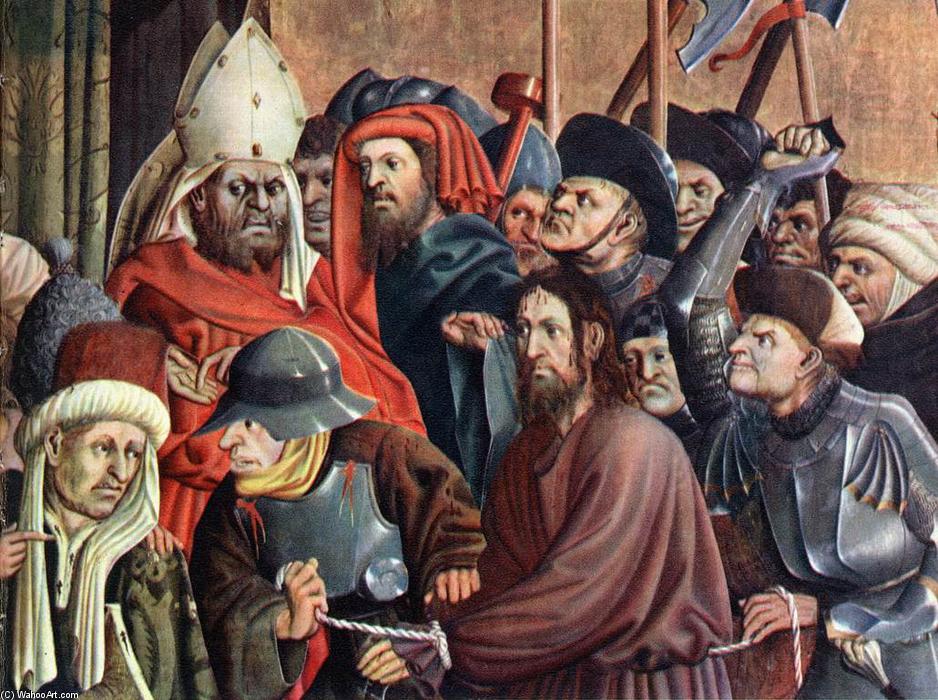
Christus before Pilate (detail)


 Читать далее
Жикле / Арт-принт
Печать (жикле) или холст музейного качества с быстрыми сроками изготовления и широким выбором вариантов отделки. ( Купить картину ручной работы Перейти к цифровым изображениям)




P118B $10

P118H $10

P118W $10

P438Z $10

P508JH $12

P508YH $12

P805H $10

P805Z $10

P919BZ $10

P919G $10

P919XJ $10

P959ZH $10

P968JZ $12

W106C $8

W218G $10

W218JH $8

W218Y $10

W307PJ $10

W316G $10

W316PJ $8

W316Y $10

W398PJ $8

W4111J $10

W500HY $15

W500JH $15

W692G $12

W849H $8

W940BG $15

W953PJ $8




Выберите один из наших стандартных размеров, соответствующих оригинальным пропорциям произведения искусства.

Вы можете указать свои собственные размеры, чтобы репродукция идеально подошла под конкретную раму или пространство. Если выбранный вами размер не будет соответствовать пропорциям оригинала, мы либо обрежем произведение, либо дополним изображение зеркальным отражением краев или однотонной заливкой. Перед началом производства вам будет отправлен цифровой макет для утверждения.
Пожалуйста, обратите внимание, что предварительный просмотр на экране не отображает фактическую обрезку или расширение изображения. Только макет точно покажет финальную композицию.
Несмотря на возможность заказа индивидуальных размеров, мы рекомендуем выбирать размер из предопределенного списка, чтобы сохранить оригинальные пропорции.
Доставка по всему миру () за 2 недели вместо стандартных 4/5 недель. (10 Сентябрь)

Бесплатная экспресс-доставка по всему миру

Высококачественный льняной холст

Полное страхование доставки

Гарантия возмещения таможенных пошлин

Гарантия точного соответствия цветов

100-дневная политика возврата (только при обнаружении дефектов)

Гарантия возврата 100% средств

Предложение оптовых скидок
 Вариант со стеклом доступен только для размеров менее 110 см

Christus before Pilate (detail)
Жикле / Арт-принт
Размер репродукции
-


Итоговая стоимость
$ 62
A Divine Encounter in the Northern Renaissance
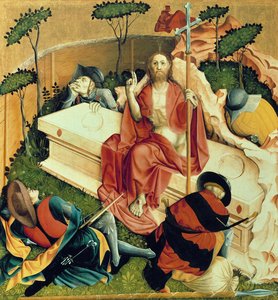
In the quiet intensity of Hans Multscher’s 1437 masterpiece, Christus before Pilate (detail), we are invited to witness one of the most profound confrontations in human history. This exquisite detail from the Wurzach Altar does not merely depict a biblical event; it captures the very breath held between two worlds: the eternal and the temporal. As Jesus Christ stands before the Roman governor, the canvas vibrates with the tension of a trial that would alter the course of civilization. Multscher, a pioneer of German realism, moves beyond the flat, symbolic gestures of the Gothic era to present a scene where every furrowed brow and heavy fold of fabric tells a story of spiritual weight and earthly consequence.
The artistry of this piece lies in its breathtaking commitment to Northern Renaissance Realism. Utilizing the delicate medium of oil paint on fir wood, Multscher achieved a level of textural nuance that was revolutionary for his time. One can almost feel the heavy, tactile quality of the garments worn by the gathered crowd—the rougher textures of commoners contrasted against the more refined attire of those in positions of authority. This meticulous attention to detail serves a higher purpose than mere decoration; it grounds the divine narrative in a palpable, physical reality, making the miraculous feel disturbingly present and human.
Symbolism and the Language of Light
Every element within this composition is imbued with deep theological significance, designed to guide the viewer toward spiritual contemplation. The central figure of Christ is marked by a subtle yet unmistakable halo, a luminous emblem of his divine nature that pierces through the surrounding earthly chaos. Around him, the faces of the onlookers form a mosaic of human emotion—fear, doubt, skepticism, and apprehension. These expressions serve as a mirror for the viewer's own soul, reflecting the universal struggle to recognize truth amidst the noise of worldly judgment.
The interplay of light and shadow, or chiaroscuro, plays a vital role in directing the narrative flow. Light falls upon Christ with a clarity that suggests an inner radiance, while the deeper shadows enveloping the periphery represent the uncertainty and moral ambiguity of Pilate’s court. For the collector or the interior designer, this painting offers more than just visual beauty; it provides a focal point of profound intellectual and emotional depth. It is a piece that commands attention, inviting long periods of study and reflection, making it an ideal centerpiece for spaces dedicated to thought, heritage, and the appreciation of fine classical art.
A Legacy of Faith and Humanism
To look upon this work is to step into the cultural heart of 15th-century Ulm. Created during a period of intense religious fervor and the burgeoning movement of Northern Humanism, Multscher’s work embodies the era's desire to find the sacred within the natural world. His travels through France and the Netherlands clearly left an indelible mark on his technique, allowing him to bring a sophisticated, international realism to the German landscape. This painting is not just a relic of the past; it is a living testament to the moment when art began to look more closely at the human condition.
Whether displayed in a private gallery or as a sophisticated element of a curated interior, a high-quality reproduction of this detail allows the timeless drama of Multscher’s vision to inhabit modern spaces. It brings with it an atmosphere of historical gravity and artistic excellence, offering anyone who appreciates the masters a window into a period where every brushstroke was an act of devotion.
Похожие произведения
Биография художника
Hans Multscher: A Bridge Between Gothic and Renaissance in German Art
Born around 1400 in the tranquil Bavarian town of Reichenhofen, now part of Leutkirch im Allgäu, Hans Multscher’s life was a pivotal moment in the evolution of German art. He wasn't merely an artist; he was a translator, skillfully bridging the stylistic gap between the late Gothic period and the burgeoning Renaissance – a transition marked by both profound change and remarkable artistic innovation. While the details of his early years remain somewhat shrouded in history, it’s clear that Multscher possessed an insatiable curiosity and a keen eye for capturing the essence of human experience through art. He didn't simply mimic prevailing trends; he actively sought out new influences, embarking on journeys that fundamentally shaped his distinctive artistic vision – a vision rooted in both tradition and a daring embrace of contemporary European styles.
His travels likely led him to the vibrant artistic centers of northern France and the Netherlands, regions where realism and meticulous detail were rapidly gaining prominence. These encounters exposed Multscher to the revolutionary techniques and aesthetic sensibilities of Early Netherlandish painting – a style characterized by its luminous colors, dramatic lighting, and profound psychological depth. This exposure profoundly impacted his own work, leading him to incorporate these innovations into his sculptures and paintings, creating a unique synthesis that distinguished him from his contemporaries.
- Early Training: While specific details of his formal training are scarce, it’s believed Multscher honed his skills in the workshops of master sculptors in Bavaria.
- The Influence of Northern Europe: The stylistic elements evident in his early works – particularly the anatomical accuracy and naturalistic portrayal of figures – strongly suggest a formative period spent studying art in the Netherlands or northern France.
- A Free Citizen: In 1427, Multscher achieved a significant milestone by becoming a free citizen of Ulm, a bustling commercial hub on the banks of the Danube River. This move marked a turning point in his career, providing him with greater independence and access to new opportunities.
The Workshop: A Crucible of Artistic Innovation
Multscher’s workshop wasn't simply a production facility; it was a dynamic environment where artistic experimentation flourished. He presided over a sizable team – records indicate as many as sixteen assistants working alongside him at various times – fostering an atmosphere conducive to innovation and the development of new techniques. This collaborative setting allowed for a constant exchange of ideas, pushing the boundaries of traditional Gothic forms while simultaneously incorporating elements of naturalism and realism. The workshop’s influence extended far beyond Multscher himself; it played a crucial role in disseminating his artistic principles throughout Swabia and beyond.
His sculptural work underwent a particularly dramatic transformation during this period. Moving away from the elongated figures and stylized drapery characteristic of late Gothic sculpture, Multscher began to depict human forms with greater anatomical accuracy and emotional depth. This shift is vividly illustrated in his sculptures, which exhibit a remarkable sensitivity to the nuances of human expression – a hallmark of his distinctive style.
The Wurzach Altar: A Masterpiece of Transition
Among Multscher’s most celebrated achievements is the *Wurzacher Altar*, begun in 1437 and representing a pivotal moment in his artistic development. This ambitious project, commissioned for the church of St. James in Wurzach, showcases Multscher's mastery of oil painting – a relatively new medium at the time – and his ability to render textures, light, and shadow with breathtaking precision. The altar’s panels depict scenes from the life of Christ and the Virgin Mary, each imbued with a palpable sense of humanity that set it apart from earlier devotional art.
- Oil Painting Innovation: The use of oil paint in the *Wurzacher Altar* demonstrated Multscher’s willingness to embrace new techniques and materials.
- Realistic Depiction: The figures in the altar are rendered with remarkable realism, capturing not only their physical appearance but also their emotional states.
- Symbolic Composition: The arrangement of scenes within the altar is carefully considered, conveying a complex theological message to viewers.
Beyond Wurzach: Sculpture and Secular Commissions
While the *Wurzacher Altar* remains his most famous work, Multscher’s artistic output extended far beyond this single masterpiece. He created numerous sculptures, including the poignant depiction of *Holy Mary Magdalen*, now housed in Frankfurt's Liebieghaus – a testament to his ability to convey profound emotion through sculpted form. His workshop also produced a series of impressive stone carvings, notably the group of emperors adorning the eastern window of Ulm’s city hall.
Furthermore, Multscher accepted commissions for secular works, demonstrating his versatility and appeal to a broad clientele. These commissions included portraits, decorative panels, and architectural sculptures – reflecting his ability to adapt his style to diverse contexts and patron demands. His work served as a powerful symbol of civic pride and artistic excellence in Ulm.
A Lasting Legacy: A Bridge Between Eras
Hans Multscher’s significance lies not only in the beauty and technical skill of his art but also in his role as a catalyst for change. He was among the first German artists to fully embrace the realism and naturalism that were transforming art in northern Europe, paving the way for subsequent generations of Renaissance masters. His work represents a crucial moment in the development of German art – a transition from the stylized conventions of the Gothic period towards a more humanistic and observational approach.
Despite his untimely death in 1467, Multscher’s influence endured. The workshop he established continued to thrive for decades after his passing, disseminating his artistic principles throughout Swabia and beyond. Today, his works are treasured as national treasures, offering a profound glimpse into the artistic landscape of 15th-century Germany – a testament to the enduring legacy of a true pioneer.
Ханс Мултшер
1400 - 1467 , Германия
Основные сведения
- Artistic Movement Or Style: Поздний готика/Ренессанс
- Artists Or Movements Influenced By This Artist: ['Последователи']
- Artists Who Influenced This Artist:
- Северная французская школа
- Нидерландская школа
- Date Of Birth: c. 1400
- Date Of Death: 1467
- Full Name: Hans Multscher
- Nationality: Немецкий
- Notable Artworks:
- Алтарь Святой Марии Магдалины
- Муж с болью
- Группа императоров
- Place Of Birth: Регенсбах, Германия
Похожие статьи
The Northern Awakening: Artistic Innovation & Cultural Transformation in the German Renaissance
Explore the artistic innovation of the German Renaissance! Discover Dürer, the Danube School & Reformation art. Learn about techniques, materials & lasting influence. Find museum-quality reproductions at ArtsDot.

The Enduring Power of Painting: A Historical & Contemporary Exploration of Form and Emotion
Explore the rich history & enduring techniques of oil painting with ArtsDot. Discover masterpieces, learn about art collecting, and find authentic handmade reproductions crafted by skilled artists.

Масляная живопись: История, техника и непреходящее наследие
Узнайте все о масляной живописи: история техники, секреты мастеров и современные тенденции. Погрузитесь в мир искусства с экспертами !

The Enduring Legacy of Oil on Canvas: Technique, History & Aesthetic Impact
Explore the rich history & techniques of oil painting – from Renaissance masters to Impressionism. Discover pigments, layering methods, and why this timeless medium endures. Expert insights for artists & art enthusiasts.

Oil on Canvas: A Historical & Technical Exploration of a Timeless Artistic Medium
Explore the rich history & enduring techniques of oil painting on canvas. Discover the science behind its longevity, conservation practices, and contemporary relevance. Expert insights for art enthusiasts.