


 Предпросмотр
 Поделиться
 Поделиться
 Детали произведения

 Скачать
 Похожие работы
 Рентгенография
 Слайд-шоу
 Статистика
Tennis-Forehand Drive- Jenny Tuckey


 Читать далее
Приобретите цифровое изображение высокого разрешения в улучшенном качестве, которое значительно превосходит онлайн-превью.
Каждый файл тщательно подготавливается нашими специалистами с использованием передовых инструментов и экспертной ручной ретуши. Мы гарантируем исключительную четкость, точную цветопередачу и детальную проработку каждого изображения.
Финальный файл доставляется по электронной почте в течение 72 часов и оптимизирован для немедленного использования в профессиональной среде, при верстке и печати. Это тот же уровень качества, которому доверяют ведущие дизайнерские студии, издательства и галереи.
Цифровое изображение
Скачайте файл высокого разрешения для личного использования, печати и творческих проектов. ( Перейти к печати Купить картину ручной работы)
Включено в каждый заказ цифровых изображений
Гарантия экспертной цифровой доставки
Выбирая ArtsDot.com, вы получаете не просто изображение — вы приобретаете профессионально обработанное цифровое произведение искусства, созданное с безупречной точностью и под защитой гарантии качества. Вот всё, что автоматически входит в ваш заказ:

Мгновенная доставка по e-mail
Ваш цифровой файл в высоком разрешении будет отправлен вам по электронной почте в течение 72 часов после оформления заказа — и сразу станет доступен для использования.

Цифровой файл с ИИ-улучшением
Ваше произведение искусства проходит профессиональную оптимизацию с использованием передовых инструментов ИИ и ручной обработки, что гарантирует максимальную детализацию, четкость и точность цветопередачи.

Бессрочная бесплатная повторная доставка
Случайно удалили или потеряли файл? Не беспокойтесь — мы отправим его вам повторно в любое время и совершенно бесплатно.

Без импортных пошлин — навсегда
Наслаждайтесь вашим произведением искусства мгновенно без таможенных пошлин, сборов или затрат на доставку — цифровые загрузки всегда не облагаются налогом.

Гарантия точности цветопередачи
Мы гарантируем, что ваше цифровое изображение максимально точно передает оригинальные цвета благодаря использованию профессиональных инструментов и систем управления цветом.

Гарантия удовлетворенности 100 дней
Если вы не будете удовлетворены своим цифровым изображением, мы внесем правки или вернем 100% стоимости в течение 100 дней — без лишних вопросов.

100% Гарантия возврата средств
Не удовлетворены покупкой? Получите полный возврат средств в течение 100 дней после получения цифрового файла — без лишних вопросов.

Скидки на оптовые заказы
Купите 3 изображения, сэкономьте 10% — Купите 5, сэкономьте 15% — Купите 10+, сэкономьте 20%. Отличное решение для творческих проектов, галерей и агентств.
Похожие произведения






Биография художника
Harold Eugene “Doc” Edgerton: The Architect of Instantaneous Reality
Harold Eugene Edgerton, a name often whispered in the halls of scientific innovation and photographic history, wasn’t simply a photographer; he was an engineer, a visionary, and a relentless pursuer of the unseen. Born in Fremont, Nebraska, in 1903, his journey from a small-town boy to a globally recognized pioneer began with a simple fascination: capturing fleeting moments in time. His legacy isn’t found in grand museums or traditional art galleries, but rather in the revolutionary techniques he developed – most notably, the stroboscope – that fundamentally altered our understanding of motion and opened up entirely new avenues for scientific observation and artistic expression. Edgerton's life was a testament to the power of curiosity, meticulous experimentation, and an unwavering belief in the potential of technology to reveal hidden truths.
Early Years and the Genesis of the Stroboscope
Edgerton’s early life instilled in him a deep appreciation for both science and art. He developed a passion for photography at the age of fifteen, building his own darkroom in his family's home – an experience that would prove crucial to his later work. His formal education began at the University of Nebraska-Lincoln, where he earned a bachelor’s degree in electrical engineering. However, it was his time at MIT that truly ignited his inventive spirit. There, under the guidance of Gjon Mili, he began exploring the possibilities of electronic flash – initially driven by a desire to photograph hummingbird flight with unprecedented clarity. This pursuit led him to conceive and refine the stroboscope, a device capable of emitting precisely timed bursts of light, effectively freezing motion in its tracks. The initial purpose was purely technical: to study synchronous motors, but Edgerton quickly realized the broader implications of his invention – the ability to capture events that were otherwise invisible to the human eye.
Revolutionizing Photography and Beyond
Edgerton’s stroboscope wasn't just a technological marvel; it was a catalyst for artistic innovation. His groundbreaking photographs, often featuring seemingly impossible feats of motion – a bullet piercing an apple, a bursting balloon, a hummingbird in mid-flight – captivated the public and earned him widespread acclaim. He collaborated with Life magazine, producing stunning images that demonstrated the stroboscope’s capabilities to a vast audience. But Edgerton's ambition didn't stop there. Recognizing the potential of his technology for scientific applications, he turned his attention to sonar and deep-sea photography. His work with Jacques Cousteau was particularly significant, leading to the development of underwater strobe systems that allowed researchers to observe marine life in its natural habitat – a truly revolutionary step in ocean exploration.
Innovation in Underwater Exploration and Scientific Collaboration
Edgerton’s collaboration with Jacques Cousteau represents a pivotal moment in both photography and oceanography. Prior to Edgerton's innovations, underwater photography was severely limited by the lack of adequate illumination. His strobe systems provided the necessary light to capture stunning images of coral reefs, marine animals, and shipwrecks – revealing a hidden world previously inaccessible to human observation. This partnership extended beyond mere photographic assistance; Edgerton played a key role in developing sonar technology, including side-scan sonars that could map the ocean floor with remarkable detail. His work on the discovery of the wreck of the *Titanic* stands as a testament to his ingenuity and dedication.
Legacy and Lasting Impact
Harold Edgerton’s contributions extended far beyond the realm of photography and sonar. He was a prolific inventor, holding numerous patents for various technological advancements. He retired from MIT in 1968 but continued to work on research projects until his death in 1990. His legacy is one of relentless curiosity, innovative thinking, and a profound impact on both science and art. While he often resisted the label of “artist,” Edgerton’s work fundamentally altered our perception of time and motion, paving the way for countless subsequent innovations. He remains an inspiration to scientists, engineers, and photographers alike – a true pioneer who dared to capture the unseen and reveal the hidden wonders of the world.
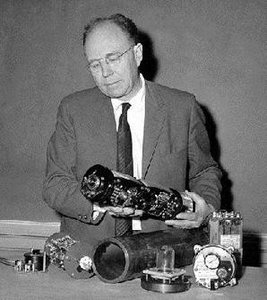
harold eugene edgerton
1903 - 1990 , United States of America
Основные сведения
- Artistic Movement Or Style: High-speed photography
- Artists Or Movements Influenced By This Artist: ['Jacques Cousteau']
- Artists Who Influenced This Artist: ['Gjon Mili']
- Date Of Birth: April 6, 1903
- Date Of Death: January 4, 1990
- Full Name: Harold Eugene Edgerton
- Nationality: American
- Notable Artworks:
- Tennis, Forehand Drive
- Bullet through apple
- Titanic photograph
- Place Of Birth: Fremont, Nebraska