


 Предпросмотр
 Поделиться
 Поделиться
 Детали произведения

 Скачать
 Похожие работы
 Рентгенография
 Слайд-шоу
 Статистика
Tennis-Forehand Drive- Jenny Tuckey


 Читать далее
Жикле / Арт-принт
Печать (жикле) или холст музейного качества с быстрыми сроками изготовления и широким выбором вариантов отделки. ( Купить картину ручной работы Перейти к цифровым изображениям)




































Выберите один из наших стандартных размеров, соответствующих оригинальным пропорциям произведения искусства.

Вы можете указать свои собственные размеры, чтобы репродукция идеально подошла под конкретную раму или пространство. Если выбранный вами размер не будет соответствовать пропорциям оригинала, мы либо обрежем произведение, либо дополним изображение зеркальным отражением краев или однотонной заливкой. Перед началом производства вам будет отправлен цифровой макет для утверждения.
Пожалуйста, обратите внимание, что предварительный просмотр на экране не отображает фактическую обрезку или расширение изображения. Только макет точно покажет финальную композицию.
Несмотря на возможность заказа индивидуальных размеров, мы рекомендуем выбирать размер из предопределенного списка, чтобы сохранить оригинальные пропорции.
Доставка по всему миру () за 2 недели вместо стандартных 4/5 недель. (12 Сентябрь)

Бесплатная экспресс-доставка по всему миру

Высококачественный льняной холст

Полное страхование доставки

Гарантия возмещения таможенных пошлин

Гарантия точного соответствия цветов

100-дневная политика возврата (только при обнаружении дефектов)

Гарантия возврата 100% средств

Предложение оптовых скидок
 Вариант со стеклом доступен только для размеров менее 110 см

Tennis-Forehand Drive- Jenny Tuckey
Жикле / Арт-принт
Размер репродукции
-


Итоговая стоимость
$ 62
Похожие произведения






Биография художника
Harold Eugene “Doc” Edgerton: The Architect of Instantaneous Reality
Harold Eugene Edgerton, a name often whispered in the halls of scientific innovation and photographic history, wasn’t simply a photographer; he was an engineer, a visionary, and a relentless pursuer of the unseen. Born in Fremont, Nebraska, in 1903, his journey from a small-town boy to a globally recognized pioneer began with a simple fascination: capturing fleeting moments in time. His legacy isn’t found in grand museums or traditional art galleries, but rather in the revolutionary techniques he developed – most notably, the stroboscope – that fundamentally altered our understanding of motion and opened up entirely new avenues for scientific observation and artistic expression. Edgerton's life was a testament to the power of curiosity, meticulous experimentation, and an unwavering belief in the potential of technology to reveal hidden truths.
Early Years and the Genesis of the Stroboscope
Edgerton’s early life instilled in him a deep appreciation for both science and art. He developed a passion for photography at the age of fifteen, building his own darkroom in his family's home – an experience that would prove crucial to his later work. His formal education began at the University of Nebraska-Lincoln, where he earned a bachelor’s degree in electrical engineering. However, it was his time at MIT that truly ignited his inventive spirit. There, under the guidance of Gjon Mili, he began exploring the possibilities of electronic flash – initially driven by a desire to photograph hummingbird flight with unprecedented clarity. This pursuit led him to conceive and refine the stroboscope, a device capable of emitting precisely timed bursts of light, effectively freezing motion in its tracks. The initial purpose was purely technical: to study synchronous motors, but Edgerton quickly realized the broader implications of his invention – the ability to capture events that were otherwise invisible to the human eye.
Revolutionizing Photography and Beyond
Edgerton’s stroboscope wasn't just a technological marvel; it was a catalyst for artistic innovation. His groundbreaking photographs, often featuring seemingly impossible feats of motion – a bullet piercing an apple, a bursting balloon, a hummingbird in mid-flight – captivated the public and earned him widespread acclaim. He collaborated with Life magazine, producing stunning images that demonstrated the stroboscope’s capabilities to a vast audience. But Edgerton's ambition didn't stop there. Recognizing the potential of his technology for scientific applications, he turned his attention to sonar and deep-sea photography. His work with Jacques Cousteau was particularly significant, leading to the development of underwater strobe systems that allowed researchers to observe marine life in its natural habitat – a truly revolutionary step in ocean exploration.
Innovation in Underwater Exploration and Scientific Collaboration
Edgerton’s collaboration with Jacques Cousteau represents a pivotal moment in both photography and oceanography. Prior to Edgerton's innovations, underwater photography was severely limited by the lack of adequate illumination. His strobe systems provided the necessary light to capture stunning images of coral reefs, marine animals, and shipwrecks – revealing a hidden world previously inaccessible to human observation. This partnership extended beyond mere photographic assistance; Edgerton played a key role in developing sonar technology, including side-scan sonars that could map the ocean floor with remarkable detail. His work on the discovery of the wreck of the *Titanic* stands as a testament to his ingenuity and dedication.
Legacy and Lasting Impact
Harold Edgerton’s contributions extended far beyond the realm of photography and sonar. He was a prolific inventor, holding numerous patents for various technological advancements. He retired from MIT in 1968 but continued to work on research projects until his death in 1990. His legacy is one of relentless curiosity, innovative thinking, and a profound impact on both science and art. While he often resisted the label of “artist,” Edgerton’s work fundamentally altered our perception of time and motion, paving the way for countless subsequent innovations. He remains an inspiration to scientists, engineers, and photographers alike – a true pioneer who dared to capture the unseen and reveal the hidden wonders of the world.
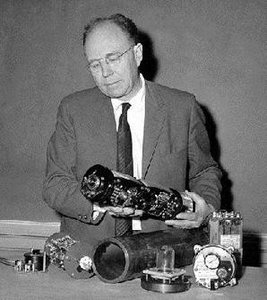
harold eugene edgerton
1903 - 1990 , United States of America
Основные сведения
- Artistic Movement Or Style: High-speed photography
- Artists Or Movements Influenced By This Artist: ['Jacques Cousteau']
- Artists Who Influenced This Artist: ['Gjon Mili']
- Date Of Birth: April 6, 1903
- Date Of Death: January 4, 1990
- Full Name: Harold Eugene Edgerton
- Nationality: American
- Notable Artworks:
- Tennis, Forehand Drive
- Bullet through apple
- Titanic photograph
- Place Of Birth: Fremont, Nebraska