

 Предпросмотр
 Поделиться
 Поделиться
 Детали произведения

 Скачать
 Похожие работы
 Рентгенография
 Слайд-шоу
 Статистика
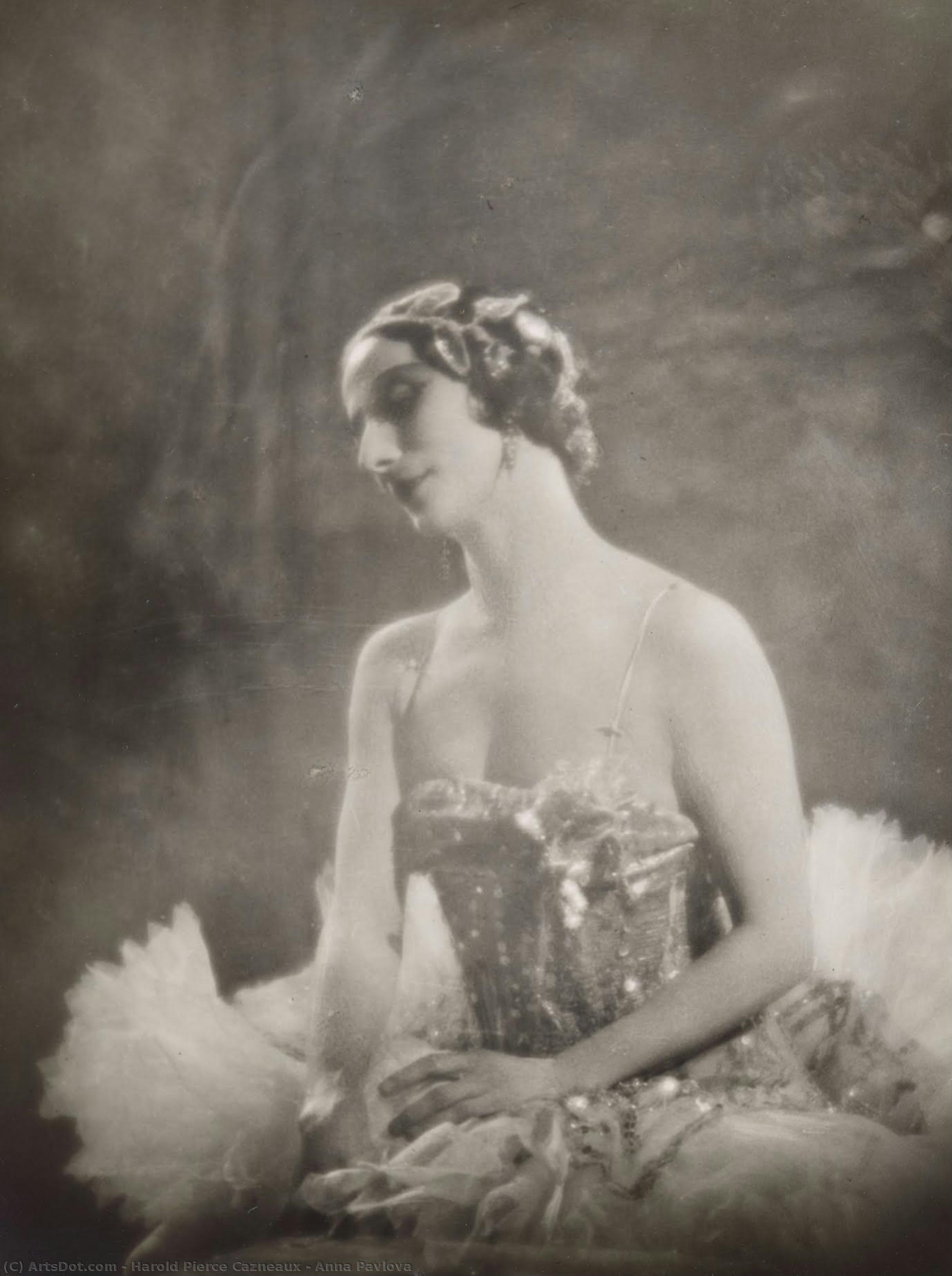
Anna Pavlova
 1926
1926 20.0 x 15.0 cm
 National Portrait Gallery
 Читать далее
Масляная репродукция ручной работы
Картина маслом на холсте в выбранном вами размере и раме, написанная на заказ нашими художниками. ( Перейти к печати Перейти к цифровым изображениям)




































Выберите один из наших стандартных размеров, соответствующих оригинальным пропорциям произведения искусства.

Вы можете указать собственные размеры, чтобы картина идеально вписалась в выбранную раму или пространство. Если выбранный вами размер не соответствует пропорциям оригинала, мы либо обрежем полотно, либо расширим его за счет дополнительных элементов, написанных вручную. Цифровой макет будет отправлен вам на утверждение перед началом производства.
Обратите внимание, что предварительный просмотр на экране не отражает фактическую обрезку или расширение. Только макет точно покажет окончательную композицию.
Хотя доступны индивидуальные размеры, мы рекомендуем выбирать вариант из предопределенного списка, чтобы сохранить исходные пропорции.
После оформления заказа команда ArtsDot.com свяжется с клиентом по электронной почте для уточнения деталей и предоставит предварительный макет
Доставка по всему миру () за 3–4 недели вместо стандартных 5 недель. (11 Сентябрь). Без компромиссов в качестве.

Бесплатная экспресс-доставка по всему миру

Высококачественный льняной холст

Полное страхование доставки

Гарантия возмещения таможенных пошлин

Гарантия точного соответствия цветов

100-дневная политика возврата (только при обнаружении дефектов)

Гарантия возврата 100% средств

Предложение оптовых скидок
 Вариант со стеклом доступен только для размеров менее 110 см

Anna Pavlova
Техника репродукции
Размер репродукции
-


Итоговая стоимость
$ 263
Похожие произведения








Биография художника
A Pioneer of the Australian Lens: The Life and Legacy of Harold Pierce Cazneaux
Harold Pierce Cazneaux, a name synonymous with the blossoming of pictorial photography in Australia, was more than just a photographer; he was a visual poet who captured the spirit of a nation finding its identity. Born in Wellington, New Zealand, on March 30th, 1878, his journey began amidst artistic inclinations – his mother, Emily Florence Bentley Cazneaux, was a skilled colourist and miniature painter. The family’s relocation to Adelaide in 1890 proved pivotal, immersing young Harold in the world of commercial photography through his father's work at Hammer & Co. This early exposure wasn’t merely technical training; it was an apprenticeship in seeing, in understanding light and composition, laying the foundation for a career that would redefine Australian photographic artistry. He honed these skills further with evening classes at the School of Design, Painting, and Technical Art, bridging the gap between traditional artistic disciplines and the emerging medium of photography.From Sydney Studios to Pictorial Mastery
Cazneaux’s move to Sydney in 1904 marked a turning point. His employment with Freeman & Co. quickly saw him rise through the ranks, eventually becoming manager and chief operator. However, it wasn't simply professional advancement that fueled his growth; it was the burgeoning artistic community he encountered. In 1916, alongside luminaries like Cecil Bostock, James Stening, and Henri Mallard, Cazneaux founded the Sydney Camera Circle – a collective dedicated to elevating photography beyond mere documentation and into the realm of fine art. This group championed pictorialism, an international movement that sought to imbue photographs with emotional resonance and aesthetic beauty, often mimicking the techniques of painting and etching. Cazneaux became a leading figure in this movement within Australia, advocating for a distinctly Australian approach – one that embraced the unique qualities of light and landscape found on the continent. He believed in capturing “truly Australian sunshine effects,” rejecting the prevailing British preference for subdued tones.A Legacy Etched in Light and Shadow
Cazneaux’s artistic vision extended far beyond studio portraits, though he excelled at those as well – his striking image of Anna Pavlova is a testament to his ability to capture both physical grace and inner character. He was equally adept at landscape photography, transforming familiar scenes into evocative studies of light, texture, and mood. His work wasn’t simply about *representing* the Australian environment; it was about *interpreting* it, imbuing it with a sense of poetry and longing. He produced numerous books showcasing his vision, including “Canberra, Australia's Federal Capital” (1928), “Sydney Surfing” (1929) and "The Sydney Book" (1931). These publications weren’t just collections of photographs; they were carefully curated narratives that celebrated the beauty and diversity of Australian life. His achievements garnered international recognition, culminating in his honorary fellowship from the Royal Photographic Society of Great Britain in 1937 – a first for an Australian photographer. He regularly exhibited at the London Salon of Photography between 1911 and 1952, further solidifying his reputation on the world stage.Influence and Enduring Significance
Harold Pierce Cazneaux’s influence on Australian photography is immeasurable. He didn't just create beautiful images; he helped to establish photography as a legitimate art form within Australia. His dedication to pictorialism, his advocacy for an authentically Australian aesthetic, and his commitment to artistic excellence paved the way for generations of photographers who followed. He demonstrated that photography could be more than just a record of reality – it could be a powerful means of expression, capable of evoking emotion, challenging perceptions, and celebrating the unique beauty of the world around us. His work continues to inspire, reminding us of the power of light, composition, and vision to transform the ordinary into the extraordinary. Cazneaux passed away on June 19th, 1953, leaving behind a rich legacy that ensures his place as one of Australia’s most important and influential photographers. His self-portrait from 1937 stands as a poignant reminder of the contemplative artist who dedicated his life to capturing the soul of a nation through the lens of his camera.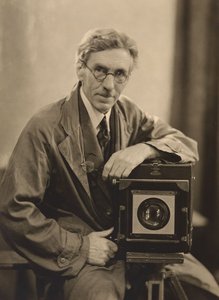
Harold Pierce Cazneaux
1878 - 1953 , New Zealand
Основные сведения
- Artistic Movement Or Style: Pictorialism
- Date Of Birth: March 30, 1878
- Date Of Death: June 19, 1953
- Full Name: Harold Pierce Cazneaux
- Nationality: Australian
- Notable Artworks:
- Self-portrait
- Anna Pavlova
- The Surgeon (Dr Smith)
- Place Of Birth: Wellington, New Zealand