


 Предпросмотр
 Поделиться
 Поделиться
 Детали произведения

 Скачать
 Похожие работы
 Рентгенография
 Слайд-шоу
 Статистика
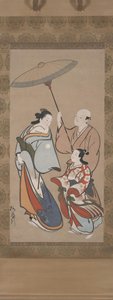
Courtesan in a Procession
 Ink
Ink- WallArt
- Ukiyo-e
 1720
1720- Early Modern
 89.0 x 44.0 cm
 Кимбелл Арт-музей
 Читать далее
Приобретите цифровое изображение высокого разрешения в улучшенном качестве, которое значительно превосходит онлайн-превью.
Каждый файл тщательно подготавливается нашими специалистами с использованием передовых инструментов и экспертной ручной ретуши. Мы гарантируем исключительную четкость, точную цветопередачу и детальную проработку каждого изображения.
Финальный файл доставляется по электронной почте в течение 72 часов и оптимизирован для немедленного использования в профессиональной среде, при верстке и печати. Это тот же уровень качества, которому доверяют ведущие дизайнерские студии, издательства и галереи.
Цифровое изображение
Скачайте файл высокого разрешения для личного использования, печати и творческих проектов. ( Перейти к печати Купить картину ручной работы)
Включено в каждый заказ цифровых изображений
Гарантия экспертной цифровой доставки
Выбирая ArtsDot.com, вы получаете не просто изображение — вы приобретаете профессионально обработанное цифровое произведение искусства, созданное с безупречной точностью и под защитой гарантии качества. Вот всё, что автоматически входит в ваш заказ:

Мгновенная доставка по e-mail
Ваш цифровой файл в высоком разрешении будет отправлен вам по электронной почте в течение 72 часов после оформления заказа — и сразу станет доступен для использования.

Цифровой файл с ИИ-улучшением
Ваше произведение искусства проходит профессиональную оптимизацию с использованием передовых инструментов ИИ и ручной обработки, что гарантирует максимальную детализацию, четкость и точность цветопередачи.

Бессрочная бесплатная повторная доставка
Случайно удалили или потеряли файл? Не беспокойтесь — мы отправим его вам повторно в любое время и совершенно бесплатно.

Без импортных пошлин — навсегда
Наслаждайтесь вашим произведением искусства мгновенно без таможенных пошлин, сборов или затрат на доставку — цифровые загрузки всегда не облагаются налогом.

Гарантия точности цветопередачи
Мы гарантируем, что ваше цифровое изображение максимально точно передает оригинальные цвета благодаря использованию профессиональных инструментов и систем управления цветом.

Гарантия удовлетворенности 100 дней
Если вы не будете удовлетворены своим цифровым изображением, мы внесем правки или вернем 100% стоимости в течение 100 дней — без лишних вопросов.

100% Гарантия возврата средств
Не удовлетворены покупкой? Получите полный возврат средств в течение 100 дней после получения цифрового файла — без лишних вопросов.

Скидки на оптовые заказы
Купите 3 изображения, сэкономьте 10% — Купите 5, сэкономьте 15% — Купите 10+, сэкономьте 20%. Отличное решение для творческих проектов, галерей и агентств.
Похожие произведения
Биография художника
The Resurgence of Elegance: The Life and Legacy of Hasegawa Eishun
In the vibrant, ephemeral world of Edo-period Japan, few artists captured the delicate pulse of the "floating world" with as much refined grace as Hasegawa Eishun. Known variously by names such as Baiōken Nagaharu and Takeda Harunobu, Eishun emerged during a transformative era for ukiyo-e art. While the mid-18th century was often characterized by a shift toward bolder, more experimental styles, Eishun acted as a vital bridge to the past, spearheading a sophisticated revival of the Kaigetsudō school. His work did not merely document the fashions of his time; it breathed new life into a lineage of beauty that had faced decline following the exile of its founder, Ando Kaigetsudō.
The origins of Eishun’s mastery are deeply rooted in the artistic traditions of Tokyo. Though much of his early life remains shrouded in the mists of history, it is widely understood that he was born into a world where art and commerce were becoming inextricably linked. Emerging as a student under the respected master Masanobu, Eishun inherited a foundational command of line and composition. This apprenticeship provided him with the technical vocabulary necessary to execute bijinga—paintings of beautiful women—with a level of precision that would become his hallmark. As he matured, he transitioned from the simple signature of "Eishun" to more elaborate artistic names, a testament to his growing prestige and the expanding reach of his creative vision.
A Master of Form and Subtle Emotion
What distinguishes Eishun’s oeuvre from his contemporaries is a unique departure from the standard tropes of the era. While many artists sought to capture the flamboyant energy of the pleasure districts, Eishun pursued a more contemplative aesthetic. His figures, particularly the women in his bijinga, possess a striking physical presence; scholars such as Richard Lane have noted that his subjects often appear taller, slimmer, and imbued with a more serious, dignified expression than those of his peer Matsuno Chikanobu. This subtle shift toward a more statuesque and somber beauty allowed his work to resonate with a sense of quiet grandeur.
His technical repertoire was remarkably diverse, spanning both the delicate medium of woodblock prints and the more opulent format of full-color hanging scroll paintings. In these works, Eishun demonstrated an unparalleled ability to manipulate color and light. He was particularly celebrated for his use of luminous palettes, often incorporating soft, evocative shades reminiscent of plum blossoms. His compositions frequently moved beyond mere portraiture, capturing women engaged in the quiet rhythms of daily life—reading poetry, playing musical instruments, or lost in moments of solitary reflection. Through these scenes, he transformed the ephemeral subjects of the floating world into timeless icons of grace.
Historical Significance and Artistic Heritage
The historical importance of Hasegawa Eishun lies in his role as a guardian of tradition during a period of rapid stylistic evolution. By adhering to the core principles of the Kaigetsudō school—meticulous naturalism and subtle tonal gradations—he ensured that the refined elegance of the early ukiyo-e movement was not lost to the more aggressive styles of the later Edo period. His ability to balance the classical demands of his lineage with a fresh, modern sensibility allowed him to thrive amidst a rising merchant class that hungered for art reflecting both status and sophistication.
Today, Eishun’s legacy is preserved through the enduring beauty of his prints and scrolls, which continue to offer a window into the soul of 18th-century Japan. His contributions can be summarized by several key artistic achievements:
- Revival of the Kaigetsudō Aesthetic: He played a central role in restoring the prestige of a school that had faltered after 1714.
- Refinement of Bijinga: He introduced a more dignified, slender, and serious anatomical style to the depiction of beautiful women.
- Mastery of Color: His use of subtle, luminous palettes created an atmosphere of understated luxury and emotional depth.
- Versatility of Medium: His prolific output across both woodblock illustrations and fine hanging scrolls expanded the reach of ukiyo-e art.
In the grand tapestry of Japanese art history, Hasegawa Eishun remains a pivotal figure—an artist who looked backward to honor his masters while looking forward to define a new standard of elegance for generations to come.
Основные сведения
- Artistic Movement Or Style: Kaigetsudō school
- Artists Or Movements Influenced By This Artist: ['Kaigetsudō Ando']
- Artists Who Influenced This Artist: ['Matsuno Chikanobu']
- Date Of Birth: (Tokyo)
- Date Of Death: (Living)
- Full Name: Hasegawa Eishun 長谷川永春
- Nationality: Japanese
- Notable Artworks: ['Courtesan in a Procession']
- Place Of Birth: Tokyo, Japan