

 Предпросмотр
 Поделиться
 Поделиться
 Детали произведения

 Скачать
 Похожие работы
 Рентгенография
 Слайд-шоу
 Статистика
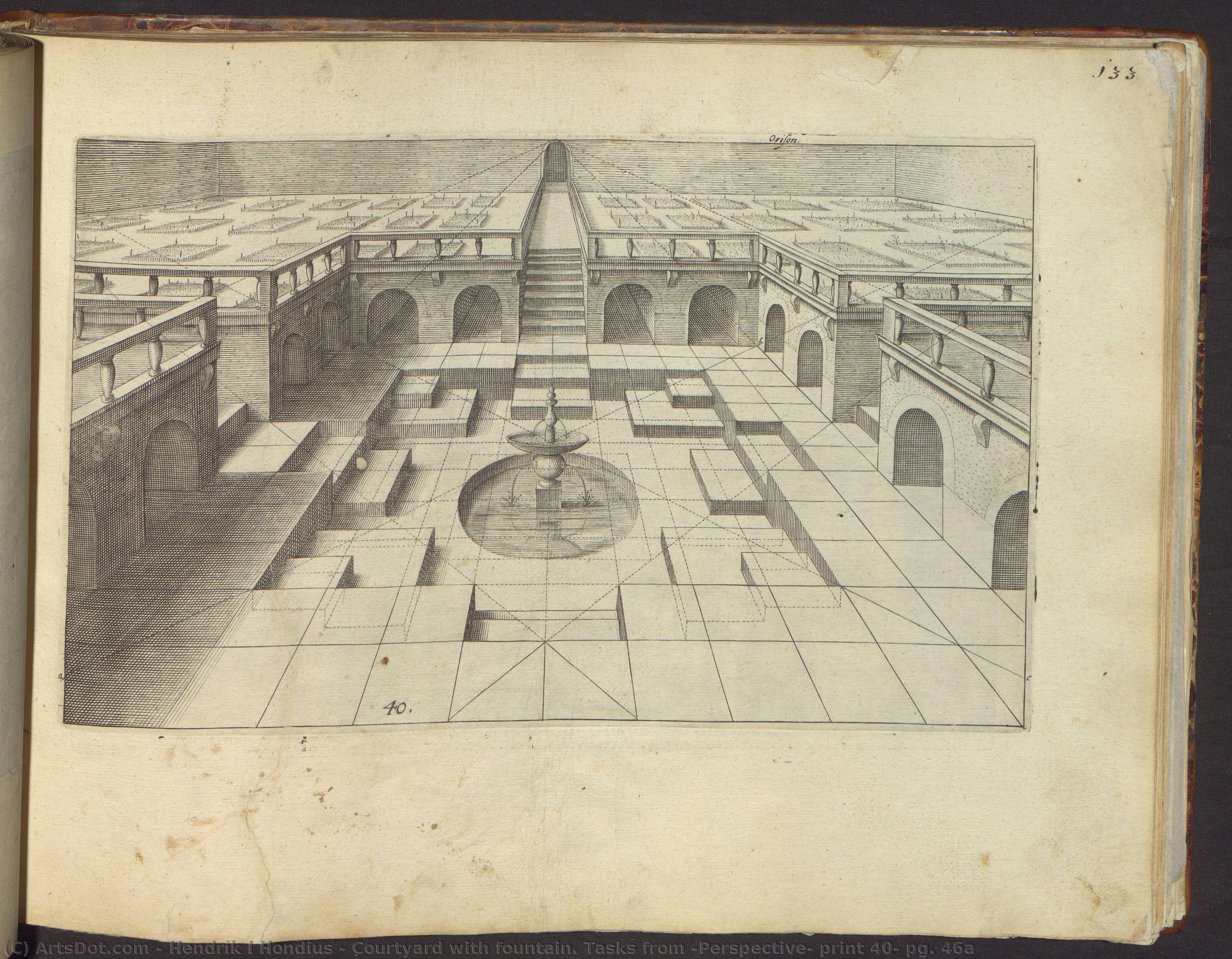
Courtyard with fountain. Tasks from “Perspective” print 40, pg. 46a


 Читать далее
Жикле / Арт-принт
Печать (жикле) или холст музейного качества с быстрыми сроками изготовления и широким выбором вариантов отделки. ( Купить картину ручной работы Перейти к цифровым изображениям)




P118B $10

P118H $10

P118W $10

P438Z $10

P508JH $12

P508YH $12

P805H $10

P805Z $10

P919BZ $10

P919G $10

P919XJ $10

P959ZH $10

P968JZ $12

W106C $8

W218G $10

W218JH $8

W218Y $10

W307PJ $10

W316G $10

W316PJ $8

W316Y $10

W398PJ $8

W4111J $10

W500HY $15

W500JH $15

W692G $12

W849H $8

W940BG $15

W953PJ $8




Выберите один из наших стандартных размеров, соответствующих оригинальным пропорциям произведения искусства.

Вы можете указать свои собственные размеры, чтобы репродукция идеально подошла под конкретную раму или пространство. Если выбранный вами размер не будет соответствовать пропорциям оригинала, мы либо обрежем произведение, либо дополним изображение зеркальным отражением краев или однотонной заливкой. Перед началом производства вам будет отправлен цифровой макет для утверждения.
Пожалуйста, обратите внимание, что предварительный просмотр на экране не отображает фактическую обрезку или расширение изображения. Только макет точно покажет финальную композицию.
Несмотря на возможность заказа индивидуальных размеров, мы рекомендуем выбирать размер из предопределенного списка, чтобы сохранить оригинальные пропорции.
Доставка по всему миру () за 2 недели вместо стандартных 4/5 недель. (12 Сентябрь)

Бесплатная экспресс-доставка по всему миру

Высококачественный льняной холст

Полное страхование доставки

Гарантия возмещения таможенных пошлин

Гарантия точного соответствия цветов

100-дневная политика возврата (только при обнаружении дефектов)

Гарантия возврата 100% средств

Предложение оптовых скидок
 Вариант со стеклом доступен только для размеров менее 110 см

Courtyard with fountain. Tasks from “Perspective” print 40, pg. 46a
Жикле / Арт-принт
Размер репродукции
-


Итоговая стоимость
$ 62
A Window into Renaissance Harmony: Exploring Hendrik Hondius’s Courtyard with Fountain
The engraving “Courtyard with fountain,” attributed to Hendrik Hondius I (1573 – 1650), stands as a testament to the meticulous craftsmanship and intellectual fervor characteristic of the Dutch Golden Age. Produced in 1604, this artwork transcends mere visual representation; it embodies the humanist ideals prevalent during its time—a fascination with proportion, perspective, and idealized beauty rooted in classical antiquity. Hondius’s skill lay not only in capturing a serene architectural scene but also in elevating it to an emblem of order and contemplation.- Subject Matter: The composition depicts a courtyard adorned with a central fountain—a motif frequently employed in Renaissance gardens to symbolize purity, abundance, and divine grace.
- Style & Technique: Hondius’s engraving exemplifies the Linear Perspective style championed by artists like Leonardo da Vinci. Precise lines converge at vanishing points, creating an illusion of depth that convincingly replicates the spatial arrangement of the courtyard. The artist skillfully utilized hatching and cross-hatching to render textures—the weathered stone of the arches and pillars, the flowing water of the fountain—adding realism and enhancing the overall aesthetic experience.
- Symbolism: The fountain serves as more than just an ornamental element; it symbolizes regeneration and spiritual purification—themes central to Renaissance theology. Its placement at the courtyard's heart underscores its role as a focal point for visual harmony and intellectual contemplation.
- Emotional Impact: Viewing “Courtyard with fountain” evokes feelings of tranquility, serenity, and admiration for human ingenuity. The engraving’s meticulous detail invites viewers to immerse themselves in an imagined space—a place where beauty and order reign supreme, mirroring the humanist aspiration for a harmonious relationship between humanity and nature.
Похожие произведения
Биография художника
A Life Etched in Time: The World of Hendrik Hondius I
Hendrik Hondius I, a name resonant within the annals of Dutch Golden Age artistry, was far more than simply an engraver or cartographer; he was a pivotal figure in shaping visual culture and artistic discourse. Born as Hendrik de Hondt in 1573 in Duffel, Belgium, his journey reflects a fascinating migration of talent and innovation from the Southern Netherlands to the burgeoning Republic, where he would leave an indelible mark on printmaking and publishing. His father, Guillam de Hondt, a philologist, instilled within young Hendrik an early appreciation for scholarship – a foundation that would prove crucial in his later endeavors. This intellectual upbringing was complemented by formal artistic training, beginning with goldsmith Godfried van Ghelder in Antwerp, followed by studies under the esteemed engraver Jan Wierix. Hondius didn’t limit himself to purely artistic pursuits; he actively sought knowledge of mathematics, perspective, architecture and fortifications from masters like Hans Vredeman de Vries and Samuel Marelois, demonstrating a remarkably holistic approach to his craft. Even before establishing himself in The Hague around 1597, travels through Cologne, London, and Paris broadened his horizons, exposing him to diverse artistic currents that would inform his unique style.Forging a Path: Career and Artistic Achievements
The arrival of Hendrik Hondius I in The Hague marked the true beginning of his ascent. He swiftly integrated into the local artists’ guild and secured his first commission – a portrait of Prince Maurits, signaling an immediate acceptance within influential circles. However, it was the acquisition of a general printing privilege from the States General of the Netherlands in 1599 that truly cemented his position as a leading figure. This unprecedented grant—the first of its kind until bestowed upon Peter Paul Rubens—granted him exclusive rights to publish and protect his work throughout the Dutch Republic, fostering an environment for innovation and expansion. This privilege allowed Hondius to establish a thriving publishing house, becoming a central hub for artistic production and dissemination. Yet, it is perhaps his *Pictorum aliquot celebrium praecipue Germaniae inferioris Effigies*, published in 1610, that remains his most celebrated achievement. This collection of sixty-nine portraits of artists wasn’t merely a catalog; it was an active intervention in the construction of artistic canon. Hondius built upon earlier works like Dominicus Lampsonius's publication, updating and expanding the recognized pantheon of Netherlandish painters, subtly shifting perceptions and solidifying reputations for generations to come. Beyond portraiture, Hondius also demonstrated considerable skill in cartography, further showcasing his versatility as an artist and publisher.Influences and Artistic Development
The artistic lineage of Hendrik Hondius I is clearly visible when examining his work. The technical precision and meticulous detail evident in his early engravings are a direct inheritance from his teacher, Jan Wierix. Wierix’s influence instilled within him a dedication to craftsmanship that would characterize his entire career. Simultaneously, the architectural and mathematical training under Hans Vredeman de Vries provided Hondius with a firm grasp of perspective and spatial relationships, lending a structural integrity to his compositions. His engagement with Dominicus Lampsonius' earlier work on artist portraits wasn’t simply imitative; it was a critical dialogue, an attempt to refine and expand upon existing narratives within art history. However, perhaps the most significant influence was the burgeoning print culture of the Dutch Republic itself. Hondius didn’t merely participate in this environment—he actively shaped it, pioneering new publishing practices and leveraging privileges to protect his creations. He understood the power of dissemination, recognizing that prints could democratize access to art and ideas, fostering a wider appreciation for artistic expression.A Lasting Legacy
Hendrik Hondius I’s historical significance extends far beyond the beauty of his engravings or the accuracy of his maps. His *Pictorum…* series remains a crucial document for understanding the evolving artistic landscape of the Netherlands and Lower Germany, offering invaluable insights into contemporary perceptions of artistic merit. His acquisition of a general printing privilege wasn't just a personal triumph; it set a precedent for future artists and publishers, establishing a framework for intellectual property rights within the Dutch Republic. Moreover, Hondius’s legacy was carried forward by his sons, Willem and Hendrik II, who continued to operate the family business, ensuring that the Hondius name remained synonymous with quality printmaking and publishing for decades to come. He wasn't simply an artist; he was a cultural entrepreneur, a facilitator of artistic exchange, and a key architect of the Dutch Golden Age’s vibrant visual world. His work continues to captivate and inspire, offering a glimpse into a pivotal moment in art history—a time when innovation, scholarship, and artistic expression converged to create something truly extraordinary.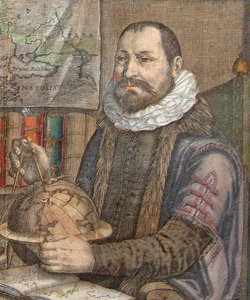
Hendrik Hondius
1573 - 1650 , Belgium
Основные сведения
- Artistic Movement Or Style: Golden Age engraving
- Artists Or Movements Influenced By This Artist: ['Netherlandish painting']
- Artists Who Influenced This Artist:
- Jan Wierix
- Hans Vredeman de Vries
- Date Of Birth: 1573
- Date Of Death: 1650
- Full Name: Hendrik Hondius I
- Nationality: Dutch
- Notable Artworks:
- Pictorum...
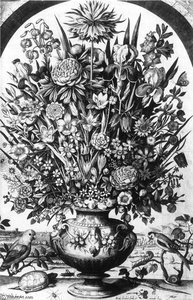
- Flower Piece with Birds
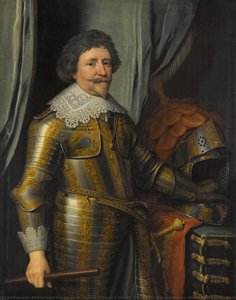
- William I, Prince Of Orange
- Granada And Murcia Map
- Place Of Birth: Duffel, Belgium
Похожие статьи
Engraving: A Historical Survey of Technique, Artistic Expression & Enduring Legacy
Explore the rich history of engraving with ArtsDot. Discover techniques, iconic artists like Dürer & Callot, collecting tips, and expert guidance for preserving your art investment. Learn about intaglio printing & more!
The Intricate World of Engraving: A Historical Survey of Technique, Artistic Expression & Enduring Legacy
Explore the rich history of engraving with ArtsDot. Discover techniques, iconic artists like Dürer & Callot, collecting tips, and expert guidance for preserving your art investment. Learn about intaglio printing & more!
Johan Hendrik Weissenbruch: Capturing Dutch Light & Atmosphere – A Master of Realism
Discover Johan Hendrik Weissenbruch (1824-1903), a leading Dutch Hague School painter renowned for his atmospheric watercolours & oil landscapes. Explore his beautiful depictions of the Dutch countryside and skies – a master of light & detail.
Hendrick Goltzius: Master Engraver & the Flourishing of Dutch Mannerism
Explore the life & art of Hendrick Goltzius, a master engraver of Dutch Mannerism. Discover his innovative techniques, iconic engravings like 'Jahel', and lasting influence on Baroque art. Learn about collecting Goltzius today.
10 шедевров гравюры, изменивших искусство навсегда | ArtsDot
Откройте для себя 10 легендарных шедевров гравюры от Дюрера, Гойи и Рембрандта! Узнайте историю создания этих культовых работ и их влияние на искусство. Репродукции высокого качества для вашего интерьера – ArtsDot.