

 Предпросмотр
 Поделиться
 Поделиться
 Детали произведения

 Скачать
 Похожие работы
 Рентгенография
 Слайд-шоу
 Статистика
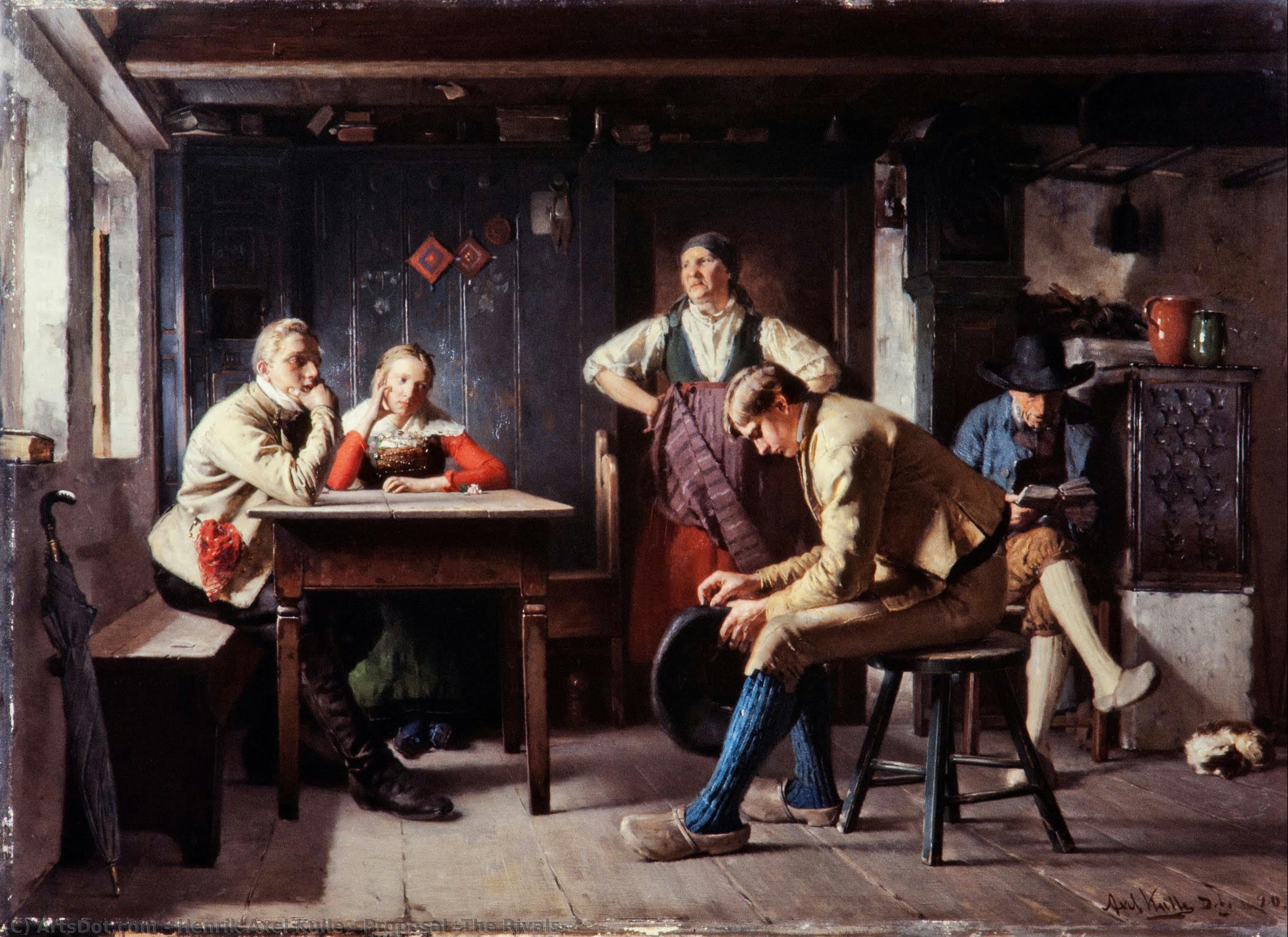
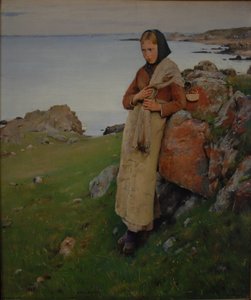
Proposal (The Rivals)
 2.0 x 73.0 cm
 Hallwyl Museum
 Читать далее
Приобретите цифровое изображение высокого разрешения в улучшенном качестве, которое значительно превосходит онлайн-превью.
Каждый файл тщательно подготавливается нашими специалистами с использованием передовых инструментов и экспертной ручной ретуши. Мы гарантируем исключительную четкость, точную цветопередачу и детальную проработку каждого изображения.
Финальный файл доставляется по электронной почте в течение 72 часов и оптимизирован для немедленного использования в профессиональной среде, при верстке и печати. Это тот же уровень качества, которому доверяют ведущие дизайнерские студии, издательства и галереи.
Цифровое изображение
Скачайте файл высокого разрешения для личного использования, печати и творческих проектов. ( Перейти к печати Купить картину ручной работы)
Включено в каждый заказ цифровых изображений
Гарантия экспертной цифровой доставки
Выбирая ArtsDot.com, вы получаете не просто изображение — вы приобретаете профессионально обработанное цифровое произведение искусства, созданное с безупречной точностью и под защитой гарантии качества. Вот всё, что автоматически входит в ваш заказ:

Мгновенная доставка по e-mail
Ваш цифровой файл в высоком разрешении будет отправлен вам по электронной почте в течение 72 часов после оформления заказа — и сразу станет доступен для использования.

Цифровой файл с ИИ-улучшением
Ваше произведение искусства проходит профессиональную оптимизацию с использованием передовых инструментов ИИ и ручной обработки, что гарантирует максимальную детализацию, четкость и точность цветопередачи.

Бессрочная бесплатная повторная доставка
Случайно удалили или потеряли файл? Не беспокойтесь — мы отправим его вам повторно в любое время и совершенно бесплатно.

Без импортных пошлин — навсегда
Наслаждайтесь вашим произведением искусства мгновенно без таможенных пошлин, сборов или затрат на доставку — цифровые загрузки всегда не облагаются налогом.

Гарантия точности цветопередачи
Мы гарантируем, что ваше цифровое изображение максимально точно передает оригинальные цвета благодаря использованию профессиональных инструментов и систем управления цветом.

Гарантия удовлетворенности 100 дней
Если вы не будете удовлетворены своим цифровым изображением, мы внесем правки или вернем 100% стоимости в течение 100 дней — без лишних вопросов.

100% Гарантия возврата средств
Не удовлетворены покупкой? Получите полный возврат средств в течение 100 дней после получения цифрового файла — без лишних вопросов.

Скидки на оптовые заказы
Купите 3 изображения, сэкономьте 10% — Купите 5, сэкономьте 15% — Купите 10+, сэкономьте 20%. Отличное решение для творческих проектов, галерей и агентств.
Похожие произведения







Биография художника
Giuseppe De Nittis: Bridging Salon Grandeur and Impressionistic Light
Giuseppe De Nittis (1846-1884) stands as a pivotal figure in 19th-century Italian art, a painter whose career skillfully navigated the currents of academic tradition and the burgeoning innovations of Impressionism. Born in Barletta, a vibrant port city in Southern Italy, his artistic journey was deeply intertwined with the social and political landscape of his homeland – a region grappling with unification and simmering with revolutionary fervor. De Nittis’s work isn't simply a collection of landscapes; it’s a poignant reflection of his era, imbued with both the formality of Salon painting and the fleeting beauty captured by Impressionistic light.
His early artistic training began under Giovanni Battista Calò in Barletta, an environment steeped in local tradition. However, De Nittis's outspoken nature – fueled by his father’s opposition to the Bourbon monarchy – led to his expulsion from the prestigious Reale Istituto di Belle Arti in Naples. This experience, rather than a setback, proved formative, forcing him to develop his artistic voice independently and ultimately leading him to embrace a more direct engagement with nature. This rejection of rigid academic constraints would become a defining characteristic of his later work.
- Early Influences: Calò’s instruction provided a foundation in classical composition, while the vibrant atmosphere of Barletta – its bustling port and the imposing Basilica of the Holy Sepulcher – instilled a deep appreciation for light and color.
- The Macchiaioli Connection: De Nittis's relocation to Florence marked his encounter with the Macchiaioli movement, a group of Italian painters who championed direct observation and the use of “dry brush” techniques to capture fleeting effects of light. This association profoundly influenced his approach to landscape painting.
- Parisian Sojourn: A move to Paris in 1867 proved crucial. Freed from the constraints of a commercial contract, De Nittis was able to fully explore his artistic vision, experimenting with looser brushwork and capturing the atmospheric qualities of light and shadow – hallmarks of Impressionism.
The Palette of Southern Italy: Landscapes as Social Commentary
De Nittis’s landscapes are far more than mere depictions of scenery; they are imbued with a strong sense of place and often carry subtle social commentary. His paintings frequently portray the rugged beauty of his native Apulia, capturing its dramatic coastlines, rolling hills, and olive groves. However, these landscapes aren't presented in an idealized manner. Instead, De Nittis reveals the realities of rural life – the toil of farmers, the poverty of the peasantry, and the stark contrast between wealth and hardship.
His most famous works, such as *Che freddo!* (It’s So Cold!), are not simply atmospheric studies; they are imbued with a sense of melancholy and social awareness. The painting depicts a solitary figure huddled against the cold, suggesting the vulnerability and isolation experienced by those living on the margins of society. The use of muted colors and broken brushstrokes creates a palpable atmosphere of discomfort and unease, reflecting the difficult conditions faced by many in Southern Italy.
- Vesuvius as Symbol: De Nittis repeatedly depicted Mount Vesuvius, not just as a geological wonder but also as a symbol of both beauty and potential destruction – mirroring the turbulent political and social climate of his time.
- The Role of Light: He masterfully employed light to convey mood and atmosphere, utilizing broken brushstrokes and contrasting colors to create a sense of immediacy and dynamism.
Bridging Styles: A Synthesis of Tradition and Innovation
De Nittis’s artistic style is characterized by a remarkable synthesis of traditional academic techniques with the innovations of Impressionism. He retained a strong grounding in classical composition, employing careful attention to detail and perspective – hallmarks of Salon painting. However, he also embraced the Impressionistic emphasis on capturing fleeting moments of light and color, utilizing looser brushwork and brighter palettes. This blending of styles resulted in a unique artistic voice that is both elegant and emotionally resonant.
His work can be seen as a bridge between the formal traditions of Italian painting and the emerging trends of European art. He was influenced by artists such as Courbet, Millet, and Monet, but he always maintained his own distinctive style – one rooted in his Southern Italian heritage and shaped by his personal experiences.
Legacy and Historical Significance
Giuseppe De Nittis’s career was tragically cut short at the age of 37 due to illness. Despite a relatively brief period of intense activity, he left behind a significant body of work that continues to be admired for its beauty, emotional depth, and social awareness. His paintings offer valuable insights into the history and culture of Southern Italy during a period of profound transformation.
De Nittis’s legacy extends beyond his individual artistic achievements. He played a crucial role in introducing Impressionistic techniques to Italian painting, paving the way for subsequent generations of artists. His work remains an important example of how art can be used to explore social and political issues while simultaneously celebrating the beauty of the natural world.
henrik axel kulle
1846 - 1908 , Sweden
Основные сведения
- Artistic Movement Or Style:
- Salon art
- Impressionism
- Artists Or Movements Influenced By This Artist:
- Macchiaioli
- Impressionism
- Artists Who Influenced This Artist:
- Giovanni Battista Calò
- Telemaco Signorini
- Date Of Birth: February 25, 1846
- Date Of Death: August 21, 1884
- Full Name: Giuseppe De Nittis
- Nationality: Italian
- Notable Artworks:
- Che freddo!
- Young Greeks at a Cockfight
- Place Of Birth: Barletta, Italy