 Предпросмотр
 Поделиться
 Поделиться
 Детали произведения

 Скачать
 Похожие работы
 Рентгенография
 Слайд-шоу
 Статистика
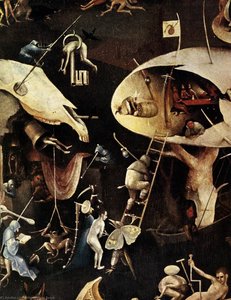
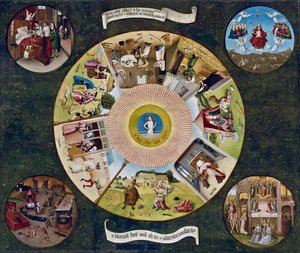
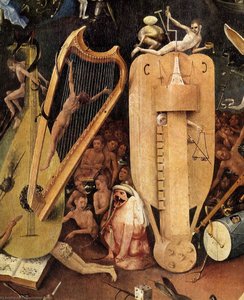
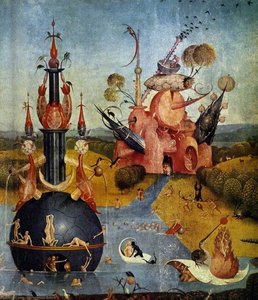
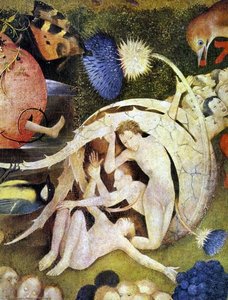
Триптих «Сад земных наслаждений» (деталь) (23)


 Читать далее
Масляная репродукция ручной работы
Картина маслом на холсте в выбранном вами размере и раме, написанная на заказ нашими художниками. ( Перейти к печати Перейти к цифровым изображениям)




P118B $10

P118H $10

P118W $10

P438Z $10

P508JH $12

P508YH $12

P805H $10

P805Z $10

P919BZ $10

P919G $10

P919XJ $10

P959ZH $10

P968JZ $12

W106C $8

W218G $10

W218JH $8

W218Y $10

W307PJ $10

W316G $10

W316PJ $8

W316Y $10

W398PJ $8

W4111J $10

W500HY $15

W500JH $15

W692G $12

W849H $8

W940BG $15

W953PJ $8




Выберите один из наших стандартных размеров, соответствующих оригинальным пропорциям произведения искусства.

Вы можете указать собственные размеры, чтобы картина идеально вписалась в выбранную раму или пространство. Если выбранный вами размер не соответствует пропорциям оригинала, мы либо обрежем полотно, либо расширим его за счет дополнительных элементов, написанных вручную. Цифровой макет будет отправлен вам на утверждение перед началом производства.
Обратите внимание, что предварительный просмотр на экране не отражает фактическую обрезку или расширение. Только макет точно покажет окончательную композицию.
Хотя доступны индивидуальные размеры, мы рекомендуем выбирать вариант из предопределенного списка, чтобы сохранить исходные пропорции.
После оформления заказа команда ArtsDot.com свяжется с клиентом по электронной почте для уточнения деталей и предоставит предварительный макет
Доставка по всему миру () за 3–4 недели вместо стандартных 5 недель. (10 Сентябрь). Без компромиссов в качестве.

Бесплатная экспресс-доставка по всему миру

Высококачественный льняной холст

Полное страхование доставки

Гарантия возмещения таможенных пошлин

Гарантия точного соответствия цветов

100-дневная политика возврата (только при обнаружении дефектов)

Гарантия возврата 100% средств

Предложение оптовых скидок
 Вариант со стеклом доступен только для размеров менее 110 см

Триптих «Сад земных наслаждений» (деталь) (23)
Техника репродукции
Размер репродукции
-


Итоговая стоимость
$ 263
Погружение в упоительную тьму
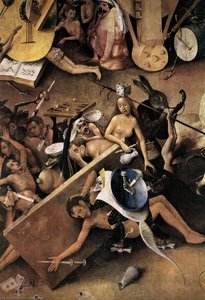
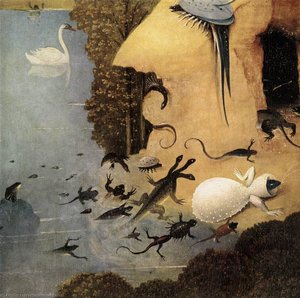
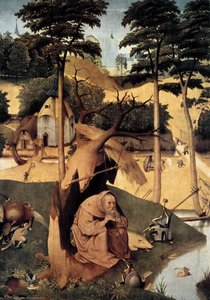
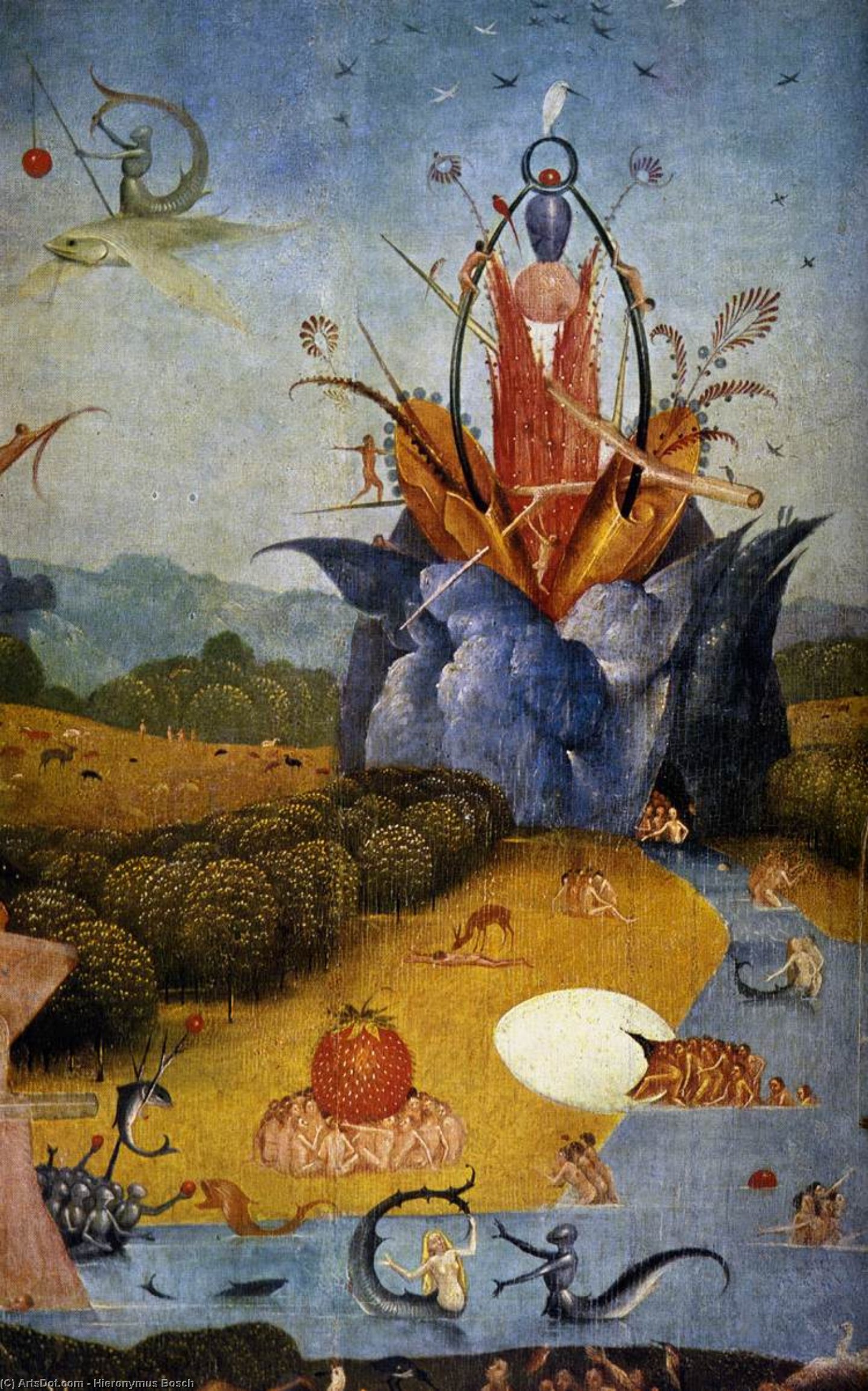
Триптих Иеронима Босха «Сад земных наслаждений» является одним из самых монументальных и загадочных достижений Северного Возрождения — произведением, которое продолжает преследовать и очаровывать современное воображение. Написанный около 1500 года в Нидерландах, этот шедевр выходит за рамки простого визуального повествования; он погружает зрителя в царство тревожной фантазии и глубокой моральной аллегории. Представленный здесь фрагмент предлагает интимный взгляд на виртуозную технику Босха, приглашая нас созерцать сложное полотно образов, вплетенных в его масштабную композицию. Это окно в мир, где границы между божественным и демоническим постоянно размыты, что делает этот фрагмент непреодолимым центром притяжения для любой коллекции, посвященной глубоким тайнам истории искусств.
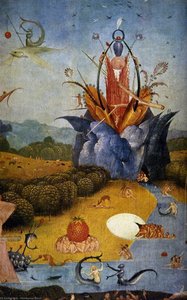
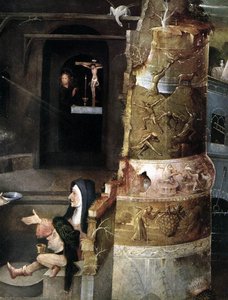
В этом завораживающем фрагменте мы сталкиваемся со сценой сюрреалистической красоты и скрытого напряжения. Женщина величественно восседает на колоссальной скале, ее присутствие кажется незыблемым посреди ландшафта причудливых существ. Рядом с ней примостилась птица, которая может служить символом божественной благодати или, напротив, эмблемой земного искушения. Композиция населена целым зверинцем странностей: из теней проступают лев и дракон, олицетворяющие первобытные силы, угрожающие духовному равновесию. Тщательное расположение фигур создает ощущение движения и повествовательной глубины, увлекая взгляд сквозь пейзаж, где каждый элемент — от крошечного насекомого до крупнейшего мифического зверя — играет свою роль в грандиозном видении человеческого существования, предложенном Босхом.
Мастерство техники и символизма
Созерцать эту работу — значит быть свидетелем вершины нидерландской точности. Босх использовал гризайль — монохромную технику с применением масляных пигментов на дубовых панелях — для достижения поразительной текстурной глубины и сияния. Скрупулезное наслоение краски демонстрирует его преданность реализму в совершенно нереальном контексте, улавливая мельчайшие детали, которые усиливают тревожную атмосферу произведения. Это техническое совершенство гарантирует, что даже в репродукции игра света и тени остается осязаемой, предлагая тактильное качество, способное преобразить атмосферу изысканного интерьера.
Помимо визуального великолепия, картина представляет собой густые заросли символизма, призванные спровоцировать самопознание. Присутствие яйца в этой сцене служит мощной эмблемой плодородия, возрождения и божественного провидения, однако в мире Босха подобные символы часто несут двойные смыслы, бросающие вызов восприятию зрителя. Его гуманистическое убеждение — что искусство должно нести моральный урок — отчетливо прослеживается в каждом мазке кисти. Для искушенного коллекционера или дизайнера интерьера это произведение предлагает нечто большее, чем просто украшение; оно становится смысловым центром, приглашающим к бесконечным интерпретациям и интеллектуальному диалогу.
Вечное наследие для современного коллекционера
Эмоциональное воздействие видений Босха поистине трансформирующее. В его работе чувствуется определенная тяжесть — груз истории и духовного поиска, который требует внимания в любом пространстве. Будь то интерес к сюрреалистическим предвестникам, обнаруженным в его призрачных ландшафтах, или восхищение техническим мастерством его ренессансного обучения, этот фрагмент триптиха дарит беспрецедентный эстетический опыт. Это произведение не просто висит на стене, оно активно взаимодействует с окружающим пространством, отбрасывая тень тайны и свет глубокой красоты.
Для тех, кто стремится создать коллекцию высококачественных репродукций, эта работа представляет собой возможность прикоснуться к фрагменту самой стойкой загадки в истории искусства. Это идеальный выбор для пространств, где ценятся глубина, сложность и выразительная сила неожиданного. Включение такого шедевра в домашнюю или галерейную обстановку — это акт сохранения возвышенного, залог того, что лихорадочные сны Иеронима Босха будут продолжать внушать трепет грядущим поколениям.
Похожие произведения
Биография художника
Hieronymus Bosch: A Netherlandish Enigma
Born around 1450 in the vibrant, bustling town of ’s-Hertogenbosch in the Netherlands—then part of Brabant—Hieronymus Bosch, originally Jheronimus van Aken, remains one of art history’s most compelling and mysterious figures. His world was steeped in late medieval religious fervor, folklore, and a growing sense of societal unease, all of which would profoundly shape his uniquely unsettling artistic vision. Coming from a family with a long tradition of painting—his grandfather, Jan van Aken, and father, Anthonius van Aken, were both artists—Bosch likely received his earliest training within the family workshop, absorbing the techniques and conventions of Netherlandish painting. However, even in his formative years, he began to diverge from established norms, hinting at the extraordinary imagination that would define his career. Biographical details are frustratingly scarce; records are fragmented, leaving much open to speculation and interpretation, adding to the aura of mystique surrounding both the man and his work. He married Aleyt Goyaerts van den Meerveen sometime before 1481, a union that provided him with some financial security through her family’s holdings, but little else is known about their personal life. His years were spent primarily in ’s-Hertogenbosch, where he worked as a painter for wealthy patrons and the church, creating a remarkable body of work that continues to fascinate and challenge viewers today.Fantastical Visions and Symbolic Depths
Bosch's artistic style is instantly recognizable—a captivating blend of meticulous detail and wildly imaginative imagery. He primarily worked with oil on oak panels, demonstrating a masterful command of the medium, achieving luminous colors and intricate textures. While his early works show influences from traditional Netherlandish painting, particularly in their realism and attention to detail, he quickly moved beyond mere imitation, developing a profoundly original vision. His paintings are not simply representations of reality; they are allegorical landscapes populated by bizarre creatures, hybrid beings, and unsettling scenes that seem plucked from dreams—or nightmares. Religious themes form the core of much of his work, but these are rarely straightforward depictions of biblical stories. Instead, Bosch uses symbolism to explore complex moral and theological concepts, often focusing on the dangers of sin, the fragility of earthly pleasures, and the inevitability of divine judgment. His creatures—grotesque demons, fantastical animals, and strangely human figures—are not merely decorative elements; they are embodiments of vice, temptation, and spiritual corruption. The blending of the sacred and the profane, the beautiful and the grotesque, creates a uniquely unsettling effect that continues to captivate viewers centuries later. He frequently employed a technique of *trompe-l'oeil*, creating illusions of depth and perspective within his densely populated scenes, further enhancing their surreal quality.Masterpieces of Moral Allegory
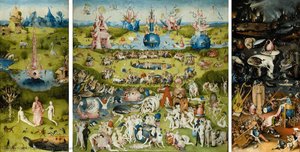
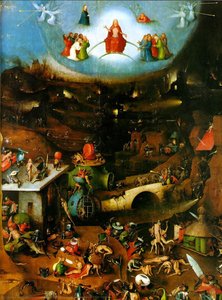
Among Bosch’s most celebrated achievements is The Garden of Earthly Delights (c. 1490-1510), a triptych that remains one of the most enigmatic and debated works in art history. When opened, it presents a panoramic vision of paradise, earthly life, and hell—a complex allegorical representation of humanity’s fall from grace. The left panel depicts the Garden of Eden, teeming with fantastical creatures and lush vegetation; the central panel portrays a world consumed by sensual pleasure and unrestrained desire; and the right panel offers a terrifying glimpse into the torments of hell. The Triptych of the Last Judgement (c. 1480-1490) is another powerful example of his skill in portraying both heavenly bliss and infernal torment, while *The Ascent of the Blessed* (c. 1480-1490) demonstrates his ability to create ethereal and dreamlike scenes. Even smaller works like *Epiphany* (c. 1495) showcase his innovative use of oil on wood and complex symbolism, revealing a mind constantly grappling with profound questions about faith, morality, and the human condition. These works are not easily interpreted; Bosch deliberately leaves much open to the viewer’s imagination, encouraging contemplation and debate about their meaning.Influences and Artistic Context
Identifying Bosch’s direct influences is a challenging task, given the originality of his vision. Scholars suggest possible connections to medieval folklore—particularly tales of demons and devils—religious texts—particularly those emphasizing apocalyptic themes—and the prevailing anxieties of the time, including fears of heresy and social upheaval. The work of earlier Netherlandish painters, such as Pieter Bruegel the Elder, undoubtedly informed his style, but Bosch transcended mere imitation, forging a uniquely personal and unsettling vision. It’s believed that he drew inspiration from illuminated manuscripts, woodcuts, and even popular prints, incorporating these diverse sources into his own distinctive imagery. The intellectual climate of the late 15th century—marked by religious reform movements and growing skepticism towards established authority—likely contributed to Bosch's preoccupation with moral transgression and spiritual corruption.Legacy and Enduring Influence
Bosch’s work has had a profound and lasting impact on art history. Pieter Bruegel the Elder directly followed in his footsteps, adopting similar themes and compositional techniques, while later movements, such as Surrealism, also drew inspiration from Bosch’s dreamlike imagery and exploration of the subconscious. Artists like Salvador Dalí and Max Ernst openly acknowledged their debt to his unsettling visions. Even today, Bosch's work continues to fascinate and provoke debate, solidifying his place as a master of Netherlandish painting and a visionary artist whose influence extends far beyond his own time. His paintings offer valuable insights into the religious, social, and psychological climate of the late 15th and early 16th centuries, challenging conventional norms and paving the way for new forms of artistic expression. He died in 1516, leaving behind a body of work that continues to haunt and inspire, ensuring his enduring legacy as one of art history’s most singular and unforgettable voices.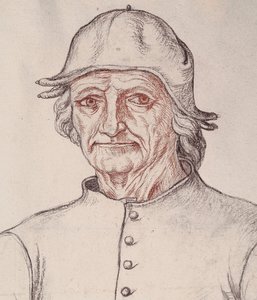
Еронимий Босх
1450 - 1516 , Нидерланды
Основные сведения
- Artistic Movement Or Style: Сюрреализм, Символизм
- Artists Or Movements Influenced By This Artist: ['Питер Брюггель Старший']
- Date Of Birth: ок. 1450 г.
- Date Of Death: 1516 г.
- Full Name: Иероним Босх
- Nationality: Нидерландский
- Notable Artworks:
- Сад земных наслаждений
- Последний суд
- Восхождение блаженных
- Place Of Birth: Домбош, Нидерланды
Похожие статьи
Unveiling Hidden Meanings: Allegory in Western Art History
Explore the rich history of allegory in Western art! Discover hidden meanings in masterpieces from Giotto to Bosch & beyond. Expert insights for collectors and enthusiasts at ArtsDot.
Dreamscapes & Disrupted Realities: Exploring Surrealism's Enduring Influence
Explore the fascinating world of Surrealism! Discover its origins, key artists like Dalí & Magritte, and enduring influence on art & culture. Expert insights & high-quality reproductions at ArtsDot.
Pop Surrealism: A Collision of Culture, Dreams & the Subconscious in Post-War Art
Explore the captivating world of Pop Surrealism with ArtsDot. Discover key artists like George Condo & Robert Williams, investment potential, and the movement's cultural impact. Expert insights for collectors.
Топ-10 шедевров Северного Возрождения: искусство для вашего дома от ArtsDot.com
Погрузитесь в мир Северного Возрождения! Откройте 10 шедевров Ван Эйка, Дюрера и других великих художников. Узнайте историю создания культовых картин и вдохновитесь для декора вашего дома с ArtsDot.com. Explore the full collection online!
The Northern Renaissance: A Flourishing of Realism, Religious Reform & Artistic Innovation
Explore the Northern Renaissance! Discover Jan van Eyck's innovations, religious shifts, & key artists of this influential period. Expert analysis and insights into Early Netherlandish painting at ArtsDot.