Предпросмотр
 Поделиться
 Поделиться
 Детали произведения

 Скачать
 Похожие работы
 Рентгенография
 Слайд-шоу
 Статистика
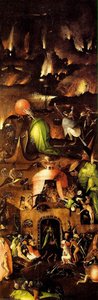
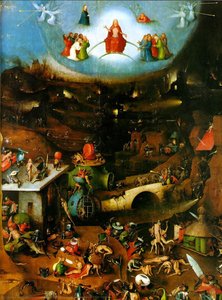
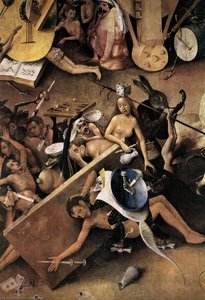
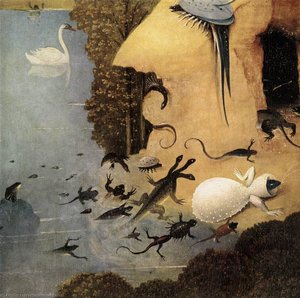
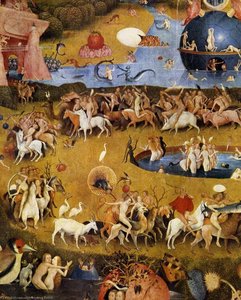
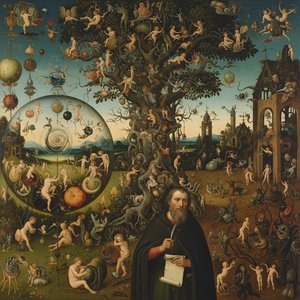
The Garden of Earthly Delights (detail) (35)


 Читать далее
Масляная репродукция ручной работы
Картина маслом на холсте в выбранном вами размере и раме, написанная на заказ нашими художниками. ( Перейти к печати Перейти к цифровым изображениям)




P118B $10

P118H $10

P118W $10

P438Z $10

P508JH $12

P508YH $12

P805H $10

P805Z $10

P919BZ $10

P919G $10

P919XJ $10

P959ZH $10

P968JZ $12

W106C $8

W218G $10

W218JH $8

W218Y $10

W307PJ $10

W316G $10

W316PJ $8

W316Y $10

W398PJ $8

W4111J $10

W500HY $15

W500JH $15

W692G $12

W849H $8

W940BG $15

W953PJ $8




Выберите один из наших стандартных размеров, соответствующих оригинальным пропорциям произведения искусства.

Вы можете указать собственные размеры, чтобы картина идеально вписалась в выбранную раму или пространство. Если выбранный вами размер не соответствует пропорциям оригинала, мы либо обрежем полотно, либо расширим его за счет дополнительных элементов, написанных вручную. Цифровой макет будет отправлен вам на утверждение перед началом производства.
Обратите внимание, что предварительный просмотр на экране не отражает фактическую обрезку или расширение. Только макет точно покажет окончательную композицию.
Хотя доступны индивидуальные размеры, мы рекомендуем выбирать вариант из предопределенного списка, чтобы сохранить исходные пропорции.
После оформления заказа команда ArtsDot.com свяжется с клиентом по электронной почте для уточнения деталей и предоставит предварительный макет
Доставка по всему миру () за 3–4 недели вместо стандартных 5 недель. (14 Сентябрь). Без компромиссов в качестве.

Бесплатная экспресс-доставка по всему миру

Высококачественный льняной холст

Полное страхование доставки

Гарантия возмещения таможенных пошлин

Гарантия точного соответствия цветов

100-дневная политика возврата (только при обнаружении дефектов)

Гарантия возврата 100% средств

Предложение оптовых скидок
 Вариант со стеклом доступен только для размеров менее 110 см

The Garden of Earthly Delights (detail) (35)
Техника репродукции
Размер репродукции
-


Итоговая стоимость
$ 263
A Visionary Tapestry of Chaos and Wonder
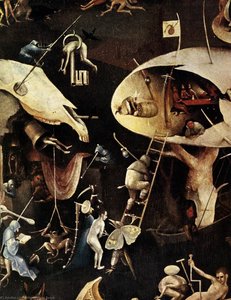
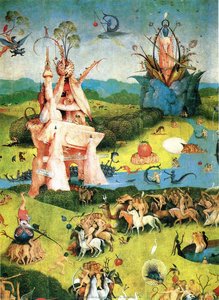
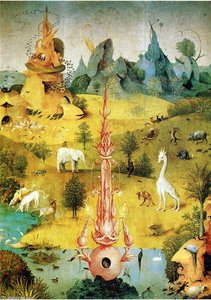
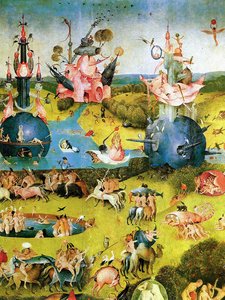
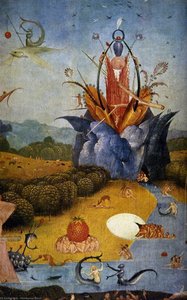
To gaze upon a detail from Hieronymus Bosch’s The Garden of Earthly Delights is to step directly into a fever dream of the late Middle Ages. This particular fragment serves as a window into one of the most complex and debated masterpieces in the history of Western art. In this intricate scene, the boundaries between reality and hallucination dissolve, replaced by a lush, teeming landscape where the natural world is reimagantly distorted. The viewer is immediately swept into a whirlwind of movement, where horses, exotic birds, and delicate insects dance alongside human figures in a state of perpetual, enigmatic motion. It is a composition that demands slow contemplation, rewarding the eye with endless discoveries hidden within its dense, vibrant layers.
The artistry of Bosch lies in his ability to marry meticulous Netherlandish precision with an almost surrealist imagination. Each brushstroke contributes to a texture so fine that it feels as though one could reach out and touch the skin of a giant fruit or the iridescent wing of a dragonfly. The technique, characteristic of the Northern Renaissance, utilizes a brilliant palette of greens, blues, and fleshy tones to create a sense of depth and vitality. For the collector or interior designer, this piece offers more than mere decoration; it provides a focal point of profound intellectual stimulation. Its ability to command attention through sheer detail makes it an unparalleled centerpiece for a gallery-style room or a sophisticated study where conversation and thought are encouraged.
Symbolism and the Subconscious Mind
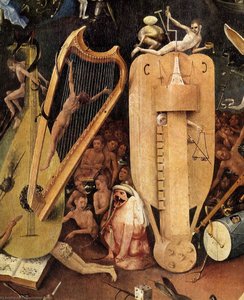
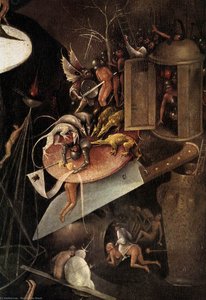
Beyond its visual splendor, this work is a labyrinth of symbolism that has captivated scholars for centuries. Bosch was a master of using the mundane to represent the profound; an apple, an orange, or a cluster of berries are not merely snacks within this garden, but potent emblems of temptation, fertility, and the fleeting nature of earthly pleasure. The presence of animals—some familiar, others monstrously hybrid—serves as a cryptic language of morality and folly. As one wanders through the details, the interplay between the innocent and the grotesque creates a tension that is both unsettling and deeply alluring. It is this very duality that gives the painting its enduring emotional impact, evoking a sense of wonder mixed with a haunting awareness of human vulnerability.
For those seeking to bring a piece of art history into their personal spaces, a high-quality reproduction of this detail offers an opportunity to inhabit Bosch's enigmatic world. The painting does not merely sit upon a wall; it breathes life into a room, acting as a portal to a time when the line between the divine and the demonic was exquisitely thin. Whether placed in a contemporary setting to provide a striking contrast or in a classical environment to complement its historical weight, this artwork remains a timeless testament to the boundless reaches of human creativity.
Похожие произведения
Биография художника
Hieronymus Bosch: A Netherlandish Enigma
Born around 1450 in the vibrant, bustling town of ’s-Hertogenbosch in the Netherlands—then part of Brabant—Hieronymus Bosch, originally Jheronimus van Aken, remains one of art history’s most compelling and mysterious figures. His world was steeped in late medieval religious fervor, folklore, and a growing sense of societal unease, all of which would profoundly shape his uniquely unsettling artistic vision. Coming from a family with a long tradition of painting—his grandfather, Jan van Aken, and father, Anthonius van Aken, were both artists—Bosch likely received his earliest training within the family workshop, absorbing the techniques and conventions of Netherlandish painting. However, even in his formative years, he began to diverge from established norms, hinting at the extraordinary imagination that would define his career. Biographical details are frustratingly scarce; records are fragmented, leaving much open to speculation and interpretation, adding to the aura of mystique surrounding both the man and his work. He married Aleyt Goyaerts van den Meerveen sometime before 1481, a union that provided him with some financial security through her family’s holdings, but little else is known about their personal life. His years were spent primarily in ’s-Hertogenbosch, where he worked as a painter for wealthy patrons and the church, creating a remarkable body of work that continues to fascinate and challenge viewers today.Fantastical Visions and Symbolic Depths
Bosch's artistic style is instantly recognizable—a captivating blend of meticulous detail and wildly imaginative imagery. He primarily worked with oil on oak panels, demonstrating a masterful command of the medium, achieving luminous colors and intricate textures. While his early works show influences from traditional Netherlandish painting, particularly in their realism and attention to detail, he quickly moved beyond mere imitation, developing a profoundly original vision. His paintings are not simply representations of reality; they are allegorical landscapes populated by bizarre creatures, hybrid beings, and unsettling scenes that seem plucked from dreams—or nightmares. Religious themes form the core of much of his work, but these are rarely straightforward depictions of biblical stories. Instead, Bosch uses symbolism to explore complex moral and theological concepts, often focusing on the dangers of sin, the fragility of earthly pleasures, and the inevitability of divine judgment. His creatures—grotesque demons, fantastical animals, and strangely human figures—are not merely decorative elements; they are embodiments of vice, temptation, and spiritual corruption. The blending of the sacred and the profane, the beautiful and the grotesque, creates a uniquely unsettling effect that continues to captivate viewers centuries later. He frequently employed a technique of *trompe-l'oeil*, creating illusions of depth and perspective within his densely populated scenes, further enhancing their surreal quality.Masterpieces of Moral Allegory
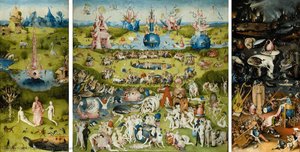
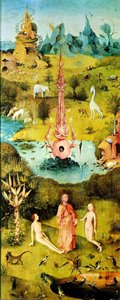
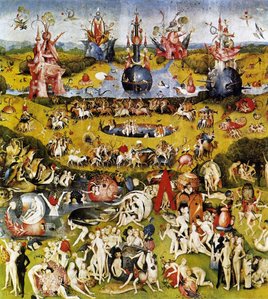
Among Bosch’s most celebrated achievements is The Garden of Earthly Delights (c. 1490-1510), a triptych that remains one of the most enigmatic and debated works in art history. When opened, it presents a panoramic vision of paradise, earthly life, and hell—a complex allegorical representation of humanity’s fall from grace. The left panel depicts the Garden of Eden, teeming with fantastical creatures and lush vegetation; the central panel portrays a world consumed by sensual pleasure and unrestrained desire; and the right panel offers a terrifying glimpse into the torments of hell. The Triptych of the Last Judgement (c. 1480-1490) is another powerful example of his skill in portraying both heavenly bliss and infernal torment, while *The Ascent of the Blessed* (c. 1480-1490) demonstrates his ability to create ethereal and dreamlike scenes. Even smaller works like *Epiphany* (c. 1495) showcase his innovative use of oil on wood and complex symbolism, revealing a mind constantly grappling with profound questions about faith, morality, and the human condition. These works are not easily interpreted; Bosch deliberately leaves much open to the viewer’s imagination, encouraging contemplation and debate about their meaning.Influences and Artistic Context
Identifying Bosch’s direct influences is a challenging task, given the originality of his vision. Scholars suggest possible connections to medieval folklore—particularly tales of demons and devils—religious texts—particularly those emphasizing apocalyptic themes—and the prevailing anxieties of the time, including fears of heresy and social upheaval. The work of earlier Netherlandish painters, such as Pieter Bruegel the Elder, undoubtedly informed his style, but Bosch transcended mere imitation, forging a uniquely personal and unsettling vision. It’s believed that he drew inspiration from illuminated manuscripts, woodcuts, and even popular prints, incorporating these diverse sources into his own distinctive imagery. The intellectual climate of the late 15th century—marked by religious reform movements and growing skepticism towards established authority—likely contributed to Bosch's preoccupation with moral transgression and spiritual corruption.Legacy and Enduring Influence
Bosch’s work has had a profound and lasting impact on art history. Pieter Bruegel the Elder directly followed in his footsteps, adopting similar themes and compositional techniques, while later movements, such as Surrealism, also drew inspiration from Bosch’s dreamlike imagery and exploration of the subconscious. Artists like Salvador Dalí and Max Ernst openly acknowledged their debt to his unsettling visions. Even today, Bosch's work continues to fascinate and provoke debate, solidifying his place as a master of Netherlandish painting and a visionary artist whose influence extends far beyond his own time. His paintings offer valuable insights into the religious, social, and psychological climate of the late 15th and early 16th centuries, challenging conventional norms and paving the way for new forms of artistic expression. He died in 1516, leaving behind a body of work that continues to haunt and inspire, ensuring his enduring legacy as one of art history’s most singular and unforgettable voices.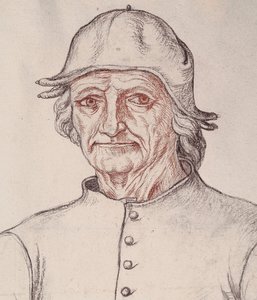
Еронимий Босх
1450 - 1516 , Нидерланды
Основные сведения
- Artistic Movement Or Style: Сюрреализм, Символизм
- Artists Or Movements Influenced By This Artist: ['Питер Брюггель Старший']
- Date Of Birth: ок. 1450 г.
- Date Of Death: 1516 г.
- Full Name: Иероним Босх
- Nationality: Нидерландский
- Notable Artworks:
- Сад земных наслаждений
- Последний суд
- Восхождение блаженных
- Place Of Birth: Домбош, Нидерланды
Похожие статьи
High Medieval Art: 10 Masterpieces That Shaped an Era | ArtsDot
Journey through High Medieval Art! Explore 10 iconic masterpieces – from Giotto's frescoes to stunning Gothic cathedrals. Discover the stories behind these timeless paintings, sculptures & illuminated manuscripts. Find museum-quality art reproductions at ArtsDot.com.
The Bountiful Still Life: Symbolism & Artistic Representation of Fruit Across Art History
Explore the rich history of still life painting & the symbolism of fruit across art movements. Discover masterpieces from Caravaggio to Cézanne with ArtsDot – expert guidance & museum-quality reproductions.
Cultivating Paradise: A Historical & Artistic Exploration of Gardens in Painting
Explore the rich history of gardens in painting! Discover masterpieces from Renaissance to Impressionism & beyond. Learn about symbolism, artists like Monet & Klimt, and find your perfect artwork at ArtsDot.
Иероним Босх: Топ-25 шедевров гения нидерландской живописи | ArtsDot
Погрузитесь в мир гения Иеронима Босха! 25 культовых картин нидерландского Ренессанса, полных символизма и фантастических образов. Узнайте историю создания шедевров и найдите идеальную репродукцию для вашего интерьера на ArtsDot.com.
Hieronymus Bosch: Decoding the Visions of a Netherlandish Master
Explore the captivating world of Hieronymus Bosch! Delve into the symbolism, religious context, and artistic innovation of this Netherlandish master with ArtsDot's expert analysis. Discover his iconic paintings & lasting influence.