 Предпросмотр
 Поделиться
 Поделиться
 Детали произведения

 Скачать
 Похожие работы
 Рентгенография
 Слайд-шоу
 Статистика
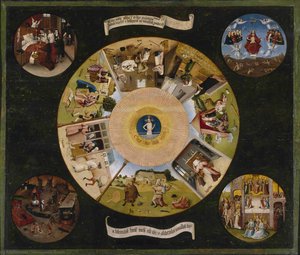
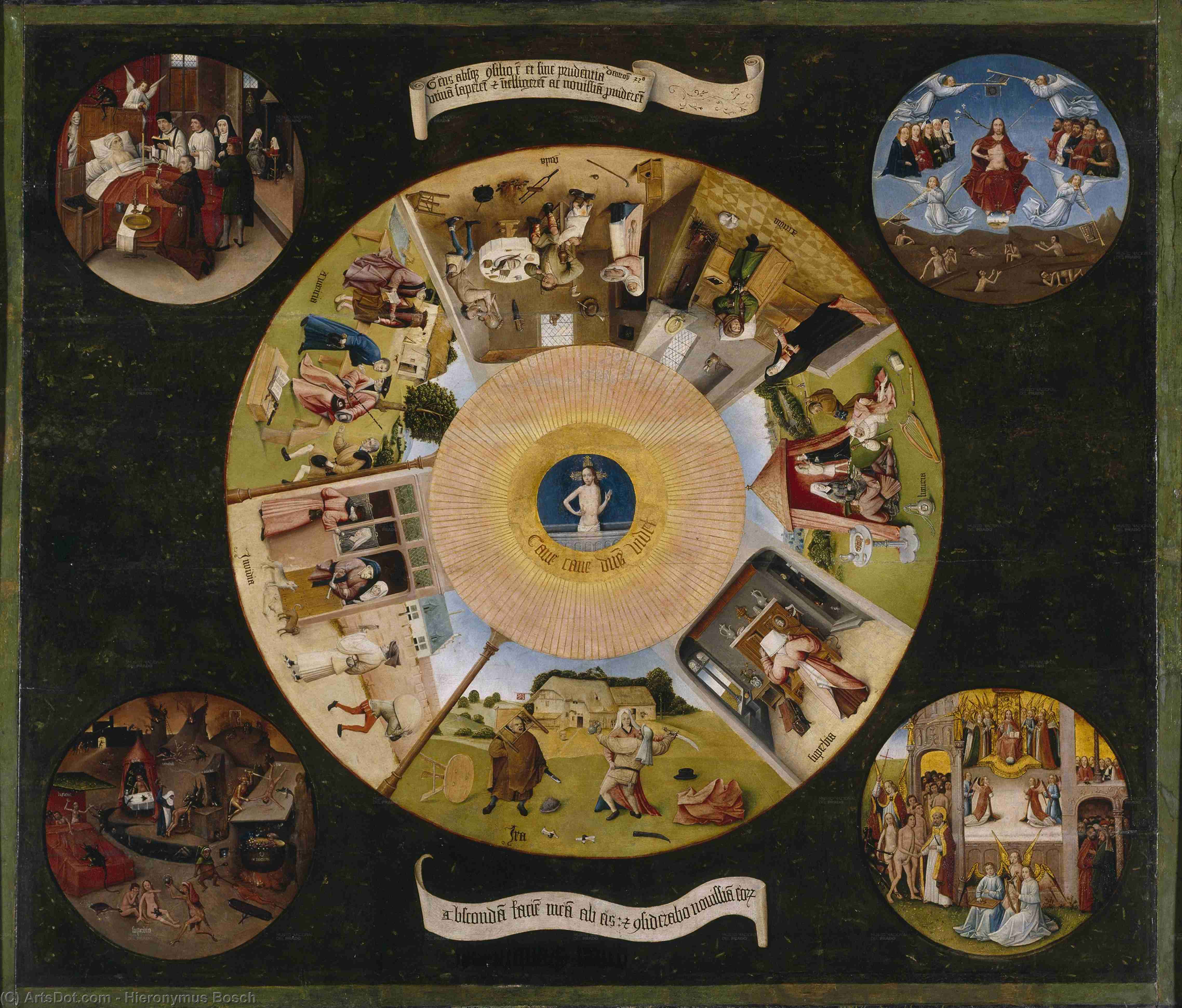
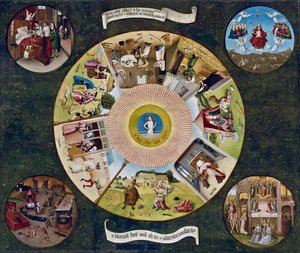
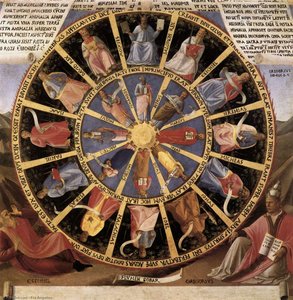
Семь Дьявольских Грехов и Четыре Последних Веления
 Яичная темпера на деревянной панели
- Early Netherlandish Painting
 1480
1480- — Позднее Средневековье
 120.0 x 150.0 cm
 Музей Прадо
 Читать далее
Масляная репродукция ручной работы
Картина маслом на холсте в выбранном вами размере и раме, написанная на заказ нашими художниками. ( Перейти к печати Перейти к цифровым изображениям)




P118B $10

P118H $10

P118W $10

P438Z $10

P508JH $12

P508YH $12

P805H $10

P805Z $10

P919BZ $10

P919G $10

P919XJ $10

P959ZH $10

P968JZ $12

W106C $8

W218G $10

W218JH $8

W218Y $10

W307PJ $10

W316G $10

W316PJ $8

W316Y $10

W398PJ $8

W4111J $10

W500HY $15

W500JH $15

W692G $12

W849H $8

W940BG $15

W953PJ $8




Выберите один из наших стандартных размеров, соответствующих оригинальным пропорциям произведения искусства.

Вы можете указать собственные размеры, чтобы картина идеально вписалась в выбранную раму или пространство. Если выбранный вами размер не соответствует пропорциям оригинала, мы либо обрежем полотно, либо расширим его за счет дополнительных элементов, написанных вручную. Цифровой макет будет отправлен вам на утверждение перед началом производства.
Обратите внимание, что предварительный просмотр на экране не отражает фактическую обрезку или расширение. Только макет точно покажет окончательную композицию.
Хотя доступны индивидуальные размеры, мы рекомендуем выбирать вариант из предопределенного списка, чтобы сохранить исходные пропорции.
После оформления заказа команда ArtsDot.com свяжется с клиентом по электронной почте для уточнения деталей и предоставит предварительный макет
Доставка по всему миру () за 3–4 недели вместо стандартных 5 недель. (10 Сентябрь). Без компромиссов в качестве.

Бесплатная экспресс-доставка по всему миру

Высококачественный льняной холст

Полное страхование доставки

Гарантия возмещения таможенных пошлин

Гарантия точного соответствия цветов

100-дневная политика возврата (только при обнаружении дефектов)

Гарантия возврата 100% средств

Предложение оптовых скидок
 Вариант со стеклом доступен только для размеров менее 110 см

Семь Дьявольских Грехов и Четыре Последних Веления
Техника репродукции
Размер репродукции
-


Итоговая стоимость
$ 263
Встреча с кошмаром и верой: «Семь смертных грехов» Яна Босха
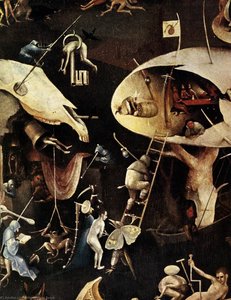
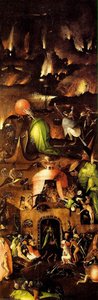
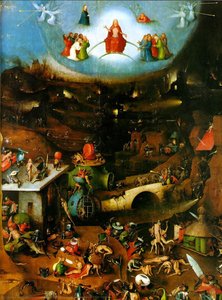
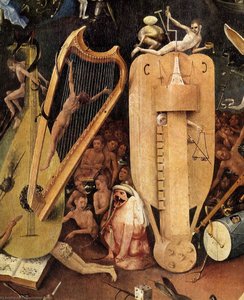
Перед нами не просто картина, а целая вселенная – мир тревожных снов, глубоких символов и неутолимой жажды познания. «Семь смертных грехов» (ок. 1480 года) Яна Босха, мастера из небольшого городка ‘с-Гертогенбош в Нидерландах, – это произведение искусства, которое не оставляет равнодушным ни одного зрителя. Это не просто изображение грехов; это зеркало, отражающее самые темные уголки человеческой души и одновременно предлагающее надежду на искупление.
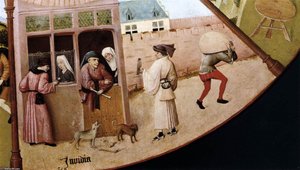
Картина поражает своей масштабностью и детализацией. В центре внимания – огромный, вращающийся колесо судьбы, словно символ непредсказуемости жизни и ее постоянных перемен. Вокруг него, в миниатюрных сценах, разворачивается история человечества: от роскошных пиров и богатых дворцов до нищеты, болезней и смерти. Босх мастерски использует перспективу, но не для создания иллюзии реалистичного пространства, а для подчеркивания важности каждого элемента в символической системе картины.
- Техника: Босх работал преимущественно с темпера или маслом на деревянных панелях. Его техника отличается поразительной точностью и вниманием к деталям – от изысканной ткани до мельчайших черт лица.
- Цветовая палитра: Художник использует насыщенные, но приглушенные цвета – глубокие красные, синие, зеленые и золотые, которые создают атмосферу таинственности и тревоги.
- Материалы: Деревянная панель, темпера или масло.
Символизм и аллегория: Расшифровка кошмарного мира
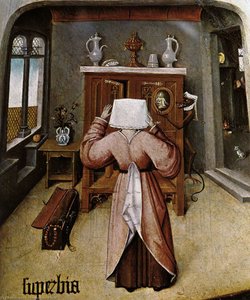
Каждое сектор колеса судьбы представляет собой отдельный грех – гордыню, жадность, гнев, зависть, похоть, леность и трусость. Босх не просто изображает эти пороки; он показывает их последствия – разрушение, страдание, духовную пустоту. Например, в сцене с жадностью мы видим человека, задыхающегося под грузом золотых монет, а в сцене с завистью – фигуру, окруженную змеями и окутанную мраком.
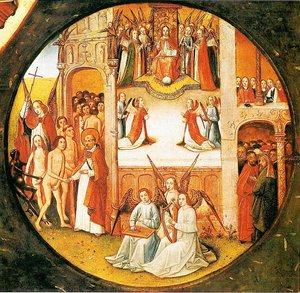
Однако картина не лишена надежды. В верхней части композиции изображены фигуры, стремящиеся к небесам, символизирующие путь к спасению. Внизу же – сцена суда, где грешники предстают перед Богом. Босх намекает на то, что даже самые отчаянные грешники могут быть прощены, если они искренне раскаиваются и обращаются к Богу.
Интересно отметить, что многие элементы картины имеют аллюзии на средневековую мораль и религиозную символику. Например, изображение львов и волков может символизировать зло и искусителей, а сцены с танцующими фигурами – похоть и грех.Ян Босх: Мастер мрака и света
Ян Босх был одним из самых оригинальных и загадочных художников эпохи Возрождения. Его работы отличаются уникальным сочетанием реализма и фантазии, мрачности и красоты. Босх жил в эпоху глубоких религиозных потрясений и социальных изменений, что отразилось в его творчестве. Многие исследователи считают, что его картины – это своеобразный манифест против лицемерия и духовной пустоты общества того времени.
Несмотря на то, что о жизни Босха известно немного, его влияние на искусство огромно. Его работы вдохновляли многих художников, писателей и музыкантов, а его картины до сих пор вызывают восхищение и трепет у зрителей всего мира. «Семь смертных грехов» – это не просто шедевр живописи; это окно в мир Босха, где реальность переплетается с фантазией, а добро и зло находятся в вечном противостоянии.
Воссоздание шедевра: Современные интерпретации
Сегодня картины Яна Босха пользуются огромной популярностью. Многие коллекционеры охотно покупают репродукции его работ, а музеи всего мира организуют выставки, посвященные этому гению. Воссоздание «Семь смертных грехов» в технике живописи – это сложная и трудоемкая задача, требующая от мастера не только художественного таланта, но и глубокого понимания символизма и техники Босха. Современные репродукции позволяют каждому из нас прикоснуться к миру этого великого художника и задуматься о вечных вопросах добра и зла, веры и сомнения.
Похожие произведения
Биография художника
Hieronymus Bosch: A Netherlandish Enigma
Born around 1450 in the vibrant, bustling town of ’s-Hertogenbosch in the Netherlands—then part of Brabant—Hieronymus Bosch, originally Jheronimus van Aken, remains one of art history’s most compelling and mysterious figures. His world was steeped in late medieval religious fervor, folklore, and a growing sense of societal unease, all of which would profoundly shape his uniquely unsettling artistic vision. Coming from a family with a long tradition of painting—his grandfather, Jan van Aken, and father, Anthonius van Aken, were both artists—Bosch likely received his earliest training within the family workshop, absorbing the techniques and conventions of Netherlandish painting. However, even in his formative years, he began to diverge from established norms, hinting at the extraordinary imagination that would define his career. Biographical details are frustratingly scarce; records are fragmented, leaving much open to speculation and interpretation, adding to the aura of mystique surrounding both the man and his work. He married Aleyt Goyaerts van den Meerveen sometime before 1481, a union that provided him with some financial security through her family’s holdings, but little else is known about their personal life. His years were spent primarily in ’s-Hertogenbosch, where he worked as a painter for wealthy patrons and the church, creating a remarkable body of work that continues to fascinate and challenge viewers today.Fantastical Visions and Symbolic Depths
Bosch's artistic style is instantly recognizable—a captivating blend of meticulous detail and wildly imaginative imagery. He primarily worked with oil on oak panels, demonstrating a masterful command of the medium, achieving luminous colors and intricate textures. While his early works show influences from traditional Netherlandish painting, particularly in their realism and attention to detail, he quickly moved beyond mere imitation, developing a profoundly original vision. His paintings are not simply representations of reality; they are allegorical landscapes populated by bizarre creatures, hybrid beings, and unsettling scenes that seem plucked from dreams—or nightmares. Religious themes form the core of much of his work, but these are rarely straightforward depictions of biblical stories. Instead, Bosch uses symbolism to explore complex moral and theological concepts, often focusing on the dangers of sin, the fragility of earthly pleasures, and the inevitability of divine judgment. His creatures—grotesque demons, fantastical animals, and strangely human figures—are not merely decorative elements; they are embodiments of vice, temptation, and spiritual corruption. The blending of the sacred and the profane, the beautiful and the grotesque, creates a uniquely unsettling effect that continues to captivate viewers centuries later. He frequently employed a technique of *trompe-l'oeil*, creating illusions of depth and perspective within his densely populated scenes, further enhancing their surreal quality.Masterpieces of Moral Allegory
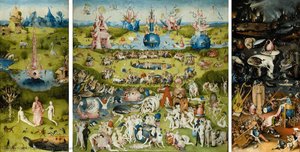
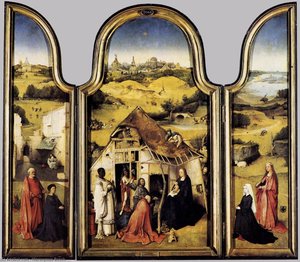
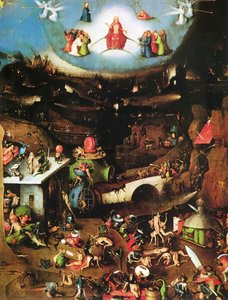
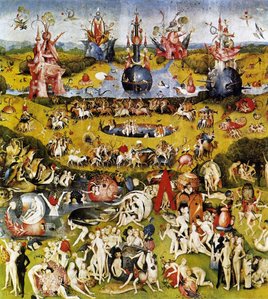
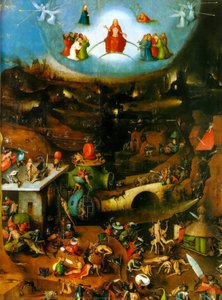
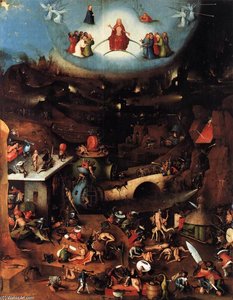
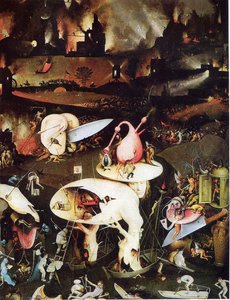
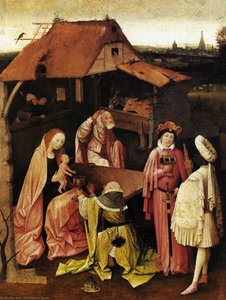
Among Bosch’s most celebrated achievements is The Garden of Earthly Delights (c. 1490-1510), a triptych that remains one of the most enigmatic and debated works in art history. When opened, it presents a panoramic vision of paradise, earthly life, and hell—a complex allegorical representation of humanity’s fall from grace. The left panel depicts the Garden of Eden, teeming with fantastical creatures and lush vegetation; the central panel portrays a world consumed by sensual pleasure and unrestrained desire; and the right panel offers a terrifying glimpse into the torments of hell. The Triptych of the Last Judgement (c. 1480-1490) is another powerful example of his skill in portraying both heavenly bliss and infernal torment, while *The Ascent of the Blessed* (c. 1480-1490) demonstrates his ability to create ethereal and dreamlike scenes. Even smaller works like *Epiphany* (c. 1495) showcase his innovative use of oil on wood and complex symbolism, revealing a mind constantly grappling with profound questions about faith, morality, and the human condition. These works are not easily interpreted; Bosch deliberately leaves much open to the viewer’s imagination, encouraging contemplation and debate about their meaning.Influences and Artistic Context
Identifying Bosch’s direct influences is a challenging task, given the originality of his vision. Scholars suggest possible connections to medieval folklore—particularly tales of demons and devils—religious texts—particularly those emphasizing apocalyptic themes—and the prevailing anxieties of the time, including fears of heresy and social upheaval. The work of earlier Netherlandish painters, such as Pieter Bruegel the Elder, undoubtedly informed his style, but Bosch transcended mere imitation, forging a uniquely personal and unsettling vision. It’s believed that he drew inspiration from illuminated manuscripts, woodcuts, and even popular prints, incorporating these diverse sources into his own distinctive imagery. The intellectual climate of the late 15th century—marked by religious reform movements and growing skepticism towards established authority—likely contributed to Bosch's preoccupation with moral transgression and spiritual corruption.Legacy and Enduring Influence
Bosch’s work has had a profound and lasting impact on art history. Pieter Bruegel the Elder directly followed in his footsteps, adopting similar themes and compositional techniques, while later movements, such as Surrealism, also drew inspiration from Bosch’s dreamlike imagery and exploration of the subconscious. Artists like Salvador Dalí and Max Ernst openly acknowledged their debt to his unsettling visions. Even today, Bosch's work continues to fascinate and provoke debate, solidifying his place as a master of Netherlandish painting and a visionary artist whose influence extends far beyond his own time. His paintings offer valuable insights into the religious, social, and psychological climate of the late 15th and early 16th centuries, challenging conventional norms and paving the way for new forms of artistic expression. He died in 1516, leaving behind a body of work that continues to haunt and inspire, ensuring his enduring legacy as one of art history’s most singular and unforgettable voices.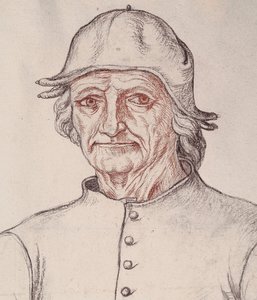
Еронимий Босх
1450 - 1516 , Нидерланды
Основные сведения
- Artistic Movement Or Style: Сюрреализм, Символизм
- Artists Or Movements Influenced By This Artist: ['Питер Брюггель Старший']
- Date Of Birth: ок. 1450 г.
- Date Of Death: 1516 г.
- Full Name: Иероним Босх
- Nationality: Нидерландский
- Notable Artworks:
- Сад земных наслаждений
- Последний суд
- Восхождение блаженных
- Place Of Birth: Домбош, Нидерланды
Похожие статьи
Иероним Босх: Топ-25 шедевров гения нидерландской живописи | ArtsDot
Погрузитесь в мир гения Иеронима Босха! 25 культовых картин нидерландского Ренессанса, полных символизма и фантастических образов. Узнайте историю создания шедевров и найдите идеальную репродукцию для вашего интерьера на ArtsDot.com.
Late Medieval Masterpieces: 10 Artworks That Defined an Era | ArtsDot
Journey through 10 defining Late Medieval masterpieces – from Giotto's frescoes to Jan van Eyck’s realism. Explore the stories, techniques & vibrant colors of Gothic art. Find museum-quality reproductions and elevate your home decor with ArtsDot.com! Discover all masterpieces on ArtsDot.com
Топ-25 шедевров Прадо: Искусство Веласкеса, Гойи и Эль Греко для вашего интерьера
Погрузитесь в мир шедевров Прадо! От Веласкеса до Гойи – история искусства Испании, барокко и знаменитые картины. Купите репродукции высокого качества для вашего интерьера на ArtsDot.com.
High Medieval Art: 10 Masterpieces That Shaped an Era | ArtsDot
Journey through High Medieval Art! Explore 10 iconic masterpieces – from Giotto's frescoes to stunning Gothic cathedrals. Discover the stories behind these timeless paintings, sculptures & illuminated manuscripts. Find museum-quality art reproductions at ArtsDot.com.
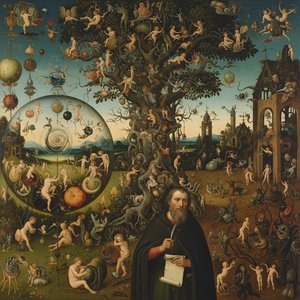
Hieronymus Bosch: Decoding the Visions of a Netherlandish Master
Explore the captivating world of Hieronymus Bosch! Delve into the symbolism, religious context, and artistic innovation of this Netherlandish master with ArtsDot's expert analysis. Discover his iconic paintings & lasting influence.