

 Предпросмотр
 Поделиться
 Поделиться
 Детали произведения

 Скачать
 Похожие работы
 Рентгенография
 Слайд-шоу
 Статистика
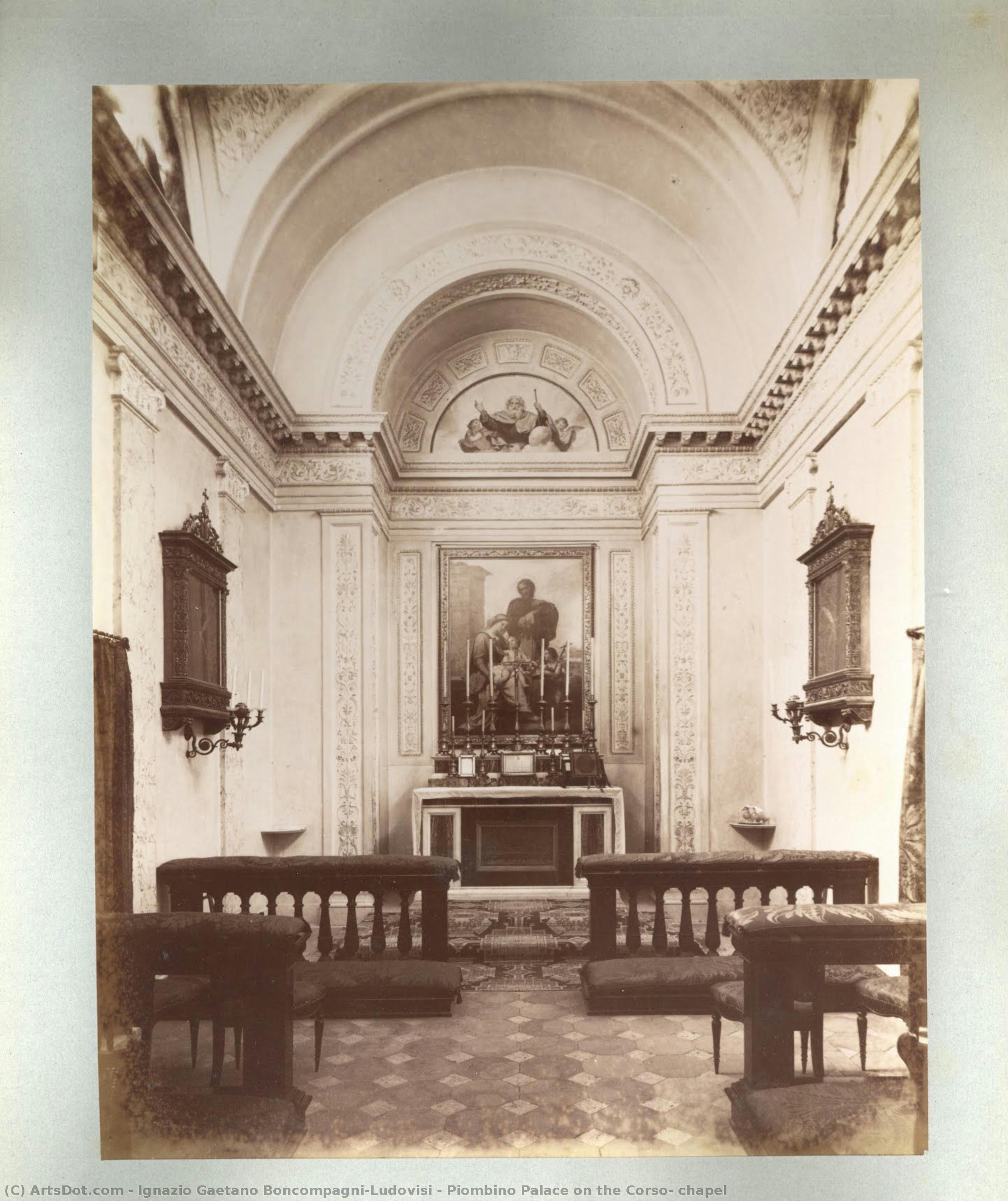
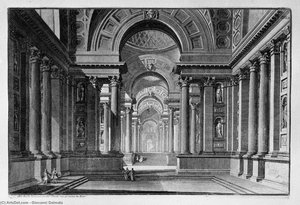
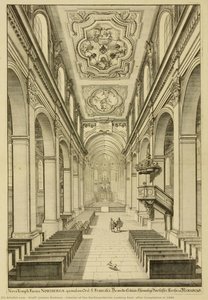
Piombino Palace on the Corso: chapel


 Читать далее
Масляная репродукция ручной работы
Картина маслом на холсте в выбранном вами размере и раме, написанная на заказ нашими художниками. ( Перейти к печати Перейти к цифровым изображениям)




































Выберите один из наших стандартных размеров, соответствующих оригинальным пропорциям произведения искусства.

Вы можете указать собственные размеры, чтобы картина идеально вписалась в выбранную раму или пространство. Если выбранный вами размер не соответствует пропорциям оригинала, мы либо обрежем полотно, либо расширим его за счет дополнительных элементов, написанных вручную. Цифровой макет будет отправлен вам на утверждение перед началом производства.
Обратите внимание, что предварительный просмотр на экране не отражает фактическую обрезку или расширение. Только макет точно покажет окончательную композицию.
Хотя доступны индивидуальные размеры, мы рекомендуем выбирать вариант из предопределенного списка, чтобы сохранить исходные пропорции.
После оформления заказа команда ArtsDot.com свяжется с клиентом по электронной почте для уточнения деталей и предоставит предварительный макет
Доставка по всему миру () за 3–4 недели вместо стандартных 5 недель. (13 Сентябрь). Без компромиссов в качестве.

Бесплатная экспресс-доставка по всему миру

Высококачественный льняной холст

Полное страхование доставки

Гарантия возмещения таможенных пошлин

Гарантия точного соответствия цветов

100-дневная политика возврата (только при обнаружении дефектов)

Гарантия возврата 100% средств

Предложение оптовых скидок
 Вариант со стеклом доступен только для размеров менее 110 см

Piombino Palace on the Corso: chapel
Техника репродукции
Размер репродукции
-


Итоговая стоимость
$ 263
Похожие произведения

Биография художника
Ignazio Gaetano Boncompagni-Ludovisi: A Roman Aristocrat and Master of Interior Detail
Born into a lineage steeped in papal power and aristocratic prestige, Ignazio Gaetano Boncompagni-Ludovisi (1743-1823) was more than just another member of Rome’s elite; he was a pivotal figure in shaping the city's visual landscape through his meticulous patronage of art and architecture. His life unfolded against the backdrop of shifting political alliances, papal intrigues, and the burgeoning fascination with interior design during the 18th and early 19th centuries. While often overshadowed by his more prominent relatives, Boncompagni-Ludovisi’s legacy lies primarily in his extraordinary collection of interiors – particularly those within Piombino Palace on the Corso – which offer a remarkably intimate glimpse into Roman aristocratic life and the era's evolving aesthetic sensibilities.
His early years were defined by a rigorous ecclesiastical education, reflecting the family’s deep-seated commitment to the Catholic Church. Educated at the Sapienza University of Rome, he pursued a doctorate in law, laying the foundation for his later career as a papal official and administrator. However, it was his artistic inclinations that truly set him apart. Unlike many members of his family who focused on political or military pursuits, Boncompagni-Ludovisi cultivated a profound appreciation for beauty and a keen eye for detail. This passion would ultimately drive his extensive collecting activities and shape the opulent interiors he so meticulously oversaw.
The Piombino Palace: A Canvas for Artistic Patronage
Piombino Palace, situated on the prestigious Corso Roma, served as Boncompagni-Ludovisi’s primary residence and a testament to his discerning taste. Originally built in the 16th century, it underwent significant renovations throughout the 18th and early 19th centuries under his direction. The palace became a veritable showcase for his artistic ambitions, attracting leading artists of the time – including Scipio Pulzone, known as “Il Gaetano,” who was commissioned to paint portraits and decorate several rooms. The palace’s interiors were not merely furnished; they were carefully orchestrated environments designed to evoke grandeur, elegance, and a sense of Roman imperial splendor.
Boncompagni-Ludovisi's influence extended beyond simply commissioning artwork. He actively oversaw the design and construction of each room, ensuring that every element – from the choice of fabrics and tapestries to the placement of furniture and decorative objects – contributed to a cohesive and harmonious aesthetic. His meticulous attention to detail is particularly evident in his collection of daguerreotypes, which offer remarkably intimate portraits of Roman nobility and provide invaluable insights into the palace’s interior design.
A Collector's Eye: Daguerreotypes and Interior Design
Boncompagni-Ludovisi’s most enduring contribution to art history lies in his extensive collection of daguerreotypes, many of which were produced by his own photographer. These remarkably sharp images capture the interiors of Piombino Palace with astonishing clarity, revealing a level of detail rarely seen in contemporary paintings or drawings. The daguerreotypes offer a unique window into the palace’s design, showcasing the luxurious furnishings, elaborate decorations, and carefully arranged spaces that defined Roman aristocratic life during the early 19th century.
Notably, he commissioned several portraits of his family members within the palace itself, creating a series of intimate and revealing images. These portraits not only document the appearance of the Boncompagni-Ludovisi family but also provide valuable insights into the palace’s interior design – revealing how the artwork was integrated into the overall spatial arrangement.
Legacy and Historical Significance
Ignazio Gaetano Boncompagni-Ludovisi's legacy is not one of grand monuments or sweeping historical events, but rather a quiet yet profound influence on the visual culture of Rome. His meticulous patronage of art and architecture helped to shape the city’s aesthetic landscape during a period of significant transformation. His collection of interiors, particularly his daguerreotypes, offers an unparalleled glimpse into Roman aristocratic life and the evolving tastes of the 18th and early 19th centuries.
Furthermore, his dedication to preserving and documenting his family’s artistic heritage established a tradition that would continue for generations. The Archivio Boncompagni Ludovisi, founded in 1936, stands as a testament to his foresight and commitment to safeguarding the family's legacy. Boncompagni-Ludovisi’s story serves as a reminder that even within the grand narratives of history, it is often the quiet acts of patronage and preservation that leave the most enduring marks.
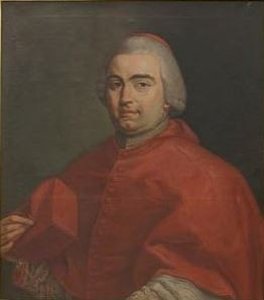
ignazio gaetano boncompagni-ludovisi
1823 , Italy
Основные сведения
- Artistic Movement Or Style: Baroque Painting Style
- Artists Or Movements Influenced By This Artist:
- Italian Portraiture
- Roman Nobility Art
- Artists Who Influenced This Artist: ['Scipio Pulzone']
- Date Of Birth: June 18, 1743
- Date Of Death: August 9, 1790
- Full Name: Ignazio Gaetano Boncompagni-Ludovisi
- Nationality: Italian
- Notable Artworks:
- Piombino Palace on the Corso: chapel
- Piombino Palace on the Corso: salon of Teresa Marescotti Boncompagni Ludovisi
- Place Of Birth: Rome, Italy
Похожие статьи

Pictorialism: A Search for Artistic Photography's Soul – Aesthetics, Techniques & Legacy
Explore the captivating world of Pictorialism – a pivotal movement that transformed photography into fine art. Discover key artists like Stieglitz & Käsebier, techniques, and collecting tips from experts.

Monochrome Visions: Exploring the Aesthetic & Historical Significance of Black & White Photography
Explore the rich history & artistic power of black and white photography. From early techniques to iconic masters like Ansel Adams, discover why monochrome continues to captivate art lovers today. Expert insights for collectors.

Beyond the Portrait: Félix Nadar & the Psychological Depths of 19th-Century Photography
Explore the revolutionary photography of Félix Nadar – pioneer of portraiture, aerial imaging & psychological depth. Discover his iconic portraits of Baudelaire, Hugo & more. A deep dive into 19th-century art history.
Witnessing History Through Lens & Light: Documentary Photography's Enduring Legacy
Explore the powerful history of documentary photography – from its origins to contemporary masters like Gordon Parks & W. Eugene Smith. Discover how this art form shapes our understanding of society and witness pivotal moments in time.
Beyond the Lens: Photography's Enduring Influence on Modern & Contemporary Art
Explore photography's pivotal role in shaping modern & contemporary art. Discover key movements, influential artists like Stieglitz, and expert collecting advice from ArtsDot.