

 Предпросмотр
 Поделиться
 Поделиться
 Детали произведения

 Скачать
 Похожие работы
 Рентгенография
 Слайд-шоу
 Статистика
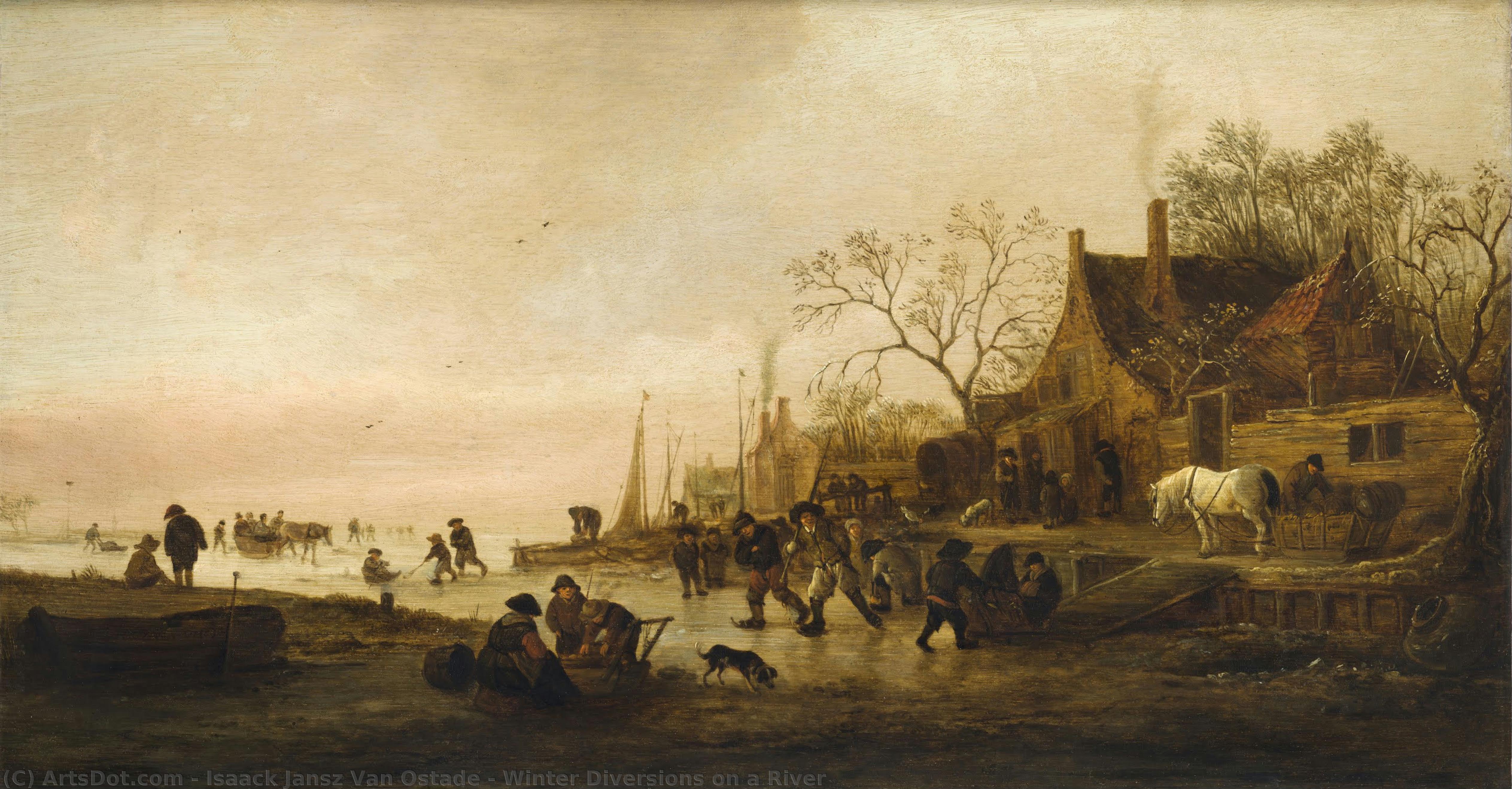
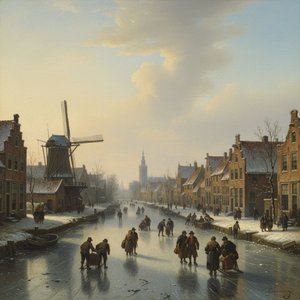
Winter Diversions on a River


 Читать далее
Масляная репродукция ручной работы
Картина маслом на холсте в выбранном вами размере и раме, написанная на заказ нашими художниками. ( Перейти к печати Перейти к цифровым изображениям)




































Выберите один из наших стандартных размеров, соответствующих оригинальным пропорциям произведения искусства.

Вы можете указать собственные размеры, чтобы картина идеально вписалась в выбранную раму или пространство. Если выбранный вами размер не соответствует пропорциям оригинала, мы либо обрежем полотно, либо расширим его за счет дополнительных элементов, написанных вручную. Цифровой макет будет отправлен вам на утверждение перед началом производства.
Обратите внимание, что предварительный просмотр на экране не отражает фактическую обрезку или расширение. Только макет точно покажет окончательную композицию.
Хотя доступны индивидуальные размеры, мы рекомендуем выбирать вариант из предопределенного списка, чтобы сохранить исходные пропорции.
После оформления заказа команда ArtsDot.com свяжется с клиентом по электронной почте для уточнения деталей и предоставит предварительный макет
Доставка по всему миру () за 3–4 недели вместо стандартных 5 недель. (11 Сентябрь). Без компромиссов в качестве.

Бесплатная экспресс-доставка по всему миру

Высококачественный льняной холст

Полное страхование доставки

Гарантия возмещения таможенных пошлин

Гарантия точного соответствия цветов

100-дневная политика возврата (только при обнаружении дефектов)

Гарантия возврата 100% средств

Предложение оптовых скидок
 Вариант со стеклом доступен только для размеров менее 110 см

Winter Diversions on a River
Техника репродукции
Размер репродукции
-


Итоговая стоимость
$ 263
A Frozen Moment in the Dutch Golden Age
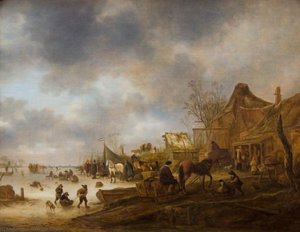
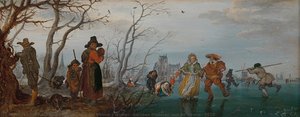
In the quiet, frost-kissed landscapes of the seventeenth century, few scenes capture the warmth of human connection amidst the biting cold quite like Isaack Jansz van Ostade’s Winter Diversions on a River. This exquisite small panel serves as a window into the heart of the Dutch Golden Age, transporting the viewer to a time when the frozen waterways of the Netherlands became vibrant stages for communal joy. As the ice thickens, the river transforms from a bustling artery of commerce into a playground of leisure, where the boundaries between social classes seem to momentarily thaw under the pale winter sun.
The composition is a masterclass in narrative depth and atmospheric realism. At first glance, one is struck by the lively energy radiating from the ice; skaters glide with effortless grace, while sledges carry travelers across the slick surface. Yet, as the eye wanders toward the riverbank, the painting reveals its more intimate, grounded stories. Near an inviting inn, a woman tends to her small commerce, selling cakes to passersby—a poignant detail that anchors the scene in the everyday realities of village life. Even a wandering dog, caught in a moment of playful greed as it snatches a treat, adds a layer of spontaneous, unscripted charm that makes this piece feel less like a static portrait and more like a living, breathing memory.
Mastery of Light and Texture
Van Ostade’s technique is characterized by a remarkable ability to render the subtle nuances of a wintry atmosphere. Through delicate, visible brushstrokes, he captures the varying textures of the landscape: the brittle, translucent quality of the river ice, the heavy weight of winter clothing, and the soft, hazy light that hangs over the distant horizon. The artist utilizes a palette that balances the cool, muted tones of a frozen world with sudden, warm accents—the bright colors of a figure's cloak or the golden glow emanating from the windows of the roadside inn.
For the discerning collector or interior designer, this painting offers more than mere decoration; it provides an emotional anchor. The interplay between the vast, chilly expanse of the river and the concentrated pockets of human warmth creates a sense of nostalgic comfort. It is a work that invites contemplation, encouraging the viewer to find beauty in the mundane and resilience in the face of the elements. Whether placed in a grand gallery or as a focal point in a sophisticated living space, this reproduction brings with it the enduring spirit of Dutch realism—a celebration of life's simple, joyful diversions preserved forever in paint.
Похожие произведения
Биография художника
Ambrosius Bosschaert the Elder (1573 – 1621): Pioneer of Floral Still Life
The world of early Dutch painting was undergoing a dramatic transformation in the early 17th century, shifting away from the predominantly religious and mythological subjects that had dominated for centuries. Amidst this evolving landscape emerged Ambrosius Bosschaert the Elder (c. 1573 – 1621), a Flemish-born artist who would become a pivotal figure in establishing the genre of floral still life painting. His work, characterized by meticulous detail, vibrant colors, and an intimate understanding of botany, laid the foundation for generations of artists to follow, profoundly influencing the development of Dutch art and its global reputation.
Born in Ferrara, Italy, Bosschaert’s early artistic training remains somewhat shrouded in mystery. While he likely spent his formative years studying under local masters, it was his relocation to the Netherlands around 1598 that truly shaped his career and artistic vision. The Dutch Republic at this time was experiencing a period of unprecedented prosperity and cultural flourishing – the ‘Golden Age’ – fueled by trade, burgeoning merchant communities, and a newfound appreciation for secular subjects. This environment proved fertile ground for Bosschaert's innovative approach to painting.
Bosschaert quickly gained recognition for his remarkable ability to render flowers with astonishing accuracy. He wasn’t simply depicting them; he was capturing their essence – the delicate curve of a petal, the subtle variations in color, and the intricate patterns of veins. His compositions were often elaborate, incorporating a wide array of blossoms, fruits, and foliage arranged on tables, cloths, or even in vases. These still lifes weren't merely decorative; they served as studies in observation, demonstrating a deep engagement with the natural world.
- Early Influences: Bosschaert’s style was undoubtedly influenced by the artistic traditions of his native Ferrara and the work of artists like Tura and Ercole de' Roberti. However, he also absorbed elements from the prevailing Mannerist style prevalent in Italy at the time.
- The Dutch Tradition: Upon settling in the Netherlands, Bosschaert embraced the emerging trends of the period, particularly the emphasis on realism and naturalism that was becoming increasingly popular among artists like Jan van den Velde the Elder.
- Botanical Precision: His meticulous attention to detail and his ability to accurately depict the forms and textures of flowers set him apart from his contemporaries.
A Court Painter and Art Dealer
Bosschaert’s career extended beyond simply painting; he was also a successful art dealer, further solidifying his position within the artistic community. He established a workshop in Bologna where he trained apprentices and sold his own paintings and those of other artists. This dual role provided him with valuable insights into the market for art and allowed him to cultivate relationships with influential patrons and collectors.
In 1504–5, he was commissioned by Isabella d'Este, the Marchioness of Mantua, to paint an allegorical panel depicting the virtues of prudence, temperance, fortitude, and justice. This work, now housed in the Louvre Museum in Paris, is considered one of his most significant achievements and a testament to his artistic skill and versatility.
Later, he became court painter at Mantua, succeeding Domenico Zampieri, where he continued to produce works for the Gonzaga family until his death. His time in Mantua marked a shift towards a more refined and elegant style, characterized by softer colors and a greater emphasis on atmospheric effects.
Technique and Style
Bosschaert’s technique was remarkably sophisticated for his time. He employed a layering of thin glazes to achieve luminous colors and subtle gradations of tone. His use of light and shadow created a sense of depth and volume, bringing the flowers and foliage to life on the canvas. He meticulously studied botanical specimens, often sketching them directly from nature before committing them to paint.
His compositions were typically balanced and harmonious, reflecting his belief in the inherent beauty of the natural world. While he adhered to traditional compositional principles, Bosschaert’s work possessed a unique freshness and vitality that distinguished it from earlier still life paintings. He was one of the first artists to depict flowers in such close-up detail, creating an intimate connection between the viewer and the subject.
Legacy and Influence
Ambrosius Bosschaert the Elder’s legacy is profound. He is widely regarded as a pioneer of floral still life painting, establishing many of the conventions that would be adopted by subsequent generations of artists. His meticulous observation, skillful technique, and innovative compositions paved the way for the development of this beloved genre within Dutch art.
Artists such as Jan van Huysum and Pieter Claesz drew inspiration from Bosschaert’s work, building upon his foundation to create even more elaborate and detailed floral arrangements. His influence can also be seen in the works of later artists who explored themes of nature and beauty. Bosschaert's contributions continue to resonate today, reminding us of the enduring power of art to capture the essence of the natural world.
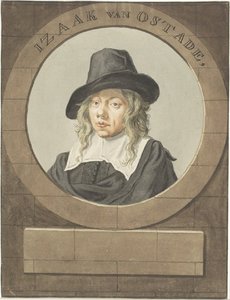
isaack jansz van ostade
1621 - 1649 , Netherlands
Основные сведения
- Artistic Movement Or Style: Still life painter
- Artists Or Movements Influenced By This Artist: ['Giorgione']
- Artists Who Influenced This Artist:
- Tura
- Ercole de' Roberti
- Date Of Birth: 1573
- Date Of Death: 1621
- Full Name: Ambrosius Bosschaert the Elder
- Nationality: Flemish-Dutch
- Notable Artworks:
- Floral Still Life
- Seascape
- Place Of Birth: Ferrara, Italy
Похожие статьи
Charles Leickert: Capturing the Dutch Golden Age Light – A Comprehensive Study of Technique, Context, and Legacy
Explore the captivating winter landscapes of Charles Leickert, a master of Dutch Golden Age light & atmosphere. Discover his techniques, symbolism, and lasting legacy – a comprehensive study for art enthusiasts and collectors.

Illuminating Realism: Exploring the Dutch Golden Age of Painting (1600-1700)
Explore the Dutch Golden Age of painting (1600-1700) with ArtsDot. Discover Rembrandt, Vermeer & other masters. Learn about techniques, history & find museum-quality reproductions.

Illuminating Innovation: Exploring the Dutch Golden Age of Painting
Explore the Dutch Golden Age of painting with ArtsDot. Discover Rembrandt, Vermeer & other Masters. Learn about key characteristics, iconic artworks, and lasting influence. Expert insights for collectors & enthusiasts.

Golden Age Reflections: Dutch Baroque Painting & Cultural Innovation
Explore the Dutch Golden Age of painting! Discover key artists like Vermeer & ter Borch, their innovative techniques, and the rich cultural context behind these Baroque masterpieces. Learn about collecting & appreciating this iconic art period.

Золотой век Голландии: 10 шедевров, изменивших искусство | ArtsDot.com
Погрузитесь в эпоху Золотого века Нидерландов! 10 шедевров Рембрандта, Вермеера и других мастеров. Узнайте истории создания культовых картин и вдохновитесь для интерьера. Репродукции музейного качества на ArtsDot.com.