

 Предпросмотр
 Поделиться
 Поделиться
 Детали произведения

 Скачать
 Похожие работы
 Рентгенография
 Слайд-шоу
 Статистика
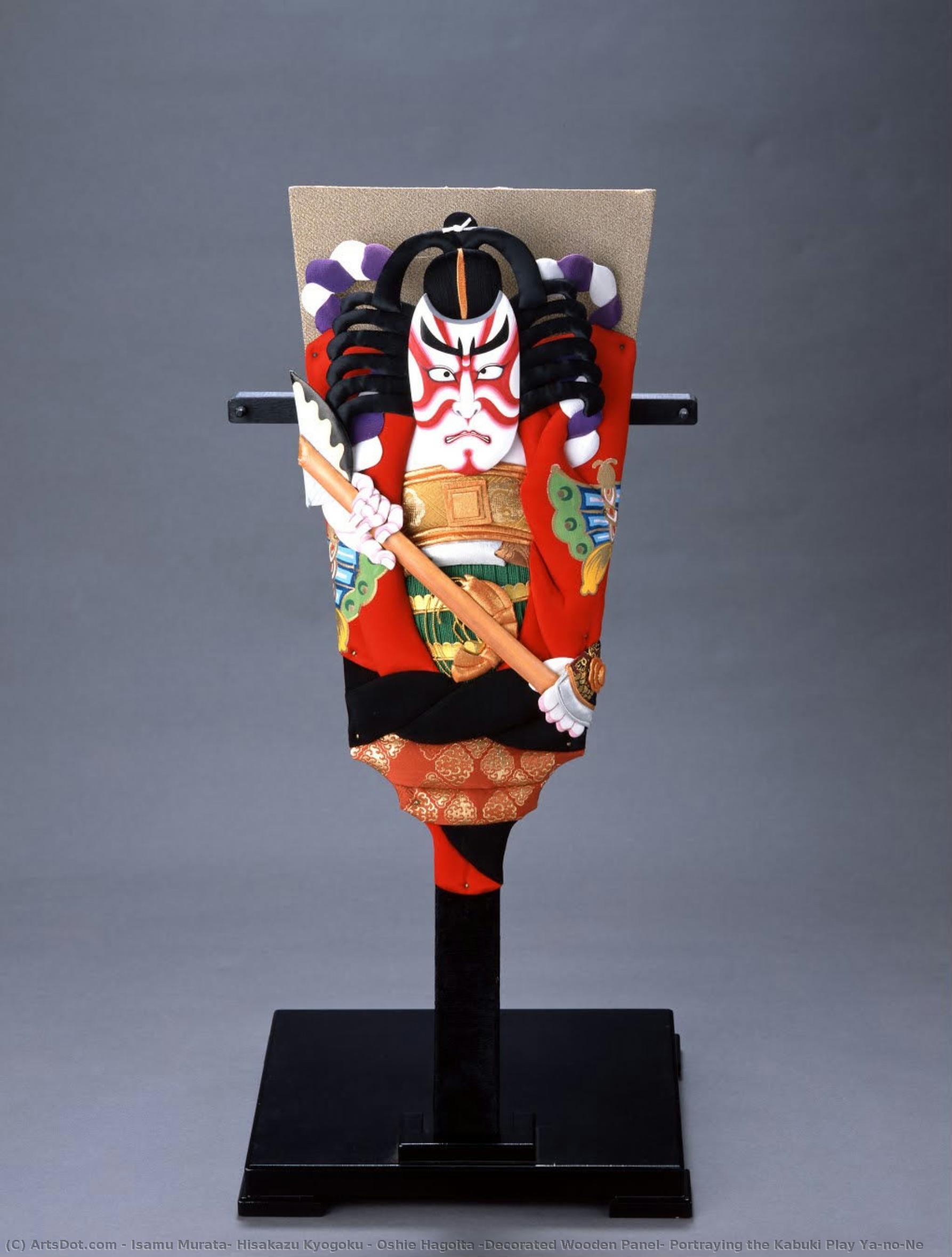
Oshie Hagoita (Decorated Wooden Panel) Portraying the Kabuki Play Ya-no-Ne
 23.0 x 61.0 cm
 Saitama Prefectural Museum of History and Folklore
 Читать далее
Приобретите цифровое изображение высокого разрешения в улучшенном качестве, которое значительно превосходит онлайн-превью.
Каждый файл тщательно подготавливается нашими специалистами с использованием передовых инструментов и экспертной ручной ретуши. Мы гарантируем исключительную четкость, точную цветопередачу и детальную проработку каждого изображения.
Финальный файл доставляется по электронной почте в течение 72 часов и оптимизирован для немедленного использования в профессиональной среде, при верстке и печати. Это тот же уровень качества, которому доверяют ведущие дизайнерские студии, издательства и галереи.
Цифровое изображение
Скачайте файл высокого разрешения для личного использования, печати и творческих проектов. ( Перейти к печати Купить картину ручной работы)
Включено в каждый заказ цифровых изображений
Гарантия экспертной цифровой доставки
Выбирая ArtsDot.com, вы получаете не просто изображение — вы приобретаете профессионально обработанное цифровое произведение искусства, созданное с безупречной точностью и под защитой гарантии качества. Вот всё, что автоматически входит в ваш заказ:

Мгновенная доставка по e-mail
Ваш цифровой файл в высоком разрешении будет отправлен вам по электронной почте в течение 72 часов после оформления заказа — и сразу станет доступен для использования.

Цифровой файл с ИИ-улучшением
Ваше произведение искусства проходит профессиональную оптимизацию с использованием передовых инструментов ИИ и ручной обработки, что гарантирует максимальную детализацию, четкость и точность цветопередачи.

Бессрочная бесплатная повторная доставка
Случайно удалили или потеряли файл? Не беспокойтесь — мы отправим его вам повторно в любое время и совершенно бесплатно.

Без импортных пошлин — навсегда
Наслаждайтесь вашим произведением искусства мгновенно без таможенных пошлин, сборов или затрат на доставку — цифровые загрузки всегда не облагаются налогом.

Гарантия точности цветопередачи
Мы гарантируем, что ваше цифровое изображение максимально точно передает оригинальные цвета благодаря использованию профессиональных инструментов и систем управления цветом.

Гарантия удовлетворенности 100 дней
Если вы не будете удовлетворены своим цифровым изображением, мы внесем правки или вернем 100% стоимости в течение 100 дней — без лишних вопросов.

100% Гарантия возврата средств
Не удовлетворены покупкой? Получите полный возврат средств в течение 100 дней после получения цифрового файла — без лишних вопросов.

Скидки на оптовые заказы
Купите 3 изображения, сэкономьте 10% — Купите 5, сэкономьте 15% — Купите 10+, сэкономьте 20%. Отличное решение для творческих проектов, галерей и агентств.
Похожие произведения








Биография художника
The Soul of Kabuki Embodied in Wood
Isamu Murata stands as a singular figure within the realm of Japanese woodblock printing, a testament to meticulous craftsmanship and an unwavering devotion to capturing the essence of theatrical tradition. Born in 1929, Murata’s artistic journey began with a fascination for Western art forms, particularly the dreamlike landscapes of Surrealism. Influenced by luminaries such as Salvador Dalí and Giorgio de Chirico, his early sensibilities were shaped by the unexpected juxtapositions and psychological depths found in European modernism. However, this initial interest in the avant-garde eventually gave way to a profound encounter with the teachings of Kumoemon Tochuken, a pivotal moment that steered him toward the revival of Edo-period woodblock printing techniques—a movement dedicated to preserving Japan's cultural heritage amidst the tides of rapid modernization.
Murata’s artistic philosophy centered on conveying raw emotion through precise, painstaking detail. He did not merely seek to replicate a likeness; rather, he meticulously studied the dramatic movements and intense expressions of kabuki performers, translating them into intricate carvings that captured psychological nuance. His dedication to mastering traditional methods, including sumie (ink wash painting) and ukiyo-e (woodblock prints), solidified his reputation as a master craftsman. Unlike many of his contemporaries who prioritized abstraction or conceptual exploration, Murata steadfastly adhered to classical techniques, a deliberate choice reflecting his deep-seated belief in honoring the artistic legacy of Japan's past.
The Artistry of Oshie Hagoita
The pinnacle of Murata’s technical achievement is found in his creation of oshie hagoita—elaborate wooden panels that serve as much more than mere decoration. While traditional hagoita are used as rackets in the New Year's game of hanetsuki, these special oshie versions are crafted exclusively for indoor display. Murata’s breakthrough involved a sophisticated method of creating three-dimensional portrayals of kabuki actors and legendary scenes. This process required an extraordinary level of skill: arranging cotton on a mounting board attached to wood, then covering these soft arrangements with fine woven cloth, often silk, to create a sculptural effect.
Through this medium, Murata achieved a breathtaking blend of realism and symbolic representation. His work often features iconic characters, such as Soga Goro from the famous kabuki play Ya-no-Ne, rendered with the striking kumadori stage makeup. The use of bright red stripes in these depictions serves to communicate the character's intense emotions and strength. By breathing life into wood and fabric, Murata ensured that the dramatic spirit of the theater remained tangible and vibrant for future generations.
A Legacy of Cultural Preservation
The historical significance of Isamu Murata’s work lies in his role as a bridge between eras. By embracing the Tochuken legacy, he helped revive techniques that had begun to wane during the Meiji Era, ensuring that the intricate artistry of the Edo period did not vanish under the pressure of modern industrialization. His life's work represents a harmonious intersection of diverse influences:
- Early Artistic Foundations: A formative exposure to Western Surrealism that provided a unique perspective on visual expression and psychological depth.
- The Revivalist Movement: A commitment to the preservation of traditional Japanese woodblock printing and the reclamation of lost craftsmanship.
- Technical Mastery: The seamless integration of sumie, ukiyo-e, and the three-dimensional oshie technique to create emotive, tactile art.
- Cultural Stewardship: The transformation of theatrical subjects into permanent cultural artifacts that celebrate the history of Kabuki.
Today, the works of Murata and his collaborators continue to be celebrated in prestigious institutions like the Saitama City Museum, serving as enduring symbols of Japan's rich aesthetic heritage. His ability to capture the very soul of kabuki within the grain of wood remains an unparalleled achievement in the history of Japanese folk art.
Основные сведения
- Artistic Movement Or Style: Surrealism
- Artists Or Movements Influenced By This Artist:
- Salvador Dalí
- Giorgio de Chirico
- Artists Who Influenced This Artist:
- Andrew Wyeth
- Steve McCurry
- Date Of Birth: July 31, 1970
- Full Name: Isamu Kamikokuryo
- Nationality: Japanese
- Notable Artworks:
- Final Fantasy XIII
- Lightning Returns: Final Fantasy XIII
- Place Of Birth: Tokyo, Japan