

 Предпросмотр
 Поделиться
 Поделиться
 Детали произведения

 Скачать
 Похожие работы
 Рентгенография
 Слайд-шоу
 Статистика
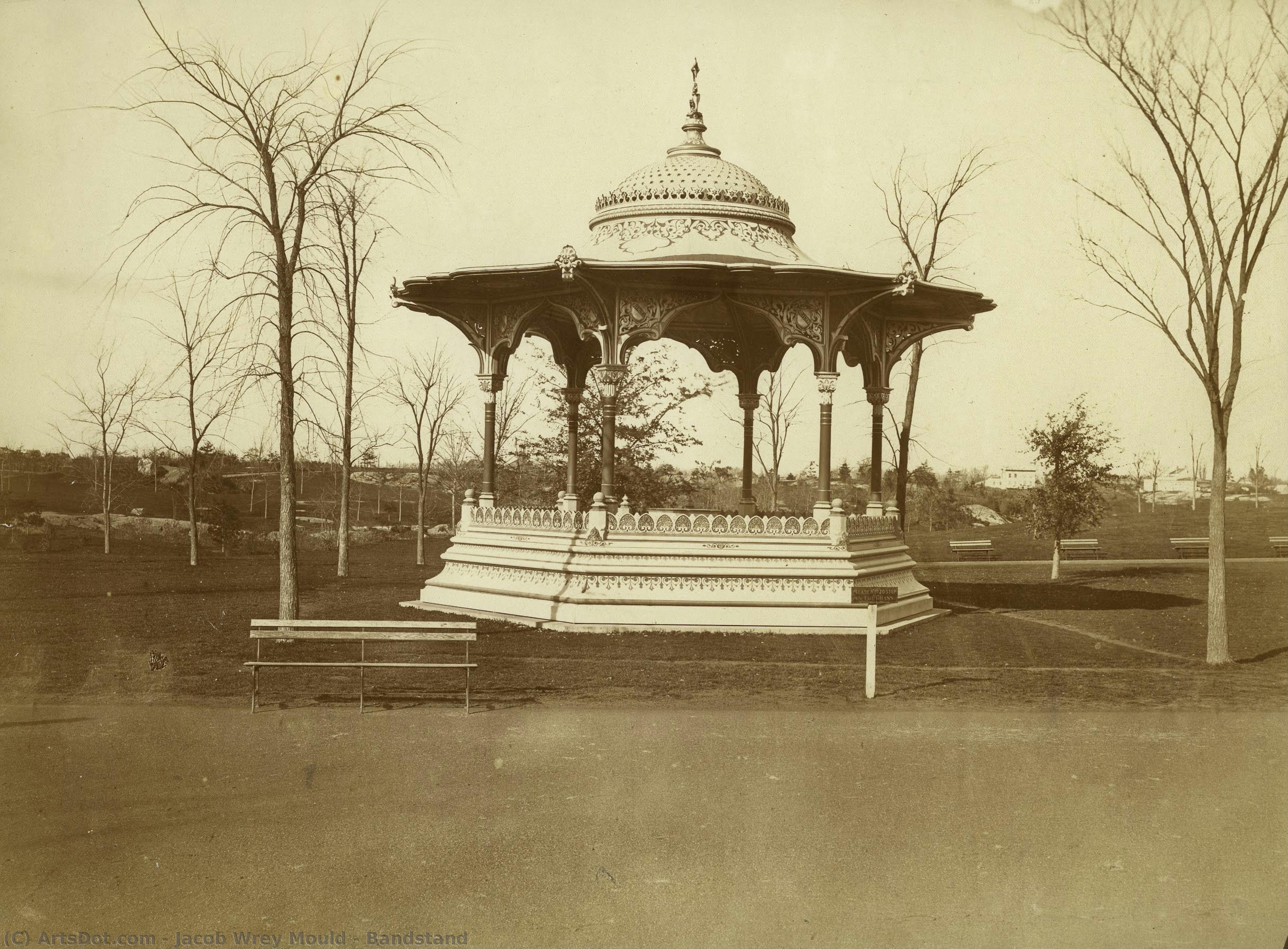
Bandstand


 Читать далее
Масляная репродукция ручной работы
Картина маслом на холсте в выбранном вами размере и раме, написанная на заказ нашими художниками. ( Перейти к печати Перейти к цифровым изображениям)




P118B $10

P118H $10

P118W $10

P438Z $10

P508JH $12

P508YH $12

P805H $10

P805Z $10

P919BZ $10

P919G $10

P919XJ $10

P959ZH $10

P968JZ $12

W106C $8

W218G $10

W218JH $8

W218Y $10

W307PJ $10

W316G $10

W316PJ $8

W316Y $10

W398PJ $8

W4111J $10

W500HY $15

W500JH $15

W692G $12

W849H $8

W940BG $15

W953PJ $8




Выберите один из наших стандартных размеров, соответствующих оригинальным пропорциям произведения искусства.

Вы можете указать собственные размеры, чтобы картина идеально вписалась в выбранную раму или пространство. Если выбранный вами размер не соответствует пропорциям оригинала, мы либо обрежем полотно, либо расширим его за счет дополнительных элементов, написанных вручную. Цифровой макет будет отправлен вам на утверждение перед началом производства.
Обратите внимание, что предварительный просмотр на экране не отражает фактическую обрезку или расширение. Только макет точно покажет окончательную композицию.
Хотя доступны индивидуальные размеры, мы рекомендуем выбирать вариант из предопределенного списка, чтобы сохранить исходные пропорции.
После оформления заказа команда ArtsDot.com свяжется с клиентом по электронной почте для уточнения деталей и предоставит предварительный макет
Доставка по всему миру () за 3–4 недели вместо стандартных 5 недель. (11 Сентябрь). Без компромиссов в качестве.

Бесплатная экспресс-доставка по всему миру

Высококачественный льняной холст

Полное страхование доставки

Гарантия возмещения таможенных пошлин

Гарантия точного соответствия цветов

100-дневная политика возврата (только при обнаружении дефектов)

Гарантия возврата 100% средств

Предложение оптовых скидок
 Вариант со стеклом доступен только для размеров менее 110 см

Bandstand
Техника репродукции
Размер репродукции
-


Итоговая стоимость
$ 263
The Bandstand: A Victorian Vision of Harmony
Central Park’s bandstand stands as a testament to Victorian ambition and artistic ingenuity—a deliberate echo of European grandeur conceived by Calvert Vaux and Frederick Law Olmsted, the architects responsible for shaping America's first landscaped urban park. Completed in 1862, it wasn’t merely a musical venue; it was an embodiment of the “City Beautiful Movement,” reflecting a broader desire to elevate civic spaces through formal design and lush greenery. Jacob Wrey Mould, a British architect with a passion for Moorish influences—a fascination evident in his work on Stourhead House—was tasked with realizing this ambitious vision.- Design Inspiration: Vaux and Mould drew heavily from the Imperial Russian pleasure park’s pavilion at Gatchina Palace, prioritizing symmetry and grandeur.
- Architectural Style: The bandstand exemplifies Neo-Classical architecture, blending elements of Roman temples with Victorian ornamentation—a conscious effort to instill civic pride and aesthetic refinement.
- Materials & Technique: Constructed primarily from cast iron columns and timber framing, the structure was painstakingly polychromed in vibrant hues—primarily gold and crimson—creating a dazzling spectacle against the backdrop of Central Park’s verdant landscape. Mould's meticulous craftsmanship ensured durability and visual impact.
A Symbol of Progress & Leisure
The bandstand wasn’t simply about aesthetics; it represented a fundamental shift in urban life during the Victorian era—a deliberate counterpoint to the grime and congestion of industrial cities. It offered residents a respite from daily toil, fostering social interaction and celebrating musical performance as an expression of cultural enrichment. The hexagonal form itself symbolizes unity and balance—reflecting Olmsted’s belief that parks should promote harmony between humanity and nature.
- Social Significance: Performances at the bandstand attracted thousands of visitors annually, cementing its role as a focal point for community life.
- Musical Tradition: The bandstand hosted concerts featuring prominent musicians—including Franz Kaltenborn—establishing Central Park as a premier venue for musical events.
- Philosophical Ideal: Mould’s design aligned with the broader City Beautiful Movement, advocating for urban spaces designed to inspire contemplation and elevate human experience.
Details of Design & Decoration
The bandstand's ornamentation is particularly noteworthy—a bold departure from simpler Victorian structures. Its pencil-thin cast iron columns are adorned with intricate floral motifs, mirroring the Moorish influence evident in Mould’s broader architectural style. The dome roof is gilded to resemble a Byzantine cathedral, further enhancing its visual splendor. Furthermore, the bandstand was situated at the north end of the Mall—Central Park's main thoroughfare—to maximize exposure and ensure that views across the park were unimpeded.
- Color Palette: The polychromy—primarily gold and crimson—was chosen to evoke grandeur and prestige, mirroring the opulent tastes of Victorian society.
- Floral Motifs: Cast iron columns are embellished with stylized floral designs—a deliberate reference to Moorish architectural traditions.
- Dome Roof: The dome roof’s gilding mimics Byzantine cathedral domes—creating a dramatic visual effect and symbolizing spiritual aspiration.
Legacy & Remembrance Despite its eventual dismantling in 1923 as part of the Central Park Conservancy's Master Plan, the bandstand continues to inspire admiration for its innovative design and enduring symbolic power. Its reconstruction in 1989—a collaborative effort between architects Betsy Barlow Rogers and Landscape Architect Philip N. Winslow—served as a poignant reminder of Central Park’s rich history and artistic heritage. Today, visitors can experience the beauty of Mould's vision firsthand—a testament to Victorian ambition and the transformative potential of landscape architecture.
Похожие произведения
Похожие статьи

The Refined Aesthetic of Victorian Illustration: A Study in Narrative & Technique
Explore the captivating world of Victorian illustration! Discover Pre-Raphaelite influences, key artists like Rossetti & Stephens, and the era's rich narrative detail. A deep dive for art enthusiasts.

Gordon Parks: A Poetic Lens on American Life – Photography, Social Justice & Storytelling
Explore the profound work of Gordon Parks, a groundbreaking photographer who documented American life with unparalleled empathy and artistry. Discover his iconic images & lasting impact on social justice through Life magazine & beyond.
Frederick Morgan: A Study in Aestheticism & Victorian Beauty
Explore the captivating world of Frederick Morgan, a key figure in Victorian Aestheticism. Discover his beautiful paintings, recurring themes, and lasting legacy with our expert analysis. Learn more today!
25 Шедевров Данте Габриэля Россетти: Искусство, Символизм и Декор для Вашего Дома
Погрузитесь в мир Данте Габриэля Россетти! 25 шедевров прерафаэлитов, полных символизма и страсти. Узнайте истории создания культовых картин и найдите идеальный декор для вашего дома на ArtsDot.com – музейное качество, вдохновение и искусство онлайн.
William Powell Frith: Narratives of Victorian Society & the Rise of Realist Painting
Explore the life & works of William Powell Frith, the 'greatest British painter of social scenes.' Discover his iconic Victorian genre paintings and learn about his lasting impact on realist art. Hand-painted reproductions available.