

 Предпросмотр
 Поделиться
 Поделиться
 Детали произведения

 Скачать
 Похожие работы
 Рентгенография
 Слайд-шоу
 Статистика
Bandstand


 Читать далее
Приобретите цифровое изображение высокого разрешения в улучшенном качестве, которое значительно превосходит онлайн-превью.
Каждый файл тщательно подготавливается нашими специалистами с использованием передовых инструментов и экспертной ручной ретуши. Мы гарантируем исключительную четкость, точную цветопередачу и детальную проработку каждого изображения.
Финальный файл доставляется по электронной почте в течение 72 часов и оптимизирован для немедленного использования в профессиональной среде, при верстке и печати. Это тот же уровень качества, которому доверяют ведущие дизайнерские студии, издательства и галереи.
Цифровое изображение
Скачайте файл высокого разрешения для личного использования, печати и творческих проектов. ( Перейти к печати Купить картину ручной работы)
Включено в каждый заказ цифровых изображений
Гарантия экспертной цифровой доставки
Выбирая ArtsDot.com, вы получаете не просто изображение — вы приобретаете профессионально обработанное цифровое произведение искусства, созданное с безупречной точностью и под защитой гарантии качества. Вот всё, что автоматически входит в ваш заказ:

Мгновенная доставка по e-mail
Ваш цифровой файл в высоком разрешении будет отправлен вам по электронной почте в течение 72 часов после оформления заказа — и сразу станет доступен для использования.

Цифровой файл с ИИ-улучшением
Ваше произведение искусства проходит профессиональную оптимизацию с использованием передовых инструментов ИИ и ручной обработки, что гарантирует максимальную детализацию, четкость и точность цветопередачи.

Бессрочная бесплатная повторная доставка
Случайно удалили или потеряли файл? Не беспокойтесь — мы отправим его вам повторно в любое время и совершенно бесплатно.

Без импортных пошлин — навсегда
Наслаждайтесь вашим произведением искусства мгновенно без таможенных пошлин, сборов или затрат на доставку — цифровые загрузки всегда не облагаются налогом.

Гарантия точности цветопередачи
Мы гарантируем, что ваше цифровое изображение максимально точно передает оригинальные цвета благодаря использованию профессиональных инструментов и систем управления цветом.

Гарантия удовлетворенности 100 дней
Если вы не будете удовлетворены своим цифровым изображением, мы внесем правки или вернем 100% стоимости в течение 100 дней — без лишних вопросов.

100% Гарантия возврата средств
Не удовлетворены покупкой? Получите полный возврат средств в течение 100 дней после получения цифрового файла — без лишних вопросов.

Скидки на оптовые заказы
Купите 3 изображения, сэкономьте 10% — Купите 5, сэкономьте 15% — Купите 10+, сэкономьте 20%. Отличное решение для творческих проектов, галерей и агентств.
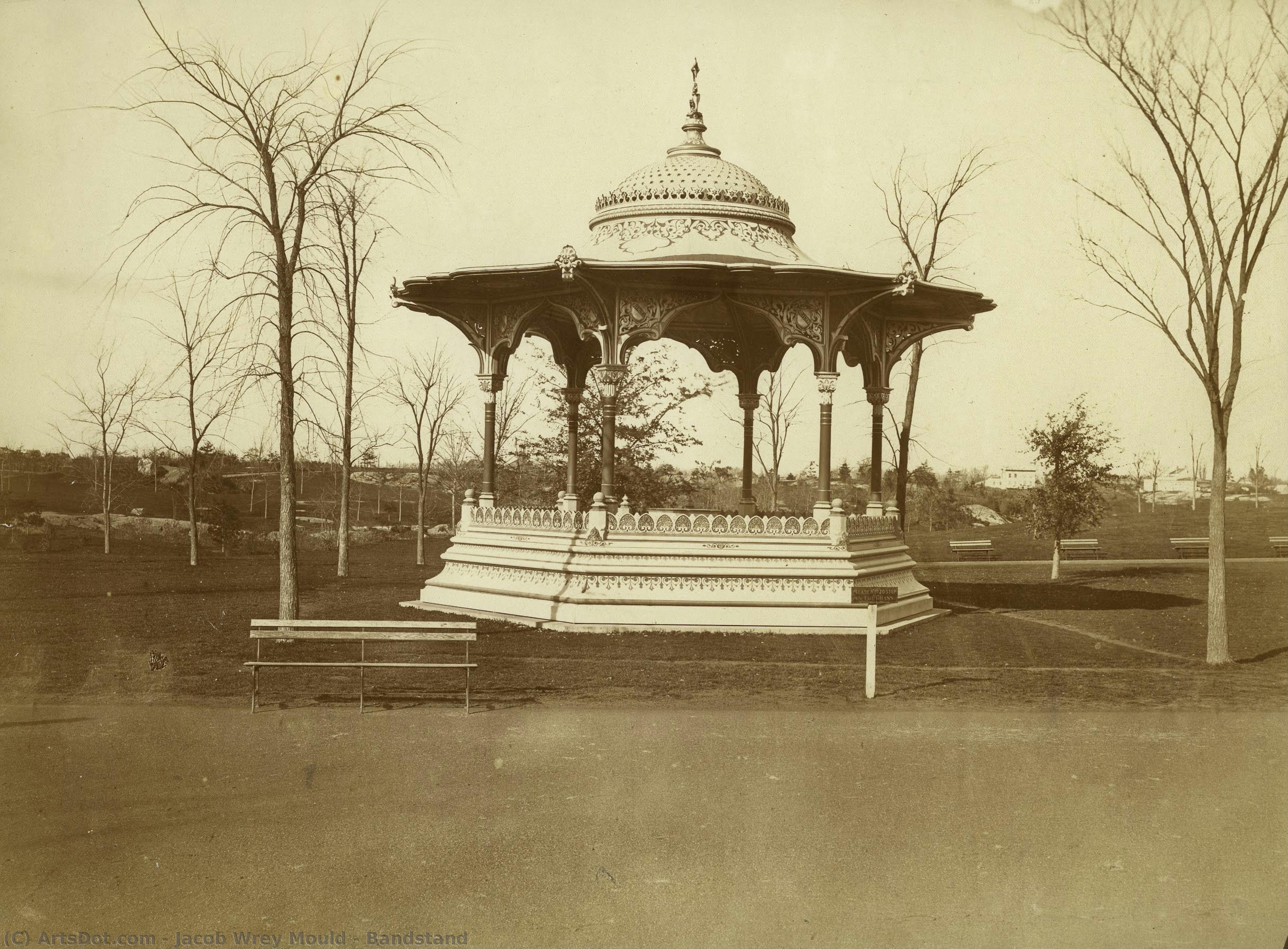
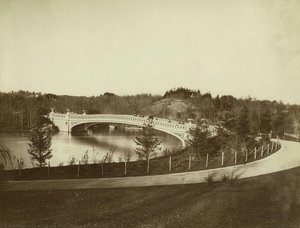
The Bandstand: A Victorian Vision of Harmony
Central Park’s bandstand stands as a testament to Victorian ambition and artistic ingenuity—a deliberate echo of European grandeur conceived by Calvert Vaux and Frederick Law Olmsted, the architects responsible for shaping America's first landscaped urban park. Completed in 1862, it wasn’t merely a musical venue; it was an embodiment of the “City Beautiful Movement,” reflecting a broader desire to elevate civic spaces through formal design and lush greenery. Jacob Wrey Mould, a British architect with a passion for Moorish influences—a fascination evident in his work on Stourhead House—was tasked with realizing this ambitious vision.- Design Inspiration: Vaux and Mould drew heavily from the Imperial Russian pleasure park’s pavilion at Gatchina Palace, prioritizing symmetry and grandeur.
- Architectural Style: The bandstand exemplifies Neo-Classical architecture, blending elements of Roman temples with Victorian ornamentation—a conscious effort to instill civic pride and aesthetic refinement.
- Materials & Technique: Constructed primarily from cast iron columns and timber framing, the structure was painstakingly polychromed in vibrant hues—primarily gold and crimson—creating a dazzling spectacle against the backdrop of Central Park’s verdant landscape. Mould's meticulous craftsmanship ensured durability and visual impact.
A Symbol of Progress & Leisure
The bandstand wasn’t simply about aesthetics; it represented a fundamental shift in urban life during the Victorian era—a deliberate counterpoint to the grime and congestion of industrial cities. It offered residents a respite from daily toil, fostering social interaction and celebrating musical performance as an expression of cultural enrichment. The hexagonal form itself symbolizes unity and balance—reflecting Olmsted’s belief that parks should promote harmony between humanity and nature.
- Social Significance: Performances at the bandstand attracted thousands of visitors annually, cementing its role as a focal point for community life.
- Musical Tradition: The bandstand hosted concerts featuring prominent musicians—including Franz Kaltenborn—establishing Central Park as a premier venue for musical events.
- Philosophical Ideal: Mould’s design aligned with the broader City Beautiful Movement, advocating for urban spaces designed to inspire contemplation and elevate human experience.
Details of Design & Decoration
The bandstand's ornamentation is particularly noteworthy—a bold departure from simpler Victorian structures. Its pencil-thin cast iron columns are adorned with intricate floral motifs, mirroring the Moorish influence evident in Mould’s broader architectural style. The dome roof is gilded to resemble a Byzantine cathedral, further enhancing its visual splendor. Furthermore, the bandstand was situated at the north end of the Mall—Central Park's main thoroughfare—to maximize exposure and ensure that views across the park were unimpeded.
- Color Palette: The polychromy—primarily gold and crimson—was chosen to evoke grandeur and prestige, mirroring the opulent tastes of Victorian society.
- Floral Motifs: Cast iron columns are embellished with stylized floral designs—a deliberate reference to Moorish architectural traditions.
- Dome Roof: The dome roof’s gilding mimics Byzantine cathedral domes—creating a dramatic visual effect and symbolizing spiritual aspiration.
Legacy & Remembrance Despite its eventual dismantling in 1923 as part of the Central Park Conservancy's Master Plan, the bandstand continues to inspire admiration for its innovative design and enduring symbolic power. Its reconstruction in 1989—a collaborative effort between architects Betsy Barlow Rogers and Landscape Architect Philip N. Winslow—served as a poignant reminder of Central Park’s rich history and artistic heritage. Today, visitors can experience the beauty of Mould's vision firsthand—a testament to Victorian ambition and the transformative potential of landscape architecture.
Похожие произведения
Биография художника
Jacques-Louis David: A Revolutionary Vision
Born in Strasbourg, France, in 1748, Jacques-Louis David emerged as a pivotal figure during the tumultuous era of the French Revolution and its immediate aftermath. Initially trained as a painter by his father, Jean-Baptiste David, a portraitist, young Jacques quickly demonstrated an exceptional talent for draftsmanship and a keen interest in classical antiquity – a fascination that would profoundly shape his artistic vision. Unlike many of his contemporaries who focused on capturing fleeting moments or idyllic landscapes, David sought to distill the essence of human experience, particularly as it related to morality, patriotism, and the ideals of republicanism. His early works, such as “The Oath of the Horatii” (1784), already hinted at the dramatic intensity and allegorical complexity that would define his mature style.
David’s artistic journey was inextricably linked to the political upheavals of the late 18th century. He became a staunch supporter of the Revolution, serving as an ardent propagandist for its cause through powerful paintings like “The Death of Marat” (1793) and “The Tennis Court Oath” (1789). These works weren’t merely historical depictions; they were carefully constructed visual arguments designed to inspire revolutionary fervor. The stark realism, the dramatic lighting, and the emotionally charged poses all served a specific political purpose – to elevate the ideals of liberty, equality, and fraternity. His involvement with the Revolution ultimately led to his imprisonment during the Reign of Terror, but even in exile, he continued to produce works that reflected his unwavering commitment to republican principles.
The Neoclassical Style and Influences
David’s artistic style is often categorized as Neoclassicism, a movement that sought to revive the aesthetic ideals of ancient Greece and Rome. However, David's Neoclassicism was far from a simple imitation of classical forms; it was infused with his own dramatic sensibility and revolutionary fervor. He meticulously studied the works of masters like Michelangelo, Caravaggio, and particularly the Roman painters who had revived classical art during the Renaissance. The influence of Henry Fuseli is also notable, especially in his early depictions of mythological subjects imbued with a sense of psychological drama.
Crucially, David’s approach to composition was revolutionary. He abandoned the loose, painterly brushwork favored by many of his contemporaries and instead embraced a rigorously structured, linear style reminiscent of antique sculpture. His paintings are characterized by clear diagonals, precise detailing, and a deliberate use of light and shadow to create a sense of depth and monumentality. This emphasis on order and clarity reflected his belief in the power of reason and virtue – values he associated with the classical world.
Major Works and Artistic Development
Throughout his career, David produced a remarkable body of work that encompasses portraits, historical paintings, mythological scenes, and allegorical compositions. “The Death of Socrates” (1787) demonstrates his ability to convey profound philosophical ideas through carefully staged figures and evocative lighting. "The Lictors Bearing the Body of Caesar" (1794), a powerful depiction of Roman vengeance, exemplifies his skill in creating dramatic narratives. Following the Revolution, he created “Napoleon Crossing the Alps” (1801), a monumental work that cemented Napoleon Bonaparte’s image as a heroic leader and a symbol of French power.
After the fall of Napoleon, David retreated from public life and focused on portraiture, producing numerous portraits of prominent figures, including Queen Victoria. Despite shifting political landscapes, his artistic style remained remarkably consistent – characterized by its dramatic intensity, meticulous detail, and unwavering commitment to classical ideals. His later works, such as “The Intervention of the Sabine Women” (1823), continued to explore themes of morality, virtue, and the complexities of human relationships.
Legacy and Historical Significance
Jacques-Louis David’s impact on art history is undeniable. He was a key figure in the development of Neoclassicism and profoundly influenced subsequent generations of artists. His dramatic compositions, his meticulous attention to detail, and his ability to imbue his paintings with political and philosophical meaning continue to resonate today.
Beyond his artistic achievements, David’s life and work offer a fascinating glimpse into the turbulent era of the French Revolution. He was not merely an artist; he was a propagandist, a revolutionary, and a witness to one of the most transformative periods in European history. His paintings serve as powerful reminders of the ideals – and the violence – that shaped the modern world. His legacy endures through his masterful works which are now housed in major museums worldwide, including the Louvre and the Musée du Louvre.
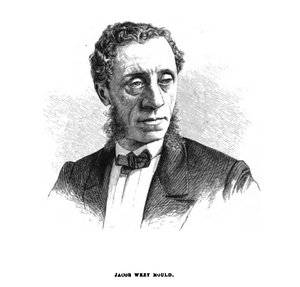
jacob wrey mould
1825 - 1886