

 Предпросмотр
 Поделиться
 Поделиться
 Детали произведения

 Скачать
 Похожие работы
 Рентгенография
 Слайд-шоу
 Статистика
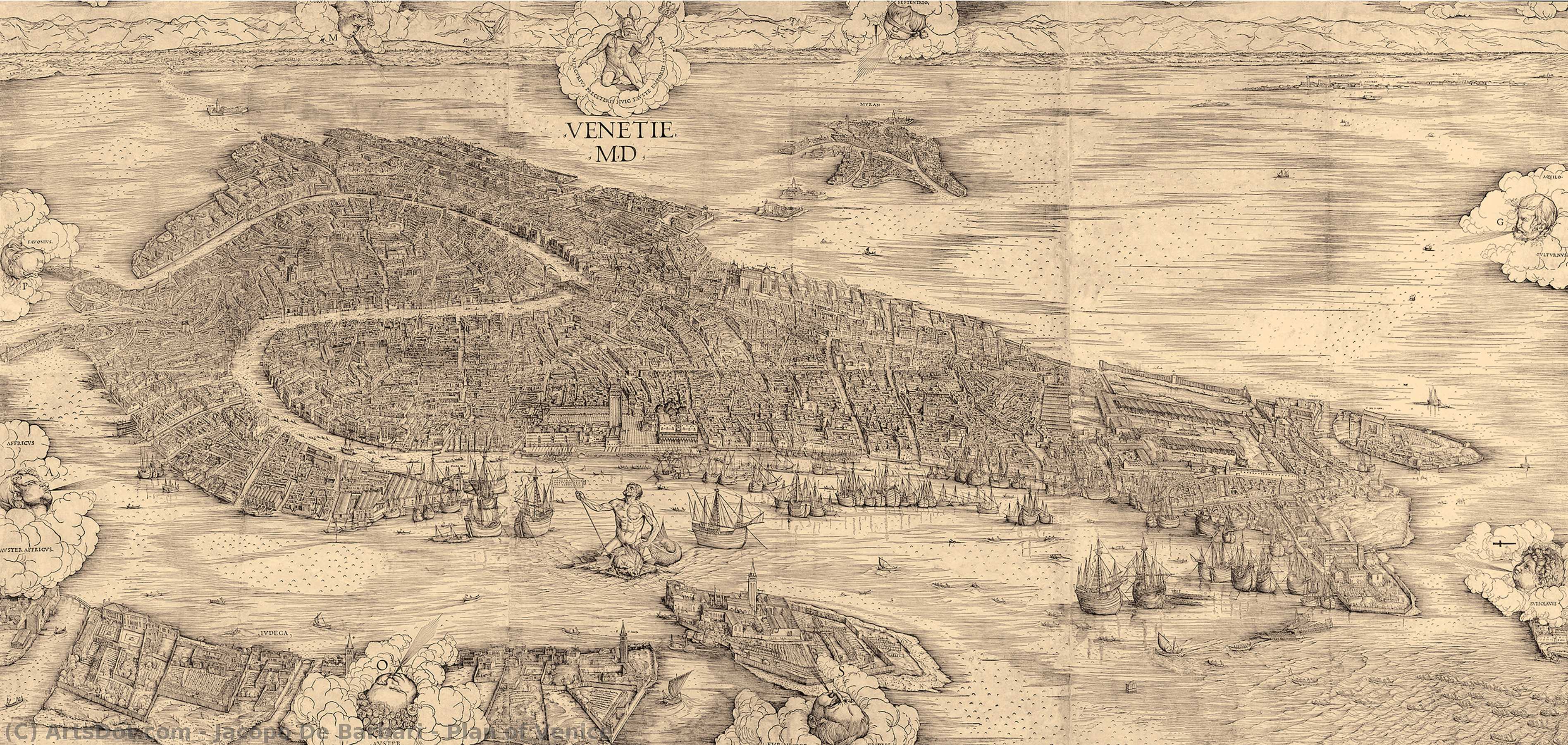
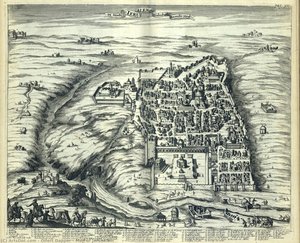
Plan of Venice
 Oil On Board
- Renaissance
 1500
1500- Renaissance
 135.0 x 282.0 cm
 Музей Коррер
 Читать далее
Приобретите цифровое изображение высокого разрешения в улучшенном качестве, которое значительно превосходит онлайн-превью.
Каждый файл тщательно подготавливается нашими специалистами с использованием передовых инструментов и экспертной ручной ретуши. Мы гарантируем исключительную четкость, точную цветопередачу и детальную проработку каждого изображения.
Финальный файл доставляется по электронной почте в течение 72 часов и оптимизирован для немедленного использования в профессиональной среде, при верстке и печати. Это тот же уровень качества, которому доверяют ведущие дизайнерские студии, издательства и галереи.
Цифровое изображение
Скачайте файл высокого разрешения для личного использования, печати и творческих проектов. ( Перейти к печати Купить картину ручной работы)
Включено в каждый заказ цифровых изображений
Гарантия экспертной цифровой доставки
Выбирая ArtsDot.com, вы получаете не просто изображение — вы приобретаете профессионально обработанное цифровое произведение искусства, созданное с безупречной точностью и под защитой гарантии качества. Вот всё, что автоматически входит в ваш заказ:

Мгновенная доставка по e-mail
Ваш цифровой файл в высоком разрешении будет отправлен вам по электронной почте в течение 72 часов после оформления заказа — и сразу станет доступен для использования.

Цифровой файл с ИИ-улучшением
Ваше произведение искусства проходит профессиональную оптимизацию с использованием передовых инструментов ИИ и ручной обработки, что гарантирует максимальную детализацию, четкость и точность цветопередачи.

Бессрочная бесплатная повторная доставка
Случайно удалили или потеряли файл? Не беспокойтесь — мы отправим его вам повторно в любое время и совершенно бесплатно.

Без импортных пошлин — навсегда
Наслаждайтесь вашим произведением искусства мгновенно без таможенных пошлин, сборов или затрат на доставку — цифровые загрузки всегда не облагаются налогом.

Гарантия точности цветопередачи
Мы гарантируем, что ваше цифровое изображение максимально точно передает оригинальные цвета благодаря использованию профессиональных инструментов и систем управления цветом.

Гарантия удовлетворенности 100 дней
Если вы не будете удовлетворены своим цифровым изображением, мы внесем правки или вернем 100% стоимости в течение 100 дней — без лишних вопросов.

100% Гарантия возврата средств
Не удовлетворены покупкой? Получите полный возврат средств в течение 100 дней после получения цифрового файла — без лишних вопросов.

Скидки на оптовые заказы
Купите 3 изображения, сэкономьте 10% — Купите 5, сэкономьте 15% — Купите 10+, сэкономьте 20%. Отличное решение для творческих проектов, галерей и агентств.
A Bird's-Eye Vision of Renaissance Splendor
In the annals of Renaissance masterworks, few pieces command as much awe for their sheer scale and topographical precision as Jacopo De Barbari’s Plan of Venice. Created in 1500, this monumental achievement on wood serves as more than a mere map; it is a breathtaking aerial odyssey that transports the viewer to the very heart of the Venetian Republic at its zenith. As one gazes upon the intricate network of canals and islands, there is an immediate sense of being suspended above the Adriatic, witnessing a city that exists as much in the realm of myth as in physical reality. The painting captures a moment of profound historical equilibrium, where the bustling maritime commerce meets the serene architectural grandeur of a rising empire.
The composition is a triumph of early perspective and meticulous detail. De Barbari employs a technique that anticipates the modern panoramic view, guiding the eye through a labyrinth of waterways, bridges, and majestic basilicas. Each structure, from the smallest residential palazzo to the most significant religious landmark, is rendered with an almost obsessive devotion to accuracy. This level of detail does not merely document the urban layout; it breathes life into the stone and mortar. One can almost hear the rhythmic splashing of oars as gondolas and merchant vessels navigate the canals, their presence adding a layer of kinetic energy to the otherwise static, frozen beauty of the cityscape.
The Intersection of Cartography and Artistry
Beyond its function as a historical document, the Plan of Venice is a profound exploration of the artist's ability to blend scientific observation with aesthetic grace. During this era, the boundaries between cartography and fine art were beautifully blurred, and De Barbari stands as a pioneer of this intersection. The technique used to execute such a vast landscape on wood requires immense discipline, ensuring that the delicate interplay of light and shadow across the Venetian facades remains consistent throughout the sprawling canvas. This mastery of light creates a sense of atmosphere, suggesting the humid, shimmering air of the lagoon and the way sunlight dances upon the undulating water.
For the discerning collector or interior designer, this artwork offers an unparalleled opportunity to introduce a sense of historical depth and intellectual sophistication into a space. The sheer scale of the original work—measuring 135 x 282 cm—provides a dramatic focal point that can anchor a room, whether it be a grand library, a formal dining hall, or a contemporary living suite. A high-quality oil reproduction of this masterpiece allows the timeless elegance of the Renaissance to permeate modern interiors, offering a window into a lost world of maritime glory and architectural perfection.
A Legacy of Cultural Heritage
The historical significance of De Barbari’s work cannot be overstated. It serves as a vital window into the 15th-century Venetian psyche—a period defined by cultural flourishing, economic prosperity, and an unparalleled confidence in urban design. To possess a reproduction of this plan is to hold a piece of the very soul of Venice. The painting does not merely depict buildings; it celebrates the triumph of human ingenuity over the challenging environment of a marshy archipelago.
As we look upon this masterpiece today, housed in the esteemed Museo Correr, we are reminded of the enduring power of traditional craftsmanship. The Plan of Venice continues to inspire awe, acting as a bridge between the historical reality of a powerful maritime state and the eternal beauty of artistic vision. It remains an essential subject for those who find inspiration in the intersection of history, geography, and the sublime artistry of the Renaissance masters.
Похожие произведения

Биография художника
The Enigmatic Visionary of Venice and Nuremberg
Jacopo de’ Barbari remains one of the most captivating enigmas of the Renaissance, a master whose life story is as layered and complex as the trompe l'oeil illusions he perfected. While his precise origins are shrouded in the mists of history, contemporary accounts—including those from the legendary Albrecht Dürer—firmly anchor him to Venice. Though scholars debate whether he was born closer to 1450 or 1470, the artist’s presence in the historical record is undeniable and profound. He moved through the great courts of Europe not merely as a painter, but as a pioneer of perspective, bridging the gap between the delicate sensibilities of Italian art and the rigorous, detailed traditions of the Northern Renaissance.
His journey was one of remarkable geographical and stylistic expansion. Around 1500, Barbari embarked on a transformative odyssey that would redefine his artistic identity. Leaving the canals of Venice behind, he traveled to Germany, where he served under Emperor Maximilian I in Nuremberg. This period of intense cultural exchange saw him operating under the name Jacop Walch—a moniker likely derived from "Wälsch," a term used by Germans to denote a foreigner, specifically an Italian. His travels continued through the courts of Frederick III of Saxony and Joachim I of Brandenburg, allowing him to weave together the luminous color palettes of his Venetian roots with the meticulous, almost scientific precision characteristic of German masters.
A Master of Illusion and Detail
The true genius of Barbari lies in his ability to manipulate the viewer's perception, creating works that challenge the very boundary between art and reality. He is perhaps most celebrated for his groundbreaking contributions to the still life genre. In his celebrated works, such as the Still-Life with Partridge and Iron Gloves, he achieved a level of trompe l'oeil—or "deceive the eye"—that had not been seen since antiquity. By rendering textures like cold iron, soft leather, and organic plumage with such startling accuracy, he invited viewers into a meditative space where the permanence of crafted objects met the fleeting nature of life.
Beyond the intimate scale of his still lifes, Barbari demonstrated an unparalleled command over large-scale topographical art. His Plan of Venice, created in 1500, stands as a monumental achievement in printmaking. This breathtaking woodcut offers a bird's-eye view of the Venetian Republic at its zenith, presenting an aerial odyssey through intricate canals and islands. It is more than a map; it is a masterpiece of Renaissance cartography and artistic vision, showcasing a level of detail that captures the grandeur and complexity of the city with almost supernatural clarity.
Legacy and Artistic Influence
The historical significance of Jacopo de’ Barbari cannot be overstated. As one of the first Italian Renaissance artists of true stature to work extensively in Northern Europe, he acted as a vital conduit for artistic innovation. His style was deeply informed by the masters of his era, drawing strength from the linear perspective of Andrea Mantegna and the technical rigor of Albrecht Dürer. Yet, he was far from a mere imitator; his work possessed a highly individualistic spirit, characterized by a unique blend of Italian grace and Northern precision.
His contributions to the evolution of printmaking—through twenty-nine engravings and three massive woodcuts—left an indelible mark on the European artistic landscape. Even as his personal biography remains partially lost to time, his visual legacy endures through:
- The invention of modern still life: Establishing the foundations for the genre through the use of hyper-realistic textures and symbolic arrangements.
- Mastery of perspective: Utilizing trompe l'oeil techniques to expand the psychological depth of Renaissance painting.
- Cultural synthesis: Creating a stylistic bridge between the Mediterranean and Germanic artistic traditions, enriching the shared heritage of the Renaissance.

jacopo de barbari
1460 - 1516
Основные сведения
- Artistic Movement Or Style: Trompe l'oeil & Woodcuts
- Artists Or Movements Influenced By This Artist: ['Renaissance Art']
- Artists Who Influenced This Artist:
- Mantegna
- Dürer
- Date Of Birth: c. 1460/70
- Date Of Death: before 1516
- Full Name: Jacopo de' Barbari
- Nationality: Italian
- Notable Artworks:
- The Triumph of Death
- Mantegna’s Lamentation
- Place Of Birth: Venice, Italy