

 Предпросмотр
 Поделиться
 Поделиться
 Детали произведения

 Скачать
 Похожие работы
 Рентгенография
 Слайд-шоу
 Статистика
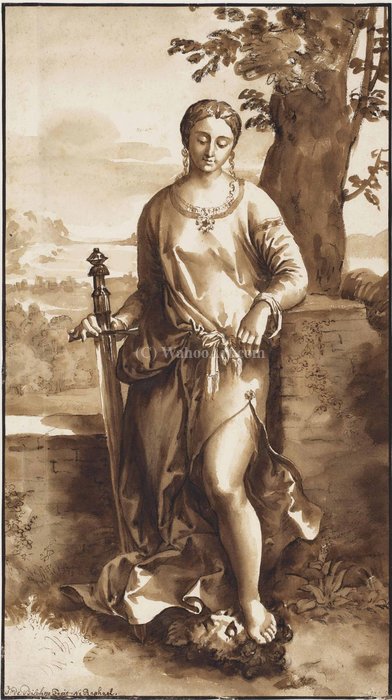
Judith with the Head of Holophernes

 Читать далее
Жикле / Арт-принт
Печать (жикле) или холст музейного качества с быстрыми сроками изготовления и широким выбором вариантов отделки. ( Купить картину ручной работы Перейти к цифровым изображениям)




P118B $10

P118H $10

P118W $10

P438Z $10

P508JH $12

P508YH $12

P805H $10

P805Z $10

P919BZ $10

P919G $10

P919XJ $10

P959ZH $10

P968JZ $12

W106C $8

W218G $10

W218JH $8

W218Y $10

W307PJ $10

W316G $10

W316PJ $8

W316Y $10

W398PJ $8

W4111J $10

W500HY $15

W500JH $15

W692G $12

W849H $8

W940BG $15

W953PJ $8




Выберите один из наших стандартных размеров, соответствующих оригинальным пропорциям произведения искусства.

Вы можете указать свои собственные размеры, чтобы репродукция идеально подошла под конкретную раму или пространство. Если выбранный вами размер не будет соответствовать пропорциям оригинала, мы либо обрежем произведение, либо дополним изображение зеркальным отражением краев или однотонной заливкой. Перед началом производства вам будет отправлен цифровой макет для утверждения.
Пожалуйста, обратите внимание, что предварительный просмотр на экране не отображает фактическую обрезку или расширение изображения. Только макет точно покажет финальную композицию.
Несмотря на возможность заказа индивидуальных размеров, мы рекомендуем выбирать размер из предопределенного списка, чтобы сохранить оригинальные пропорции.
Доставка по всему миру () за 2 недели вместо стандартных 4/5 недель. (13 Сентябрь)

Бесплатная экспресс-доставка по всему миру

Высококачественный льняной холст

Полное страхование доставки

Гарантия возмещения таможенных пошлин

Гарантия точного соответствия цветов

100-дневная политика возврата (только при обнаружении дефектов)

Гарантия возврата 100% средств

Предложение оптовых скидок
 Вариант со стеклом доступен только для размеров менее 110 см

Judith with the Head of Holophernes
Жикле / Арт-принт
Размер репродукции
-


Итоговая стоимость
$ 62
A Dramatic Scene of Justice: Jan de Bisschop’s ‘Judith with the Head of Holophernes’
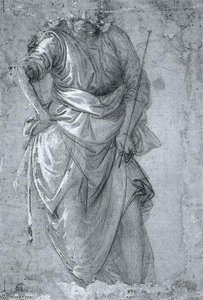
- Subject & Narrative: This powerful work by Dutch Golden Age artist Jan de Bisschop depicts the iconic biblical story of Judith and Holofernes. The scene captures the aftermath of Judith's courageous act – she stands resolute, holding the head of the Assyrian general Holophernes, having saved her besieged city of Bethulia. The composition focuses on the gravity of the moment, emphasizing not triumphant celebration but a somber acknowledgement of the cost of freedom and divine intervention.
- Style & Technique: Rendered in a monochromatic palette of browns and beiges, the artwork evokes the atmosphere of classical history painting. De Bisschop’s meticulous technique – evident through detailed hatching and cross-hatching – creates rich textures in the drapery and convincingly models form. The style reflects influences from his teacher Bartholomeus Breenbergh, particularly a focus on dramatic lighting and carefully constructed compositions, while also hinting at the Caravaggisti movement with its strong chiaroscuro effect.
Historical Context & Artistic Lineage
- Dutch Golden Age & Biblical Themes: Created during the Dutch Golden Age (roughly 1588-1670), this artwork reflects a period of immense artistic and cultural flourishing in the Netherlands. Biblical stories, particularly those featuring strong female figures like Judith, were popular subjects for artists, often imbued with allegorical meanings relating to political freedom and religious conviction. De Bisschop’s dual career as both an artist and lawyer likely informed his thoughtful approach to such narratives.
- A Founding Member of Confrerie Pictura: Jan de Bisschop was a founding member of the esteemed Confrerie Pictura, a society dedicated to elevating the status of painting. His involvement demonstrates a commitment to artistic innovation and intellectual discourse within his community.
Symbolism & Emotional Resonance
- Symbols of Power & Sacrifice: The sword held by Judith is not merely a weapon, but a symbol of righteous power and divine judgment. Holophernes’ severed head represents the vanquishing of tyranny and oppression. However, the artwork avoids glorifying violence; instead, it conveys a sense of solemnity and contemplation regarding the necessary sacrifices made for liberation.
- A Contemplative Mood: The diffused lighting, hazy landscape background, and Judith’s introspective pose contribute to an overall emotional tone of gravity and reflection. This is not a scene of boisterous victory but one of quiet resolve and the weight of responsibility. It invites viewers to consider themes of mortality, justice, courage, and the complex consequences of conflict.
Похожие произведения

Биография художника
A Dual Pursuit: The Life and Art of Jan de Bisschop
Jan de Bisschop, born in Amsterdam in 1628, occupies a fascinating, somewhat unique position within the Dutch Golden Age. He wasn’t solely devoted to the painter's life, but rather navigated a dual existence as a practicing lawyer and a dedicated artist – a combination that profoundly shaped his artistic vision and contributions. This unusual path allowed him a degree of freedom often unavailable to artists reliant on commissions for their livelihood, fostering an intellectual curiosity that permeated his work. His initial training came under the tutelage of Bartholomeus Breenbergh, a painter renowned for his Italianate landscapes and historical scenes; this early influence is readily apparent in de Bisschop’s later depictions of scenery and classical motifs. However, he didn't abandon his legal career, serving as an advocate to the Dutch court – a testament to a disciplined mind that likely informed the meticulous detail found within his artistic endeavors.Engravings, Landscapes, and Classical Reverence
De Bisschop’s artistic output was remarkably diverse, encompassing engraving, painting, and drawing. While he produced original works, a significant portion of his oeuvre consisted of highly detailed engravings – often copies of masterpieces by Italian masters such as Tintoretto, Veronese, and Rubens. These weren't merely reproductions; they were considered studies, carefully crafted for instructional purposes, demonstrating de Bisschop’s commitment to artistic education. His landscapes, rendered in the evocative Italianate style, transport viewers to idyllic scenes populated with classical architecture bathed in warm, atmospheric light. Works like “The Oostpoort (East Gate) at Delft” exemplify this influence, showcasing a mastery of perspective and an appreciation for harmonious composition. Beyond landscape, de Bisschop demonstrated a deep reverence for classical art, meticulously copying ancient sculptures and paintings – a practice reflecting the growing intellectual climate of the Dutch Golden Age, where there was increasing interest in elevating painting to the status of a liberal art.A Legacy Etched in Instruction
Jan de Bisschop’s lasting legacy extends beyond his individual artworks; it resides significantly within his contributions to artistic education. He firmly believed in the importance of studying classical models for aspiring artists, and this conviction materialized in two pivotal publications. The first, “Signorum Veterum Icones” (1668-1669), comprised 112 prints featuring engravings of antique sculptures, providing an invaluable resource for students seeking to understand classical form and composition. Shortly before his death in 1671, he published “Paradigmata Graphices variorum Artificum,” a collection presenting drawings by various masters – including Bassano, Carracci, and Van Dyck – offering a comparative study of artistic techniques and styles. Furthermore, de Bisschop was a founding member of the Confrerie Pictura, a society dedicated to promoting artistic excellence and fostering exchange among painters, solidifying his role as an active participant in the vibrant Dutch art world.Influence and Historical Significance
De Bisschop’s work resonated within the intellectual currents of his time, influencing artists such as Jacob van der Ulft, who demonstrably adopted de Bisschop's meticulous approach to copying classical masters. His dedication to disseminating artistic knowledge through instructional books played a crucial role in shaping the development of Dutch art during the 17th century. He bridged the gap between legal practice and artistic pursuit, embodying the diverse intellectual landscape of his era. His work stands as a testament to the power of combining rigorous intellect with creative passion. While perhaps not as widely celebrated as some of his contemporaries, Jan de Bisschop’s contributions ensure his enduring place within the history of Dutch Golden Age painting – a legacy etched not only in brushstrokes and engravings but also in the minds of generations of artists he inspired.Selected Works
- Judith with the Head of Holophernes: A striking monochrome study showcasing masterful detail and a poignant narrative.
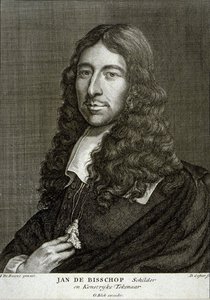
- Portrait of Jan de Bisschop: An intimate self-portrait offering insight into the artist’s persona.
- Woman with a water jug, seen from the back: A delicate depiction demonstrating his skill in capturing form and light.
Jan de Bisschop
1628 - 1671 , Netherlands
Основные сведения
- Artistic Movement Or Style: Dutch Golden Age, Baroque
- Artists Or Movements Influenced By This Artist: ['Jacob van der Ulft']
- Artists Who Influenced This Artist: ['Bartholomeus Breenbergh']
- Date Of Birth: 1628
- Date Of Death: 1671
- Full Name: Jan de Bisschop
- Nationality: Dutch
- Notable Artworks:
- Judith with the Head...
- Portrait of Jan de Bisschop
- Woman with a water jug...
- Place Of Birth: Amsterdam, Netherlands
Похожие статьи

The Dramatic Flourish: Exploring the Baroque Movement's Enduring Legacy in Art History
Explore the dramatic world of Baroque art! Discover iconic artists like Caravaggio & Rubens, defining techniques, and its lasting impact on art history. Expert insights for collectors & enthusiasts at ArtsDot.

Топ-25 шедевров Гойи: от придворного портрета до мрачных пророчеств | ArtsDot
Погрузитесь в мир гения Франсиско Гойи! 🎨 От придворных портретов до мрачных "Капричос" – исследуйте топ-25 шедевров испанского романтизма. Купите репродукции картин Гойи музейного качества на ArtsDot.com и украсьте свой интерьер искусством.

10 Шедевров Барокко: Искусство, изменившее мир | ArtsDot.com
Погрузитесь в мир барокко! 10 шедевров Караваджо, Рембрандта и других великих художников. Узнайте историю создания культовых картин и найдите идеальную репродукцию для вашего интерьера на ArtsDot.com

Барочная драма: Искусство величия в современном интерьере
Погрузитесь в мир роскоши и величия барокко! Узнайте об истории стиля, ключевых элементах интерьера и архитектуре. Вдохновляйтесь с и создайте свой неповторимый дизайн.

О нас
Откройте для себя нашу историю! Мы привносим искусство мирового класса в вашу жизнь благодаря экспертному отбору, индивидуальным заказам и бесплатным обзорам. Одобрено частными лицами и компаниями с 2000 года.