 Предпросмотр
 Поделиться
 Поделиться
 Детали произведения

 Скачать
 Похожие работы
 Рентгенография
 Слайд-шоу
 Статистика
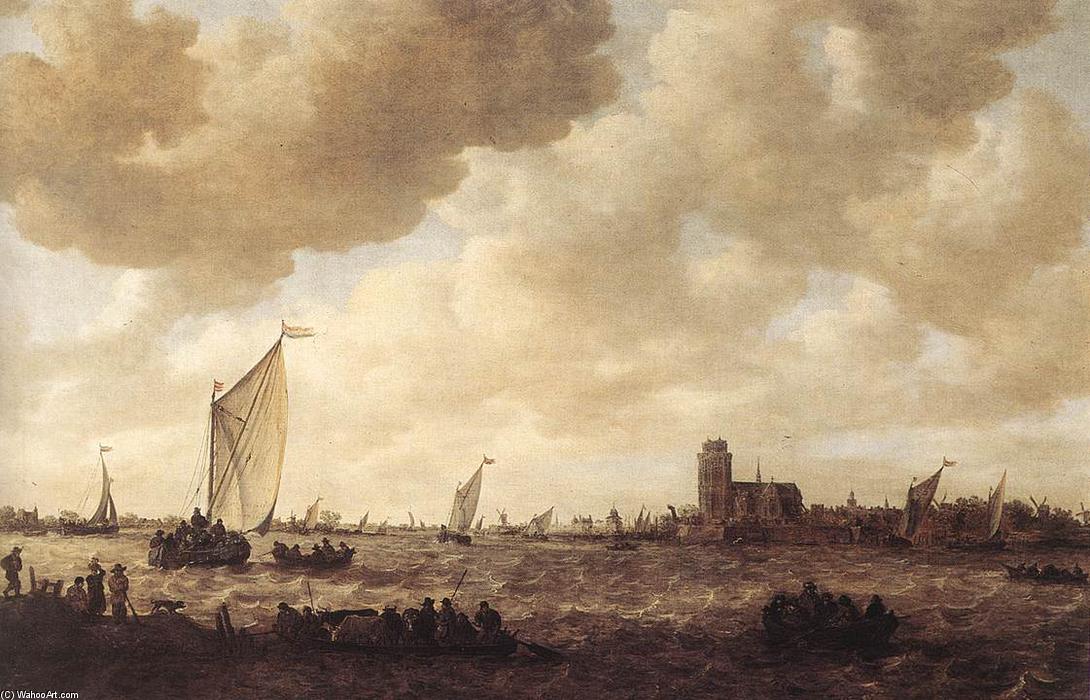
View of Dordrecht
 Oil
Oil- WallArt
- Dutch Golden Age
 1644
1644- Early Modern
 97.0 x 148.0 cm
 Музеи Брюссельские Королевские
 Читать далее
Жикле / Арт-принт
Печать (жикле) или холст музейного качества с быстрыми сроками изготовления и широким выбором вариантов отделки. ( Купить картину ручной работы Перейти к цифровым изображениям)




P118B $10

P118H $10

P118W $10

P438Z $10

P508JH $12

P508YH $12

P805H $10

P805Z $10

P919BZ $10

P919G $10

P919XJ $10

P959ZH $10

P968JZ $12

W106C $8

W218G $10

W218JH $8

W218Y $10

W307PJ $10

W316G $10

W316PJ $8

W316Y $10

W398PJ $8

W4111J $10

W500HY $15

W500JH $15

W692G $12

W849H $8

W940BG $15

W953PJ $8




Выберите один из наших стандартных размеров, соответствующих оригинальным пропорциям произведения искусства.

Вы можете указать свои собственные размеры, чтобы репродукция идеально подошла под конкретную раму или пространство. Если выбранный вами размер не будет соответствовать пропорциям оригинала, мы либо обрежем произведение, либо дополним изображение зеркальным отражением краев или однотонной заливкой. Перед началом производства вам будет отправлен цифровой макет для утверждения.
Пожалуйста, обратите внимание, что предварительный просмотр на экране не отображает фактическую обрезку или расширение изображения. Только макет точно покажет финальную композицию.
Несмотря на возможность заказа индивидуальных размеров, мы рекомендуем выбирать размер из предопределенного списка, чтобы сохранить оригинальные пропорции.
Доставка по всему миру () за 2 недели вместо стандартных 4/5 недель. (12 Сентябрь)

Бесплатная экспресс-доставка по всему миру

Высококачественный льняной холст

Полное страхование доставки

Гарантия возмещения таможенных пошлин

Гарантия точного соответствия цветов

100-дневная политика возврата (только при обнаружении дефектов)

Гарантия возврата 100% средств

Предложение оптовых скидок
 Вариант со стеклом доступен только для размеров менее 110 см

View of Dordrecht
Жикле / Арт-принт
Размер репродукции
-


Итоговая стоимость
$ 62
A Window into the Dutch Golden Age
In the quiet, shimmering expanse of Jan Josephszoon van Goyen’s View of Dordrecht, we are invited to step back into the year 1644, a period when the Netherlands stood as a beacon of maritime prowess and artistic innovation. This masterpiece is not merely a depiction of a harbor; it is a soulful meditation on the rhythm of life along the Dutch waterways. As the eye wanders across the canvas, one is immediately struck by the profound sense of tranquility that permeates the scene. The water, acting as a mirror to the heavens, captures the soft, diffused light of a late afternoon, creating a liquid stage where the reflections of masts and sails dance in subtle, rhythmic ripples. It is a composition that breathes with the gentle movement of currents and the silent passage of time.
The artist’s mastery lies in his ability to find grandeur within the mundane. Through a sophisticated use of atmospheric perspective, Van Goyen directs our gaze from the immediate, textured details of the foreground boats toward the hazy, ethereal silhouette of the Dordrecht skyline. The presence of a prominent church spire serves as a silent sentinel, anchoring the bustling maritime activity to the enduring spiritual and civic foundations of the community. This interplay between the transient movement of the vessels and the permanent architecture of the city creates a narrative tension that is both captivating and deeply grounding for any viewer.
The Art of Subtlety and Tonal Mastery
For the discerning collector or interior designer, the true allure of this work lies in its restrained and sophisticated color palette. Eschewing the garish colors often found in contemporary works, Van Goyen employs a tonalist approach characterized by a harmonious blend of earth tones, muted grays, and soft greens. This deliberate choice of color does more than just replicate the natural light of the Low Countries; it creates an atmosphere of profound serenity and cohesion. The technique is remarkably tactile; visible brushstrokes lend a sense of organic life to the clouds and a rugged authenticity to the wooden hulls of the ships, ensuring that the painting possesses a physical depth that commands attention in any setting.
The lighting within the piece is nothing short of poetic. By capturing the soft, low-angled light characteristic of the Dutch landscape, Van Goyen imbues the scene with a sense of nostalgia and peace. There are no harsh shadows to disrupt the visual flow; instead, there is a seamless transition from light to shade that guides the eye through the composition with effortless grace. This mastery of light and shadow—the chiaroscuro of the landscape—transforms a simple harbor scene into an emotive experience, making it an ideal centerpiece for spaces designed for contemplation, elegance, and timelessness.
A Timeless Addition to the Modern Interior
Integrating a high-quality reproduction of View of Dordrecht into a contemporary interior offers more than just aesthetic beauty; it provides a connection to a storied historical legacy. The painting’s balanced composition, following the classical rule of thirds, ensures that it harmonizes perfectly with both traditional and modern decor. Its subdued tones act as a sophisticated neutral, capable of complementing rich, dark wood furnishings or providing a soft, organic contrast to minimalist, modern architecture.
To possess such a work is to hold a fragment of the Dutch Golden Age. It serves as a conversation piece that speaks of exploration, commerce, and the quiet beauty of the natural world. Whether placed in a sunlit study or a grand living hall, this reproduction brings with it an aura of prestige and a sense of historical continuity, inviting all who behold it to pause, reflect, and find inspiration in the enduring legacy of Jan Josephszoon van Goyen.
Похожие произведения

Биография художника
Jan van Goyen (1596 - 1656)
Jan Josephszoon van Goyen was a painter and etcher, one of the most gifted landscapists in the Netherlands during the early 17th century. He learned painting under several masters at Leiden and Haarlem. His prolific output left approximately twelve hundred paintings and more than one thousand drawings—a testament to his unwavering dedication to capturing the beauty of the Dutch countryside.Early Life and Training
Jan van Goyen was born on January 13, 1596, in Leiden, Netherlands – a city renowned for its artistic heritage. He began his artistic journey as an apprentice at a young age, honing his skills under the tutelage of Isaac van Swanenburgh (c. 1537–1614), establishing a foundation for his future endeavors. This formative period instilled in him a deep appreciation for observation and meticulous detail—qualities that would define his artistic style throughout his career. Following this initial training, he continued his studies at Haarlem with Esaias van de Velde, further refining his technique and broadening his understanding of landscape painting principles.Artistic Style and Development
Van Goyen’s distinctive approach to landscape art immediately captivated audiences. He eschewed the flamboyant colors and elaborate compositions favored by many contemporaries, opting instead for a restrained palette dominated by grays, browns, and greens—a deliberate choice that prioritized tonal harmony and atmospheric realism. This stylistic preference stemmed from his belief that true beauty resided not in ostentation but in capturing the subtle nuances of natural light and shadow. His early works bear the unmistakable imprint of Van de Velde’s influence, yet he swiftly cultivated a singular vision characterized by an unwavering focus on conveying the essence of Dutch landscapes—a legacy that continues to inspire artists today.Prolific Output and Notable Works
Jan van Goyen was an extraordinarily productive artist, producing an estimated 1,200 paintings and over 1,000 drawings during his lifetime – a remarkable feat considering the artistic climate of the era. Among his most celebrated masterpieces are *River Landscape with Windmill*, a quintessential example of his tonal landscapes that embodies the serene beauty of Dutch rural life; and *Fishermen by the Lakeshore*, showcasing his masterful depiction of tranquil waterscapes illuminated by soft sunlight. He frequently explored themes of rivers, lakes, dunes, and expansive skies, meticulously rendering them with remarkable accuracy and sensitivity—a testament to his unwavering commitment to artistic excellence. His paintings often depict scenes of everyday life alongside breathtaking vistas, reflecting the harmonious coexistence between humanity and nature that characterized 17th-century Holland.Influences and Legacy
Van Goyen’s artistic sensibilities were profoundly shaped by the teachings of Esaias van de Velde, whose emphasis on tonal painting served as a guiding principle for his own stylistic development. Furthermore, he directly impacted artists such as Jan Steen, who regarded him as a mentor and absorbed many of his techniques—a connection that underscores Van Goyen’s enduring influence on the artistic landscape of his time. His unwavering dedication to realism and atmospheric effects paved the way for subsequent generations of landscape painters, establishing him as one of the foremost figures in Dutch Golden Age art history.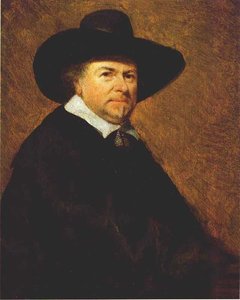
Ян ван Эйк
1596 - 1656 , Нидерланды
Основные сведения
- Artistic Movement Or Style: Dutch Golden Age painting
- Artists Or Movements Influenced By This Artist: Jan Steen
- Artists Who Influenced This Artist: Esaias van de Velde
- Date Of Birth: January 13, 1596
- Date Of Death: April 27, 1656
- Full Name: Jan Josephszoon van Goyen
- Nationality: Dutch
- Notable Artworks:
- River Landscape with Windmill
- Fishermen by the Lakeshore
- Place Of Birth: Leiden, Netherlands
Похожие статьи

Рембрандт ван Рейн: Топ-25 шедевров великого голландского мастера | ArtsDot
Погрузитесь в мир великого Рембрандта! 25 шедевров голландского барокко, истории создания картин и уникальные техники художника. Купите репродукции картин Рембрандта высочайшего качества для вашего интерьера на ArtsDot.com
Willem van de Velde the Elder: Master of Maritime Painting & Chronicler of the Dutch Golden Age
Discover the captivating maritime paintings of Willem van de Velde the Elder, a master chronicler of the Dutch Golden Age. Explore his unparalleled realism and lasting influence on naval art history.

Золотой век Голландии: 10 шедевров, изменивших искусство | ArtsDot.com
Погрузитесь в эпоху Золотого века Нидерландов! 10 шедевров Рембрандта, Вермеера и других мастеров. Узнайте истории создания культовых картин и вдохновитесь для интерьера. Репродукции музейного качества на ArtsDot.com.

Golden Age Reflections: Dutch Baroque Painting & Cultural Innovation
Explore the Dutch Golden Age of painting! Discover key artists like Vermeer & ter Borch, their innovative techniques, and the rich cultural context behind these Baroque masterpieces. Learn about collecting & appreciating this iconic art period.
Jan Steen: A Master of Dutch Genre Painting & the Golden Age
Explore the life & art of Jan Steen, a leading Dutch Golden Age painter renowned for his humorous genre scenes & insightful social commentary. Discover his techniques, legacy, and collecting tips.