


 Предпросмотр
 Поделиться
 Поделиться
 Детали произведения

 Скачать
 Похожие работы
 Рентгенография
 Слайд-шоу
 Статистика
“Lemon Grove” series
 Oil On Canvas
- WallArt
- Contemporary Realism
 2019
2019- Modern
 30.0 x 30.0 cm
 Коллекция Сотириса Фелиоса
 Читать далее
Приобретите цифровое изображение высокого разрешения в улучшенном качестве, которое значительно превосходит онлайн-превью.
Каждый файл тщательно подготавливается нашими специалистами с использованием передовых инструментов и экспертной ручной ретуши. Мы гарантируем исключительную четкость, точную цветопередачу и детальную проработку каждого изображения.
Финальный файл доставляется по электронной почте в течение 72 часов и оптимизирован для немедленного использования в профессиональной среде, при верстке и печати. Это тот же уровень качества, которому доверяют ведущие дизайнерские студии, издательства и галереи.
Цифровое изображение
Скачайте файл высокого разрешения для личного использования, печати и творческих проектов. ( Перейти к печати Купить картину ручной работы)
Включено в каждый заказ цифровых изображений
Гарантия экспертной цифровой доставки
Выбирая ArtsDot.com, вы получаете не просто изображение — вы приобретаете профессионально обработанное цифровое произведение искусства, созданное с безупречной точностью и под защитой гарантии качества. Вот всё, что автоматически входит в ваш заказ:

Мгновенная доставка по e-mail
Ваш цифровой файл в высоком разрешении будет отправлен вам по электронной почте в течение 72 часов после оформления заказа — и сразу станет доступен для использования.

Цифровой файл с ИИ-улучшением
Ваше произведение искусства проходит профессиональную оптимизацию с использованием передовых инструментов ИИ и ручной обработки, что гарантирует максимальную детализацию, четкость и точность цветопередачи.

Бессрочная бесплатная повторная доставка
Случайно удалили или потеряли файл? Не беспокойтесь — мы отправим его вам повторно в любое время и совершенно бесплатно.

Без импортных пошлин — навсегда
Наслаждайтесь вашим произведением искусства мгновенно без таможенных пошлин, сборов или затрат на доставку — цифровые загрузки всегда не облагаются налогом.

Гарантия точности цветопередачи
Мы гарантируем, что ваше цифровое изображение максимально точно передает оригинальные цвета благодаря использованию профессиональных инструментов и систем управления цветом.

Гарантия удовлетворенности 100 дней
Если вы не будете удовлетворены своим цифровым изображением, мы внесем правки или вернем 100% стоимости в течение 100 дней — без лишних вопросов.

100% Гарантия возврата средств
Не удовлетворены покупкой? Получите полный возврат средств в течение 100 дней после получения цифрового файла — без лишних вопросов.

Скидки на оптовые заказы
Купите 3 изображения, сэкономьте 10% — Купите 5, сэкономьте 15% — Купите 10+, сэкономьте 20%. Отличное решение для творческих проектов, галерей и агентств.
“Lemon Grove” – A Study in Contrasts by Jannis Psychopedis
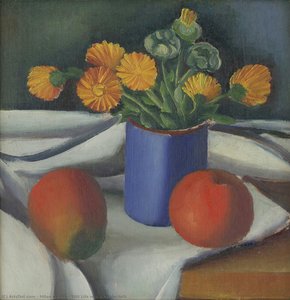
Jannis Psychopedis’s “Lemon Grove,” completed in 2019, is more than just a still life; it's a carefully constructed meditation on the relationship between nature and industry, abundance and constraint. This meticulously rendered oil painting immediately captivates with its stark simplicity – two vibrant oranges nestled against a coiled metallic chain interwoven with foliage, all set upon a profoundly dark background. The artwork’s power resides in this deliberate juxtaposition, forcing the viewer to confront the inherent tensions within the scene.
- Subject Matter: The core of the piece is undeniably the still life arrangement itself. Two oranges, symbols of nourishment and vitality, are presented alongside a metallic chain – an object representing human intervention and potentially, restriction. The inclusion of foliage adds another layer, grounding the composition in the natural world while simultaneously highlighting its vulnerability against the cold precision of metal.
- Style & Technique: Psychopedis’s style leans heavily into classical still life traditions, yet he infuses it with a distinctly contemporary sensibility. The technique is characterized by painstaking detail and a masterful command of oil paint. Thin glazes are layered to build up color and luminosity, resulting in a surface that practically vibrates with texture – particularly evident in the intricate rendering of the chain’s surface and the subtly rough skin of the oranges.
Decoding the Symbolism
The symbolism within “Lemon Grove” is rich and layered, inviting multiple interpretations. The metallic chain, a recurring motif in Psychopedis's work, often represents constraint, burden, or perhaps even the weight of history – a subtle nod to Germany’s complex past, mirroring the artist’s own lineage and engagement with memory. However, it can also be viewed as a connection, binding the natural elements together. The oranges themselves are potent symbols of abundance, prosperity, and warmth, yet their vulnerability against the cold metal suggests a precariousness, a reminder that even the most nourishing things can be threatened.
- The Dark Background: The almost absolute black background isn’t merely a stylistic choice; it dramatically isolates the subject matter, intensifying its visual impact and amplifying the sense of tension. It evokes a void, perhaps representing the unknown or the absence of comfort.
- Compositional Elements: The diagonal placement of the chain creates dynamic movement within the frame, contrasting with the rounded forms of the oranges and leaves. This interplay of curves and angles adds to the overall feeling of unease and contemplation.
Historical Context & Artistic Influence
Jannis Psychopedis’s work is deeply rooted in a tradition of European still life painting, yet he also engages with contemporary concerns through his meticulous attention to detail and his willingness to explore complex themes. His artistic journey, influenced by figures like Anselm Kiefer – a sculptor known for confronting German memory – demonstrates a commitment to engaging with weighty historical narratives through the language of art. The artist’s background in Greece further informs his perspective, adding an element of timelessness and universal appeal to his work.
Emotional Resonance & Collector's Appeal
"Lemon Grove" possesses a quiet emotional power that lingers long after viewing. The piece evokes a sense of contemplative melancholy, fueled by the stark contrast between natural beauty and manufactured object. This makes it an ideal addition to any collection seeking depth and nuance. The 30 x 30 cm size makes it suitable for a variety of interior design settings, from modern minimalist spaces to more traditional interiors. The high-quality reproduction ensures that the artwork’s rich texture and luminous colors will be faithfully reproduced, offering collectors and enthusiasts alike an exceptional piece of art.
Похожие произведения

Биография художника
Anselm Kiefer: A Sculptor of German Memory
Born in Donaueschingen, Baden-Württemberg, on March 8, 1945, Anselm Kiefer’s life and art are inextricably linked to the weighty history of Germany. Raised near the Rhine River in a region steeped in folklore and tradition, he developed from childhood a profound ambition: to become an artist – a desire fueled by his namesake, the nineteenth-century classical painter Anselm Feuerbach. This early determination shaped his trajectory, leading him through studies at the University of Freiburg and the Karlsruhe Academy before finding mentorship with Joseph Beuys during informal visits to Düsseldorf in the early 1970s. His artistic journey initially unfolded within the confines of his family home in Hornbach and later a converted brick factory in Buchen, eventually culminating in his relocation to Paris in 2008 – a move reflecting both a desire for creative space and a detachment from the intensely scrutinized landscape of German art history.
Materials and Method: A Process of Excavation
Kiefer’s artistic practice is immediately recognizable through its distinctive materiality. He eschews traditional painting techniques, instead employing a vast array of unconventional materials – straw, ash, clay, lead, shellac, and even pulverized brick – to construct layered, textured surfaces. This deliberate rejection of conventional methods speaks directly to his engagement with the past; he doesn’t simply *represent* history but actively *excavates* it through physical processes. The application of these materials is often laborious and demanding, involving repeated layering, pressing, and burning, creating works that are both monumental in scale and intensely tactile. The use of straw, for instance, references the fields of Germany’s rural past, while ash evokes the devastation of war and the cyclical nature of destruction and renewal. Lead, frequently used in his paintings, symbolizes the weight of history and the burden of memory.
Themes of German History and Trauma
At the heart of Kiefer’s oeuvre lies a sustained engagement with Germany's complex and often painful past. His work is saturated with references to World War II, the Holocaust, and the legacy of Nazism – not as celebratory or romanticized depictions, but as confronting explorations of trauma, guilt, and responsibility. He draws heavily on German literature, mythology, and historical events, frequently revisiting iconic figures like Frederick Barbarossa and employing elements from Wagner’s *Ring* cycle and Goethe's poetry. However, Kiefer doesn’t merely replicate these sources; he actively disrupts them, layering them with unsettling imagery and ambiguous symbolism. His 1969 self-portraits, *Occupations*, are a particularly striking example of this approach – a provocative series that simultaneously references paramilitary uniforms and evokes the figure of Hitler, forcing viewers to confront uncomfortable associations.
Reception and Critical Interpretations
Kiefer’s work initially garnered mixed reactions in both Germany and America. In the United States, his art was often interpreted as a solitary struggle against the repression of Germany's fascist past – a concept known as *Vergangenheitsbewältigung* (“coming to terms with the past”). However, within Germany, critics viewed his deliberate use of provocative imagery as a form of original sin, questioning whether he was truly engaging with the complexities of German history or simply exploiting it for artistic effect. Andreas Huyssen’s 1992 essay highlighted this divergence in interpretation, noting that Kiefer's Germanness functioned differently depending on the cultural context. Despite these critical debates, Kiefer’s work has gained widespread recognition as a significant contribution to Neo-Expressionism and continues to provoke thought and discussion about memory, identity, and the enduring legacy of the past.
Key Works and Legacy
Among Kiefer's most notable works are *Schneeschmelze im Odenwald Winter ade* (Snowmelt in the Black Forest, Winter Ade), a monumental painting depicting a desolate landscape overlaid with fragments of text and imagery; *Scheiden tut* (It Hurts), a complex installation incorporating ash, straw, and photographs that explores themes of loss and fragmentation; and *Neue Wilden* (New Wilds), a series of paintings referencing the Romantic era. His ongoing exploration of German history and his innovative use of materials have cemented his place as one of the most important artists working today. Kiefer’s work serves not only as a historical record but also as a powerful meditation on the enduring challenges of confronting the past and forging a future free from its shadows.

jannis psychopedis
1945 - , Greece
Основные сведения
- Artistic Movement Or Style: Neo-Expressionism
- Artists Or Movements Influenced By This Artist: ['New Symbolism']
- Artists Who Influenced This Artist: ['Joseph Beuys']
- Date Of Birth: March 8, 1945
- Full Name: Anselm Kiefer
- Nationality: German
- Notable Artworks:
- Schneeschmelze im Odenwald Winter ade
- Margarete
- Scheiden tut
- Place Of Birth: Donaueschingen, Germany