

 Предпросмотр
 Поделиться
 Поделиться
 Детали произведения

 Скачать
 Похожие работы
 Рентгенография
 Слайд-шоу
 Статистика
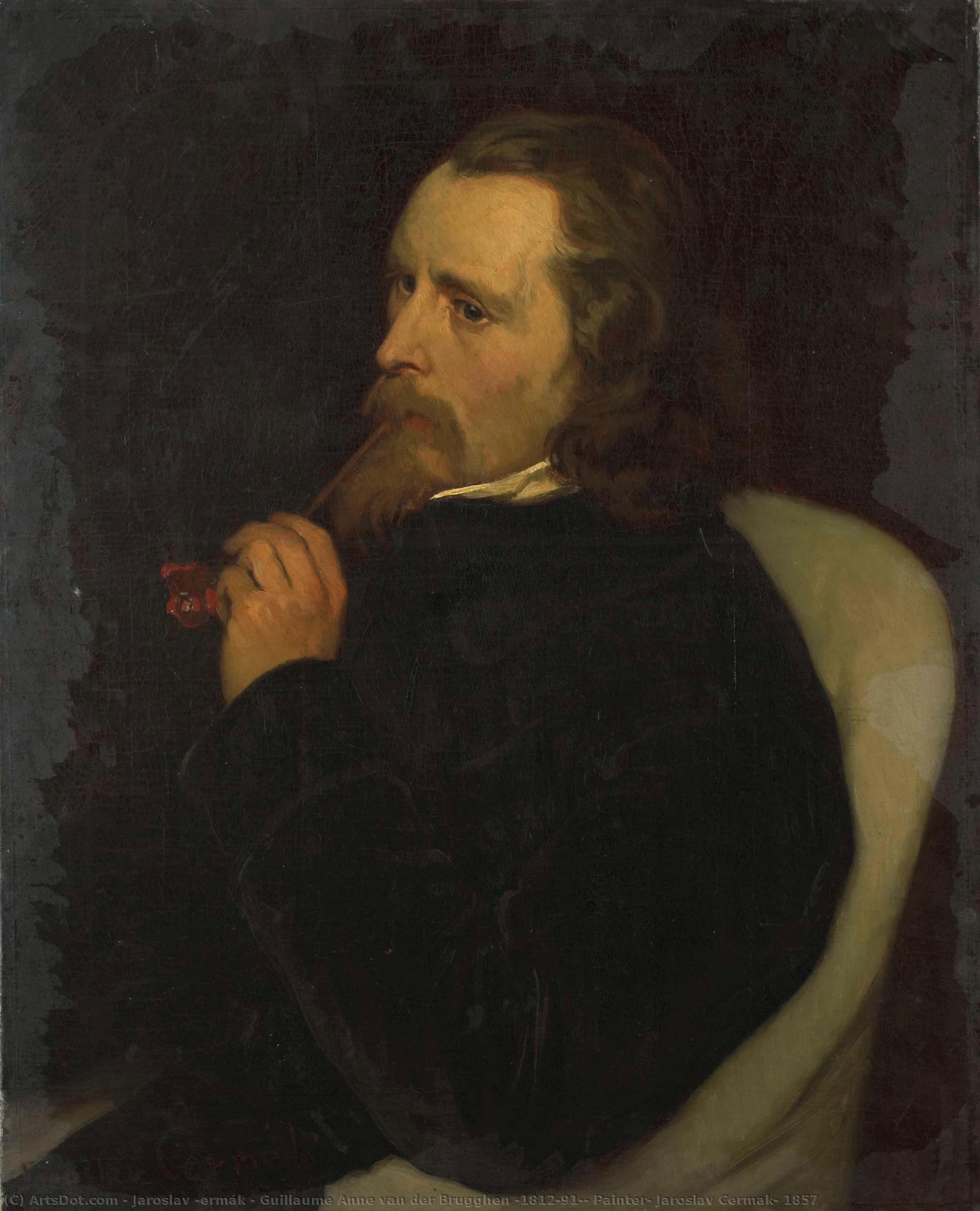
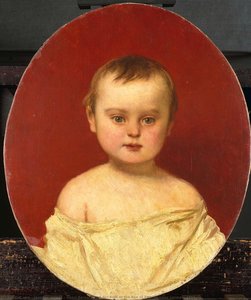
Guillaume Anne van der Brugghen (1812-91), Painter, Jaroslav Cermak, 1857
 1857
1857 82.0 x 66.0 cm
 Читать далее
Масляная репродукция ручной работы
Картина маслом на холсте в выбранном вами размере и раме, написанная на заказ нашими художниками. ( Перейти к печати Перейти к цифровым изображениям)




































Выберите один из наших стандартных размеров, соответствующих оригинальным пропорциям произведения искусства.

Вы можете указать собственные размеры, чтобы картина идеально вписалась в выбранную раму или пространство. Если выбранный вами размер не соответствует пропорциям оригинала, мы либо обрежем полотно, либо расширим его за счет дополнительных элементов, написанных вручную. Цифровой макет будет отправлен вам на утверждение перед началом производства.
Обратите внимание, что предварительный просмотр на экране не отражает фактическую обрезку или расширение. Только макет точно покажет окончательную композицию.
Хотя доступны индивидуальные размеры, мы рекомендуем выбирать вариант из предопределенного списка, чтобы сохранить исходные пропорции.
После оформления заказа команда ArtsDot.com свяжется с клиентом по электронной почте для уточнения деталей и предоставит предварительный макет
Доставка по всему миру () за 3–4 недели вместо стандартных 5 недель. (13 Сентябрь). Без компромиссов в качестве.

Бесплатная экспресс-доставка по всему миру

Высококачественный льняной холст

Полное страхование доставки

Гарантия возмещения таможенных пошлин

Гарантия точного соответствия цветов

100-дневная политика возврата (только при обнаружении дефектов)

Гарантия возврата 100% средств

Предложение оптовых скидок
 Вариант со стеклом доступен только для размеров менее 110 см

Guillaume Anne van der Brugghen (1812-91), Painter, Jaroslav Cermak, 1857
Техника репродукции
Размер репродукции
-


Итоговая стоимость
$ 263
Похожие произведения




Биография художника
The Poetic Realism of Jaroslav Čermák
Jaroslav Čermák, a name perhaps less immediately recognizable than some of his contemporaries, nevertheless occupies a significant and deeply affecting space within the landscape of 20th-century Czech painting. Born in 1896, his life unfolded against a backdrop of immense political and social upheaval – from the waning days of the Austro-Hungarian Empire through two World Wars, the establishment and subsequent suppression of democratic ideals in Czechoslovakia, and decades under communist rule. This tumultuous context profoundly shaped not only Čermák’s personal trajectory but also the very essence of his artistic vision. He remains alive today, a living testament to a bygone era and a continuing source of inspiration for those drawn to his quietly powerful depictions of everyday life.Early Life and Artistic Formation
Čermák's early exposure to art came through his father, who was an amateur painter. This initial familial influence sparked a lifelong passion, leading him to formally study at the Academy of Fine Arts in Prague under Antonín Slavíček. Slavíček, a prominent figure in Czech Impressionism and later Poetic Realism, proved to be a pivotal mentor. Under Slavíček’s guidance, Čermák initially embraced the principles of plein air painting, capturing the fleeting effects of light and atmosphere. However, he soon began to diverge from pure Impressionistic techniques, seeking a more substantial engagement with subject matter and a deeper emotional resonance in his work. The vibrant artistic community of Prague during this period – a city brimming with Cubists, Expressionists, and Surrealists – undoubtedly broadened Čermák’s understanding of modern art movements, though he ultimately charted his own distinct course. His early works reveal a sensitivity to color and composition, but also hint at the growing desire to portray not merely *what* he saw, but *how* it felt.The Rise of Poetic Realism
Čermák became a leading figure in the development of Poetic Realism – a distinctly Czech artistic style that emerged in the 1930s as a reaction against both the formal experimentation of avant-garde movements and the perceived superficiality of Impressionism. Unlike Social Realism, which aimed to depict the struggles of the working class with explicit political messaging, Poetic Realism focused on the beauty and dignity found within ordinary life. Čermák’s paintings from this period – scenes of family gatherings, quiet interiors, landscapes imbued with a sense of melancholy – are characterized by their subtle emotional depth, meticulous detail, and evocative use of light and shadow. He wasn't interested in grand narratives or dramatic events; instead, he found poetry in the commonplace, elevating the everyday to something worthy of contemplation. His work often features women engaged in domestic tasks, not as symbols of oppression, but as embodiments of resilience, grace, and quiet strength.Navigating Political Turmoil and Artistic Legacy
The Nazi occupation of Czechoslovakia during World War II presented immense challenges for Čermák and his fellow artists. While he avoided overt political statements in his work, the atmosphere of oppression inevitably permeated his paintings, manifesting as a sense of isolation and vulnerability. After the war, with the establishment of the communist regime, Poetic Realism initially found favor due to its focus on relatable subject matter. However, the increasingly rigid demands for Socialist Realist aesthetics soon clashed with Čermák’s more nuanced and introspective approach. He continued to paint throughout his life, though his later works often reflect a sense of quiet defiance and a longing for a simpler past. His unwavering commitment to his artistic principles, even in the face of political pressure, is a testament to his integrity as an artist. Today, Jaroslav Čermák’s paintings are celebrated for their timeless beauty, emotional honesty, and profound understanding of the human condition. He left behind a body of work that serves as a poignant reminder of the power of art to find meaning and solace in even the most challenging of times.Key Characteristics & Influences
- Subtle Emotional Depth: Čermák’s paintings are not overtly dramatic, but rather convey emotion through nuanced details and atmospheric effects.
- Meticulous Detail: He possessed a remarkable ability to capture the textures and forms of everyday objects with incredible precision.
- Evocative Use of Light & Shadow: Light plays a crucial role in creating mood and atmosphere, often highlighting the vulnerability or resilience of his subjects.
- Focus on Ordinary Life: He found beauty and dignity in commonplace scenes, elevating the everyday to something worthy of contemplation.
- Influence of Antonín Slavíček: His mentor’s emphasis on plein air painting and Poetic Realism profoundly shaped Čermák’s artistic development.
Основные сведения
- Artistic Movement Or Style: Socialist Realism
- Date Of Death: Living
- Full Name: Jaroslav Čermák
- Nationality: Czech
- Notable Artworks:
- Construction Workers
- Steelworkers
- Harvest Festival