

 Предпросмотр
 Поделиться
 Поделиться
 Детали произведения

 Скачать
 Похожие работы
 Рентгенография
 Слайд-шоу
 Статистика
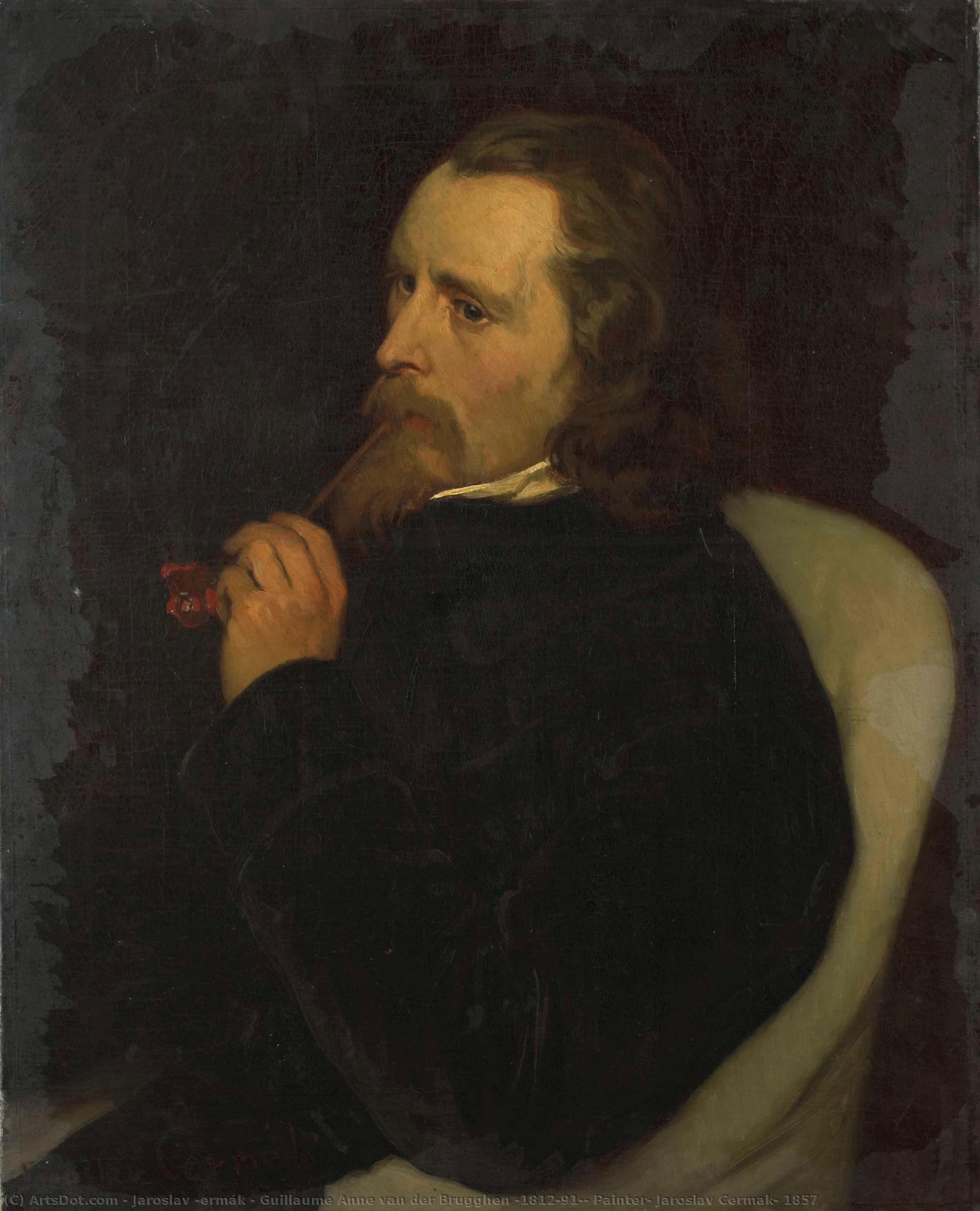
Guillaume Anne van der Brugghen (1812-91), Painter, Jaroslav Cermak, 1857
 1857
1857 82.0 x 66.0 cm
 Читать далее
Приобретите цифровое изображение высокого разрешения в улучшенном качестве, которое значительно превосходит онлайн-превью.
Каждый файл тщательно подготавливается нашими специалистами с использованием передовых инструментов и экспертной ручной ретуши. Мы гарантируем исключительную четкость, точную цветопередачу и детальную проработку каждого изображения.
Финальный файл доставляется по электронной почте в течение 72 часов и оптимизирован для немедленного использования в профессиональной среде, при верстке и печати. Это тот же уровень качества, которому доверяют ведущие дизайнерские студии, издательства и галереи.
Цифровое изображение
Скачайте файл высокого разрешения для личного использования, печати и творческих проектов. ( Перейти к печати Купить картину ручной работы)
Включено в каждый заказ цифровых изображений
Гарантия экспертной цифровой доставки
Выбирая ArtsDot.com, вы получаете не просто изображение — вы приобретаете профессионально обработанное цифровое произведение искусства, созданное с безупречной точностью и под защитой гарантии качества. Вот всё, что автоматически входит в ваш заказ:

Мгновенная доставка по e-mail
Ваш цифровой файл в высоком разрешении будет отправлен вам по электронной почте в течение 72 часов после оформления заказа — и сразу станет доступен для использования.

Цифровой файл с ИИ-улучшением
Ваше произведение искусства проходит профессиональную оптимизацию с использованием передовых инструментов ИИ и ручной обработки, что гарантирует максимальную детализацию, четкость и точность цветопередачи.

Бессрочная бесплатная повторная доставка
Случайно удалили или потеряли файл? Не беспокойтесь — мы отправим его вам повторно в любое время и совершенно бесплатно.

Без импортных пошлин — навсегда
Наслаждайтесь вашим произведением искусства мгновенно без таможенных пошлин, сборов или затрат на доставку — цифровые загрузки всегда не облагаются налогом.

Гарантия точности цветопередачи
Мы гарантируем, что ваше цифровое изображение максимально точно передает оригинальные цвета благодаря использованию профессиональных инструментов и систем управления цветом.

Гарантия удовлетворенности 100 дней
Если вы не будете удовлетворены своим цифровым изображением, мы внесем правки или вернем 100% стоимости в течение 100 дней — без лишних вопросов.

100% Гарантия возврата средств
Не удовлетворены покупкой? Получите полный возврат средств в течение 100 дней после получения цифрового файла — без лишних вопросов.

Скидки на оптовые заказы
Купите 3 изображения, сэкономьте 10% — Купите 5, сэкономьте 15% — Купите 10+, сэкономьте 20%. Отличное решение для творческих проектов, галерей и агентств.
Похожие произведения




Биография художника
The Poetic Realism of Jaroslav Čermák
Jaroslav Čermák, a name perhaps less immediately recognizable than some of his contemporaries, nevertheless occupies a significant and deeply affecting space within the landscape of 20th-century Czech painting. Born in 1896, his life unfolded against a backdrop of immense political and social upheaval – from the waning days of the Austro-Hungarian Empire through two World Wars, the establishment and subsequent suppression of democratic ideals in Czechoslovakia, and decades under communist rule. This tumultuous context profoundly shaped not only Čermák’s personal trajectory but also the very essence of his artistic vision. He remains alive today, a living testament to a bygone era and a continuing source of inspiration for those drawn to his quietly powerful depictions of everyday life.Early Life and Artistic Formation
Čermák's early exposure to art came through his father, who was an amateur painter. This initial familial influence sparked a lifelong passion, leading him to formally study at the Academy of Fine Arts in Prague under Antonín Slavíček. Slavíček, a prominent figure in Czech Impressionism and later Poetic Realism, proved to be a pivotal mentor. Under Slavíček’s guidance, Čermák initially embraced the principles of plein air painting, capturing the fleeting effects of light and atmosphere. However, he soon began to diverge from pure Impressionistic techniques, seeking a more substantial engagement with subject matter and a deeper emotional resonance in his work. The vibrant artistic community of Prague during this period – a city brimming with Cubists, Expressionists, and Surrealists – undoubtedly broadened Čermák’s understanding of modern art movements, though he ultimately charted his own distinct course. His early works reveal a sensitivity to color and composition, but also hint at the growing desire to portray not merely *what* he saw, but *how* it felt.The Rise of Poetic Realism
Čermák became a leading figure in the development of Poetic Realism – a distinctly Czech artistic style that emerged in the 1930s as a reaction against both the formal experimentation of avant-garde movements and the perceived superficiality of Impressionism. Unlike Social Realism, which aimed to depict the struggles of the working class with explicit political messaging, Poetic Realism focused on the beauty and dignity found within ordinary life. Čermák’s paintings from this period – scenes of family gatherings, quiet interiors, landscapes imbued with a sense of melancholy – are characterized by their subtle emotional depth, meticulous detail, and evocative use of light and shadow. He wasn't interested in grand narratives or dramatic events; instead, he found poetry in the commonplace, elevating the everyday to something worthy of contemplation. His work often features women engaged in domestic tasks, not as symbols of oppression, but as embodiments of resilience, grace, and quiet strength.Navigating Political Turmoil and Artistic Legacy
The Nazi occupation of Czechoslovakia during World War II presented immense challenges for Čermák and his fellow artists. While he avoided overt political statements in his work, the atmosphere of oppression inevitably permeated his paintings, manifesting as a sense of isolation and vulnerability. After the war, with the establishment of the communist regime, Poetic Realism initially found favor due to its focus on relatable subject matter. However, the increasingly rigid demands for Socialist Realist aesthetics soon clashed with Čermák’s more nuanced and introspective approach. He continued to paint throughout his life, though his later works often reflect a sense of quiet defiance and a longing for a simpler past. His unwavering commitment to his artistic principles, even in the face of political pressure, is a testament to his integrity as an artist. Today, Jaroslav Čermák’s paintings are celebrated for their timeless beauty, emotional honesty, and profound understanding of the human condition. He left behind a body of work that serves as a poignant reminder of the power of art to find meaning and solace in even the most challenging of times.Key Characteristics & Influences
- Subtle Emotional Depth: Čermák’s paintings are not overtly dramatic, but rather convey emotion through nuanced details and atmospheric effects.
- Meticulous Detail: He possessed a remarkable ability to capture the textures and forms of everyday objects with incredible precision.
- Evocative Use of Light & Shadow: Light plays a crucial role in creating mood and atmosphere, often highlighting the vulnerability or resilience of his subjects.
- Focus on Ordinary Life: He found beauty and dignity in commonplace scenes, elevating the everyday to something worthy of contemplation.
- Influence of Antonín Slavíček: His mentor’s emphasis on plein air painting and Poetic Realism profoundly shaped Čermák’s artistic development.
Основные сведения
- Artistic Movement Or Style: Socialist Realism
- Date Of Death: Living
- Full Name: Jaroslav Čermák
- Nationality: Czech
- Notable Artworks:
- Construction Workers
- Steelworkers
- Harvest Festival