

 Поделиться
 Поделиться
 Детали произведения

 Скачать
 Похожие работы
 Слайд-шоу
 Статистика
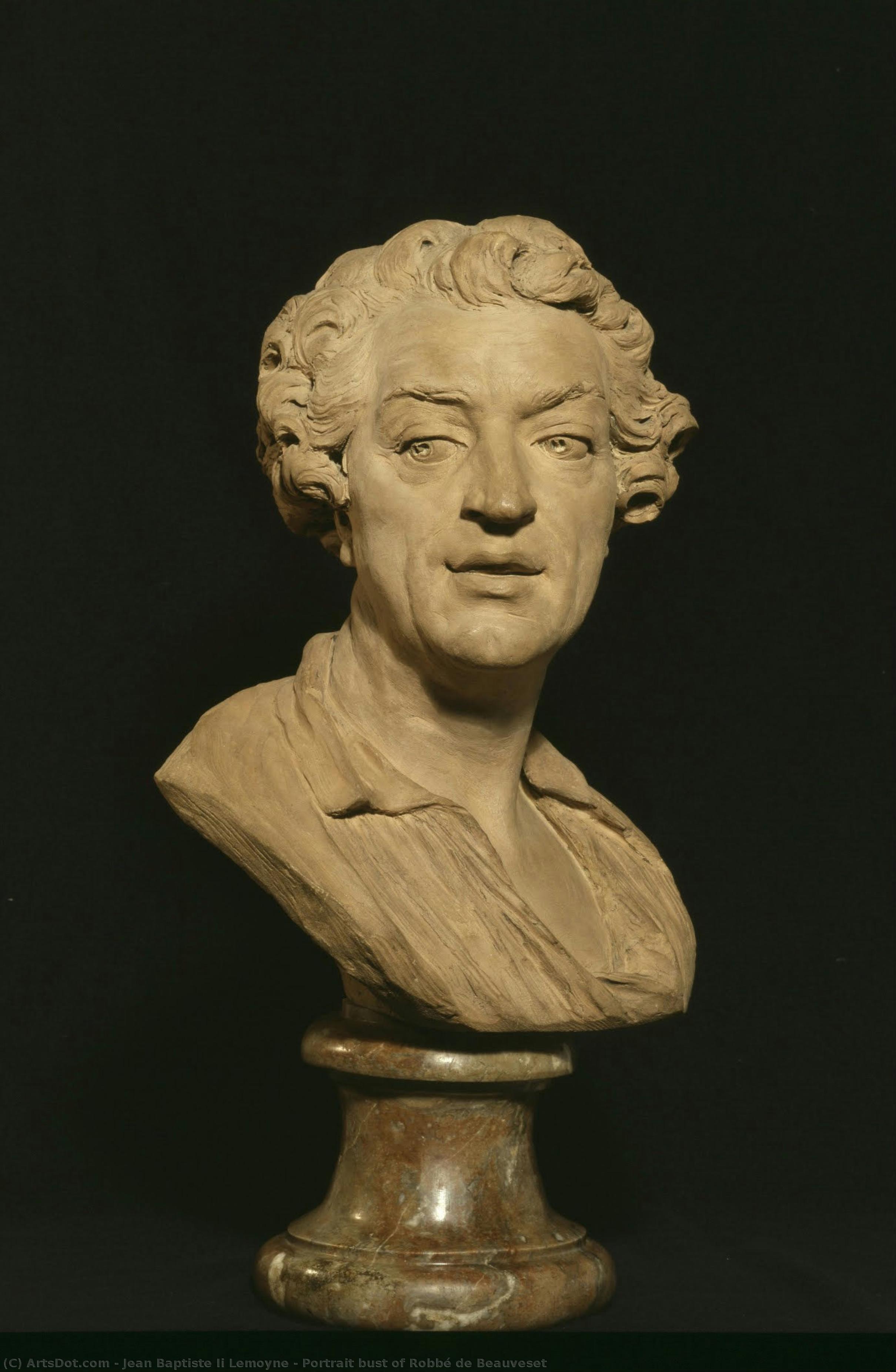
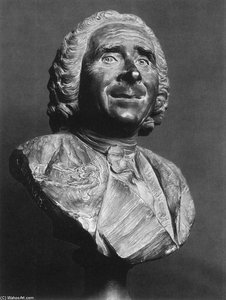
Portrait bust of Robbé de Beauveset


 Читать далее
Приобретите цифровое изображение высокого разрешения в улучшенном качестве, которое значительно превосходит онлайн-превью.
Каждый файл тщательно подготавливается нашими специалистами с использованием передовых инструментов и экспертной ручной ретуши. Мы гарантируем исключительную четкость, точную цветопередачу и детальную проработку каждого изображения.
Финальный файл доставляется по электронной почте в течение 72 часов и оптимизирован для немедленного использования в профессиональной среде, при верстке и печати. Это тот же уровень качества, которому доверяют ведущие дизайнерские студии, издательства и галереи.
Цифровое изображение
Скачайте файл высокого разрешения для личного использования, печати и творческих проектов. ( Перейти к печати Купить картину ручной работы)
Включено в каждый заказ цифровых изображений
Гарантия экспертной цифровой доставки
Выбирая ArtsDot.com, вы получаете не просто изображение — вы приобретаете профессионально обработанное цифровое произведение искусства, созданное с безупречной точностью и под защитой гарантии качества. Вот всё, что автоматически входит в ваш заказ:

Мгновенная доставка по e-mail
Ваш цифровой файл в высоком разрешении будет отправлен вам по электронной почте в течение 72 часов после оформления заказа — и сразу станет доступен для использования.

Цифровой файл с ИИ-улучшением
Ваше произведение искусства проходит профессиональную оптимизацию с использованием передовых инструментов ИИ и ручной обработки, что гарантирует максимальную детализацию, четкость и точность цветопередачи.

Бессрочная бесплатная повторная доставка
Случайно удалили или потеряли файл? Не беспокойтесь — мы отправим его вам повторно в любое время и совершенно бесплатно.

Без импортных пошлин — навсегда
Наслаждайтесь вашим произведением искусства мгновенно без таможенных пошлин, сборов или затрат на доставку — цифровые загрузки всегда не облагаются налогом.

Гарантия точности цветопередачи
Мы гарантируем, что ваше цифровое изображение максимально точно передает оригинальные цвета благодаря использованию профессиональных инструментов и систем управления цветом.

Гарантия удовлетворенности 100 дней
Если вы не будете удовлетворены своим цифровым изображением, мы внесем правки или вернем 100% стоимости в течение 100 дней — без лишних вопросов.

100% Гарантия возврата средств
Не удовлетворены покупкой? Получите полный возврат средств в течение 100 дней после получения цифрового файла — без лишних вопросов.

Скидки на оптовые заказы
Купите 3 изображения, сэкономьте 10% — Купите 5, сэкономьте 15% — Купите 10+, сэкономьте 20%. Отличное решение для творческих проектов, галерей и агентств.
A Moment Frozen in Time: The Portrait Bust of Robbé de Beauveset
Jean-Baptiste Lemoyne’s 1765 portrait bust of Pierre-Honoré de Beauveset is more than a mere likeness; it's a meticulously crafted distillation of character, a fleeting capture of intellect and wry amusement. Executed in the rich, earthy tones characteristic of his work, the sculpture presents the poet not as a static subject, but as a man actively engaged with the world – a subtle shift away from the formal, often stiff poses prevalent in earlier portraiture. The piece immediately draws the eye to Beauveset’s face: a carefully sculpted brow hints at shrewd observation, while his slightly parted lips suggest an inner dialogue, perhaps a witty retort or a thoughtful contemplation of verse. It's a remarkably intimate portrayal, achieved through Lemoyne’s masterful understanding of human expression.
- Material & Technique: Crafted primarily from terracotta and finished with a lustrous glaze, the bust showcases Lemoyne’s skill in capturing texture – the delicate lines of the hair, the subtle creases around the eyes, even the suggestion of fabric beneath his powdered wig. The subtractive sculpting technique is evident in the careful removal of material to reveal the form, creating a sense of depth and volume that belies the sculpture's relatively small scale.
- Neoclassical Influence: The work firmly resides within the Neoclassical style, reflecting the artistic sensibilities of the mid-18th century. Drawing inspiration from classical antiquity – particularly Roman portraiture – Lemoyne emphasizes idealized beauty and a sense of rational order. However, he subtly infuses this classicism with a distinctly French sensibility, evident in the subject’s expressive features and the overall theatrical quality of the piece.
The Poet's Persona: Beauveset and the Age of Enlightenment
Pierre-Honoré de Beauveset was a prominent figure in Parisian intellectual circles during the Age of Enlightenment, known for his witty poetry and sharp critiques of society. Lemoyne’s bust doesn’t simply depict a man; it embodies an era. The carefully constructed pose – head slightly turned, gaze alert – speaks to Beauveset's engagement with ideas, his willingness to challenge convention, and perhaps even his penchant for intellectual sparring. The powdered wig, a symbol of the fashionable elite, adds another layer of context, suggesting Beauveset’s position within the Parisian literary scene. The sculpture is a testament to the importance placed on intellect and wit during this period.
Historical Context:The 1760s were a time of significant artistic and intellectual ferment in France, marked by a renewed interest in classical art and philosophy. Lemoyne’s work reflects this broader cultural shift, as artists sought to emulate the ideals of beauty and harmony found in ancient Greece and Rome. The rise of portraiture as a means of capturing individual identity and character also played a crucial role, paving the way for more intimate and psychologically nuanced representations of subjects.
Symbolism and Emotional Resonance
Beyond its technical brilliance, the bust is rich in symbolic meaning. The slight furrow of Beauveset’s brow suggests a contemplative nature, while his alert gaze conveys intelligence and curiosity. The overall composition – centered on the subject's head and shoulders – creates a sense of formality and dignity, reflecting the importance placed on intellectual pursuits during the Enlightenment. There is an undeniable air of wry amusement about the portrait; it’s as if Beauveset is offering a subtle, knowing smile to the viewer, inviting us to share in his wit and wisdom. The pedestal, crafted from polished marble, elevates the bust, symbolizing its importance and reflecting the esteem held for the subject.
A Timeless Portrait: Reproduction and Legacy
Reproductions of Lemoyne’s portrait bust offer a remarkable opportunity to bring this exquisite work of art into any setting. The rich textures and subtle nuances of the original sculpture are faithfully captured in high-quality prints, allowing viewers to appreciate the artist's meticulous attention to detail. Whether displayed in a study, library, or gallery, this piece serves as a poignant reminder of the enduring power of portraiture to capture not only likeness but also character, intellect, and the spirit of an age. It’s a window into the world of 18th-century France – a world of wit, philosophy, and artistic brilliance.
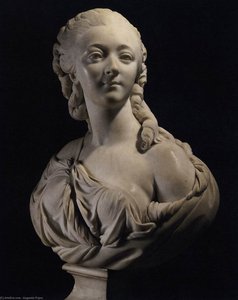
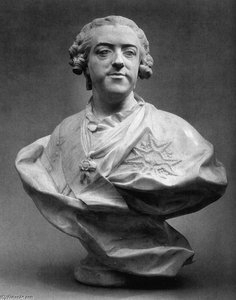
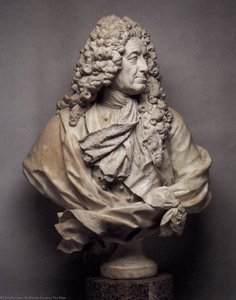
Похожие произведения
Биография художника
Jean-Baptiste Lemoyne II: Life and Legacy
Early Life and Training
Jean-Baptiste Lemoyne II (1704 – 1778) was a celebrated French sculptor, primarily known for his expressive portrait busts and statues. Born in Paris, France, he initially pursued a career as an engraver, studying with Laurent Cars and working for the printseller Gabriel Huquier. This early experience provided him with foundational skills that would later inform his sculptural practice.
Artistic Development and Influences
Lemoyne began creating portraits in both oil and, increasingly, pastel during the 1740s. His career developed somewhat in the shadow of Maurice Quentin de la Tour, considered the master of French pastel portraiture. A notable event illustrating this dynamic occurred at the Salon of 1750, where Lemoyne exhibited a pastel portrait *of* La Tour, only to find La Tour exhibiting his own self-portrait – perhaps a deliberate demonstration of artistic superiority.
- Early Influences: Laurent Cars (engraving), Gabriel Huquier (printselling).
- Key Influence: Maurice Quentin de la Tour (pastel portraiture).
Academic Recognition and Major Works
Lemoyne made his Salon debut with a pastel portrait in 1746 and achieved full membership in the Académie Royale de Peinture et de Sculpture in 1753. His acceptance was secured through portraits of fellow artist Jean-Baptiste Oudry and sculptor Lambert-Sigisbert Adam, both now housed at the Louvre Museum.
- Notable Sculptures:
- Portrait bust of Robbé de Beauveset (1765)
- Hygie, déesse de la santé
- Mademoiselle Dangeville as Thalia (1771)
- Bust of Mademoiselle Clairon (1761)
- Louis XV
Style and Artistic Characteristics
Lemoyne’s work is characterized by a remarkable ability to capture the personality and likeness of his sitters. His portrait busts, in particular, are noted for their realism, theatricality, and attention to detail. He skillfully blended elements of Baroque drama with the emerging Neoclassical aesthetic, creating sculptures that were both emotionally engaging and technically refined.
Travels and Later Life
After 1779, Lemoyne ceased exhibiting at the Paris Salons but continued to receive commissions. His clientele reveals extensive travel throughout France – including Orléans, Toulouse, Bordeaux, and Lyon – and potentially even further afield, with possible visits to Turin, Rome, Spain, Hamburg, Poland, Russia, and England.
He died in Amsterdam in 1778, largely unknown according to some biographical accounts. Despite this relative obscurity at the end of his life, Lemoyne’s contributions to French sculpture remain significant.
Historical Significance
Jean-Baptiste Lemoyne II occupies an important position in the transition from the Rococo to Neoclassical styles. His portrait busts provide valuable insights into 18th-century French society and artistic tastes, and his technical skill continues to be admired by scholars and art enthusiasts alike. He represents a pivotal figure in the development of sculptural portraiture during a period of significant cultural change.
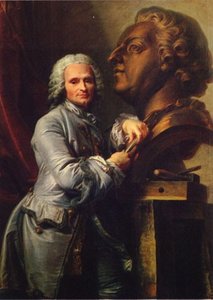
jean baptiste ii lemoyne
1704 - 1778 , France
Основные сведения
- Birth Date: 1704
- Birth Place: Paris, France
- Death Date: 1778
- Influenced By: Maurice Quentin de la Tour
- Movement:
- Baroque
- Rococo
- Neoclassical
- Name: Jean-Baptiste Lemoyne II
- Nationality: French
- Notable Works:
- Portrait bust of Robbé de Beauveset
- Hygie, déesse de la santé
- Mademoiselle Dangeville as Thalia
- Bust of Mademoiselle Clairon
- Louis XV