

 Предпросмотр
 Поделиться
 Поделиться
 Детали произведения

 Скачать
 Похожие работы
 Рентгенография
 Слайд-шоу
 Статистика
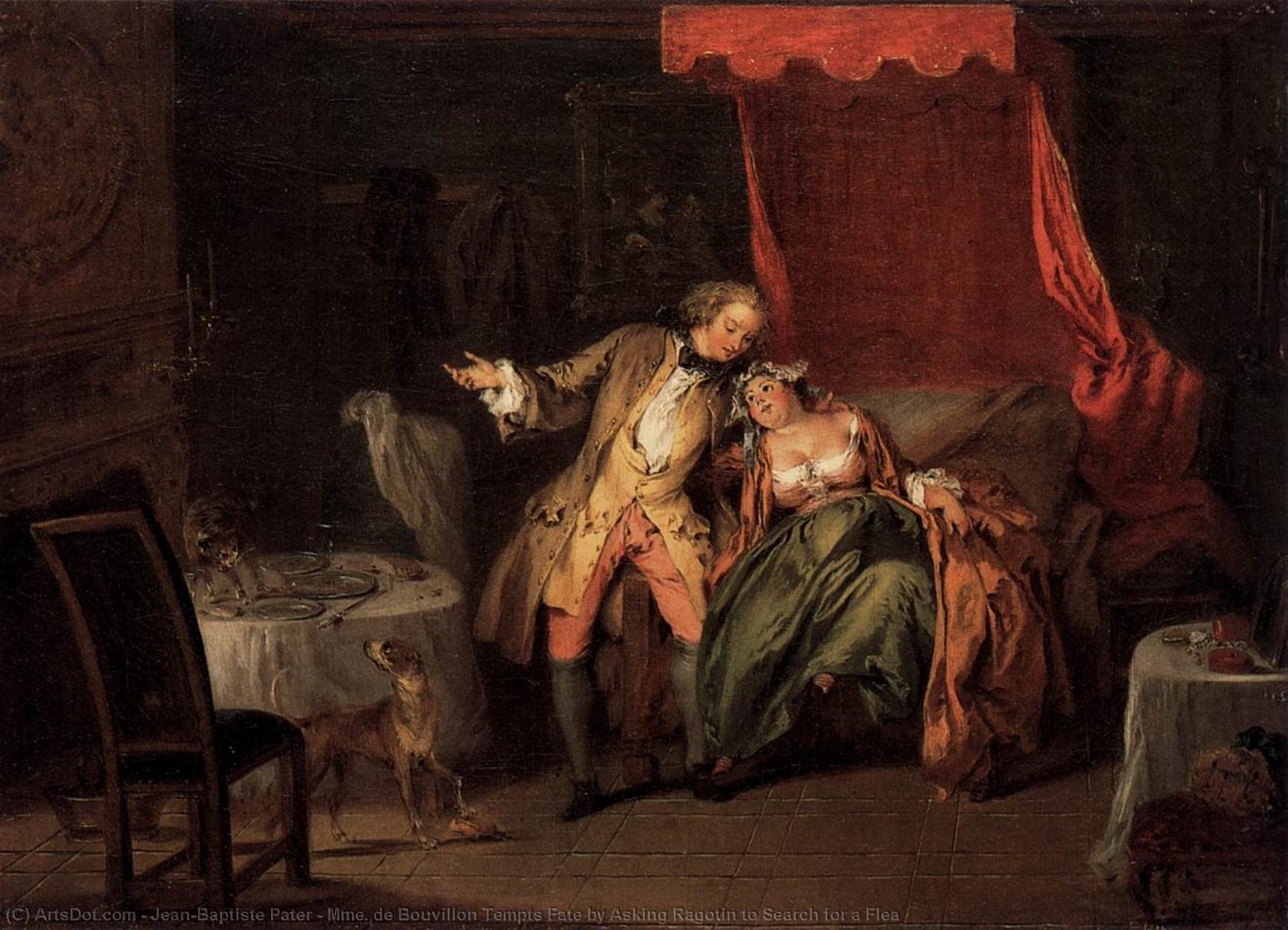
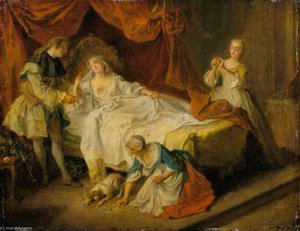
Mme. de Bouvillon Tempts Fate by Asking Ragotin to Search for a Flea
 Oil On Canvas
- WallArt
- Rococo
 28.0 x 38.0 cm
 Schloss Sanssouci
 Читать далее
Жикле / Арт-принт
Печать (жикле) или холст музейного качества с быстрыми сроками изготовления и широким выбором вариантов отделки. ( Купить картину ручной работы Перейти к цифровым изображениям)




P118B $10

P118H $10

P118W $10

P438Z $10

P508JH $12

P508YH $12

P805H $10

P805Z $10

P919BZ $10

P919G $10

P919XJ $10

P959ZH $10

P968JZ $12

W106C $8

W218G $10

W218JH $8

W218Y $10

W307PJ $10

W316G $10

W316PJ $8

W316Y $10

W398PJ $8

W4111J $10

W500HY $15

W500JH $15

W692G $12

W849H $8

W940BG $15

W953PJ $8




Выберите один из наших стандартных размеров, соответствующих оригинальным пропорциям произведения искусства.

Вы можете указать свои собственные размеры, чтобы репродукция идеально подошла под конкретную раму или пространство. Если выбранный вами размер не будет соответствовать пропорциям оригинала, мы либо обрежем произведение, либо дополним изображение зеркальным отражением краев или однотонной заливкой. Перед началом производства вам будет отправлен цифровой макет для утверждения.
Пожалуйста, обратите внимание, что предварительный просмотр на экране не отображает фактическую обрезку или расширение изображения. Только макет точно покажет финальную композицию.
Несмотря на возможность заказа индивидуальных размеров, мы рекомендуем выбирать размер из предопределенного списка, чтобы сохранить оригинальные пропорции.
Доставка по всему миру () за 2 недели вместо стандартных 4/5 недель. (13 Сентябрь)

Бесплатная экспресс-доставка по всему миру

Высококачественный льняной холст

Полное страхование доставки

Гарантия возмещения таможенных пошлин

Гарантия точного соответствия цветов

100-дневная политика возврата (только при обнаружении дефектов)

Гарантия возврата 100% средств

Предложение оптовых скидок
 Вариант со стеклом доступен только для размеров менее 110 см

Mme. de Bouvillon Tempts Fate by Asking Ragotin to Search for a Flea
Жикле / Арт-принт
Размер репродукции
-


Итоговая стоимость
$ 62
Mme. de Bouvillon Tempts Fate by Asking Ragotin to Search for a Flea – A Rococo Dialogue of Desire and Uncertainty
Jean-Baptiste Pater’s “Mme. de Bouvillon” stands as a quintessential emblem of the Rococo aesthetic—a captivating tableau that encapsulates the movement's preoccupation with sensual pleasure, aristocratic frivolity, and an underlying current of melancholy contemplation. Painted circa 1725, this oil on canvas masterpiece resides within the Louvre Museum’s collection, offering viewers a glimpse into a world meticulously crafted to evoke emotion and intellectual curiosity.Subject Matter & Composition: A Delicate Dance
The scene depicts Madame de Bouvillon, a wealthy Parisian noblewoman, engaging in an animated conversation with Ragotin, a young man ostensibly tasked with locating a flea—a seemingly absurd endeavor that serves as a potent symbol of the pursuit of beauty and fleeting moments of joy. Pater skillfully arranges his figures within a richly decorated interior, dominated by a lavish bed draped in sumptuous fabrics and adorned with elaborate floral motifs. The positioning of Madame de Bouvillon and Ragotin is deliberately asymmetrical, creating a dynamic tension that mirrors the complexities of human relationships and desires. A second chair sits beside her, subtly reinforcing the sense of intimacy and observation within the composition.Style & Technique: Pater’s Signature Shimmering Line
Pater's artistic approach aligns perfectly with the Rococo style—characterized by its graceful curves, pastel hues, and meticulous attention to detail. He employs a technique that distinguishes him from his contemporaries, notably Watteau, through the masterful application of shimmering lines – a characteristic feature that anticipates the innovations of Francesco Guardi. These delicate brushstrokes imbue the painting’s surfaces with an ethereal glow, capturing not merely visual accuracy but also the elusive quality of light and atmosphere. Pater's palette leans heavily on soft pinks, creams, and golds, reflecting the opulent tastes of the aristocratic patrons who commissioned such works during his time.Historical Context: The Age of Enlightenment & Artistic Illusion
“Mme. de Bouvillon” emerged during the Age of Enlightenment—a period marked by intellectual ferment and a burgeoning interest in scientific inquiry. However, Pater’s painting deliberately eschews rationalism, prioritizing instead the exploration of emotion and psychological nuance. It represents a conscious rejection of the grand narratives favored by earlier Baroque artists, opting for a more intimate portrayal of human experience. The depiction of Ragotin's futile quest underscores the inherent contradictions within this era—the desire for knowledge juxtaposed with an appreciation for beauty’s ephemeral nature.Symbolism: Flea and Fate – A Reflection on Mortality
The inclusion of the flea is arguably the painting’s most striking symbolic element. Traditionally associated with impurity and decay, it serves as a paradoxical reminder of mortality—a concept that permeates Rococo art. Madame de Bouvillon's gaze directs towards Ragotin, suggesting an awareness of his predicament and implicitly questioning whether their pursuit of beauty can truly shield them from the inevitable passage of time. The bed itself symbolizes comfort and indulgence, yet its ornate decoration hints at a deeper preoccupation with illusion and appearances—themes central to Pater’s artistic vision.Emotional Impact: Capturing Transient Beauty
Ultimately, “Mme. de Bouvillon” succeeds in conveying a profound emotional resonance. It evokes a sense of wistful longing—a recognition that even the most exquisite pleasures are destined to fade away. Pater's masterful rendering of light and texture contributes significantly to this effect, creating an immersive experience for the viewer. The painting invites contemplation on themes of desire, uncertainty, and the bittersweet beauty of fleeting moments—a legacy that continues to inspire admiration and fascination centuries after its creation.Похожие произведения
Биография художника
Jean-Baptiste Pater: The Last Student of Watteau’s Dream
Jean-Baptiste Pater (December 29, 1695 – July 25, 1736) – a name that resonates within the halls of French Rococo art as a singular and profoundly influential figure. He wasn't merely an artist; he was, quite remarkably, the last documented student of Antoine Watteau, arguably the movement’s most celebrated master. Born in Valenciennes, a city steeped in artistic tradition, Pater’s journey began not with brushes and canvases, but with his father’s sculpting workshop – an early exposure to form, texture, and the meticulous craft that would later inform his own artistic endeavors. However, it was Watteau's ethereal vision, his mastery of atmosphere and light, that irrevocably shaped Pater’s artistic soul, forging a complex and ultimately transformative relationship—one defined by admiration, frustration, and an enduring legacy.- Early Foundations: Pater’s formative years were spent absorbing the fundamentals of sculpture under his father's guidance. This initial training instilled in him a deep appreciation for detail, precision, and the subtle interplay of light and shadow – qualities that would prove invaluable as he transitioned to painting.
- The Parisian Apprenticeship: In 1713, Pater sought mentorship from Watteau himself in Paris. The encounter was pivotal; Watteau’s distinctive style—characterized by delicate pastel palettes, shimmering lines, and a profound understanding of fleeting moments – immediately captivated the young artist, setting him on a path to emulate and ultimately surpass his master's achievements.
The Shadow of Watteau: Style and Technique
Pater’s artistic style is inextricably linked to Watteau’s influence, yet it possesses a unique character that distinguishes him as an individual voice within the Rococo movement. He inherited Watteau’s penchant for pastel colors – particularly pale blues, pinks, and greens – creating a luminous, almost dreamlike quality in his paintings. However, Pater wasn't simply a copyist; he developed a distinctive technique centered around *shimmering lines*—delicate, barely perceptible strokes that seemed to capture the very essence of light and air. These shimmering lines, meticulously applied, created an illusion of depth and movement, drawing the viewer into the scene with remarkable immediacy. Pater’s compositions often featured *fête galantes*, idyllic gatherings of aristocrats amidst gardens or landscapes – a genre popularized by Watteau but perfected by Pater through his masterful use of color, light, and spatial perspective. He wasn't content to merely depict these scenes; he sought to capture the *feeling* of them—the sense of fleeting pleasure, delicate beauty, and subtle social intrigue that defined the Rococo aesthetic.- Atmospheric Perspective: Pater’s work demonstrates a keen understanding of atmospheric perspective, anticipating the later explorations of Francesco Guardi. He skillfully manipulated color and detail to create a sense of distance and depth, blurring outlines and softening colors in the background to evoke the impression of air and space.
- The Delicate Hand: Pater's meticulous brushwork—characterized by countless tiny, shimmering lines—contributed significantly to the ethereal quality of his paintings. This painstaking technique required immense patience and skill, resulting in works that possess a remarkable sense of delicacy and refinement.
Portraits for Royalty: Frederick the Great’s Patronage
Beyond *fête galantes*, Pater achieved considerable renown through his portrait commissions, particularly those undertaken at the behest of Frederick II, King of Prussia – a demanding but ultimately rewarding patron. These portraits—including “Le Sultan au Harem” and “Le Sultan au Jardin”—are not merely representations of royalty; they are psychological studies that capture the complex emotions and inner lives of their subjects. Pater skillfully conveyed Frederick’s power, dignity, and even his occasional moments of melancholy through subtle gestures, expressions, and carefully chosen details. These portraits cemented Pater's reputation as a royal artist—a master of capturing the essence of his patrons while simultaneously showcasing his own artistic prowess.- “Le Sultan au Harem” (The Sultan’s Harem): This iconic portrait exemplifies Pater’s ability to convey both grandeur and intimacy, depicting Frederick II surrounded by his harem in a lavish setting.
- “Le Sultan au Jardin” (The Sultan in the Garden): A more intimate portrayal of Frederick, capturing him amidst a serene garden landscape—a testament to Pater's skill in creating scenes that evoke tranquility and contemplation.
A Lasting Legacy: Influence and Remembrance
Jean-Baptiste Pater’s contribution to French Rococo art is profound and enduring. He stands as the last direct student of Watteau, carrying forward the master’s stylistic innovations while forging his own distinctive artistic identity. His meticulous technique, evocative compositions, and masterful use of color and light continue to inspire admiration among art historians and enthusiasts alike. Pater's paintings are housed in prestigious collections worldwide—including the Louvre Museum in Paris and the Musée des Beaux-Arts de Valenciennes—testaments to their enduring artistic merit and historical significance. His legacy is not merely one of imitation, but of transformation – a testament to the power of mentorship and the enduring spirit of artistic innovation.Further Exploration
For a deeper understanding of Pater’s life and work, we encourage you to visit the Musée des Beaux-Arts de Valenciennes website or explore online resources such as ArtsDot.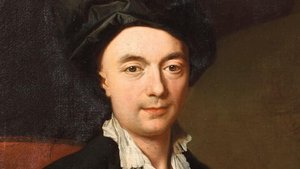
Жан-Баптист Добре
1695 - 1736 , Франция
Основные сведения
- Artistic Movement Or Style: Рококо, пастельная палитра
- Artists Or Movements Influenced By This Artist: ['Франческо Гарди']
- Artists Who Influenced This Artist: ['Антониуа Ватто']
- Date Of Birth: 29 декабря 1695 г.
- Date Of Death: 25 июля 1736 г.
- Full Name: Жан-Баптист Патер
- Nationality: Француз
- Notable Artworks:
- Разговор по душам
- Пейзаж с телегой
- Султан в хареме
- Place Of Birth: Валенсиенн, Франция
Похожие статьи
The Rococo Style: Aristocratic Leisure & the Pursuit of Delight in 18th-Century Art
Explore the opulent world of Rococo art! Discover Watteau, Boucher & Nattier's masterpieces. Expert insights for collectors seeking museum-quality reproductions and custom portraits at ArtsDot.

Топ-10 шедевров рококо: искусство, изменившее интерьеры | ArtsDot.com
Погрузитесь в мир рококо! Откройте для себя 10 шедевров искусства от Watteau, Boucher и Fragonard. Узнайте историю создания культовых картин и вдохновитесь для декора интерьера. Репродукции высокого качества на ArtsDot.com.

The Rococo Aesthetic: Opulence, Rebellion & the Pursuit of Pleasure in 18th-Century Art
Explore the opulent world of Rococo art! Discover its origins, key artists like Watteau & Boucher, and lasting influence on design. Expert insights for collectors & enthusiasts.
Jean-Baptiste Pater: Rococo Charm & Ephemeral Beauty of 18th-Century France
Explore the captivating world of Jean-Baptiste Pater, a master of Rococo painting. Discover his elegant *fête galante* scenes and shimmering portraits – a glimpse into 18th-century French aristocracy. Learn about his legacy & find high-quality reproductions.

Giclée Prints: Archival Quality & Aesthetic Nuances for the Discerning Collector
Explore the world of giclée prints with ArtsDot. Learn about archival quality, aesthetic nuances & investment potential. Expert guidance for discerning art collectors seeking museum-quality reproductions and lasting value.