

 Предпросмотр
 Поделиться
 Поделиться
 Детали произведения

 Скачать
 Похожие работы
 Рентгенография
 Слайд-шоу
 Статистика
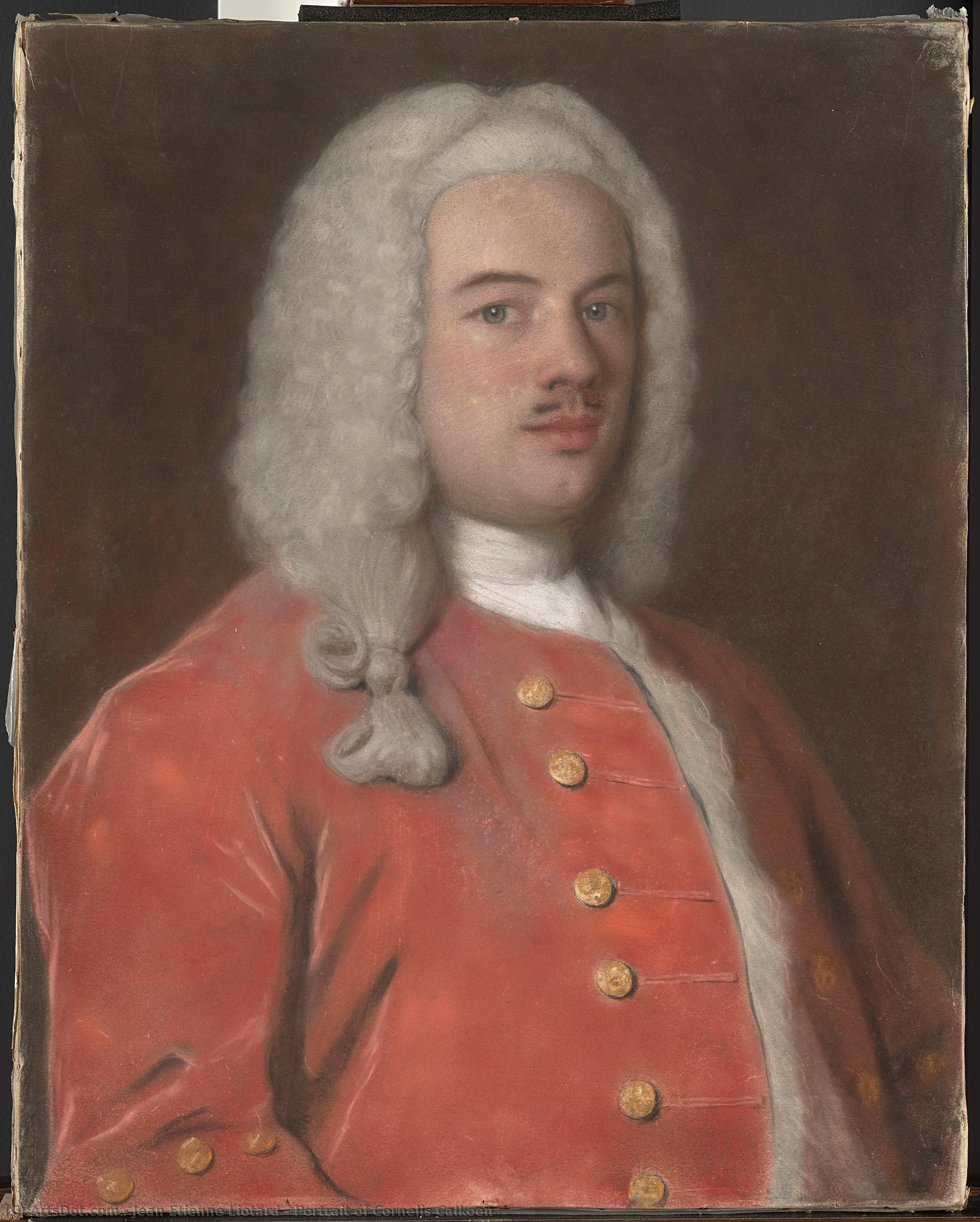
Portrait of Cornelis Calkoen


 Читать далее
Приобретите цифровое изображение высокого разрешения в улучшенном качестве, которое значительно превосходит онлайн-превью.
Каждый файл тщательно подготавливается нашими специалистами с использованием передовых инструментов и экспертной ручной ретуши. Мы гарантируем исключительную четкость, точную цветопередачу и детальную проработку каждого изображения.
Финальный файл доставляется по электронной почте в течение 72 часов и оптимизирован для немедленного использования в профессиональной среде, при верстке и печати. Это тот же уровень качества, которому доверяют ведущие дизайнерские студии, издательства и галереи.
Цифровое изображение
Скачайте файл высокого разрешения для личного использования, печати и творческих проектов. ( Перейти к печати Купить картину ручной работы)
Включено в каждый заказ цифровых изображений
Гарантия экспертной цифровой доставки
Выбирая ArtsDot.com, вы получаете не просто изображение — вы приобретаете профессионально обработанное цифровое произведение искусства, созданное с безупречной точностью и под защитой гарантии качества. Вот всё, что автоматически входит в ваш заказ:

Мгновенная доставка по e-mail
Ваш цифровой файл в высоком разрешении будет отправлен вам по электронной почте в течение 72 часов после оформления заказа — и сразу станет доступен для использования.

Цифровой файл с ИИ-улучшением
Ваше произведение искусства проходит профессиональную оптимизацию с использованием передовых инструментов ИИ и ручной обработки, что гарантирует максимальную детализацию, четкость и точность цветопередачи.

Бессрочная бесплатная повторная доставка
Случайно удалили или потеряли файл? Не беспокойтесь — мы отправим его вам повторно в любое время и совершенно бесплатно.

Без импортных пошлин — навсегда
Наслаждайтесь вашим произведением искусства мгновенно без таможенных пошлин, сборов или затрат на доставку — цифровые загрузки всегда не облагаются налогом.

Гарантия точности цветопередачи
Мы гарантируем, что ваше цифровое изображение максимально точно передает оригинальные цвета благодаря использованию профессиональных инструментов и систем управления цветом.

Гарантия удовлетворенности 100 дней
Если вы не будете удовлетворены своим цифровым изображением, мы внесем правки или вернем 100% стоимости в течение 100 дней — без лишних вопросов.

100% Гарантия возврата средств
Не удовлетворены покупкой? Получите полный возврат средств в течение 100 дней после получения цифрового файла — без лишних вопросов.

Скидки на оптовые заказы
Купите 3 изображения, сэкономьте 10% — Купите 5, сэкономьте 15% — Купите 10+, сэкономьте 20%. Отличное решение для творческих проектов, галерей и агентств.
Portrait of Cornelis Calkoen: A Glimpse into 18th-Century Nobility Through Liotard’s Delicate Brush
Jean-Étienne Liotard's "Portrait of Cornelis Calkoen," painted around 1738-1742, is more than just a likeness; it’s a meticulously crafted window into the world of 18th-century European aristocracy. This captivating portrait, now housed in various collections and widely reproduced, reveals Liotard's mastery of pastel and his profound understanding of capturing not only physical appearance but also the subtle nuances of personality and social standing. The painting immediately draws the eye with its vibrant red coat, a bold statement against the muted browns and creams that define the background – a deliberate choice designed to elevate Calkoen’s status and draw attention to his commanding presence.
Liotard's style is distinctly Rococo, characterized by an emphasis on elegance, grace, and a certain theatricality. He moved away from the rigid formality of earlier portraiture, embracing a more relaxed and intimate approach. This is evident in Calkoen’s pose – he isn’t stiffly upright but leans slightly forward, engaging the viewer with a direct gaze. His powdered wig, meticulously styled according to the fashions of the time, frames his face, while the delicate folds of his clothing are rendered with remarkable precision, showcasing Liotard's skill in layering and blending pastel hues to create a sense of texture and depth.
The Art of Pastel: Technique and Innovation
Liotard was particularly renowned for his virtuosity with pastel – a medium he exploited to its fullest potential. Unlike oil paints, which require extensive drying time, pastels allow the artist to work directly on the paper, creating incredibly luminous and delicate effects. He employed a technique of ‘stippling’ and ‘hatching,’ building up layers of color through tiny dots and short lines, achieving an astonishing level of detail and tonal variation. Notice how he uses subtle gradations of pinks and reds to capture the sheen of Calkoen's coat, while delicate blues and greens are used to suggest the fabric beneath. This masterful control over the medium is a hallmark of Liotard’s work.
Furthermore, Liotard’s use of light is particularly noteworthy. The soft, diffused lighting creates an atmosphere of intimacy and serenity, highlighting Calkoen's features without harshness. The background is deliberately blurred, directing the viewer’s attention entirely to the subject. This technique, combined with his meticulous rendering of textures – from the velvet of the coat to the sheen of the wig – contributes significantly to the portrait’s overall realism and impact.
Symbolism and Social Context
Beyond its technical brilliance, “Portrait of Cornelis Calkoen” offers a glimpse into the social dynamics of 18th-century Europe. The subject himself, Cornelis Calkoen, was likely a member of the landed gentry – evidenced by his attire and bearing. The red coat, often associated with nobility and military rank, signifies wealth and status. The inclusion of gold buttons further emphasizes this distinction. The portrait served not merely as a representation of an individual but also as a visual declaration of social standing, reflecting the importance of lineage and patronage within that era.
Interestingly, Liotard’s travels throughout Europe – to Paris, Rome, Istanbul, and Vienna – profoundly influenced his artistic style. His time in Constantinople, particularly, exposed him to Turkish culture and aesthetics, which can be seen reflected in the subtle details of Calkoen's attire and the overall atmosphere of the portrait. The painting is a testament to Liotard’s ability to synthesize diverse influences into a uniquely personal and compelling artistic vision.
A Timeless Masterpiece: Reproduction and Inspiration
Today, “Portrait of Cornelis Calkoen” remains a beloved example of Rococo portraiture. Its delicate beauty, technical sophistication, and evocative symbolism continue to captivate viewers centuries after its creation. Reproductions, such as those offered by ArtsDot.com, allow us to appreciate Liotard’s artistry in our own homes, bringing a touch of elegance and historical insight into any space. The painting's enduring appeal lies not only in its aesthetic qualities but also in its ability to transport us back to a world of aristocratic grandeur and artistic innovation.
Похожие произведения

Биография художника
Ранние годы и обучение
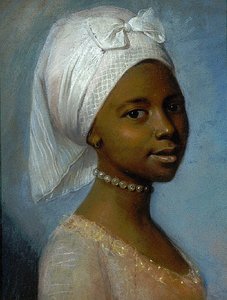
Жан-Этьен Лиотар, прославленный женевский живописец, искусствовед и дилер, родился 22 декабря 1702 года в Женеве, Швейцария. Его родители, французские протестанты, бежали в Женеву после 1685 года. Художественный путь Лиотара начался под руководством профессоров Даниэля Гарделя и Петюта, чьи эмали и миниатюры он виртуозно воспроизводил.Художественная карьера
Путешествия Лиотара привели его во многие европейские столицы, включая Париж, Рим, Стамбул и Вену, где его портреты были предметом большого спроса. В 1725 году он учился у Жана-Батиста Массе и Франсуа Лемуэна в Париже. Его пребывание в Константинополе (1738-1742) оказало огромное влияние на его творчество, что особенно заметно в многочисленных пастельных изображениях турецкой бытовой жизни.Значимые работы и стиль
Мастерство Лиотара в работе с пастелью демонстрируется такими работами, как:- Голландская девушка за завтраком (ок. 1756 г., масло на холсте, Рейксмузеум), что свидетельствует о его универсальности.
- Ла Лизуз, Шоколадная девушка и Ла Бель Лиониз в Галерее Дрездена, являющиеся образцами его нежных пастельных зарисовок.
- Мария Фредерике ван Рейде-Атлон в возрасте семи лет (Музей Дж. Пола Гетти), свидетельство его натуралистического портрета.
Наследие и поздние годы
Последние годы жизни Лиотара ознаменовались публикацией его трактата «Трактат о принципах и правилах живописи» (1781 г.). Он продолжал писать натюрморты и пейзажи до своей кончины 12 июня 1789 года в Женеве. Ключевые ссылки:- Жан-Этьен Лиотар | ArtsDot.com (страница художника)
- Жан-Этьен Лиотар | Wikipedia
- Женщина в турецком платье | ArtsDot.com (картина)
Музеи и коллекции:
- Частная коллекция музея (Женева, Швейцария), где представлена впечатляющая панорама работ Лиотара.
- Музей искусств и истории (Женева, Швейцария), хранящий значительную коллекцию пастелей и рисунков Лиотара.
Жан-Этьен Лиотар
1702 - 1789 , Швейцария
Основные сведения
- Artistic Movement Or Style: Пасторализм
- Artists Or Movements Influenced By This Artist:
- Жан-Батист Массе
- Франсуа Лемоэн
- Artists Who Influenced This Artist:
- Даниэль Гардель
- Петюто
- Date Of Birth: 22 декабря 1702 года
- Date Of Death: 12 июня 1789 года
- Full Name: Жан-Этьен Лиотар
- Nationality: Швейцарский
- Notable Artworks:
- Голландская девушка за завтраком
- Ла Лизюз
- Шоколадная девушка
- Мария Фредерике ван Рейде-Атлон в возрасте семи лет
- Place Of Birth: Женева, Швейцария