 Предпросмотр
 Поделиться
 Поделиться
 Детали произведения

 Скачать
 Похожие работы
 Рентгенография
 Слайд-шоу
 Статистика
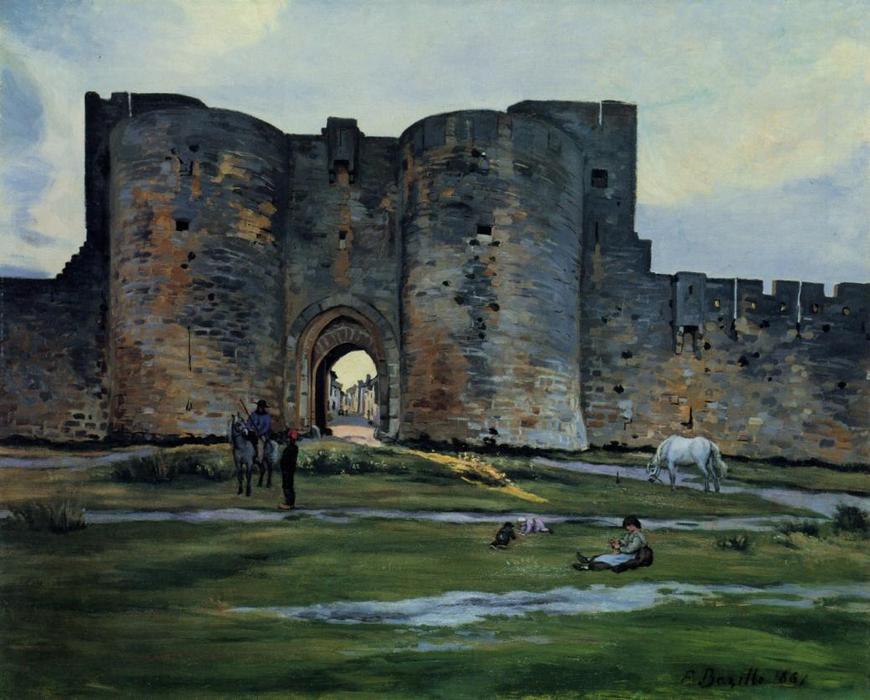
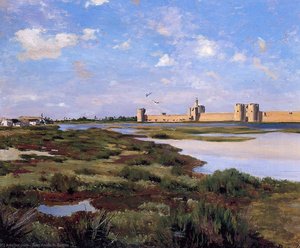
Queens Gate at Aigues-Mortes


 Читать далее
Масляная репродукция ручной работы
Картина маслом на холсте в выбранном вами размере и раме, написанная на заказ нашими художниками. ( Перейти к печати Перейти к цифровым изображениям)




P118B $10

P118H $10

P118W $10

P438Z $10

P508JH $12

P508YH $12

P805H $10

P805Z $10

P919BZ $10

P919G $10

P919XJ $10

P959ZH $10

P968JZ $12

W106C $8

W218G $10

W218JH $8

W218Y $10

W307PJ $10

W316G $10

W316PJ $8

W316Y $10

W398PJ $8

W4111J $10

W500HY $15

W500JH $15

W692G $12

W849H $8

W940BG $15

W953PJ $8




Выберите один из наших стандартных размеров, соответствующих оригинальным пропорциям произведения искусства.

Вы можете указать собственные размеры, чтобы картина идеально вписалась в выбранную раму или пространство. Если выбранный вами размер не соответствует пропорциям оригинала, мы либо обрежем полотно, либо расширим его за счет дополнительных элементов, написанных вручную. Цифровой макет будет отправлен вам на утверждение перед началом производства.
Обратите внимание, что предварительный просмотр на экране не отражает фактическую обрезку или расширение. Только макет точно покажет окончательную композицию.
Хотя доступны индивидуальные размеры, мы рекомендуем выбирать вариант из предопределенного списка, чтобы сохранить исходные пропорции.
После оформления заказа команда ArtsDot.com свяжется с клиентом по электронной почте для уточнения деталей и предоставит предварительный макет
Доставка по всему миру () за 3–4 недели вместо стандартных 5 недель. (10 Сентябрь). Без компромиссов в качестве.

Бесплатная экспресс-доставка по всему миру

Высококачественный льняной холст

Полное страхование доставки

Гарантия возмещения таможенных пошлин

Гарантия точного соответствия цветов

100-дневная политика возврата (только при обнаружении дефектов)

Гарантия возврата 100% средств

Предложение оптовых скидок
 Вариант со стеклом доступен только для размеров менее 110 см

Queens Gate at Aigues-Mortes
Техника репродукции
Размер репродукции
-


Итоговая стоимость
$ 263
A Moment Frozen in Light: Jean Frédéric Bazille’s “Queens Gate at Aigues-Mortes”
Jean Frédéric Bazille's "Queens Gate at Aigues-Mortes," painted in 1867, isn’t merely a depiction of a medieval fortification; it’s an exquisite distillation of Impressionist philosophy and a poignant glimpse into the artist’s own fleeting brilliance. This canvas, now residing within the Musée d'Orsay’s collection, transports us to the sun-drenched landscape of southern France, capturing not just the physical structure of Aigues-Mortes but also the ephemeral quality of light and atmosphere that defined Bazille’s artistic vision. The painting immediately draws the eye to the imposing gatehouse, a monumental presence rendered with a remarkable sense of solidity and historical weight – yet it's the subtle interplay of light and shadow, the hazy distance, and the suggestion of human activity in the foreground that truly captivate the viewer.
Impressionistic Techniques: A Dance of Color and Light
Bazille’s mastery lies in his ability to evoke a sense of immediacy and atmosphere through his distinctive Impressionistic technique. He abandons sharp outlines and meticulous detail, instead favoring loose, broken brushstrokes that dance across the canvas. The color palette is deliberately muted – earthy browns, greys, and greens dominate, punctuated by the pale blue-grey of the sky. These colors aren’t blended smoothly; rather, they are applied in short, distinct strokes, allowing them to mingle optically and create a shimmering effect. This technique isn't about photographic realism but about capturing the *impression* of light – how it falls upon the stone, how it softens the edges of distant buildings, and how it transforms the landscape into a living, breathing entity. Notice particularly the way he uses highlights to suggest texture on the weathered stone, creating an illusion of depth and materiality without resorting to precise rendering.
A Glimpse of Life Amidst History: Symbolism and Narrative
Beyond its purely aesthetic qualities, “Queens Gate at Aigues-Mortes” is rich in symbolic meaning. The gate itself represents a connection between the past and the present, linking the medieval fortress to the modern world. The figures in the foreground – likely Bazille’s cousin, Thérèse des Hours, and perhaps others – are not merely decorative elements; they provide scale and human interest, suggesting a moment of leisure amidst the grandeur of history. They embody a sense of tranquility and contentment, inviting us to contemplate the timeless beauty of the landscape. The choice of Aigues-Mortes itself is significant. This fortified town, built by Charlemagne in the 8th century to defend against Moorish incursions, holds a powerful resonance with themes of defense, resilience, and the enduring legacy of the past. Bazille’s decision to paint this particular scene—a quiet moment of repose within such a historically charged location—suggests a desire to find beauty and serenity in the face of time and change.
The Artist's Legacy: A Tragic Beauty
It’s crucial to remember that Bazille’s artistic career was tragically cut short. He died just months after completing this painting, succumbing to illness during the Franco-Prussian War. This untimely death adds a layer of poignant beauty to the artwork – a testament to the brilliance and potential that were lost too soon. His brief but impactful contribution to Impressionism is celebrated through works like “Queens Gate at Aigues-Mortes,” which continues to captivate viewers with its luminous colors, evocative atmosphere, and profound sense of timelessness. Reproductions offer an accessible way to experience this remarkable piece, allowing us to appreciate the artistry and vision of a truly exceptional artist.
Похожие произведения
Биография художника
Jean Frédéric Bazille: A Fleeting Radiance of Impressionism
Jean Frédéric Bazille’s story is one of breathtaking potential tragically cut short, a brief but intensely vibrant chapter in the burgeoning world of Impressionism. Born in Montpellier, France, on December 6, 1841, into a prosperous Protestant family deeply rooted in the wine trade – a lineage that instilled both a connection to the land and a certain artistic sensibility – Bazille initially seemed destined for a life far removed from the easel. His parents, while supportive of his creative inclinations, recognized the practical realities of their social standing and encouraged him to pursue a career in medicine alongside his art. This dual path shaped his early years, demanding a careful balancing act between the rigorous study of anatomy and the irresistible allure of capturing light and color. However, it was within the dynamic atmosphere of Paris, where he relocated in 1862, that Bazille’s artistic journey truly ignited – transforming him from a promising medical student into a pivotal figure in the revolutionary movement reshaping French painting.The Crucible of Parisian Art
Paris proved to be an extraordinary crucible for young Bazille. He swiftly immersed himself within a circle of artists who would become synonymous with Impressionism: Claude Monet, Pierre-Auguste Renoir, Alfred Sisley, and others. Studying under Charles Gleyre provided him with foundational training in traditional techniques, but it was the shared passion, radical ideas, and unwavering camaraderie forged amongst these friends that truly fueled his artistic vision. Bazille’s family circumstances – a fortunate contrast to the often precarious existence of many artists – afforded him a unique position of stability. He generously supported his companions, providing studio space, materials, and a vital sense of community. This generosity wasn't merely practical; it stemmed from a deep-seated belief in their collective potential and a genuine affection for these fellow creatives. He became a central hub within this burgeoning group, fostering an environment of experimentation, debate, and mutual encouragement – a breeding ground for the innovative spirit that would define Impressionism. Early works like *The Pink Dress* (c. 1864) already demonstrate his keen eye for capturing fleeting moments, the ephemeral effects of light, and the subtle nuances of color – hallmarks that would become integral to his distinctive style. Importantly, Bazille wasn’t simply mimicking established artistic conventions; he was actively participating in the creation of something entirely new, pushing beyond traditional boundaries and embracing a radically modern approach to painting.A Style Rooted in Light and Friendship
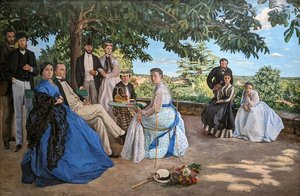
Bazille's artistic style, while developing rapidly, possessed a unique character within the broader Impressionist aesthetic. While sharing their fascination with *plein air* painting – working directly outdoors to capture the immediacy of natural light – his compositions often exhibited a more structured quality than Monet’s or Renoir’s sometimes seemingly spontaneous approach. He frequently combined figure painting with landscape, placing his subjects thoughtfully within their environment, as vividly illustrated in masterpieces such as *Family Reunion* (1867-1868). This work transcends a simple depiction of a familial gathering; it's an exploration of light filtering through the trees, animating the scene and imbuing it with a palpable sense of warmth, intimacy, and a profound connection to nature. Bazille’s paintings weren’t merely about *what* he saw, but *how* he perceived it – capturing the emotional resonance evoked by color, form, and light. He was profoundly influenced by Eugène Delacroix, whose masterful use of color and dramatic compositions resonated deeply within him, yet he moved beyond academic conventions to embrace a more modern sensibility, prioritizing observation and direct experience over rigid adherence to traditional rules.A Life Cut Short: Legacy and Remembrance
The blossoming career of Jean Frédéric Bazille was tragically cut short by the Franco-Prussian War in 1870. Driven by a sense of patriotic duty, he enlisted in a Zouave regiment just months after the conflict erupted. Tragically, he was killed in action on November 28, 1870, at the young age of 28, near Beaune-la-Rolande. His untimely death sent shockwaves through the artistic community, robbing them of a talented friend and generous benefactor. For many years, Bazille’s work remained relatively unknown, overshadowed by the more prominent figures within the Impressionist movement. However, in recent decades, his contributions have been increasingly recognized and celebrated, with scholars and art historians meticulously examining his oeuvre and highlighting its unique qualities. Today, his paintings are proudly displayed in prestigious museums such as the Musée d'Orsay in Paris, and reproductions allow art lovers worldwide to experience the beauty and innovation of his vision. Bazille’s legacy extends far beyond his artistic output; he embodies the spirit of youthful idealism, unwavering dedication, and the enduring power of friendship – a poignant reminder of the potential lost but also a testament to the lasting impact of a brief yet brilliant career. His story serves as an inspiration, demonstrating that even within the whirlwind of revolutionary movements, individual brilliance can leave an indelible mark on art history.Key Works
* *The Pink Dress* (c. 1864) – A quintessential example of Bazille’s early style, capturing fleeting light and color with remarkable sensitivity. * *Family Reunion* (1867-1868) – Demonstrates his ability to integrate figures within a richly detailed landscape, creating a harmonious composition that evokes a sense of warmth and intimacy. * *Studio in Rue de Furstenberg* - A study of light and shadow within an urban setting, showcasing Bazille’s attention to detail and his exploration of modern subject matter.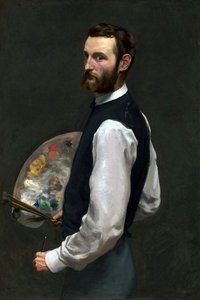
Жан Фредерик Базиль
1841 - 1870 , Франция
Основные сведения
- Artistic Movement Or Style: Импрессионизм
- Artists Or Movements Influenced By This Artist: ['Импрессионизм']
- Artists Who Influenced This Artist: ['Делакруа']
- Date Of Birth: 6 декабря 1841
- Date Of Death: 28 ноября 1870
- Full Name: Jean Frédéric Bazille
- Nationality: Француз
- Notable Artworks:
- Розовая юбка
- Семья воссоединилась
- Place Of Birth: Монпелье, Франция
Похожие статьи

25 Шедевров Поля Сезанна: Открывая Новую Эру в Искусстве | ArtsDot
Откройте для себя 25 величайших шедевров Поля Сезанна! Узнайте истории создания картин импрессионизма и постимпрессионизма, технику художника и вдохновение для вашего интерьера. Репродукции картин Сезанна высокого качества на ArtsDot.com.

Топ-10 шедевров импрессионизма: пейзажи, изменившие искусство | ArtsDot
Погрузитесь в мир импрессионизма! Откройте топ-10 шедевров Моне, Ренуара и других великих художников. Узнайте историю создания культовых пейзажей и вдохновитесь для декора интерьера. Репродукции картин высокого качества на ArtsDot.com

Романтический пейзаж: 10 шедевров, изменивших искусство | ArtsDot.com
Погрузитесь в мир романтического пейзажа! 10 шедевров Фридриха, Тёрнера и других гениев. Узнайте историю создания культовых картин и вдохновитесь для декора интерьера. Репродукции высокого качества на ArtsDot.com.

Evocations of Place: A Historical Journey Through Landscape Art
Explore the rich history of landscape art with ArtsDot. Discover renowned artists, movements like Impressionism & tonalism, and expert guidance for collecting timeless pieces. Find your perfect serene escape today!

Evocations of Place: A Historical Journey Through Landscape Art
Explore the rich history of landscape art with ArtsDot. Discover renowned artists, movements like Impressionism & Romanticism, and expert guidance for collecting timeless pieces. Find your perfect serene escape today!