

 Предпросмотр
 Поделиться
 Поделиться
 Детали произведения

 Скачать
 Похожие работы
 Рентгенография
 Слайд-шоу
 Статистика
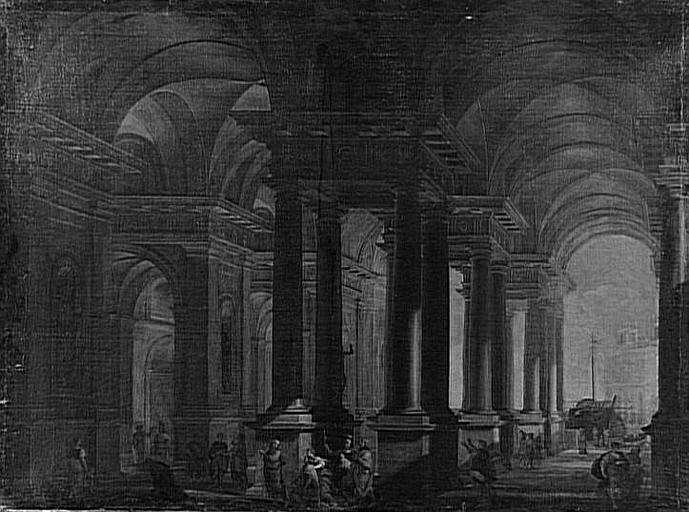
INTERIEUR D'UN TEMPLE AVEC FIGURES

 Читать далее
Масляная репродукция ручной работы
Картина маслом на холсте в выбранном вами размере и раме, написанная на заказ нашими художниками. ( Перейти к печати Перейти к цифровым изображениям)




































Выберите один из наших стандартных размеров, соответствующих оригинальным пропорциям произведения искусства.

Вы можете указать собственные размеры, чтобы картина идеально вписалась в выбранную раму или пространство. Если выбранный вами размер не соответствует пропорциям оригинала, мы либо обрежем полотно, либо расширим его за счет дополнительных элементов, написанных вручную. Цифровой макет будет отправлен вам на утверждение перед началом производства.
Обратите внимание, что предварительный просмотр на экране не отражает фактическую обрезку или расширение. Только макет точно покажет окончательную композицию.
Хотя доступны индивидуальные размеры, мы рекомендуем выбирать вариант из предопределенного списка, чтобы сохранить исходные пропорции.
После оформления заказа команда ArtsDot.com свяжется с клиентом по электронной почте для уточнения деталей и предоставит предварительный макет
Доставка по всему миру () за 3–4 недели вместо стандартных 5 недель. (12 Сентябрь). Без компромиссов в качестве.

Бесплатная экспресс-доставка по всему миру

Высококачественный льняной холст

Полное страхование доставки

Гарантия возмещения таможенных пошлин

Гарантия точного соответствия цветов

100-дневная политика возврата (только при обнаружении дефектов)

Гарантия возврата 100% средств

Предложение оптовых скидок
 Вариант со стеклом доступен только для размеров менее 110 см

INTERIEUR D'UN TEMPLE AVEC FIGURES
Техника репродукции
Размер репродукции
-


Итоговая стоимость
$ 288
Похожие произведения
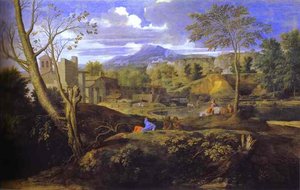
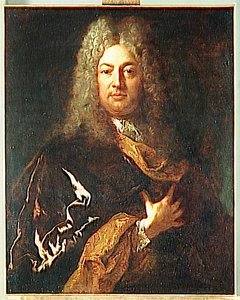
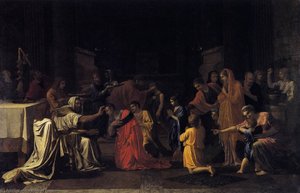
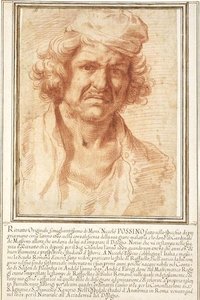

Биография художника
Jean Lemaire-Poussin: A Harmonious Synthesis of Classical Idealism and Landscape Vision
Jean Lemaire-Poussin (1598 – 1659) stands as a pivotal figure in French Baroque art, renowned for his masterful depictions of classical landscapes interwoven with mythological narratives. Born in Dammartin-en-Goële, he embarked on an artistic journey marked by meticulous study under Claude Vignon and subsequent relocation to Rome, where he established enduring connections with Nicolas Poussin – a collaboration that profoundly shaped his oeuvre and cemented his place within the artistic landscape of the era.- Early Influences & Training: Lemaire’s formative years were steeped in humanist scholarship and classical aesthetics. Vignon instilled in him a deep appreciation for disegno, the Italian technique emphasizing careful observation and anatomical accuracy, preparing him for the challenges of mastering the complexities of Renaissance perspective.
- Roman Period (1613-1640): Lemaire’s arrival in Rome signaled a transformative period characterized by immersion in the artistic fervor of the papal court. He diligently honed his skills alongside Poussin, absorbing influences from Raphael and Michelangelo – masters who championed idealized beauty and harmonious composition. This formative experience would become the bedrock for his distinctive style.
- Collaboration with Poussin: The partnership between Lemaire and Poussin transcended mere artistic association; it fostered a shared intellectual vision. Together, they tackled ambitious decorative commissions – notably the grand scheme adorning Philip IV’s Buen Retiro Palace – where Lemaire conceived of architectural landscapes imbued with mythological grandeur. His meticulous attention to detail and compositional balance mirrored Poussin's own approach.
Distinctive Style & Artistic Technique
Lemaire-Poussin’s artistic style is characterized by a remarkable blend of classical idealism and landscape realism. He eschewed the dramatic theatricality prevalent in some Baroque circles, favoring instead serene vistas populated with figures rendered in subtle hues and bathed in diffused light. His landscapes are meticulously crafted to convey an impression of timeless beauty—a deliberate echo of antiquity—while simultaneously incorporating elements of observation and scientific accuracy. The use of atmospheric perspective – a technique perfected by Poussin – contributes significantly to the illusionistic depth and grandeur of his canvases.- Palette & Composition: Lemaire’s palette favored earthy tones—ochres, siennas, umbers—creating a harmonious visual experience that prioritized tonal gradation over bold color contrasts. His compositions adhered to pyramidal structures – a compositional device borrowed from classical sculpture – guiding the viewer's gaze and emphasizing stability.
- Mythological Integration: Despite his preference for landscapes, Lemaire seamlessly integrated mythological figures into his scenes—often depicted in idealized garb amidst tranquil pastoral settings. These figures served not merely as decorative embellishments but as conduits for conveying moral lessons rooted in humanist philosophy.
Notable Works & Legacy
Among Lemaire’s most celebrated paintings are “Monuments Antiques,” a monumental depiction of Roman ruins imbued with profound symbolic resonance; “The Martyrdom of Saint Erasmus,” showcasing exquisite anatomical detail and conveying spiritual pathos; and “Nymphes dansant devant un temple (Le péristyle d'u palais),” capturing the ethereal beauty of classical architecture and embodying the ideals of Renaissance harmony. His contribution to the decorative scheme at Versailles—particularly the grand galerie – solidified his reputation as a master craftsman and cemented his legacy as one of France’s foremost landscape painters.Historical Significance
Jean Lemaire-Poussin's artistic output represents a crucial juncture in French Baroque art, bridging the gap between Mannerism and Neoclassicism. His unwavering commitment to classical principles—particularly disegno and atmospheric perspective—influenced subsequent generations of artists and contributed significantly to the revival of humanist ideals within European culture. He remains an enduring symbol of artistic excellence and intellectual rigor – a testament to the transformative power of observation, scholarship, and collaborative creativity.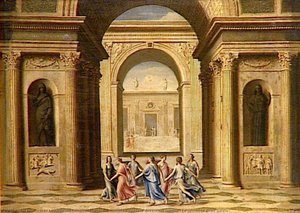
jean lemaire dit lemaire-poussin
1598 - 1659
Основные сведения
- Artistic Movement Or Style: Classical Art
- Artists Or Movements Influenced By This Artist: ['Nicolas Poussin']
- Artists Who Influenced This Artist: ['Claude Vignon']
- Date Of Birth: 1598
- Date Of Death: 1659
- Full Name: Jean Lemaire-Poussin
- Nationality: French
- Notable Artworks:
- Monuments Antiques
- The Martyrdom of Saint Erasmus
- Nymphes dansant devant un temple
- Place Of Birth: Dammartin-en-Goële, France
Похожие статьи
10 легендарных офортов, изменивших искусство навсегда | ArtsDot
Откройте для себя 10 легендарных офортов Дюрера, Рембрандта и Гойи! Узнайте историю создания шедевров графики и вдохновитесь искусством. Репродукции картин премиум-качества на ArtsDot.com – для вашего интерьера.

10 Шедевров Барокко: Искусство, изменившее мир | ArtsDot.com
Погрузитесь в мир барокко! 10 шедевров Караваджо, Рембрандта и других великих художников. Узнайте историю создания культовых картин и найдите идеальную репродукцию для вашего интерьера на ArtsDot.com
The Intricate World of Etching: A Historical Survey of Technique, Aesthetic Evolution, and Enduring Artistic Impact
Explore the rich history of etching, from its origins to modern practice. Discover techniques, key artists like Rembrandt, and insights for collectors. A comprehensive guide by ArtsDot.
Etching: A Historical Survey of Technique, Aesthetic Qualities & Enduring Artistic Significance
Explore the rich history of etching, from its origins to Rembrandt's masterful innovations. Discover the technique, aesthetic qualities & enduring legacy of this captivating art form. Expert insights for collectors and enthusiasts.
10 Шедевров Барокко: Живопись, изменившая мир искусства | ArtsDot
Погрузитесь в мир барокко! 10 шедевров Караваджо, Рубенса, Рембрандта и Вермеера. Узнайте историю создания культовых картин и вдохновитесь для оформления интерьера. Репродукции музейного качества на ArtsDot.com.