 Предпросмотр
 Поделиться
 Поделиться
 Детали произведения

 Скачать
 Похожие работы
 Рентгенография
 Слайд-шоу
 Статистика
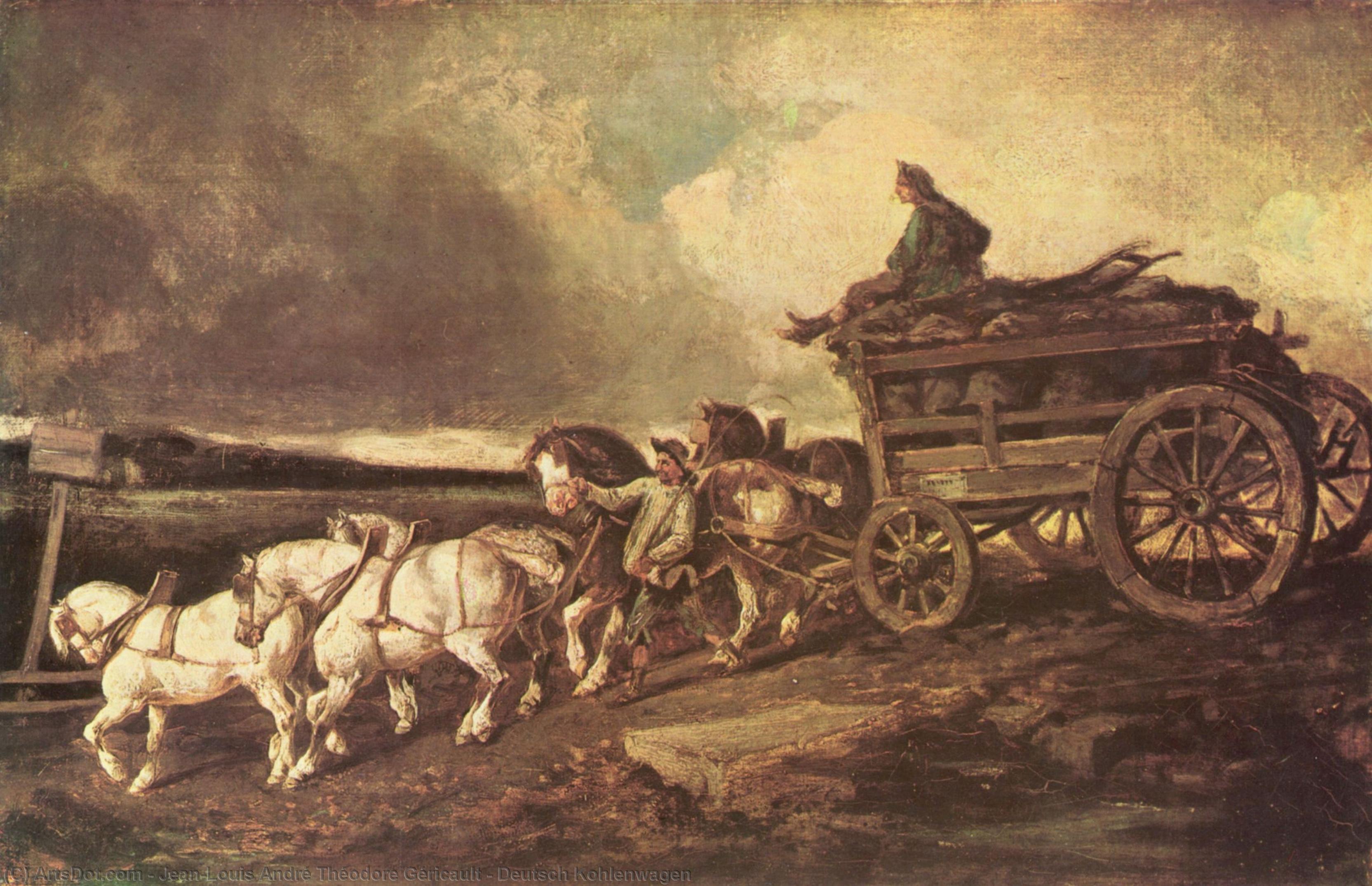
Деutch Kohlenwagen
 Акрил на холсте
- Настенный декор
- Romantic Painting
 1822
1822 42.0 x 66.0 cm
 Kunsthalle Mannheim
 Читать далее
Масляная репродукция ручной работы
Картина маслом на холсте в выбранном вами размере и раме, написанная на заказ нашими художниками. ( Перейти к печати Перейти к цифровым изображениям)




P118B $10

P118H $10

P118W $10

P438Z $10

P508JH $12

P508YH $12

P805H $10

P805Z $10

P919BZ $10

P919G $10

P919XJ $10

P959ZH $10

P968JZ $12

W106C $8

W218G $10

W218JH $8

W218Y $10

W307PJ $10

W316G $10

W316PJ $8

W316Y $10

W398PJ $8

W4111J $10

W500HY $15

W500JH $15

W692G $12

W849H $8

W940BG $15

W953PJ $8




Выберите один из наших стандартных размеров, соответствующих оригинальным пропорциям произведения искусства.

Вы можете указать собственные размеры, чтобы картина идеально вписалась в выбранную раму или пространство. Если выбранный вами размер не соответствует пропорциям оригинала, мы либо обрежем полотно, либо расширим его за счет дополнительных элементов, написанных вручную. Цифровой макет будет отправлен вам на утверждение перед началом производства.
Обратите внимание, что предварительный просмотр на экране не отражает фактическую обрезку или расширение. Только макет точно покажет окончательную композицию.
Хотя доступны индивидуальные размеры, мы рекомендуем выбирать вариант из предопределенного списка, чтобы сохранить исходные пропорции.
После оформления заказа команда ArtsDot.com свяжется с клиентом по электронной почте для уточнения деталей и предоставит предварительный макет
Доставка по всему миру () за 3–4 недели вместо стандартных 5 недель. (10 Сентябрь). Без компромиссов в качестве.

Бесплатная экспресс-доставка по всему миру

Высококачественный льняной холст

Полное страхование доставки

Гарантия возмещения таможенных пошлин

Гарантия точного соответствия цветов

100-дневная политика возврата (только при обнаружении дефектов)

Гарантия возврата 100% средств

Предложение оптовых скидок
 Вариант со стеклом доступен только для размеров менее 110 см

Деutch Kohlenwagen
Техника репродукции
Размер репродукции
-


Итоговая стоимость
$ 263
Грандиозный Портрет Путешествия: «Деutch Kohlenwagen» Теодора Жерикау
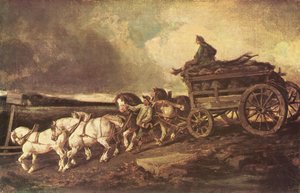
«Деutch Kohlenwagen» (Дождливый Колесник) Теодора Жерикаута – это не просто изображение сцены из жизни XIX века; это мощное выражение романтической эпохи и глубокое исследование человеческой природы перед лицом неизбежности судьбы. Созданный в 1822 году, этот черно-белый этюд поражает своей детализированностью и эмоциональной насыщенностью, предлагая зрителям уникальный взгляд на жизнь французского общества начала столетия.Тематический Контекст и Историческая Значимость
Работа Жерикаута возникла в эпоху бурных перемен – после революции 1830 года и перед лицом политической нестабильности Франции. Художник был глубоко вдохновлен идеями романтизма, которые подчеркивали важность эмоций, индивидуальности и борьбы за идеалы. Изображение кониной кареты на пыльной дороге отражает стремление к путешествиям и открытию новых горизонтов, но также несет в себе отголоски трагических событий того времени – например, кораблекрушения «Медизуды», которое стало одним из самых известных символов эпохи романтизма и вызвало широкий общественный резонанс. Жерикаута вдохновили эти события и он сумел передать их драматизм и эмоциональную глубину в своем произведении.Стиль и Техника: Романтический Реализм
Жерикаут был одним из самых ярких представителей романтического реализма – направления, которое стремилось к правдивому изображению жизни и человеческих эмоций через использование классической композиции и анатомически точных деталей. Художник мастерски использовал технику масляной живописи на холсте, создавая глубокий тон и насыщенные цвета (хотя в данном случае черно-белый вариант придает картине особую выразительность). Особое внимание Жерикаута уделялся передаче движения и динамики – это особенно заметно в изображении лошадей и кареты. Художник тщательно изучил анатомию животных и использовал ее для создания реалистичных и убедительных образов. Кроме того, художник умело работал со светом и тенью, создавая эффект глубины и объемности картины.Символизм и Эмоциональное Воздействие
«Деutch Kohlenwagen» полон символических элементов, которые отражают основные идеи романтизма. Кониная карета является символом путешествия и стремления к новым знаниям и опыту, а пыльная дорога указывает на трудности и опасности жизненного пути. Изображение людей в карете подчеркивает важность человеческой связи и солидарности перед лицом испытаний. Художник сумел передать ощущение тревоги и надежды одновременно – это достигается благодаря использованию контрастных цветовых тонов и выразительным эмоциям лиц персонажей. Картина вызывает у зрителя глубокое эмоциональное воздействие и заставляет задуматься о месте человека в мире и о важности борьбы за свои идеалы.Рекомендации для Интериорных Дизайнеров и Коллекционеров
Эта работа идеально подходит для использования в интерьерах, создающих атмосферу приключений и романтики. Черно-белый тон картины подчеркивает элегантность и классическую красоту стиля эпохи романтизма. Высококачественная репродукция «Деutch Kohlenwagen» Теодора Жерикаута станет прекрасным украшением любого дома и вдохновит владельцев на новые творческие поиски. Она будет особенно уместна в гостиных и кабинетах, где можно создать уютную и интеллектуальную обстановку.Похожие произведения
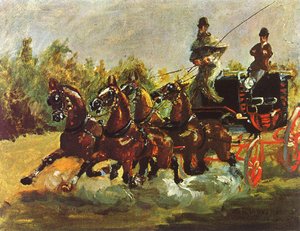
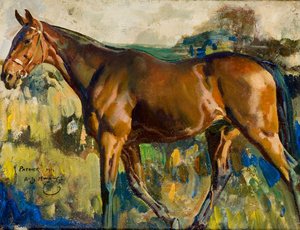
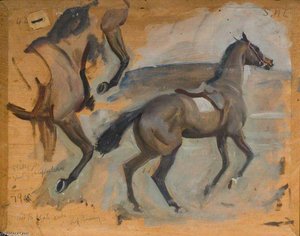
Биография художника
A Life Forged in Romantic Fire
Jean-Louis André Théodore Géricault, a name that echoes through the halls of French art history, was born into a world poised on the precipice of profound change. Emerging from the bustling port city of Rouen in 1791, his early years unfolded amidst the lingering tremors of revolution and the burgeoning ambitions of Napoleon’s empire. Though inheriting a comfortable existence through his family's legal and business ventures – notably a thriving tobacco enterprise – Géricault’s destiny wasn’t one of law or commerce, but rather within the vibrant realm of artistic expression. His initial training under Carle Vernet, a master of English sporting art, instilled in him a keen eye for anatomy and movement, particularly evident in his depictions of powerful horses in motion. However, this early foundation soon led him to seek deeper knowledge independently, immersing himself within the hallowed halls of the Louvre, transforming it into his own personal academy.The Louvre as Academy: A Dialogue with Masters
From 1810 to 1815, the Louvre became Géricault’s true classroom and source of inspiration. He didn't merely copy the works of the Old Masters – Rubens, Titian, Velázquez, and Rembrandt – but engaged in a profound dialogue with their artistic philosophies. This period wasn’t about replication; it was about absorbing the very essence of these masters, internalizing their approaches to light, shadow, composition, and the portrayal of human emotion. He studied not just technique, but also the underlying motivations and narratives behind each masterpiece. This self-directed education fostered a unique artistic voice, one that would soon challenge the prevailing Neoclassical conventions, favoring dramatic intensity and emotional truth over rigid formality. His early works, such as *The Charging Chasseur* (1812), already hinted at this emerging sensibility – a boldness of execution, a fascination with movement, and a willingness to depict contemporary subjects with unprecedented realism. He continued to refine his skills in equestrian art, mastering the portrayal of power, grace, and the raw energy of horses, a subject that would remain a recurring theme throughout his career.The Raft of the Medusa: A Monument to Human Suffering
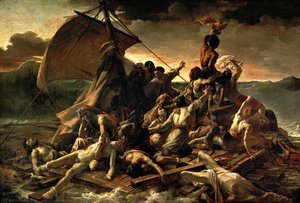
Géricault’s name is inextricably linked with *The Raft of the Medusa* (1818-1819), a monumental canvas that transcends mere historical depiction and becomes a searing indictment of human fallibility and societal injustice. Inspired by the harrowing true story of the shipwreck of the French frigate Méduse in 1816, where negligence and incompetence led to unimaginable suffering for its passengers, the painting is a visceral portrayal of desperation, hope, and despair. Géricault undertook meticulous research, interviewing survivors, studying corpses at hospitals, and even constructing a scale model of the raft itself to ensure accuracy. He sought not just to record an event, but to convey the profound emotional impact on those who endured it. The resulting work is not simply a depiction of tragedy; it’s an immersive experience that confronts viewers with the raw reality of human suffering. The composition, built around two pyramidal structures – one representing despair and death, the other embodying hope and potential rescue – creates a dynamic tension that draws the eye across the canvas, mirroring the struggle for survival amidst overwhelming odds. *The Raft of the Medusa* was initially met with controversy at its exhibition in 1819, sparking intense political debate and firmly establishing Géricault’s reputation as a daring and unconventional artist. The painting's impact extended far beyond the art world, becoming a potent symbol of governmental incompetence and the resilience of the human spirit in the face of unimaginable hardship.Beyond Tragedy: Military Themes and Artistic Legacy
While *The Raft of the Medusa* remains his most celebrated achievement, Géricault’s artistic output encompassed a broader range of subjects. He continually returned to military themes, evident in works like *Wounded Cuirassier* (1814) and *The Derby of Epsom* (1821), demonstrating a fascination with drama, conflict, and the psychological toll of warfare. These paintings reveal his continued exploration of human emotion under duress – fear, pain, courage, and vulnerability – often focusing on the physical and emotional consequences of battle. He also ventured into portraiture and lithography, further expanding his artistic repertoire and experimenting with new techniques. Tragically, Géricault’s life was cut short by illness at the age of 32 in 1824, following years of suffering from riding accidents and a chronic tubercular infection. His premature death robbed the art world of a prodigious talent, but his influence on subsequent generations of artists – particularly Eugène Delacroix – was profound. He is remembered as a pioneer of Romanticism, an artist who dared to confront difficult truths, imbue his work with a powerful emotional resonance, and challenge the established norms of artistic expression. His bronze figure reclines, brush in hand, on his tomb at Père Lachaise Cemetery in Paris, above a low-relief panel depicting the harrowing scene from *The Raft of the Medusa* – a fitting tribute to an artist who dedicated his life to capturing the complexities and contradictions of the human condition.Key Characteristics & Influences
- Romanticism: Géricault is considered one of the first French Romantic painters, moving away from Neoclassical ideals towards emotional intensity and dramatic expression.
- Dramatic Composition: His paintings are known for their dynamic compositions, often utilizing diagonal lines and contrasting light and shadow to create a sense of movement and tension.
- Realism & Research: Géricault was committed to realism, conducting extensive research – including studying corpses and interviewing survivors – to ensure the accuracy and emotional impact of his work.
- Influence of Old Masters: He drew inspiration from Baroque masters like Rubens, Titian, and Velázquez, adopting their techniques for dramatic lighting and expressive brushwork.
- Focus on Human Suffering: His art often depicts scenes of tragedy, despair, and the darker aspects of human experience, reflecting a Romantic fascination with intense emotions.
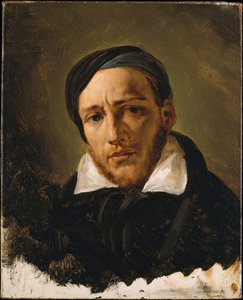
Жан-Луи Герике
1791 - 1824 , Франция
Основные сведения
- Artistic Movement Or Style: Романтизм
- Artists Or Movements Influenced By This Artist: ['Жюльен Дюкруа']
- Artists Who Influenced This Artist:
- Карл Верне
- Пьер-Нарсис, барон Жеринье
- Date Of Birth: 26 сентября 1791 г.
- Date Of Death: 26 января 1824 г.
- Full Name: Jean-Louis André Théodore Géricault
- Nationality: Француз
- Notable Artworks:
- Рафт Медузы
- Вормозный кавалерист
- Египетская сказка
- Place Of Birth: Рейн, Франция
Похожие статьи

Романтический пейзаж: 10 шедевров, изменивших искусство | ArtsDot.com
Погрузитесь в мир романтического пейзажа! 10 шедевров Фридриха, Тёрнера и других гениев. Узнайте историю создания культовых картин и вдохновитесь для декора интерьера. Репродукции высокого качества на ArtsDot.com.

Джон Констебль: 25 шедевров английского пейзажа для вашего интерьера
Погрузитесь в мир английского пейзажа с Джоном Констеблом! 25 шедевров романтизма, история создания картин и вдохновение для вашего интерьера. Репродукции высокого качества на ArtsDot.com – искусство для ценителей.

The Sublime and the Picturesque: Exploring Emotion & Nature in Romantic Landscape Painting
Explore the emotional power of Romantic landscape painting! Discover the sublime & picturesque traditions, key artists like Friedrich & Cole, and find your perfect artwork at ArtsDot.

Evocations of Place: A Historical Journey Through Landscape Art
Explore the rich history of landscape art with ArtsDot. Discover renowned artists, movements like Impressionism & Romanticism, and expert guidance for collecting timeless pieces. Find your perfect serene escape today!

Топ-10 знаменитых картин в черных тонах: шедевры искусства для вашего интерьера
Погрузитесь в мир темных шедевров! Топ-10 знаменитых картин в черных тонах от Гойи, Рембрандта и Мунка. История искусства, техники живописи и вдохновение для вашего интерьера. Купите репродукции высокого качества на ArtsDot.com