 Предпросмотр
 Поделиться
 Поделиться
 Детали произведения

 Скачать
 Похожие работы
 Рентгенография
 Слайд-шоу
 Статистика
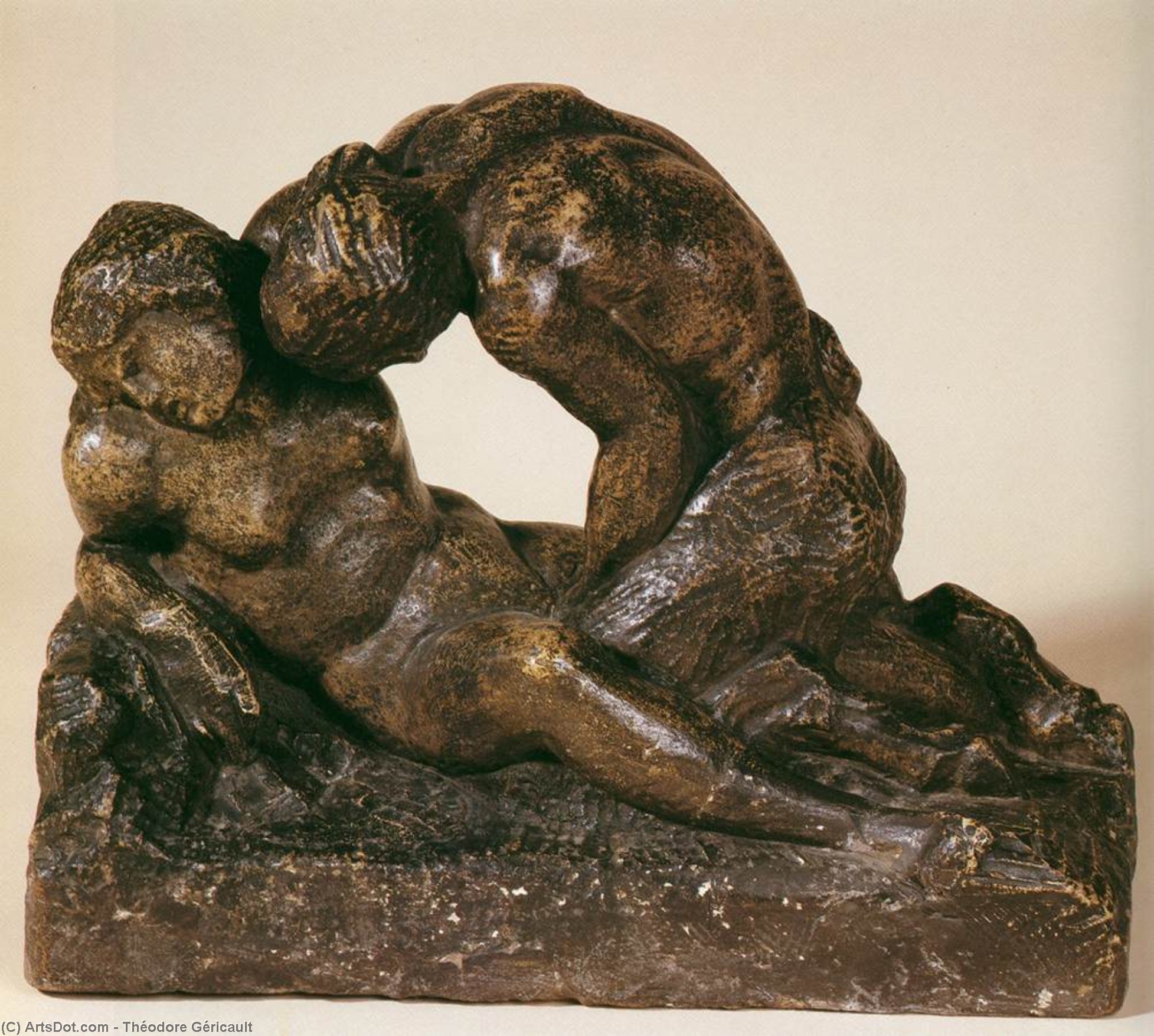
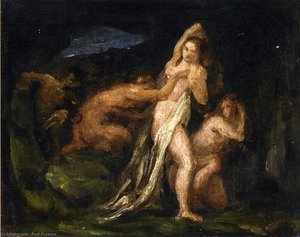
Nymph and Satyr (Jupiter and Antiope)


 Читать далее
Масляная репродукция ручной работы
Картина маслом на холсте в выбранном вами размере и раме, написанная на заказ нашими художниками. ( Перейти к печати Перейти к цифровым изображениям)




P118B $10

P118H $10

P118W $10

P438Z $10

P508JH $12

P508YH $12

P805H $10

P805Z $10

P919BZ $10

P919G $10

P919XJ $10

P959ZH $10

P968JZ $12

W106C $8

W218G $10

W218JH $8

W218Y $10

W307PJ $10

W316G $10

W316PJ $8

W316Y $10

W398PJ $8

W4111J $10

W500HY $15

W500JH $15

W692G $12

W849H $8

W940BG $15

W953PJ $8




Выберите один из наших стандартных размеров, соответствующих оригинальным пропорциям произведения искусства.

Вы можете указать собственные размеры, чтобы картина идеально вписалась в выбранную раму или пространство. Если выбранный вами размер не соответствует пропорциям оригинала, мы либо обрежем полотно, либо расширим его за счет дополнительных элементов, написанных вручную. Цифровой макет будет отправлен вам на утверждение перед началом производства.
Обратите внимание, что предварительный просмотр на экране не отражает фактическую обрезку или расширение. Только макет точно покажет окончательную композицию.
Хотя доступны индивидуальные размеры, мы рекомендуем выбирать вариант из предопределенного списка, чтобы сохранить исходные пропорции.
После оформления заказа команда ArtsDot.com свяжется с клиентом по электронной почте для уточнения деталей и предоставит предварительный макет
Доставка по всему миру () за 3–4 недели вместо стандартных 5 недель. (12 Сентябрь). Без компромиссов в качестве.

Бесплатная экспресс-доставка по всему миру

Высококачественный льняной холст

Полное страхование доставки

Гарантия возмещения таможенных пошлин

Гарантия точного соответствия цветов

100-дневная политика возврата (только при обнаружении дефектов)

Гарантия возврата 100% средств

Предложение оптовых скидок
 Вариант со стеклом доступен только для размеров менее 110 см

Nymph and Satyr (Jupiter and Antiope)
Техника репродукции
Размер репродукции
-


Итоговая стоимость
$ 263
The Allure of the Divine Encounter: Géricault’s *Nymph and Satyr*
Jean-Louis André Théodore Géricault's *Nymph and Satyr*, painted in 1819, isn’t merely a depiction of a mythological scene; it’s a profound exploration of desire, transgression, and the inherent tension between innocence and primal instinct. Born amidst the tumultuous backdrop of post-revolutionary France, Géricault, already recognized for his dramatic intensity, sought to capture not just a narrative but an emotional truth—a raw, almost unsettling portrayal of the encounter between the ethereal nymph and the earthy satyr. The painting immediately draws the eye with its masterful use of chiaroscuro, employing deep shadows that engulf much of the composition, highlighting the figures’ forms and intensifying the sense of secrecy and illicit passion. This dramatic lighting, reminiscent of Caravaggio, establishes a mood of both vulnerability and potent allure.A Mythological Foundation: Echoes of Correggio
The subject itself—the seduction of Antiope by Zeus in satyr form—is deeply rooted in classical mythology. However, Géricault doesn’t simply replicate the traditional narrative; he imbues it with a distinctly Romantic sensibility. The painting is heavily influenced by the frescoes of Andrea Pozzo and Giovanni Battista Tiepolo at Correggio's church, particularly their dramatic use of perspective and light to create an illusion of depth and grandeur. Géricault cleverly adapts this technique, compressing the scene into a relatively small format while simultaneously suggesting a vast, almost overwhelming space—a visual metaphor for the intoxicating nature of desire itself. The positioning of the figures, mirroring elements from Correggio’s work, subtly elevates the encounter to a level of divine drama, hinting at a transgression against natural order.Technique and Composition: A Study in Contrasts
Géricault's technical skill is immediately apparent in the meticulous detail with which he renders both figures. The nymph, depicted as almost painfully beautiful, possesses an idealized form—smooth skin, flowing hair, and a serene expression that belies the intensity of the moment. In stark contrast, the satyr is rendered with a rougher texture, his features exaggerated and his body powerfully muscled. This deliberate juxtaposition highlights the fundamental difference between their natures – innocence versus instinct, purity versus primal urges. The use of black chalk and brown wash creates a rich, velvety surface, while touches of white gouache are strategically applied to accentuate key areas, such as the nymph’s breast, subtly drawing attention to the act of seduction. The composition itself is carefully balanced: the satyr looms over the sleeping nymph, creating a dynamic tension that dominates the scene.Symbolism and Emotional Resonance
Beyond its mythological subject matter, *Nymph and Satyr* resonates with deeper symbolic meanings. The painting can be interpreted as an allegory for the conflict between reason and passion, order and chaos. The nymph’s vulnerability underscores the potential dangers of succumbing to impulsive desires, while the satyr represents the untamed forces that threaten to disrupt established norms. The scene's inherent ambiguity—is it a moment of blissful union or a disturbing violation?—leaves the viewer with a lingering sense of unease and invites contemplation on the complexities of human relationships. The painting’s emotional impact is undeniable, evoking feelings of both fascination and apprehension, mirroring the seductive yet potentially destructive nature of love itself. It's a work that continues to captivate viewers centuries later, reminding us of the enduring power of myth and the timeless allure of the divine encounter.Похожие произведения

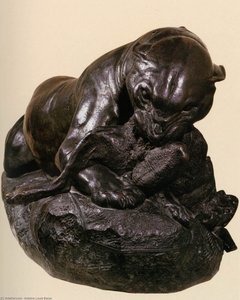
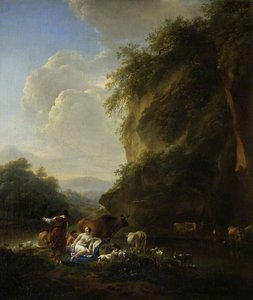
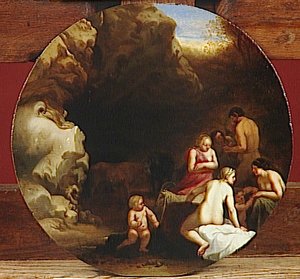
Биография художника
A Life Forged in Romantic Fire
Jean-Louis André Théodore Géricault, a name that echoes through the halls of French art history, was born into a world poised on the precipice of profound change. Emerging from the bustling port city of Rouen in 1791, his early years unfolded amidst the lingering tremors of revolution and the burgeoning ambitions of Napoleon’s empire. Though inheriting a comfortable existence through his family's legal and business ventures – notably a thriving tobacco enterprise – Géricault’s destiny wasn’t one of law or commerce, but rather within the vibrant realm of artistic expression. His initial training under Carle Vernet, a master of English sporting art, instilled in him a keen eye for anatomy and movement, particularly evident in his depictions of powerful horses in motion. However, this early foundation soon led him to seek deeper knowledge independently, immersing himself within the hallowed halls of the Louvre, transforming it into his own personal academy.The Louvre as Academy: A Dialogue with Masters
From 1810 to 1815, the Louvre became Géricault’s true classroom and source of inspiration. He didn't merely copy the works of the Old Masters – Rubens, Titian, Velázquez, and Rembrandt – but engaged in a profound dialogue with their artistic philosophies. This period wasn’t about replication; it was about absorbing the very essence of these masters, internalizing their approaches to light, shadow, composition, and the portrayal of human emotion. He studied not just technique, but also the underlying motivations and narratives behind each masterpiece. This self-directed education fostered a unique artistic voice, one that would soon challenge the prevailing Neoclassical conventions, favoring dramatic intensity and emotional truth over rigid formality. His early works, such as *The Charging Chasseur* (1812), already hinted at this emerging sensibility – a boldness of execution, a fascination with movement, and a willingness to depict contemporary subjects with unprecedented realism. He continued to refine his skills in equestrian art, mastering the portrayal of power, grace, and the raw energy of horses, a subject that would remain a recurring theme throughout his career.The Raft of the Medusa: A Monument to Human Suffering
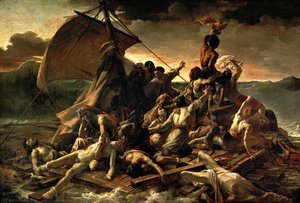
Géricault’s name is inextricably linked with *The Raft of the Medusa* (1818-1819), a monumental canvas that transcends mere historical depiction and becomes a searing indictment of human fallibility and societal injustice. Inspired by the harrowing true story of the shipwreck of the French frigate Méduse in 1816, where negligence and incompetence led to unimaginable suffering for its passengers, the painting is a visceral portrayal of desperation, hope, and despair. Géricault undertook meticulous research, interviewing survivors, studying corpses at hospitals, and even constructing a scale model of the raft itself to ensure accuracy. He sought not just to record an event, but to convey the profound emotional impact on those who endured it. The resulting work is not simply a depiction of tragedy; it’s an immersive experience that confronts viewers with the raw reality of human suffering. The composition, built around two pyramidal structures – one representing despair and death, the other embodying hope and potential rescue – creates a dynamic tension that draws the eye across the canvas, mirroring the struggle for survival amidst overwhelming odds. *The Raft of the Medusa* was initially met with controversy at its exhibition in 1819, sparking intense political debate and firmly establishing Géricault’s reputation as a daring and unconventional artist. The painting's impact extended far beyond the art world, becoming a potent symbol of governmental incompetence and the resilience of the human spirit in the face of unimaginable hardship.Beyond Tragedy: Military Themes and Artistic Legacy
While *The Raft of the Medusa* remains his most celebrated achievement, Géricault’s artistic output encompassed a broader range of subjects. He continually returned to military themes, evident in works like *Wounded Cuirassier* (1814) and *The Derby of Epsom* (1821), demonstrating a fascination with drama, conflict, and the psychological toll of warfare. These paintings reveal his continued exploration of human emotion under duress – fear, pain, courage, and vulnerability – often focusing on the physical and emotional consequences of battle. He also ventured into portraiture and lithography, further expanding his artistic repertoire and experimenting with new techniques. Tragically, Géricault’s life was cut short by illness at the age of 32 in 1824, following years of suffering from riding accidents and a chronic tubercular infection. His premature death robbed the art world of a prodigious talent, but his influence on subsequent generations of artists – particularly Eugène Delacroix – was profound. He is remembered as a pioneer of Romanticism, an artist who dared to confront difficult truths, imbue his work with a powerful emotional resonance, and challenge the established norms of artistic expression. His bronze figure reclines, brush in hand, on his tomb at Père Lachaise Cemetery in Paris, above a low-relief panel depicting the harrowing scene from *The Raft of the Medusa* – a fitting tribute to an artist who dedicated his life to capturing the complexities and contradictions of the human condition.Key Characteristics & Influences
- Romanticism: Géricault is considered one of the first French Romantic painters, moving away from Neoclassical ideals towards emotional intensity and dramatic expression.
- Dramatic Composition: His paintings are known for their dynamic compositions, often utilizing diagonal lines and contrasting light and shadow to create a sense of movement and tension.
- Realism & Research: Géricault was committed to realism, conducting extensive research – including studying corpses and interviewing survivors – to ensure the accuracy and emotional impact of his work.
- Influence of Old Masters: He drew inspiration from Baroque masters like Rubens, Titian, and Velázquez, adopting their techniques for dramatic lighting and expressive brushwork.
- Focus on Human Suffering: His art often depicts scenes of tragedy, despair, and the darker aspects of human experience, reflecting a Romantic fascination with intense emotions.
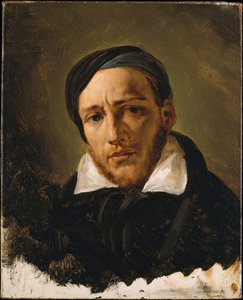
Жан-Луи Герике
1791 - 1824 , Франция
Основные сведения
- Artistic Movement Or Style: Романтизм
- Artists Or Movements Influenced By This Artist: ['Жюльен Дюкруа']
- Artists Who Influenced This Artist:
- Карл Верне
- Пьер-Нарсис, барон Жеринье
- Date Of Birth: 26 сентября 1791 г.
- Date Of Death: 26 января 1824 г.
- Full Name: Jean-Louis André Théodore Géricault
- Nationality: Француз
- Notable Artworks:
- Рафт Медузы
- Вормозный кавалерист
- Египетская сказка
- Place Of Birth: Рейн, Франция
Похожие статьи

10 легендарных бронзовых шедевров, изменивших искусство | ArtsDot
Погрузитесь в мир великих бронзовых шедевров! От Давида Донателло до Мыслителя Родена – узнайте историю создания, технику и значение легендарных скульптур. Вдохновение для интерьера и музейное качество репродукций на ArtsDot.com.

10 легендарных бронзовых скульптур, изменивших искусство навсегда | ArtsDot
Погрузитесь в мир великих бронзовых скульптур! От Давида Микеланджело до работ Родена – история искусства, техники и вдохновения. Купите репродукции шедевров для вашего интерьера на ArtsDot.com

The Enduring Form: Exploring Themes & Techniques in Sculpture Across Historical Periods
Explore the rich history of sculpture from ancient masterpieces to contemporary innovations. Discover key techniques, influential artists & investment potential for discerning art collectors.

The Enduring Form: Sculpture Across History, Technique & Emotional Resonance
Explore the rich history of sculpture with ArtsDot. Discover key techniques, influential artists & investment potential for discerning collectors. Expert insights into valuing and collecting timeless masterpieces.
Непреходящее наследие бронзовой скульптуры: история, техники и современные интерпретации
Узнайте историю бронзовой скульптуры, техники литья и советы по коллекционированию от экспертов. Откройте для себя вечное искусство бронзы!