

 Предпросмотр
 Поделиться
 Поделиться
 Детали произведения

 Скачать
 Похожие работы
 Рентгенография
 Слайд-шоу
 Статистика
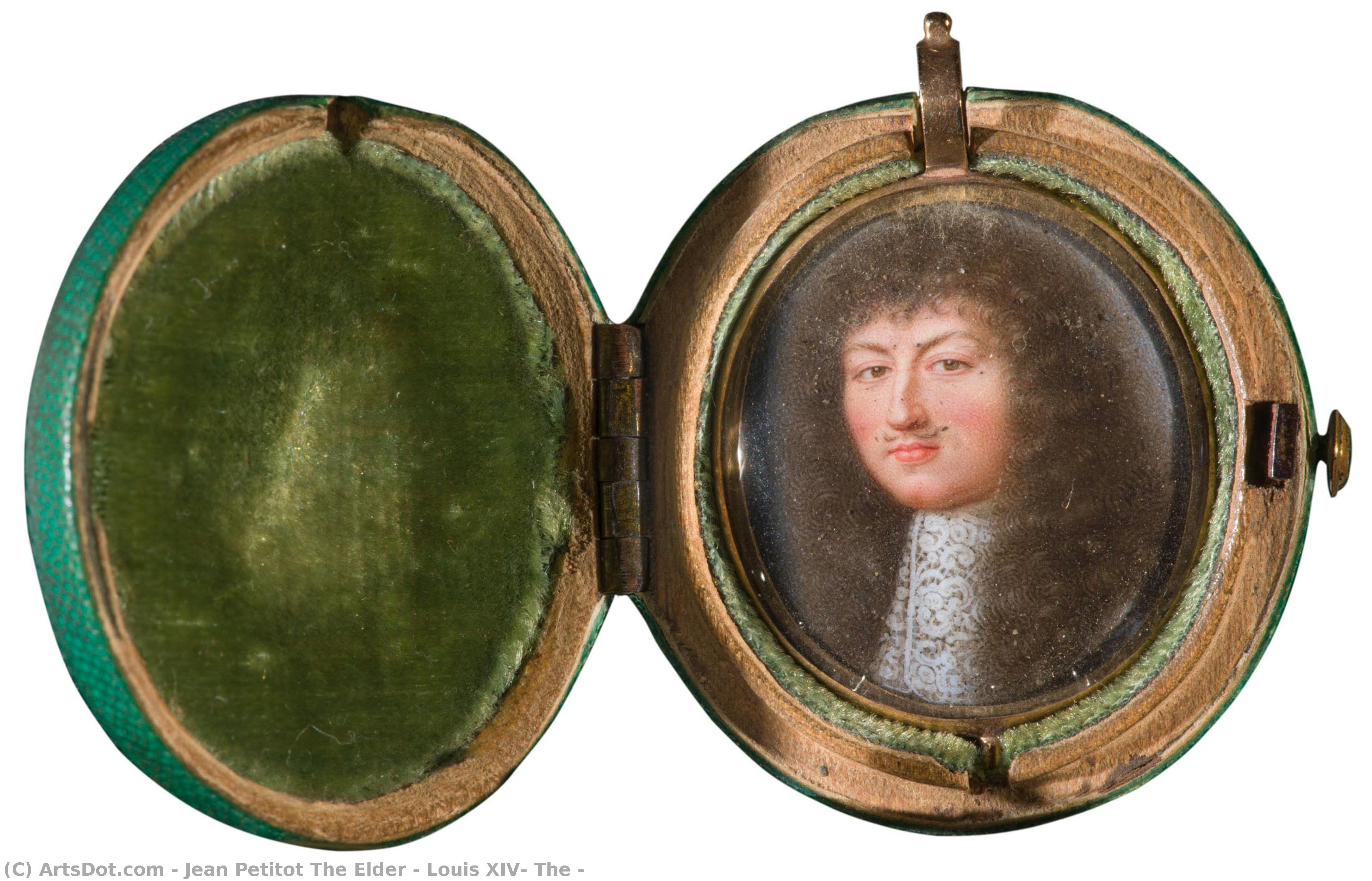
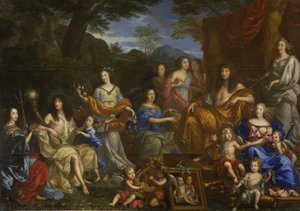
Louis XIV, The


 Читать далее
Масляная репродукция ручной работы
Картина маслом на холсте в выбранном вами размере и раме, написанная на заказ нашими художниками. ( Перейти к печати Перейти к цифровым изображениям)




































Выберите один из наших стандартных размеров, соответствующих оригинальным пропорциям произведения искусства.

Вы можете указать собственные размеры, чтобы картина идеально вписалась в выбранную раму или пространство. Если выбранный вами размер не соответствует пропорциям оригинала, мы либо обрежем полотно, либо расширим его за счет дополнительных элементов, написанных вручную. Цифровой макет будет отправлен вам на утверждение перед началом производства.
Обратите внимание, что предварительный просмотр на экране не отражает фактическую обрезку или расширение. Только макет точно покажет окончательную композицию.
Хотя доступны индивидуальные размеры, мы рекомендуем выбирать вариант из предопределенного списка, чтобы сохранить исходные пропорции.
После оформления заказа команда ArtsDot.com свяжется с клиентом по электронной почте для уточнения деталей и предоставит предварительный макет
Доставка по всему миру () за 3–4 недели вместо стандартных 5 недель. (11 Сентябрь). Без компромиссов в качестве.

Бесплатная экспресс-доставка по всему миру

Высококачественный льняной холст

Полное страхование доставки

Гарантия возмещения таможенных пошлин

Гарантия точного соответствия цветов

100-дневная политика возврата (только при обнаружении дефектов)

Гарантия возврата 100% средств

Предложение оптовых скидок
 Вариант со стеклом доступен только для размеров менее 110 см

Louis XIV, The
Техника репродукции
Размер репродукции
-


Итоговая стоимость
$ 263
Похожие произведения
Биография художника
The Luminous Legacy of Jean Petitot the Elder
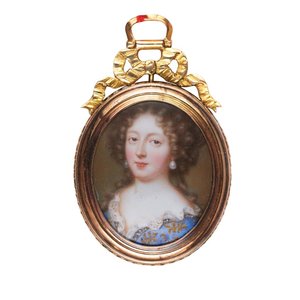
In the delicate, shimmering world of seventeenth-century miniature portraiture, few names command as much reverence as Jean Petitot the Elder. A master of the rare and demanding medium of enamel painting, Petitot did not merely capture faces; he captured the very essence of royal prestige upon surfaces of metal and glass. Born in Geneva around 1607, his journey was one of profound technical mastery and geographical movement, spanning the courts of France, Italy, and England. As a pioneer who elevated enameling from a decorative craft to a high art form, he bridged the gap between the jeweler's precision and the painter's soul, creating luminous works that seem to glow with an inner light even centuries after their creation.
The foundations of his extraordinary skill were laid under the guidance of his father, a sculptor and architect, whose influence instilled in him a deep respect for structure and craftsmanship. However, it was his apprenticeship under Jacques Bordier that truly ignited his artistic destiny. Within the atelier, Petitot immersed himself in the complex chemistry of vitreous enamels—a process involving the preparation of colored glass powders and their subsequent fusion onto metal through intense heat. This period of experimentation was not merely about color, but about conquering the fire itself. Alongside Bordier, he sought out the finest chemists in Italy to refine his palette, striving to achieve a range of hues that could rival the richness of oil painting while maintaining the indestructible brilliance of glass.
A Courtly Presence in London and Paris
The true zenith of Petitot’s career arrived when his talents caught the attention of the English monarchy. Moving to London during the reign of Charles I, he became a vital figure in the royal circle. His ability to translate the grand, sweeping gestures of masters like Anthony van Dyck into the tiny, intimate format of an enamel miniature was nothing short of miraculous. He did not simply copy; he distilled. By studying the larger-than-life portraits of the era, Petitot learned how to retain the dignity and regal nuance of his subjects within a space no larger than a locket. His presence in London allowed him to serve as a bridge between Continental sophistication and the English court, providing the monarchy with portable, precious tokens of power and affection.
Following the tumultuous years of the English Civil War, Petitot’s travels continued, eventually leading him back to the heart of French grandeur. His work during this period reflected the shifting tides of European politics and the enduring allure of the Baroque style. Whether painting the stoic features of Charles II or the opulent splendor of the French nobility, his technique remained consistent in its pursuit of perfection. The mastery required to prevent cracking during the firing process and to layer colors so thinly that they retained transparency was a feat of both artistic intuition and scientific rigor. This period solidified his reputation as an artist who could command the attention of kings through the sheer intimacy of his medium.
Technique, Symbolism, and Enduring Influence
To look upon a Petitot enamel is to witness a triumph of light. Unlike watercolor on vellum, which can fade or succumb to moisture, Petitot’s enamels are essentially permanent. He utilized the translucency of the glass to allow light to pass through the pigment and reflect off the white or gilded metal base beneath, creating a sfumato effect that gave his portraits a lifelike, breathing quality. This technique was particularly effective for capturing the delicate textures of lace, the sheen of silk, and the soft glow of skin, making his miniatures feel less like objects and more like windows into the past.
The historical significance of Jean Petitot the Elder extends far beyond his individual portraits. He was a central figure in the development of the boîte à portrait—the exquisite jeweled boxes that housed these miniature treasures. These objects were more than mere art; they were potent symbols of diplomacy, love, and political allegiance. Through his work, the miniature became a vessel for much larger narratives of statecraft and personal devotion. His legacy lived on through his son, Jean Louis Petitot, who continued the family tradition with such skill that the two are often difficult to distinguish, ensuring that the name Petitot would remain synonymous with the pinnacle of enamel portraiture for generations to come.
jean petitot the elder
1653 - 1702 , France
Основные сведения
- Artistic Movement Or Style: Baroque enamel painting
- Artists Or Movements Influenced By This Artist: ['Charles II portraits']
- Artists Who Influenced This Artist:
- Jean Petitot Sr.
- Henri Toutin
- Date Of Birth: Paris, France (1653)
- Date Of Death: 1702
- Full Name: Jean Louis Petitot
- Nationality: French
- Notable Artworks:
- Hercules (detail)
- Louis XIV miniature
- Place Of Birth: Geneva
Похожие статьи
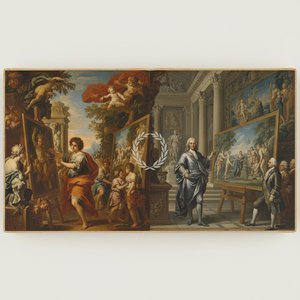
Simon Vouet: A Baroque Master's Journey from Italian Influence to French Classicism
Explore the life & art of Simon Vouet, a pivotal French Baroque painter who introduced Italian styles to France. Discover his masterpieces and lasting influence on 17th-century art.
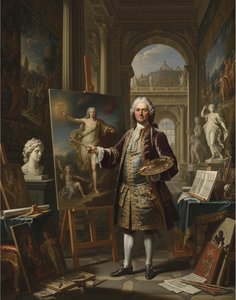
Charles Le Brun: Master of French Baroque Classicism & His Enduring Legacy
Explore the life & art of Charles Le Brun, master of French Baroque Classicism. Discover his royal commissions, influence on Versailles, and enduring legacy through detailed analysis & stunning artworks.
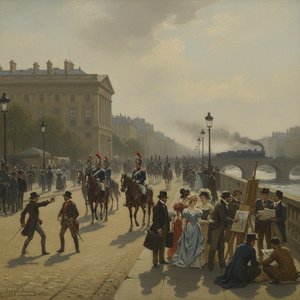
Émile Jean Horace Vernet: Romantic Realism & Depicting 19th-Century Life
Explore the life & art of Émile Jean Horace Vernet, a master of Romantic Realism. Discover his captivating battle scenes, portraits, and Orientalist works – a window into 19th-century France. Learn about his techniques & enduring legacy.
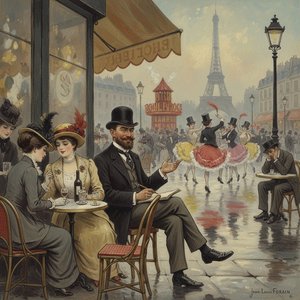
Jean-Louis Forain: Capturing Parisian Life with Wit & Realism
Explore the captivating world of Jean-Louis Forain, a master Impressionist chronicler of Belle Époque Paris. Discover his satirical paintings, realistic scenes & lasting legacy. Learn about collecting Forain's art today!
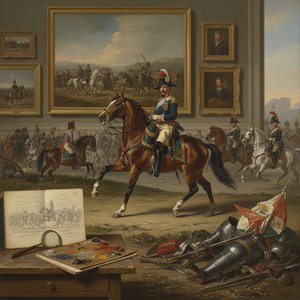
Jean-Louis Ernest Meissonier: Realism, Historical Narrative & Artistic Perfection
Explore the world of Jean-Louis Ernest Meissonier, a master of French Realism renowned for his meticulously detailed historical & military scenes. Discover his iconic artworks and lasting legacy.