

 Предпросмотр
 Поделиться
 Поделиться
 Детали произведения

 Скачать
 Похожие работы
 Рентгенография
 Слайд-шоу
 Статистика
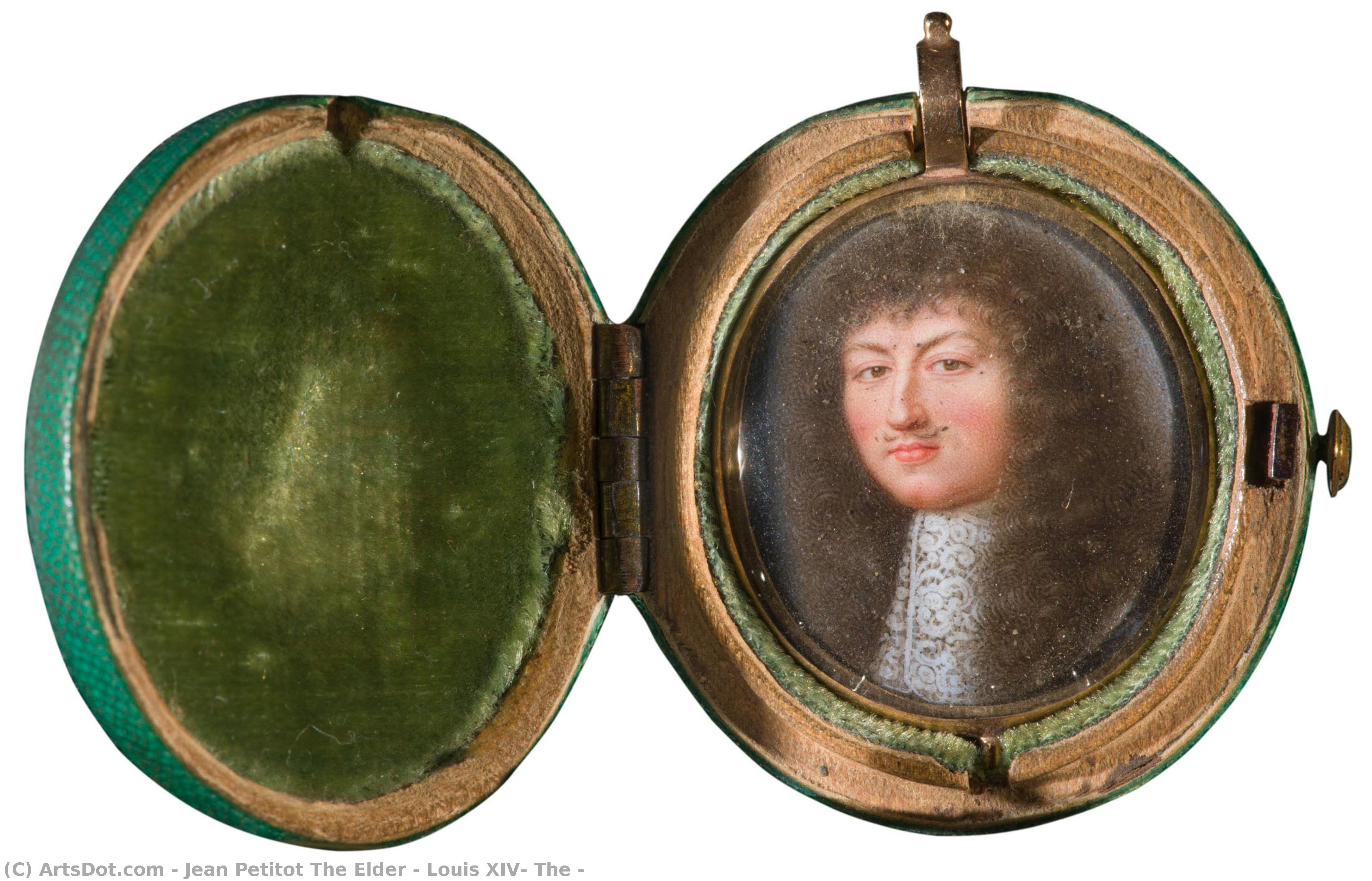
Louis XIV, The


 Читать далее
Приобретите цифровое изображение высокого разрешения в улучшенном качестве, которое значительно превосходит онлайн-превью.
Каждый файл тщательно подготавливается нашими специалистами с использованием передовых инструментов и экспертной ручной ретуши. Мы гарантируем исключительную четкость, точную цветопередачу и детальную проработку каждого изображения.
Финальный файл доставляется по электронной почте в течение 72 часов и оптимизирован для немедленного использования в профессиональной среде, при верстке и печати. Это тот же уровень качества, которому доверяют ведущие дизайнерские студии, издательства и галереи.
Цифровое изображение
Скачайте файл высокого разрешения для личного использования, печати и творческих проектов. ( Перейти к печати Купить картину ручной работы)
Включено в каждый заказ цифровых изображений
Гарантия экспертной цифровой доставки
Выбирая ArtsDot.com, вы получаете не просто изображение — вы приобретаете профессионально обработанное цифровое произведение искусства, созданное с безупречной точностью и под защитой гарантии качества. Вот всё, что автоматически входит в ваш заказ:

Мгновенная доставка по e-mail
Ваш цифровой файл в высоком разрешении будет отправлен вам по электронной почте в течение 72 часов после оформления заказа — и сразу станет доступен для использования.

Цифровой файл с ИИ-улучшением
Ваше произведение искусства проходит профессиональную оптимизацию с использованием передовых инструментов ИИ и ручной обработки, что гарантирует максимальную детализацию, четкость и точность цветопередачи.

Бессрочная бесплатная повторная доставка
Случайно удалили или потеряли файл? Не беспокойтесь — мы отправим его вам повторно в любое время и совершенно бесплатно.

Без импортных пошлин — навсегда
Наслаждайтесь вашим произведением искусства мгновенно без таможенных пошлин, сборов или затрат на доставку — цифровые загрузки всегда не облагаются налогом.

Гарантия точности цветопередачи
Мы гарантируем, что ваше цифровое изображение максимально точно передает оригинальные цвета благодаря использованию профессиональных инструментов и систем управления цветом.

Гарантия удовлетворенности 100 дней
Если вы не будете удовлетворены своим цифровым изображением, мы внесем правки или вернем 100% стоимости в течение 100 дней — без лишних вопросов.

100% Гарантия возврата средств
Не удовлетворены покупкой? Получите полный возврат средств в течение 100 дней после получения цифрового файла — без лишних вопросов.

Скидки на оптовые заказы
Купите 3 изображения, сэкономьте 10% — Купите 5, сэкономьте 15% — Купите 10+, сэкономьте 20%. Отличное решение для творческих проектов, галерей и агентств.
Похожие произведения
Биография художника
The Luminous Legacy of Jean Petitot the Elder
In the delicate, shimmering world of seventeenth-century miniature portraiture, few names command as much reverence as Jean Petitot the Elder. A master of the rare and demanding medium of enamel painting, Petitot did not merely capture faces; he captured the very essence of royal prestige upon surfaces of metal and glass. Born in Geneva around 1607, his journey was one of profound technical mastery and geographical movement, spanning the courts of France, Italy, and England. As a pioneer who elevated enameling from a decorative craft to a high art form, he bridged the gap between the jeweler's precision and the painter's soul, creating luminous works that seem to glow with an inner light even centuries after their creation.
The foundations of his extraordinary skill were laid under the guidance of his father, a sculptor and architect, whose influence instilled in him a deep respect for structure and craftsmanship. However, it was his apprenticeship under Jacques Bordier that truly ignited his artistic destiny. Within the atelier, Petitot immersed himself in the complex chemistry of vitreous enamels—a process involving the preparation of colored glass powders and their subsequent fusion onto metal through intense heat. This period of experimentation was not merely about color, but about conquering the fire itself. Alongside Bordier, he sought out the finest chemists in Italy to refine his palette, striving to achieve a range of hues that could rival the richness of oil painting while maintaining the indestructible brilliance of glass.
A Courtly Presence in London and Paris
The true zenith of Petitot’s career arrived when his talents caught the attention of the English monarchy. Moving to London during the reign of Charles I, he became a vital figure in the royal circle. His ability to translate the grand, sweeping gestures of masters like Anthony van Dyck into the tiny, intimate format of an enamel miniature was nothing short of miraculous. He did not simply copy; he distilled. By studying the larger-than-life portraits of the era, Petitot learned how to retain the dignity and regal nuance of his subjects within a space no larger than a locket. His presence in London allowed him to serve as a bridge between Continental sophistication and the English court, providing the monarchy with portable, precious tokens of power and affection.
Following the tumultuous years of the English Civil War, Petitot’s travels continued, eventually leading him back to the heart of French grandeur. His work during this period reflected the shifting tides of European politics and the enduring allure of the Baroque style. Whether painting the stoic features of Charles II or the opulent splendor of the French nobility, his technique remained consistent in its pursuit of perfection. The mastery required to prevent cracking during the firing process and to layer colors so thinly that they retained transparency was a feat of both artistic intuition and scientific rigor. This period solidified his reputation as an artist who could command the attention of kings through the sheer intimacy of his medium.
Technique, Symbolism, and Enduring Influence
To look upon a Petitot enamel is to witness a triumph of light. Unlike watercolor on vellum, which can fade or succumb to moisture, Petitot’s enamels are essentially permanent. He utilized the translucency of the glass to allow light to pass through the pigment and reflect off the white or gilded metal base beneath, creating a sfumato effect that gave his portraits a lifelike, breathing quality. This technique was particularly effective for capturing the delicate textures of lace, the sheen of silk, and the soft glow of skin, making his miniatures feel less like objects and more like windows into the past.
The historical significance of Jean Petitot the Elder extends far beyond his individual portraits. He was a central figure in the development of the boîte à portrait—the exquisite jeweled boxes that housed these miniature treasures. These objects were more than mere art; they were potent symbols of diplomacy, love, and political allegiance. Through his work, the miniature became a vessel for much larger narratives of statecraft and personal devotion. His legacy lived on through his son, Jean Louis Petitot, who continued the family tradition with such skill that the two are often difficult to distinguish, ensuring that the name Petitot would remain synonymous with the pinnacle of enamel portraiture for generations to come.
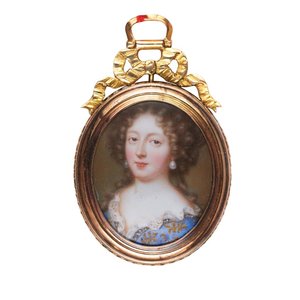
jean petitot the elder
1653 - 1702 , France
Основные сведения
- Artistic Movement Or Style: Baroque enamel painting
- Artists Or Movements Influenced By This Artist: ['Charles II portraits']
- Artists Who Influenced This Artist:
- Jean Petitot Sr.
- Henri Toutin
- Date Of Birth: Paris, France (1653)
- Date Of Death: 1702
- Full Name: Jean Louis Petitot
- Nationality: French
- Notable Artworks:
- Hercules (detail)
- Louis XIV miniature
- Place Of Birth: Geneva