

 Предпросмотр
 Поделиться
 Поделиться
 Детали произведения

 Скачать
 Похожие работы
 Рентгенография
 Слайд-шоу
 Статистика
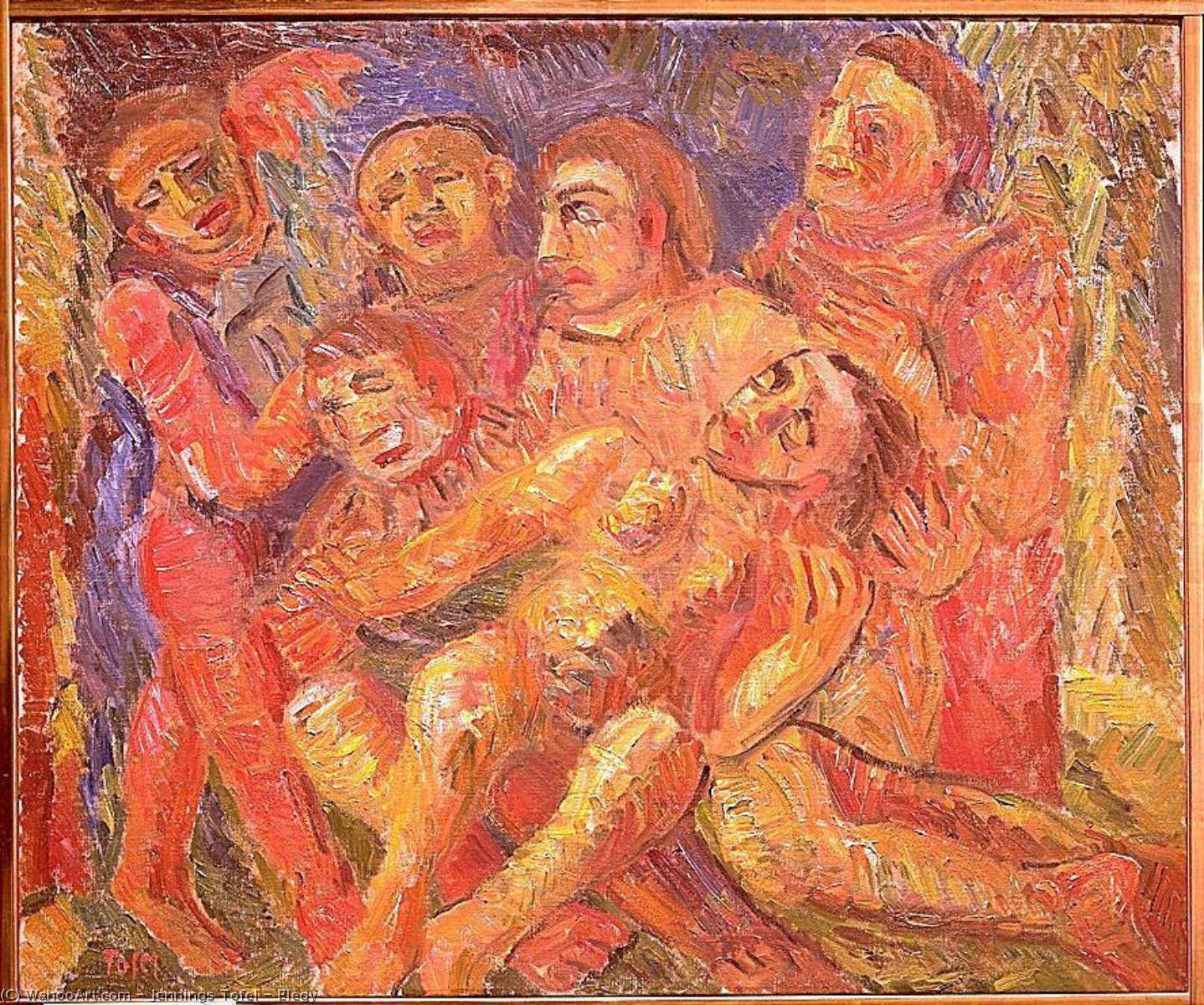
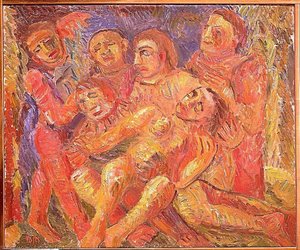
Elegy
 Expressionism
 1943
1943 64.0 x 76.0 cm
 Читать далее
Приобретите цифровое изображение высокого разрешения в улучшенном качестве, которое значительно превосходит онлайн-превью.
Каждый файл тщательно подготавливается нашими специалистами с использованием передовых инструментов и экспертной ручной ретуши. Мы гарантируем исключительную четкость, точную цветопередачу и детальную проработку каждого изображения.
Финальный файл доставляется по электронной почте в течение 72 часов и оптимизирован для немедленного использования в профессиональной среде, при верстке и печати. Это тот же уровень качества, которому доверяют ведущие дизайнерские студии, издательства и галереи.
Цифровое изображение
Скачайте файл высокого разрешения для личного использования, печати и творческих проектов. ( Перейти к печати Купить картину ручной работы)
Включено в каждый заказ цифровых изображений
Гарантия экспертной цифровой доставки
Выбирая ArtsDot.com, вы получаете не просто изображение — вы приобретаете профессионально обработанное цифровое произведение искусства, созданное с безупречной точностью и под защитой гарантии качества. Вот всё, что автоматически входит в ваш заказ:

Мгновенная доставка по e-mail
Ваш цифровой файл в высоком разрешении будет отправлен вам по электронной почте в течение 72 часов после оформления заказа — и сразу станет доступен для использования.

Цифровой файл с ИИ-улучшением
Ваше произведение искусства проходит профессиональную оптимизацию с использованием передовых инструментов ИИ и ручной обработки, что гарантирует максимальную детализацию, четкость и точность цветопередачи.

Бессрочная бесплатная повторная доставка
Случайно удалили или потеряли файл? Не беспокойтесь — мы отправим его вам повторно в любое время и совершенно бесплатно.

Без импортных пошлин — навсегда
Наслаждайтесь вашим произведением искусства мгновенно без таможенных пошлин, сборов или затрат на доставку — цифровые загрузки всегда не облагаются налогом.

Гарантия точности цветопередачи
Мы гарантируем, что ваше цифровое изображение максимально точно передает оригинальные цвета благодаря использованию профессиональных инструментов и систем управления цветом.

Гарантия удовлетворенности 100 дней
Если вы не будете удовлетворены своим цифровым изображением, мы внесем правки или вернем 100% стоимости в течение 100 дней — без лишних вопросов.

100% Гарантия возврата средств
Не удовлетворены покупкой? Получите полный возврат средств в течение 100 дней после получения цифрового файла — без лишних вопросов.

Скидки на оптовые заказы
Купите 3 изображения, сэкономьте 10% — Купите 5, сэкономьте 15% — Купите 10+, сэкономьте 20%. Отличное решение для творческих проектов, галерей и агентств.
Artist Background
Jennings Tofel was a Polish-American painter, poet, and essayist who was born in 1891 in Tomaszów Mazowiecki, Poland. He immigrated to New York with his family in 1905 and went on to study art at the Townsend Harris Hall Preparatory School. Tofel's work was heavily influenced by his experiences as an immigrant and his observations of the world around him.The Painting
"Elegy" is a powerful and evocative painting that features a group of people in various poses, with a focus on two naked figures lying down with their legs spread apart. The use of bold colors and expressive brushstrokes creates a sense of dynamic energy, drawing the viewer's eye into the heart of the composition. The overall effect is one of intimacy and vulnerability, as if the figures are sharing a private moment with the viewer.- The painting's use of color and light creates a sense of depth and dimensionality, drawing the viewer into the world of the artwork.
- The figures in the painting are rendered in a realistic style, yet they also possess a sense of timelessness and universality.
- The composition of the painting is carefully balanced, with each figure playing a crucial role in the overall narrative.
The "Elegy" painting is a testament to Tofel's skill as a painter and his ability to convey deep emotions through his work. With its powerful composition and expressive use of color, this painting is a must-see for anyone interested in modern art.
Похожие произведения
Биография художника
Jennings Tofel: A Sculptor and Painter of Social Witness
Jennings Tofel (originally Idel Taflewicz), a name perhaps less familiar than many of his contemporaries, nevertheless stands as a significant figure in 20th-century American art. Born in Tomaszów Mazowiecki, Poland, in 1891, and immigrating to New York City with his family in 1905, Tofel’s life was shaped by displacement, hardship, and a profound engagement with the social realities of his time. His artistic journey, spanning decades and continents, reveals a persistent exploration of themes like labor, migration, and the complexities of the African American experience – all rendered through a distinctive blend of Expressionism, Social Realism, and a deeply personal visual language.
Tofel’s early years were marked by physical challenges. A childhood injury resulted in a permanently deformed shoulder, an impediment that profoundly influenced his artistic approach. Rather than shying away from this imperfection, he embraced it as a visible marker of human vulnerability, imbuing his figures with a palpable sense of struggle and resilience. This physicality is immediately apparent in works like “Comrades” (1943), a dynamic composition depicting laborers engaged in strenuous work – a testament to the enduring spirit of those who toiled under difficult conditions. The painting’s raw energy and intense color palette convey both the hardship and the camaraderie found within these communities.
His artistic development was shaped by a series of pivotal experiences, including two extended stays in Europe during the 1920s. These journeys provided him with exposure to European avant-garde movements while simultaneously reconnecting him with his Polish heritage. Returning to New York, Tofel established himself as a working artist, often residing in temporary spaces and relying on the support of patrons like Arthur Granick, who later compiled a comprehensive monograph documenting his career. His work during this period reflects a growing interest in social commentary, fueled by witnessing the struggles of immigrant communities and the rise of racial tensions within American society.
Thematic Concerns and Artistic Style
Tofel’s art is characterized by a potent combination of emotional intensity and formal innovation. He was deeply influenced by Expressionism, evident in his use of distorted forms, exaggerated gestures, and emotionally charged color palettes. However, unlike some of the more purely abstract Expressionists, Tofel remained firmly rooted in figurative representation, employing it to convey profound social and psychological truths. His figures are rarely idealized; instead, they are presented with a brutal honesty that confronts viewers with the realities of their circumstances.
A key element of his artistic vision is his engagement with the African American experience. Works like “Elegy” (1943) powerfully depict scenes of mourning and loss within Black communities, reflecting the devastating impact of racism and social injustice. The painting’s somber mood and carefully orchestrated composition evoke a sense of profound grief while simultaneously celebrating the resilience of the human spirit. His exploration of this subject matter was particularly significant during a time when mainstream American art largely overlooked or misrepresented the experiences of African Americans.
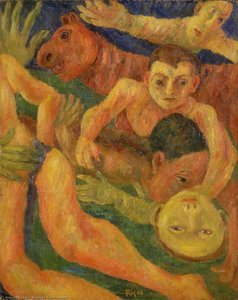
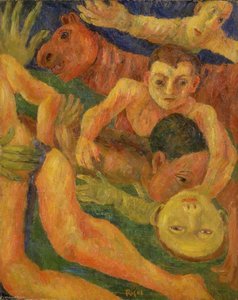
Furthermore, Tofel's work frequently grappled with themes of migration and displacement. His own experience as an immigrant profoundly shaped his artistic perspective, leading him to explore the challenges faced by those seeking new lives in a foreign land. The figures in “Strife” (1943), for example, embody the anxieties and uncertainties associated with navigating unfamiliar environments and confronting systemic barriers.
Key Works and Recognition
Among Tofel’s most notable works are "Comrades" (1943) and "Strife" (1943), both powerful depictions of labor and social struggle. “Elegy” (1943), a deeply moving portrayal of mourning, stands as one of his most emotionally resonant paintings. His sculpture, often characterized by its dynamic energy and expressive forms, further demonstrates his versatility as an artist.
Despite not achieving widespread fame during his lifetime, Tofel’s work has gained increasing recognition in recent years. A retrospective exhibition at the Zabriskie Gallery in New York in 1964 brought renewed attention to his oeuvre, and his art is now featured prominently in museum collections across the United States. The Artist's Gallery in New York continued to showcase his paintings until his death in 1959.
Legacy and Historical Significance
Jennings Tofel’s legacy lies not only in his individual artistic achievements but also in his commitment to using art as a vehicle for social commentary. His unflinching portrayal of the struggles faced by marginalized communities – particularly African Americans and immigrant laborers – offers a valuable counterpoint to more celebratory narratives of American progress. His work serves as a poignant reminder of the enduring challenges of inequality and injustice, urging viewers to confront uncomfortable truths and advocate for a more equitable society.
The Kenkeleba House in New York City, a unique museum dedicated to showcasing art from the African Diaspora, plays a crucial role in preserving and promoting Tofel’s legacy. The museum's collection highlights his contributions to the field of Social Realism Art, demonstrating his ability to capture the essence of human experience with both sensitivity and power.
jennings tofel
1891 - 1959
Основные сведения
- Artistic Movement Or Style: Social realism, Expressionism
- Artists Or Movements Influenced By This Artist: ['Kenkeleba House']
- Artists Who Influenced This Artist:
- Oscar Bluemner
- Gaston Lachaise
- Date Of Birth: 18 Oct 1891
- Date Of Death: 7 Sep 1959
- Full Name: Jennings (Yehuda) Tofel
- Nationality: American
- Notable Artworks:
- Comrades
- Elegy
- At Cafe
- Place Of Birth: Tomaszów Mazowiecki, Poland