

 Предпросмотр
 Поделиться
 Поделиться
 Детали произведения

 Скачать
 Похожие работы
 Рентгенография
 Слайд-шоу
 Статистика
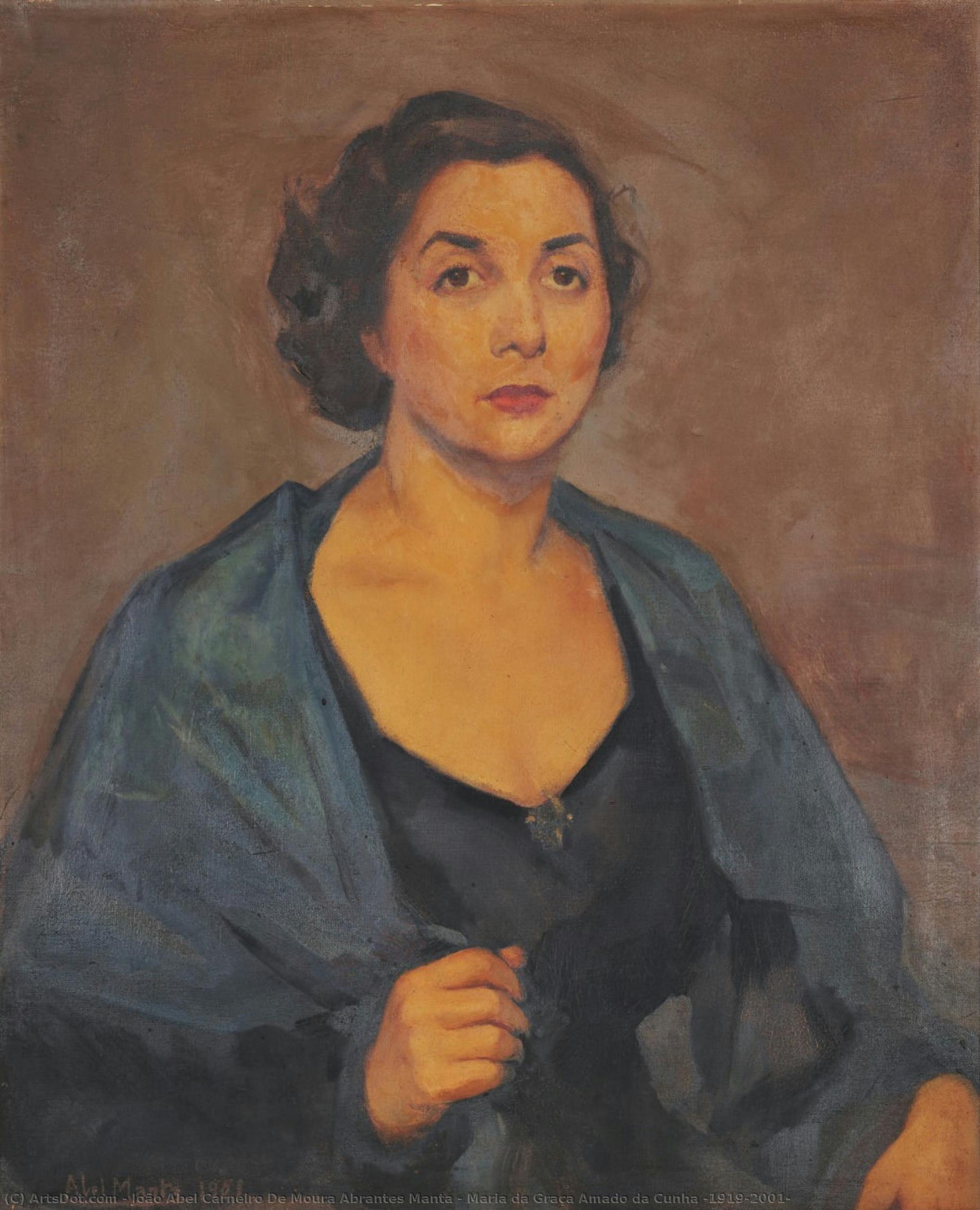
Maria da Graça Amado da Cunha (1919-2001)
 1961
1961 75.0 x 60.0 cm
 Museu Nacional da Música
 Читать далее
Масляная репродукция ручной работы
Картина маслом на холсте в выбранном вами размере и раме, написанная на заказ нашими художниками. ( Перейти к печати Перейти к цифровым изображениям)




































Выберите один из наших стандартных размеров, соответствующих оригинальным пропорциям произведения искусства.

Вы можете указать собственные размеры, чтобы картина идеально вписалась в выбранную раму или пространство. Если выбранный вами размер не соответствует пропорциям оригинала, мы либо обрежем полотно, либо расширим его за счет дополнительных элементов, написанных вручную. Цифровой макет будет отправлен вам на утверждение перед началом производства.
Обратите внимание, что предварительный просмотр на экране не отражает фактическую обрезку или расширение. Только макет точно покажет окончательную композицию.
Хотя доступны индивидуальные размеры, мы рекомендуем выбирать вариант из предопределенного списка, чтобы сохранить исходные пропорции.
После оформления заказа команда ArtsDot.com свяжется с клиентом по электронной почте для уточнения деталей и предоставит предварительный макет
Доставка по всему миру () за 3–4 недели вместо стандартных 5 недель. (13 Сентябрь). Без компромиссов в качестве.

Бесплатная экспресс-доставка по всему миру

Высококачественный льняной холст

Полное страхование доставки

Гарантия возмещения таможенных пошлин

Гарантия точного соответствия цветов

100-дневная политика возврата (только при обнаружении дефектов)

Гарантия возврата 100% средств

Предложение оптовых скидок
 Вариант со стеклом доступен только для размеров менее 110 см

Maria da Graça Amado da Cunha (1919-2001)
Техника репродукции
Размер репродукции
-


Итоговая стоимость
$ 263
Похожие произведения










Биография художника
A Tapestry of Vision: The Multidisciplinary Legacy of João Abel Manta
João Abel Manta was far more than a single-medium creator; he was a polymath whose life’s work functioned as a mirror to the shifting soul of Portugal. Born in Lisbon in 1928, Manta emerged from an artistic lineage, the son of the esteemed painters Abel Manta and Maria Clementina Carneiro de Moura. This heritage provided him with a profound foundation in visual language, yet his path would transcend the boundaries of traditional painting. As an architect, illustrator, cartoonist, and designer, he possessed a rare ability to navigate between the rigid precision of structural design and the fluid, often biting, wit of political satire. His career was not merely a collection of works but a continuous dialogue with the historical currents of his nation, particularly during the transformative decades of the twentieth century. His early training at the Lisbon Higher School of Fine Arts, where he graduated in architecture in 1951, instilled in him a sense of spatial awareness and geometric discipline that would later inform his graphic arts. During this formative period, Manta became deeply embedded in the intellectual circles of Lisbon, forming bonds with other influential figures like Sá Nogueira and José Dias Coelho. His architectural contributions were significant, notably his work on the Housing Complex on Avenida Infante Santo and the Academic Association of Coimbra. However, as the decades progressed, the structural confines of architecture began to give way to a more expansive, expressive exploration of the visual arts. He gradually moved away from pure architectural practice to embrace the boundless possibilities of drawing, ceramics, and tapestry, allowing his hand to move from the drafting table to the much more subversive realm of the cartoon.The Sharp Pen and the Vibrant Tile
In the realm of graphic arts, Manta achieved a legendary status that few could rival. He became one of Europe’s most significant figures in cartooning, using his unmistakable line to navigate the complexities of the Portuguese political landscape. During the transition to democracy following the Carnation Revolution of 1974, his illustrations served as a vital pulse for the nation, capturing the tension, hope, and social upheaval of the era. His work in the press, particularly his collaborations with publications like JL, demonstrated a mastery of satire that was both intellectually sharp and visually arresting. This period of his life saw him transform from an observer of structure to a chronicler of human struggle, using caricature to dissect power and celebrate democratic affirmation. Yet, Manata’s genius was equally present in his monumental public works, where he brought the tactile beauty of Portuguese tradition into the modern era. His mastery of the azulejo (ceramic tile) is perhaps most famously realized in the stunning panel on Avenida Calouste Gulbenkian. This work exemplifies his ability to marry modernist geometric abstraction with the deep-seated cultural heritage of Lisbon’s ceramic traditions. Beyond tiles, his artistic reach extended to the grand scale of tapestries, such as those designed for the Main Hall of the Calouste Gulbenkian Foundation headquarters, and even into the theatrical world through set designs for works by Eça de Queiroz and Franz Kafka. Whether working with the permanence of stone and ceramic or the ephemeral nature of ink on paper, Manta’s touch remained consistently sophisticated and deeply rooted in a sense of place.A Lasting Impression on Portuguese Identity
The significance of João Abel Manta lies in his ability to synthesize disparate disciplines into a unified aesthetic vision. He did not merely inhabit different roles; he allowed each role to inform the other, creating a body of work where architectural rhythm met illustrative spontaneity. His achievements were recognized through numerous prestigious accolades, including the Drawing Prize at the II Exhibition of Plastic Arts of the Calouste Gulbenkian Foundation and the Silver Medal at the International Exhibition of Graphic Arts in Leipzig. These honors reflect a career that was as much about international excellence as it was about national importance. To look upon the work of Manta is to witness the history of modern Portugal through a singular, multifaceted lens. His legacy is found in:- The Architectural Landscape: The structural elegance and urban contributions that shaped Lisbon's mid-century identity.
- The Graphic Tradition: A revolutionary approach to cartooning and illustration that provided a visual voice for political change.
- The Decorative Arts: The revitalization of traditional mediums like azulejos and tapestries through a modernist, avant-garde perspective.
joão abel carneiro de moura abrantes manta
1928 - , Portugal
Основные сведения
- Artistic Movement Or Style: Azulejo tile art
- Date Of Birth: 1928 Lisbon Portugal
- Full Name: João Abel Manta
- Nationality: Portuguese
- Notable Artworks:
- Identical Avenida Calouste Gulbenkian azulejo panel
- Living Nature
- Place Of Birth: Lisbon Portugal