

 Предпросмотр
 Поделиться
 Поделиться
 Детали произведения

 Скачать
 Похожие работы
 Рентгенография
 Слайд-шоу
 Статистика
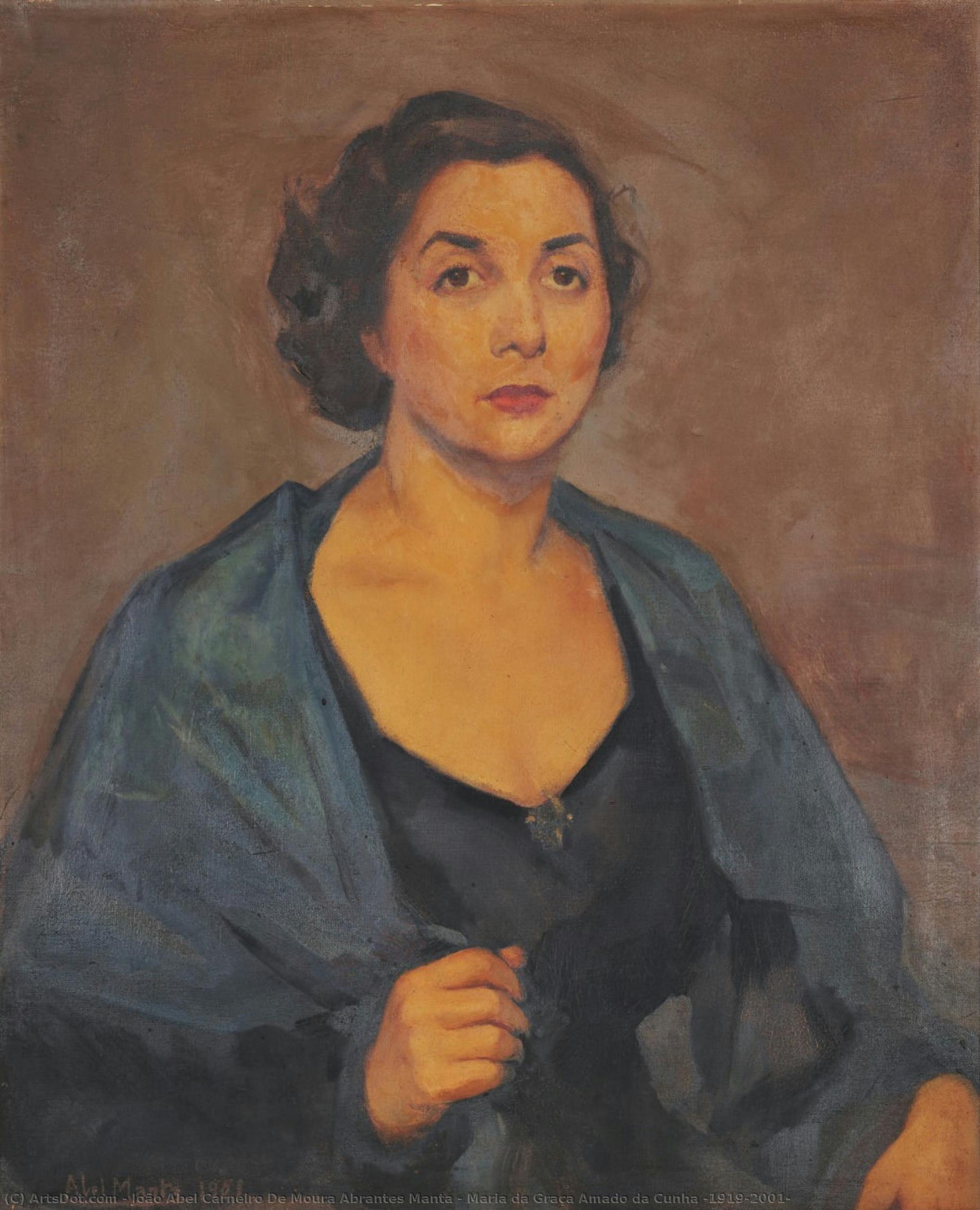
Maria da Graça Amado da Cunha (1919-2001)
 1961
1961 75.0 x 60.0 cm
 Museu Nacional da Música
 Читать далее
Приобретите цифровое изображение высокого разрешения в улучшенном качестве, которое значительно превосходит онлайн-превью.
Каждый файл тщательно подготавливается нашими специалистами с использованием передовых инструментов и экспертной ручной ретуши. Мы гарантируем исключительную четкость, точную цветопередачу и детальную проработку каждого изображения.
Финальный файл доставляется по электронной почте в течение 72 часов и оптимизирован для немедленного использования в профессиональной среде, при верстке и печати. Это тот же уровень качества, которому доверяют ведущие дизайнерские студии, издательства и галереи.
Цифровое изображение
Скачайте файл высокого разрешения для личного использования, печати и творческих проектов. ( Перейти к печати Купить картину ручной работы)
Включено в каждый заказ цифровых изображений
Гарантия экспертной цифровой доставки
Выбирая ArtsDot.com, вы получаете не просто изображение — вы приобретаете профессионально обработанное цифровое произведение искусства, созданное с безупречной точностью и под защитой гарантии качества. Вот всё, что автоматически входит в ваш заказ:

Мгновенная доставка по e-mail
Ваш цифровой файл в высоком разрешении будет отправлен вам по электронной почте в течение 72 часов после оформления заказа — и сразу станет доступен для использования.

Цифровой файл с ИИ-улучшением
Ваше произведение искусства проходит профессиональную оптимизацию с использованием передовых инструментов ИИ и ручной обработки, что гарантирует максимальную детализацию, четкость и точность цветопередачи.

Бессрочная бесплатная повторная доставка
Случайно удалили или потеряли файл? Не беспокойтесь — мы отправим его вам повторно в любое время и совершенно бесплатно.

Без импортных пошлин — навсегда
Наслаждайтесь вашим произведением искусства мгновенно без таможенных пошлин, сборов или затрат на доставку — цифровые загрузки всегда не облагаются налогом.

Гарантия точности цветопередачи
Мы гарантируем, что ваше цифровое изображение максимально точно передает оригинальные цвета благодаря использованию профессиональных инструментов и систем управления цветом.

Гарантия удовлетворенности 100 дней
Если вы не будете удовлетворены своим цифровым изображением, мы внесем правки или вернем 100% стоимости в течение 100 дней — без лишних вопросов.

100% Гарантия возврата средств
Не удовлетворены покупкой? Получите полный возврат средств в течение 100 дней после получения цифрового файла — без лишних вопросов.

Скидки на оптовые заказы
Купите 3 изображения, сэкономьте 10% — Купите 5, сэкономьте 15% — Купите 10+, сэкономьте 20%. Отличное решение для творческих проектов, галерей и агентств.
Похожие произведения










Биография художника
A Tapestry of Vision: The Multidisciplinary Legacy of João Abel Manta
João Abel Manta was far more than a single-medium creator; he was a polymath whose life’s work functioned as a mirror to the shifting soul of Portugal. Born in Lisbon in 1928, Manta emerged from an artistic lineage, the son of the esteemed painters Abel Manta and Maria Clementina Carneiro de Moura. This heritage provided him with a profound foundation in visual language, yet his path would transcend the boundaries of traditional painting. As an architect, illustrator, cartoonist, and designer, he possessed a rare ability to navigate between the rigid precision of structural design and the fluid, often biting, wit of political satire. His career was not merely a collection of works but a continuous dialogue with the historical currents of his nation, particularly during the transformative decades of the twentieth century. His early training at the Lisbon Higher School of Fine Arts, where he graduated in architecture in 1951, instilled in him a sense of spatial awareness and geometric discipline that would later inform his graphic arts. During this formative period, Manta became deeply embedded in the intellectual circles of Lisbon, forming bonds with other influential figures like Sá Nogueira and José Dias Coelho. His architectural contributions were significant, notably his work on the Housing Complex on Avenida Infante Santo and the Academic Association of Coimbra. However, as the decades progressed, the structural confines of architecture began to give way to a more expansive, expressive exploration of the visual arts. He gradually moved away from pure architectural practice to embrace the boundless possibilities of drawing, ceramics, and tapestry, allowing his hand to move from the drafting table to the much more subversive realm of the cartoon.The Sharp Pen and the Vibrant Tile
In the realm of graphic arts, Manta achieved a legendary status that few could rival. He became one of Europe’s most significant figures in cartooning, using his unmistakable line to navigate the complexities of the Portuguese political landscape. During the transition to democracy following the Carnation Revolution of 1974, his illustrations served as a vital pulse for the nation, capturing the tension, hope, and social upheaval of the era. His work in the press, particularly his collaborations with publications like JL, demonstrated a mastery of satire that was both intellectually sharp and visually arresting. This period of his life saw him transform from an observer of structure to a chronicler of human struggle, using caricature to dissect power and celebrate democratic affirmation. Yet, Manata’s genius was equally present in his monumental public works, where he brought the tactile beauty of Portuguese tradition into the modern era. His mastery of the azulejo (ceramic tile) is perhaps most famously realized in the stunning panel on Avenida Calouste Gulbenkian. This work exemplifies his ability to marry modernist geometric abstraction with the deep-seated cultural heritage of Lisbon’s ceramic traditions. Beyond tiles, his artistic reach extended to the grand scale of tapestries, such as those designed for the Main Hall of the Calouste Gulbenkian Foundation headquarters, and even into the theatrical world through set designs for works by Eça de Queiroz and Franz Kafka. Whether working with the permanence of stone and ceramic or the ephemeral nature of ink on paper, Manta’s touch remained consistently sophisticated and deeply rooted in a sense of place.A Lasting Impression on Portuguese Identity
The significance of João Abel Manta lies in his ability to synthesize disparate disciplines into a unified aesthetic vision. He did not merely inhabit different roles; he allowed each role to inform the other, creating a body of work where architectural rhythm met illustrative spontaneity. His achievements were recognized through numerous prestigious accolades, including the Drawing Prize at the II Exhibition of Plastic Arts of the Calouste Gulbenkian Foundation and the Silver Medal at the International Exhibition of Graphic Arts in Leipzig. These honors reflect a career that was as much about international excellence as it was about national importance. To look upon the work of Manta is to witness the history of modern Portugal through a singular, multifaceted lens. His legacy is found in:- The Architectural Landscape: The structural elegance and urban contributions that shaped Lisbon's mid-century identity.
- The Graphic Tradition: A revolutionary approach to cartooning and illustration that provided a visual voice for political change.
- The Decorative Arts: The revitalization of traditional mediums like azulejos and tapestries through a modernist, avant-garde perspective.

joão abel carneiro de moura abrantes manta
1928 - , Portugal
Основные сведения
- Artistic Movement Or Style: Azulejo tile art
- Date Of Birth: 1928 Lisbon Portugal
- Full Name: João Abel Manta
- Nationality: Portuguese
- Notable Artworks:
- Identical Avenida Calouste Gulbenkian azulejo panel
- Living Nature
- Place Of Birth: Lisbon Portugal