
- Главная

- Печать на холсте
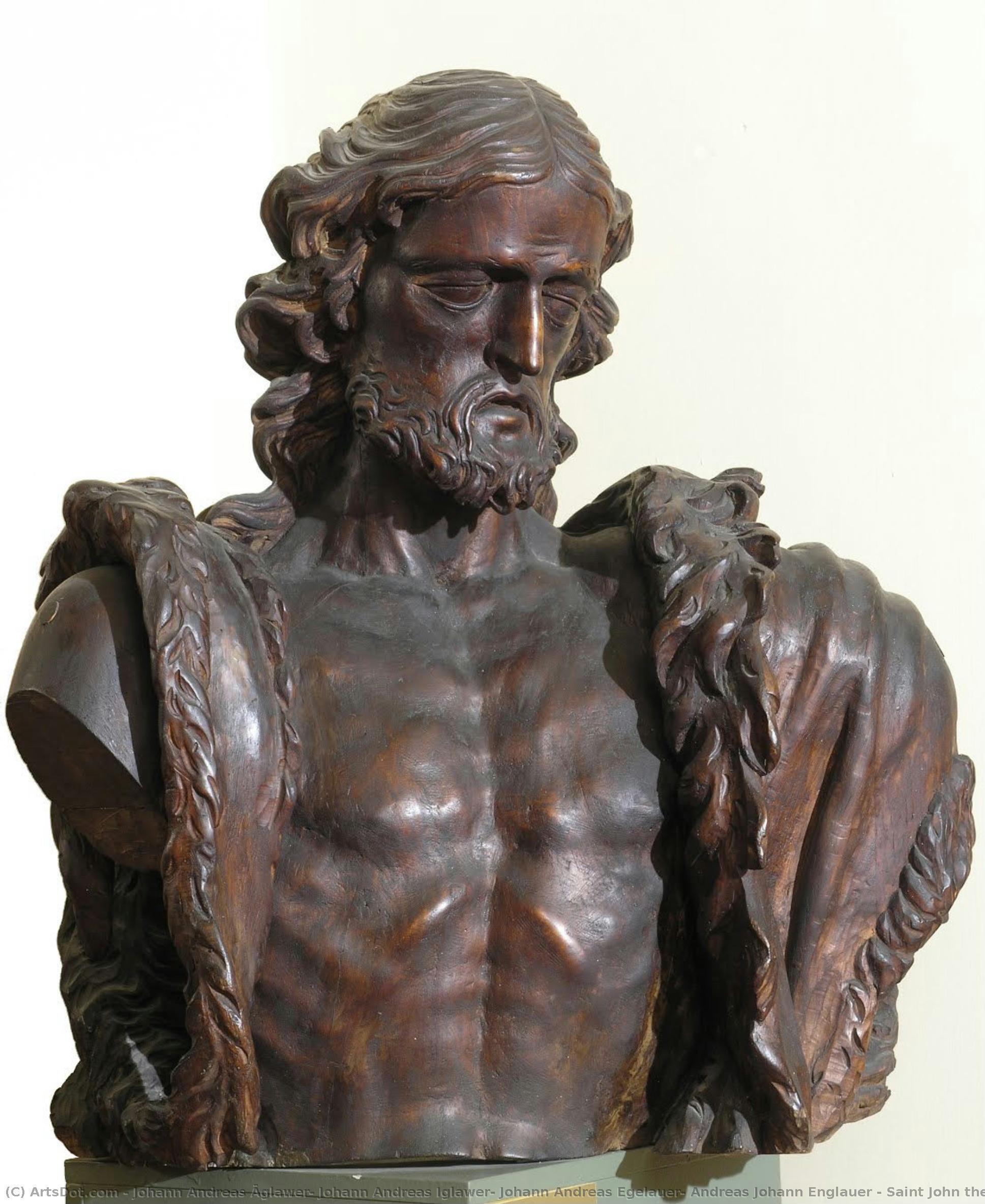
- Johann Andreas Äglawer, Johann Andreas Iglawer, Johann Andreas Egelauer, Andreas Johann Englauer
 Предпросмотр
 Поделиться
 Поделиться
 Детали произведения

 Скачать
 Похожие работы
 Рентгенография
 Слайд-шоу
 Статистика
Saint John the Baptist


 Читать далее
Жикле / Арт-принт
Печать (жикле) или холст музейного качества с быстрыми сроками изготовления и широким выбором вариантов отделки. ( Купить картину ручной работы Перейти к цифровым изображениям)




































Выберите один из наших стандартных размеров, соответствующих оригинальным пропорциям произведения искусства.

Вы можете указать свои собственные размеры, чтобы репродукция идеально подошла под конкретную раму или пространство. Если выбранный вами размер не будет соответствовать пропорциям оригинала, мы либо обрежем произведение, либо дополним изображение зеркальным отражением краев или однотонной заливкой. Перед началом производства вам будет отправлен цифровой макет для утверждения.
Пожалуйста, обратите внимание, что предварительный просмотр на экране не отображает фактическую обрезку или расширение изображения. Только макет точно покажет финальную композицию.
Несмотря на возможность заказа индивидуальных размеров, мы рекомендуем выбирать размер из предопределенного списка, чтобы сохранить оригинальные пропорции.
Доставка по всему миру () за 2 недели вместо стандартных 4/5 недель. (13 Сентябрь)

Бесплатная экспресс-доставка по всему миру

Высококачественный льняной холст

Полное страхование доставки

Гарантия возмещения таможенных пошлин

Гарантия точного соответствия цветов

100-дневная политика возврата (только при обнаружении дефектов)

Гарантия возврата 100% средств

Предложение оптовых скидок
 Вариант со стеклом доступен только для размеров менее 110 см

Saint John the Baptist
Жикле / Арт-принт
Размер репродукции
-


Итоговая стоимость
$ 62
Похожие произведения
Биография художника
The Baroque Visions of Johann Andreas Äglawer
Johann Andreas Äglawer, also known under the variations of his name – Johann Andreas Iglawer and Andreas Johann Englauer – remains a somewhat enigmatic figure in the landscape of 17th-century sculpture. While biographical details are scarce, his surviving works speak volumes about a master craftsman deeply immersed in the fervor of the Baroque period. Äglawer’s career unfolded during a time of intense religious and artistic change, a period where sculpture was employed as a powerful tool for conveying faith and emotion. He appears to have been active primarily in Bohemia and surrounding regions, leaving behind a legacy of exquisitely carved wood sculptures that demonstrate both technical virtuosity and a profound spiritual sensibility.A Sculptor Rooted in Tradition
The precise origins of Äglawer are difficult to pinpoint with certainty. Records suggest he was born sometime in the early 17th century, though the exact date remains elusive. What is clear from his oeuvre is a strong grounding in traditional sculptural techniques. His work doesn’t represent a radical departure from established norms but rather a refinement and intensification of existing styles. He clearly drew inspiration from Renaissance models, particularly in his depictions of human anatomy and classical drapery. However, Äglawer wasn't merely copying past masters; he infused these elements with the dynamic energy and emotional intensity characteristic of the Baroque aesthetic. His sculptures are not static representations but rather convey a sense of movement, drama, and spiritual awakening. The wood carving itself is exceptional, showcasing an incredible attention to detail – from the delicate folds of fabric to the expressive features of his figures.Themes of Faith and Devotion
Äglawer’s artistic focus centered almost exclusively on religious subjects. His sculptures frequently depict saints, biblical figures, and allegorical representations of virtues and divine attributes. God the Father, one of his most celebrated works, exemplifies this dedication to themes of faith and devotion. The sculpture is a powerful embodiment of paternal authority and spiritual grace, rendered with remarkable detail and solemnity. Similarly, his depiction of Saint John the Baptist showcases a mastery of portraying inner piety and contemplative strength. These were not simply decorative objects; they were intended as focal points for prayer and meditation, designed to inspire reverence and deepen religious experience. The choice of wood as a medium itself held symbolic significance, representing both the humanity of Christ and the enduring power of faith.Legacy and Historical Context
While Äglawer may not be a household name like some of his more famous contemporaries, his contribution to Baroque sculpture is nonetheless significant. His work reflects the broader artistic trends of the period – the emphasis on emotional realism, dramatic composition, and the use of art as a vehicle for religious propaganda. He worked during the Counter-Reformation, when the Catholic Church actively promoted art that reinforced its doctrines and appealed to the senses. Äglawer’s sculptures fit squarely within this context, serving as powerful visual statements of faith and devotion. His influence can be seen in the work of other sculptors active in Bohemia and surrounding regions, demonstrating his role as a key figure in the development of Baroque art in Central Europe. Although documentation remains limited, the enduring beauty and spiritual power of his sculptures ensure that Johann Andreas Äglawer’s legacy continues to resonate with audiences today.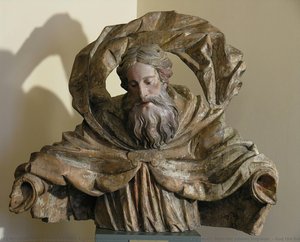
Похожие статьи

The Enduring Form: Exploring Themes & Techniques in Sculpture Across Historical Periods
Explore the rich history of sculpture from ancient masterpieces to contemporary innovations. Discover key techniques, influential artists & investment potential for discerning art collectors.

10 легендарных бронзовых шедевров, изменивших искусство | ArtsDot
Погрузитесь в мир великих бронзовых шедевров! От Давида Донателло до Мыслителя Родена – узнайте историю создания, технику и значение легендарных скульптур. Вдохновение для интерьера и музейное качество репродукций на ArtsDot.com.

Джон Сингер Сарджент: 25 шедевров портретной живописи для вашего интерьера | ArtsDot
Погрузитесь в мир Джона Сингера Сарджента! 25 шедевров импрессионизма и реализма, раскрывающих элегантность эпохи Gilded Age. Купите репродукции картин Сарджента музейного качества для вашего интерьера на ArtsDot.com.

Джон Констебль: 25 шедевров английского пейзажа для вашего интерьера
Погрузитесь в мир английского пейзажа с Джоном Констеблом! 25 шедевров романтизма, история создания картин и вдохновение для вашего интерьера. Репродукции высокого качества на ArtsDot.com – искусство для ценителей.

10 легендарных бронзовых скульптур, изменивших искусство навсегда | ArtsDot
Погрузитесь в мир великих бронзовых скульптур! От Давида Микеланджело до работ Родена – история искусства, техники и вдохновения. Купите репродукции шедевров для вашего интерьера на ArtsDot.com