

 Предпросмотр
 Поделиться
 Поделиться
 Детали произведения

 Скачать
 Похожие работы
 Рентгенография
 Слайд-шоу
 Статистика
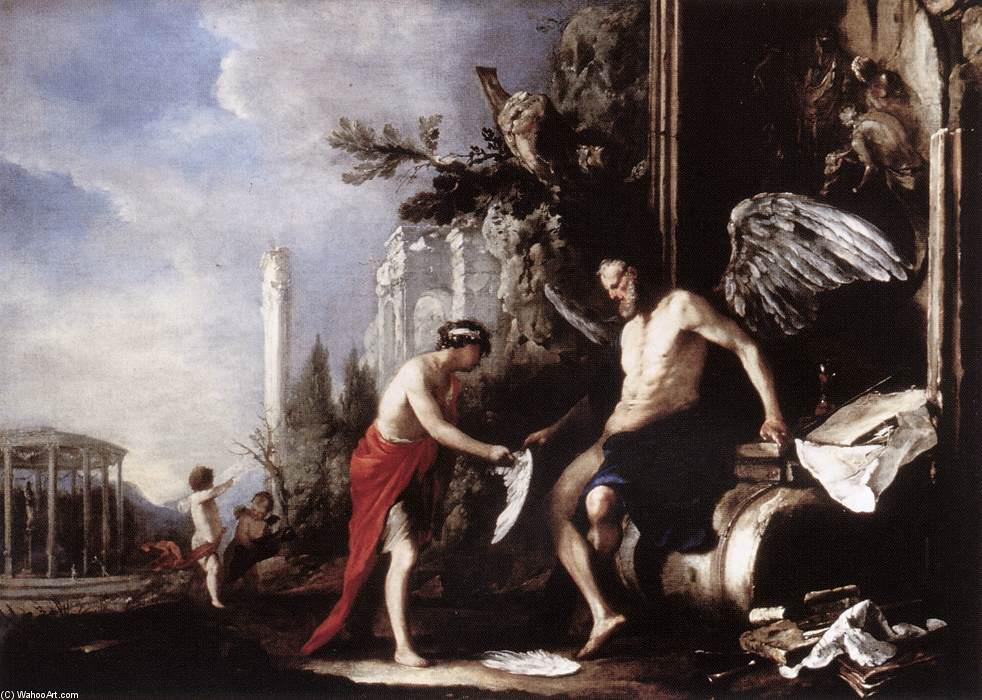
Allegory of Time (Chronos and Eros)
 Oil On Canvas
- WallArt
- Baroque Art
 1630
1630 94.0 x 129.0 cm
 Галерея Национа́льная д’Арте Анта́йка
 Читать далее
Масляная репродукция ручной работы
Картина маслом на холсте в выбранном вами размере и раме, написанная на заказ нашими художниками. ( Перейти к печати Перейти к цифровым изображениям)




P118B $10

P118H $10

P118W $10

P438Z $10

P508JH $12

P508YH $12

P805H $10

P805Z $10

P919BZ $10

P919G $10

P919XJ $10

P959ZH $10

P968JZ $12

W106C $8

W218G $10

W218JH $8

W218Y $10

W307PJ $10

W316G $10

W316PJ $8

W316Y $10

W398PJ $8

W4111J $10

W500HY $15

W500JH $15

W692G $12

W849H $8

W940BG $15

W953PJ $8




Выберите один из наших стандартных размеров, соответствующих оригинальным пропорциям произведения искусства.

Вы можете указать собственные размеры, чтобы картина идеально вписалась в выбранную раму или пространство. Если выбранный вами размер не соответствует пропорциям оригинала, мы либо обрежем полотно, либо расширим его за счет дополнительных элементов, написанных вручную. Цифровой макет будет отправлен вам на утверждение перед началом производства.
Обратите внимание, что предварительный просмотр на экране не отражает фактическую обрезку или расширение. Только макет точно покажет окончательную композицию.
Хотя доступны индивидуальные размеры, мы рекомендуем выбирать вариант из предопределенного списка, чтобы сохранить исходные пропорции.
После оформления заказа команда ArtsDot.com свяжется с клиентом по электронной почте для уточнения деталей и предоставит предварительный макет
Доставка по всему миру () за 3–4 недели вместо стандартных 5 недель. (10 Сентябрь). Без компромиссов в качестве.

Бесплатная экспресс-доставка по всему миру

Высококачественный льняной холст

Полное страхование доставки

Гарантия возмещения таможенных пошлин

Гарантия точного соответствия цветов

100-дневная политика возврата (только при обнаружении дефектов)

Гарантия возврата 100% средств

Предложение оптовых скидок
 Вариант со стеклом доступен только для размеров менее 110 см

Allegory of Time (Chronos and Eros)
Техника репродукции
Размер репродукции
-


Итоговая стоимость
$ 263
A Timeless Dance of Time and Desire: Johann Heinrich Schönfeld’s “Allegory of Time”
Within the hallowed halls of the Galleria Nazionale d'Arte Antica in Rome resides a painting that transcends mere representation, offering instead a profound meditation on humanity’s relationship with time itself. Johann Heinrich Schönfeld’s “Allegory of Time (Chronos and Eros),” completed in 1630, is not simply a depiction; it’s an experience—a carefully constructed tableau brimming with symbolism, rendered in the rich, dramatic style characteristic of the Baroque period. Measuring a substantial 94 x 129 centimeters, this oil on canvas invites viewers to linger and unravel its layers of meaning, revealing a complex interplay between the relentless march of time and the enduring power of human desire.
Schönfeld’s masterful composition immediately draws the eye to two central figures. On the left, we encounter Chronos, personified as an older man seated in contemplative repose. His posture suggests a weighty burden—the responsibility of overseeing the passage of time. He holds an hourglass, a potent symbol of mortality and the inevitable decay that governs all earthly endeavors. Beside him stands Eros, youthful and vibrant, reaching out to mirror the older figure’s face within a hand-held mirror. This gesture is not one of simple reflection; it's an active engagement with time, a yearning for connection and perhaps even a challenge to its dominion.
Baroque Drama: Light, Shadow, and Color
The painting’s power lies not only in its symbolic content but also in Schönfeld’s skillful execution. He was deeply influenced by the Venetian Renaissance tradition of color and light, particularly the work of Titian and Veronese, adapting it to the dramatic conventions of Baroque art. The palette is dominated by earthy tones—ochres, siennas, and browns—creating a sense of groundedness and timelessness. However, these muted hues are punctuated by striking contrasts: the vibrant red garments worn by both figures immediately draw attention, symbolizing passion, desire, and perhaps even the fleeting nature of earthly pleasures. Schönfeld’s use of chiaroscuro – the dramatic interplay of light and shadow – is particularly noteworthy. Deep shadows envelop Chronos, emphasizing his age and the weight of his role, while carefully placed highlights illuminate Eros, suggesting the vitality and potential for renewal that he embodies.
A Classical Foundation: Architecture and Symbolism
The backdrop to this intimate scene is a meticulously rendered architectural setting—classical columns, crumbling ruins, and hints of a distant landscape. These elements are not merely decorative; they serve as potent symbols themselves. The classical architecture evokes the grandeur of antiquity, representing the enduring legacy of civilization and the cyclical nature of time. The ruins suggest the transience of earthly power and the inevitable decay that awaits all things. Furthermore, the inclusion of elements like a mirror speaks to introspection, self-reflection, and the human desire to understand our place within the grand scheme of existence.
A Legacy in Rome: Schönfeld’s Artistic Significance
“Allegory of Time” stands as a significant work in the history of art, reflecting Schönfeld's position within the vibrant artistic community of 17th-century Rome. He was part of the Schildersbent, a group of artists who helped to disseminate the Venetian style throughout Italy. His ability to seamlessly blend classical influences with Baroque drama is evident in this painting, showcasing his mastery of composition, symbolism, and technique. It’s a piece that invites contemplation—a reminder of time's relentless flow and the enduring human quest for meaning and connection. Today, it continues to be admired at the Galleria Nazionale d'Arte Antica, offering viewers an opportunity to engage with this timeless masterpiece.
Resources for Further Exploration
- Original Artwork Image: View the original painting on Wikimedia Commons
- Artist Biography: Learn more about Johann Heinrich Schönfeld at the Web Gallery of Art
- Related Research: Explore further details on 1st Art Gallery
Похожие произведения



_-_WGA21053.jpg)
Похожие статьи

The Dramatic Flourish: Exploring the Baroque Movement's Enduring Legacy in Art History
Explore the dramatic world of Baroque art! Discover iconic artists like Caravaggio & Rubens, defining techniques, and its lasting impact on art history. Expert insights for collectors & enthusiasts at ArtsDot.

The Visceral Stage: Exploring Dramatic Narratives & Emotional Intensity in Baroque Art
Explore the dramatic world of Baroque art! Discover iconic masters like Caravaggio & Rembrandt, their techniques, and the movement's lasting impact. Expert insights for collectors & enthusiasts at ArtsDot.

Барочная драма: Искусство величия в современном интерьере
Погрузитесь в мир роскоши и величия барокко! Узнайте об истории стиля, ключевых элементах интерьера и архитектуре. Вдохновляйтесь с и создайте свой неповторимый дизайн.
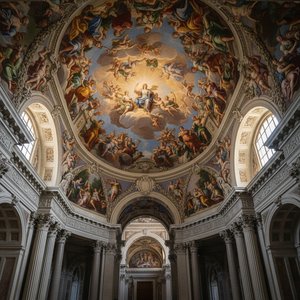
Pietro da Cortona: Baroque Grandeur & the Synthesis of Roman Painting
Explore the life & masterpieces of Pietro da Cortona, a defining figure of the Italian Baroque. Discover his stunning frescoes at Palazzo Barberini and lasting influence on Roman art history. Learn more with ArtsDot.

10 Шедевров Барокко: Искусство, изменившее мир | ArtsDot.com
Погрузитесь в мир барокко! 10 шедевров Караваджо, Рембрандта и других великих художников. Узнайте историю создания культовых картин и найдите идеальную репродукцию для вашего интерьера на ArtsDot.com