 Поделиться
 Поделиться
 Детали произведения

 Скачать
 Похожие работы
 Слайд-шоу
 Статистика
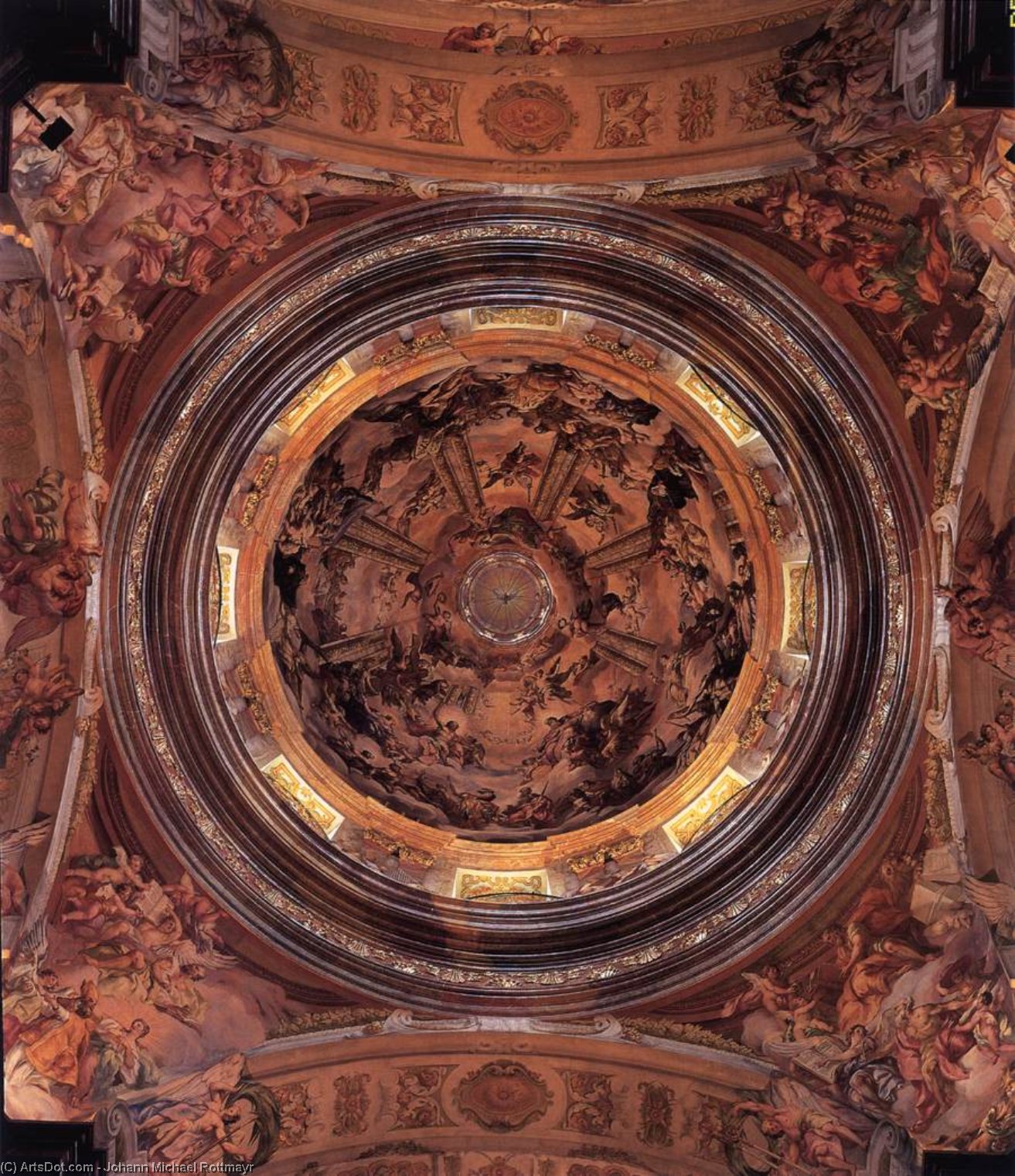
Decoration of the dome


 Читать далее
Масляная репродукция ручной работы
Картина маслом на холсте в выбранном вами размере и раме, написанная на заказ нашими художниками. ( Перейти к печати Перейти к цифровым изображениям)




































Выберите один из наших стандартных размеров, соответствующих оригинальным пропорциям произведения искусства.

Вы можете указать собственные размеры, чтобы картина идеально вписалась в выбранную раму или пространство. Если выбранный вами размер не соответствует пропорциям оригинала, мы либо обрежем полотно, либо расширим его за счет дополнительных элементов, написанных вручную. Цифровой макет будет отправлен вам на утверждение перед началом производства.
Обратите внимание, что предварительный просмотр на экране не отражает фактическую обрезку или расширение. Только макет точно покажет окончательную композицию.
Хотя доступны индивидуальные размеры, мы рекомендуем выбирать вариант из предопределенного списка, чтобы сохранить исходные пропорции.
После оформления заказа команда ArtsDot.com свяжется с клиентом по электронной почте для уточнения деталей и предоставит предварительный макет
Доставка по всему миру () за 3–4 недели вместо стандартных 5 недель. (12 Сентябрь). Без компромиссов в качестве.

Бесплатная экспресс-доставка по всему миру

Высококачественный льняной холст

Полное страхование доставки

Гарантия возмещения таможенных пошлин

Гарантия точного соответствия цветов

100-дневная политика возврата (только при обнаружении дефектов)

Гарантия возврата 100% средств

Предложение оптовых скидок
 Вариант со стеклом доступен только для размеров менее 110 см

Decoration of the dome
Техника репродукции
Размер репродукции
-


Итоговая стоимость
$ 263
A Celestial Vision in Gold and Light
Perched majestically atop the Austrian Danube hills, the Benedictine Abbey of Melk serves as a breathtaking sanctuary of Baroque grandeur, but its true soul resides within the soaring heights of its dome. Here, Johann Michael Rottmayr’s "Decoration of the Dome" unfolds as a monumental symphony of light and faith. Completed in 1716, this masterpiece is far more than mere architectural adornment; it is an immersive spiritual experience designed to lift the viewer's gaze from the earthly realm toward the divine. As one stands beneath the vast expanse, the ceiling seems to dissolve, replaced by a breathtaking panorama of biblical narratives that pulse with life and celestial energy.
The composition is a masterclass in narrative complexity, weaving together the most profound moments of the Christian tradition—the Nativity, the Crucifixion, the Resurrection, and the Ascension. Rottmayr arranged these sacred scenes within a sophisticated geometric scheme, drawing upon Renaissance mathematical principles to guide the eye through a rhythmic dance of figures and clouds. The interplay of gold and deep red accents creates an atmosphere of opulent warmth, making the dome feel less like a stone structure and more like a window into a luminous, eternal kingdom.
The Mastery of Baroque Technique
To behold this fresco is to witness the zenith of Baroque artistry. Rottmayr, having honed his skills under the influence of Venetian masters like Johann Carl Loth, brought an unparalleled command of chiaroscuro to the Abbey. Through the dramatic use of light and shadow, he achieved a sculptural depth that defies the flat surface of the plaster. His technique involved the meticulous application of tempera paint on plaster, utilizing delicate glazing—thin, translucent layers of pigment—to maximize brilliance and create an almost supernatural luminosity.
The texture of the work is remarkably rich; the artist’s fluid brushstrokes lend a sense of movement to the swirling heavens, while his ability to manipulate color creates an illusion of infinite space. For the discerning collector or interior designer, this piece offers a profound study in how light can be manipulated to transform an environment. The way the pigments catch and reflect light ensures that the artwork remains dynamic, changing its emotional temperature as the natural light shifts throughout the day within a room.
A Legacy of Devotion and Splendor
The historical context of this work is deeply intertwined with the fervent revival of Catholic piety in post-Thirty Years’ War Austria. Commissioned under the visionary Abbot Georg Franz Graf Thun, the fresco was intended to serve as a symbol of monastic authority and a beacon for pilgrims. It reflects an era where art was the primary language of devotion, designed to inspire awe, reverence, and a sense of overwhelming wonder.
For those seeking to bring a piece of this historical majesty into a contemporary space, a high-quality reproduction of "Decoration of the Dome" offers more than just aesthetic beauty. It provides a focal point of immense intellectual and emotional depth. Whether placed in a grand hall or a curated gallery setting, the artwork invites contemplation and serves as a testament to the enduring power of human creativity and spiritual aspiration. It is an invitation to inhabit a space where history, art, and divinity converge in a single, radiant moment.
Похожие произведения


Биография художника
A Legacy of Light: The Life and Art of Johann Michael Rottmayr
Johann Michael Rottmayr, born in the charming Bavarian town of Lauf an der Pegnitz around 1654 (sources vary between 1654 and 1656), stands as a pivotal figure in the transition from the High Baroque to the Rococo styles in Central Europe. He wasn’t merely a painter; he was a conduit, skillfully channeling the vibrant energy of Italian Renaissance masters through the lens of burgeoning Austrian artistic sensibilities. Rottmayr's journey began within a family already touched by artistry, providing fertile ground for his innate talents to blossom. His formal training commenced under Johann Carl Loth in Venice – a formative experience that would indelibly shape his aesthetic vision. Loth’s tutelage wasn’t simply about technique; it was an immersion into the world of Titian, Veronese, and Tintoretto, instilling within Rottmayr a deep appreciation for coloristic richness, dramatic composition, and the masterful use of light and shadow. This Venetian influence would remain a cornerstone of his style throughout his career. He wasn’t alone in absorbing Italian influences; Hans Adam Weissenkircher, a contemporary from Lauf, also played a crucial role in bringing these artistic currents northwards, fostering a shared aesthetic dialogue that enriched the region's art scene.From Salzburg to Vienna: A Rising Star
Rottmayr’s talent quickly garnered recognition, and in 1689 he secured a prestigious position as the general painter to the Prince-Bishop of Salzburg. This appointment wasn’t just a job; it was an endorsement, providing him with consistent commissions and establishing his reputation within influential circles. He flourished under this patronage, creating both secular and religious works that showcased his growing mastery. His collaboration with Johann Bernhard Fischer von Erlach, a leading architect of the time, proved particularly fruitful. Together they embarked on ambitious projects, seamlessly integrating architecture and painting to create immersive and awe-inspiring spaces. This partnership is beautifully exemplified in the allegorical frescoes at Schloss Frain an der Thaya (now Vranov nad Dyjí in the Czech Republic), where Rottmayr’s skill in illusionistic ceiling painting truly shines. The compositions are not merely decorative; they actively engage with the architectural structure, creating a harmonious and dynamic whole. This period marked a significant step in his artistic development, as he began to synthesize Italian influences with a distinctly Austrian sensibility. His move to Vienna around 1699 further propelled his career, bringing him into contact with a wider network of patrons and artists.Masterpieces of Illusion: The Melk Abbey Dome and Beyond
While Rottmayr produced numerous significant works throughout his career, he is perhaps best remembered for the breathtaking fresco adorning the central dome of Melk Abbey in Austria. Completed with remarkable skill, this masterpiece depicts a glorious vision of heaven – a swirling vortex of figures, light, and color that seems to dissolve the very boundaries between earth and sky. The sheer scale of the work, combined with Rottmayr’s masterful command of perspective and illusionistic techniques, creates an overwhelming sense of awe and spiritual transcendence. It is a testament to his ability to transform architectural space into a realm of divine beauty. Beyond Melk Abbey, Rottmayr left his mark on numerous other churches and palaces across Austria and Germany. His frescoes for the Karlskirche in Vienna, including the *Intercession of Charles Borromeo supported by the Virgin Mary*, are equally impressive, demonstrating his continued exploration of dramatic composition and vibrant color palettes. Even a work held in a private collection, simply titled “Vulcan,” speaks to his versatility and technical prowess. The enduring cultural significance of his Melk Abbey dome was further cemented in 2007 when it was chosen as the central motif for a high-value Austrian commemorative coin – a fitting tribute to an artist whose work continues to inspire wonder centuries later.A Bridge Between Eras: Rottmayr’s Artistic Legacy
Johann Michael Rottmayr's significance extends beyond his individual masterpieces; he played a crucial role in bridging the gap between the Italian Renaissance traditions and the evolving Baroque style in Central Europe. He wasn’t simply imitating Italian art; he was adapting it, infusing it with a distinctly Austrian character. His work embodies a dynamic interplay of light and shadow, vibrant color, and dramatic composition – hallmarks of the Baroque aesthetic. However, his paintings also reveal a growing sensitivity to form and detail, foreshadowing the elegance and refinement of the Rococo period.- Frescoes & Ceiling Paintings: Rottmayr excelled in large-scale fresco paintings, particularly those designed for ceilings, creating dynamic compositions and a sense of soaring space.
- Religious Subjects: A significant portion of his oeuvre is dedicated to religious themes, reflecting the patronage of the Church during that era. He frequently depicted scenes from the Bible and the lives of saints.
- Dramatic Composition: His paintings are characterized by dramatic lighting, vibrant colors, and a sense of movement, creating emotionally engaging experiences for viewers.

Йоганн Михаэль Ротмайер
1654 - 1730 , Германия
Основные сведения
- Artistic Movement Or Style: Барокко
- Artists Or Movements Influenced By This Artist: ['Итальянское барокко']
- Artists Who Influenced This Artist: ['Йохан Карл Лотт']
- Date Of Birth: 1654 г.
- Date Of Death: 1730 г.
- Full Name: Johann Michael Rottmayr
- Nationality: Австрийский
- Notable Artworks:
- ДомКирхе Вена
- Купол Мёлькского аббатства
- Вулкан
- Place Of Birth: Лайф ан дер Пегниц, Германия
Похожие статьи
25 Шедевров Густава Климта: Искусство, Декор и Золотой Век Австрийского Модерна
Погрузитесь в мир Густава Климта! 25 шедевров австрийского модерна, символизма и золотой живописи. Узнайте истории создания знаменитых картин Климта и вдохновитесь для декора интерьера. Репродукции музейного качества на ArtsDot.com.
The Enduring Appeal of Decorative Art: A Historical Survey of Ornamentation, Functionality & Cultural Significance
Explore the rich history of decorative arts with ArtsDot.com. Discover key movements, influential artists, and expert guidance for building a discerning collection. Learn about ornamentation, functionality & cultural significance.
Топ-10 знаменитых картин для роскошного интерьера гостиной от ArtsDot
Топ-10 знаменитых картин для гостиной от ArtsDot: Ван Гог, Моне и другие шедевры. Узнайте историю искусства и выберите идеальную репродукцию для вашего интерьера! Explore the full collection online.

Tactile Maximalism: The Expert Guide to Styling Bold Pop Art for Dopamine Decor Interiors
Master the art of Dopamine Decor with our expert guide to Tactile Maximalism. Learn how to professionally style bold Pop Art through texture, color theory, and curated layers to create a joyful, high-end interior that inspires.
25 Шедевров Kunsthistorisches Museum: Искусство для Вашего Дома | ArtsDot
Погрузитесь в мир искусства с 25 шедеврами Kunsthistorisches Museum, Vienna! Узнайте истории Рафаэля, Рембрандта и Вермеера. Купите репродукции картин для вашего дома на ArtsDot.com – музейное качество и вдохновение для интерьера.