

 Предпросмотр
 Поделиться
 Поделиться
 Детали произведения

 Скачать
 Похожие работы
 Рентгенография
 Слайд-шоу
 Статистика
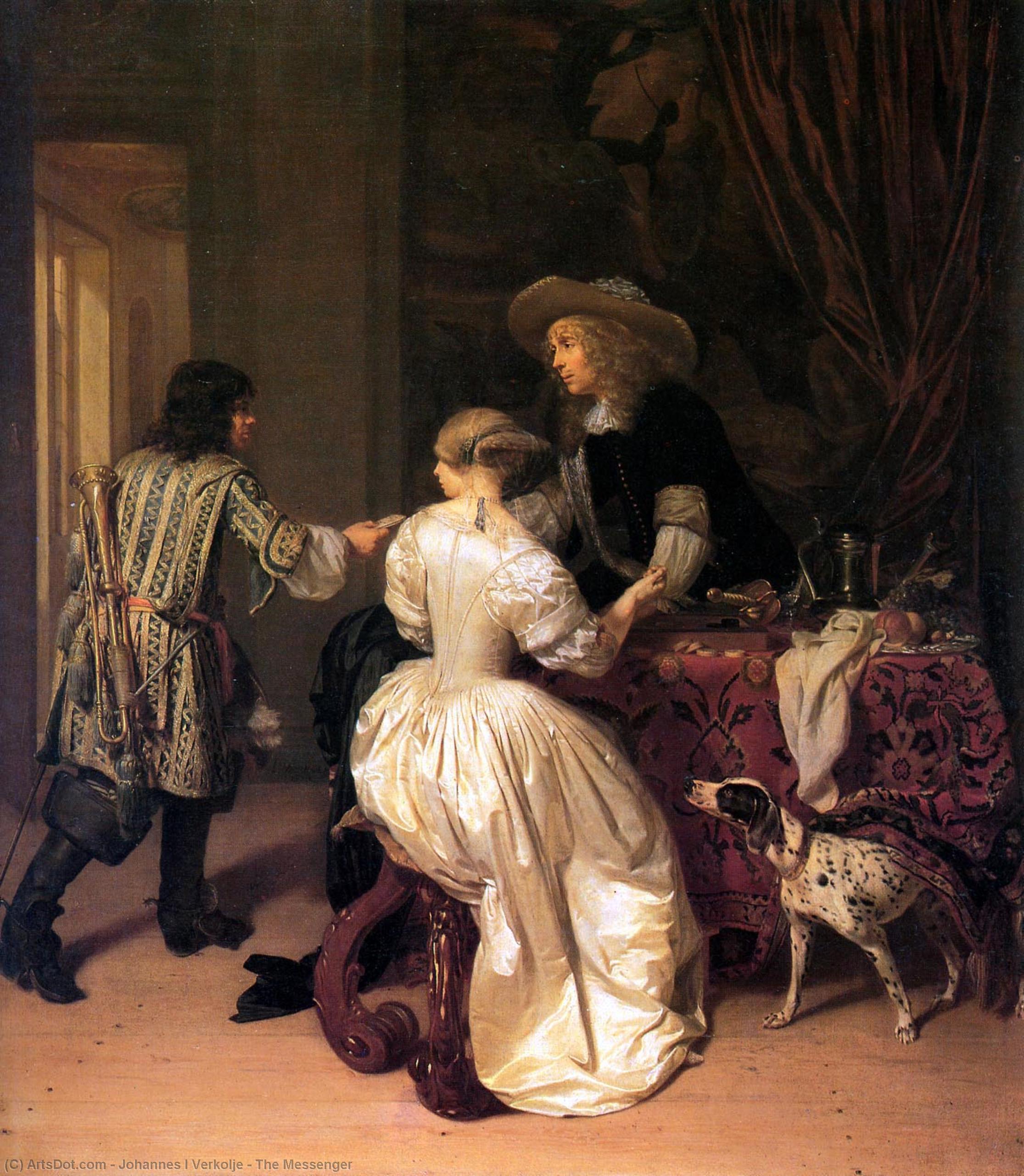
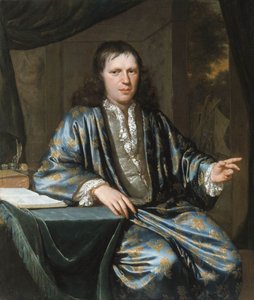
The Messenger
 Oil On Canvas
- WallArt
- Baroque
 1674
1674- Early Modern
 59.0 x 54.0 cm
 Маурицхёйс
 Читать далее
Приобретите цифровое изображение высокого разрешения в улучшенном качестве, которое значительно превосходит онлайн-превью.
Каждый файл тщательно подготавливается нашими специалистами с использованием передовых инструментов и экспертной ручной ретуши. Мы гарантируем исключительную четкость, точную цветопередачу и детальную проработку каждого изображения.
Финальный файл доставляется по электронной почте в течение 72 часов и оптимизирован для немедленного использования в профессиональной среде, при верстке и печати. Это тот же уровень качества, которому доверяют ведущие дизайнерские студии, издательства и галереи.
Цифровое изображение
Скачайте файл высокого разрешения для личного использования, печати и творческих проектов. ( Перейти к печати Купить картину ручной работы)
Включено в каждый заказ цифровых изображений
Гарантия экспертной цифровой доставки
Выбирая ArtsDot.com, вы получаете не просто изображение — вы приобретаете профессионально обработанное цифровое произведение искусства, созданное с безупречной точностью и под защитой гарантии качества. Вот всё, что автоматически входит в ваш заказ:

Мгновенная доставка по e-mail
Ваш цифровой файл в высоком разрешении будет отправлен вам по электронной почте в течение 72 часов после оформления заказа — и сразу станет доступен для использования.

Цифровой файл с ИИ-улучшением
Ваше произведение искусства проходит профессиональную оптимизацию с использованием передовых инструментов ИИ и ручной обработки, что гарантирует максимальную детализацию, четкость и точность цветопередачи.

Бессрочная бесплатная повторная доставка
Случайно удалили или потеряли файл? Не беспокойтесь — мы отправим его вам повторно в любое время и совершенно бесплатно.

Без импортных пошлин — навсегда
Наслаждайтесь вашим произведением искусства мгновенно без таможенных пошлин, сборов или затрат на доставку — цифровые загрузки всегда не облагаются налогом.

Гарантия точности цветопередачи
Мы гарантируем, что ваше цифровое изображение максимально точно передает оригинальные цвета благодаря использованию профессиональных инструментов и систем управления цветом.

Гарантия удовлетворенности 100 дней
Если вы не будете удовлетворены своим цифровым изображением, мы внесем правки или вернем 100% стоимости в течение 100 дней — без лишних вопросов.

100% Гарантия возврата средств
Не удовлетворены покупкой? Получите полный возврат средств в течение 100 дней после получения цифрового файла — без лишних вопросов.

Скидки на оптовые заказы
Купите 3 изображения, сэкономьте 10% — Купите 5, сэкономьте 15% — Купите 10+, сэкономьте 20%. Отличное решение для творческих проектов, галерей и агентств.
A Glimpse into Domestic Life in Delft
Johannes i Verkolje’s The Messenger, painted in 1674, invites the modern viewer into an intimate tableau of nederlands domesticity. This painting is far more than a mere depiction of people gathered around a table; it is a carefully composed moment suspended in time, radiating the quiet elegance characteristic of Delft life during the Dutch Golden Age. The scene unfolds within a richly appointed room, suggesting a gathering of friends or family engaged in conversation and perhaps the sharing of sustenance. One can almost hear the murmur of their voices echoing off the walls, drawn into the subtle drama played out among the three central figures.
Mastery of Light and Human Connection
Verkolje’s technique is a testament to his reputation as a master of light. Notice how the illumination seems to emanate from an unseen source, catching the folds of clothing, highlighting the polished surfaces of the dining table, and lending a soft luminescence to the skin tones. This masterful handling of chiaroscuro allows the viewer’s eye to wander naturally across the composition, lingering on the details—the scattered bottles, the bowl upon the table, and the watchful presence of the dog near the right edge.
The figures themselves are rendered with remarkable psychological depth. The man on the left, distinguished by his hat, engages in conversation, while the other gentleman, equipped with a bow and arrow, adds an element of narrative tension or perhaps simply personal interest to the group dynamic. It is this ability to capture fleeting human interaction—the gesture, the glance, the shared moment—that elevates the piece from simple genre scene to profound study of character.
Symbolism Woven into Everyday Objects
In 17th-century Dutch art, nothing was accidental. The objects within The Messenger carry symbolic weight. The presence of the dog often symbolizes fidelity and loyalty, grounding the human drama in a sense of domestic comfort. The array of bottles and vessels suggests not only refreshment but perhaps the trade or pleasures associated with daily life. These elements anchor the painting firmly in its historical context, reminding us that even moments of leisure were structured by tangible goods and social ritual.
An Enduring Appeal for the Modern Collector
For those seeking to bring the refined atmosphere of the Dutch Golden Age into a contemporary space, this work offers unparalleled charm. Whether displayed in a formal drawing-room or a cozy study, The Messenger speaks to an appreciation for understated beauty and human connection. Owning a reproduction allows one to connect with Verkolje’s delicate balance between meticulous detail and emotional resonance—a piece that whispers stories of bygone eras while speaking directly to the quiet moments we cherish today.
Похожие произведения



Биография художника
Johannes Verkolje: A Delft Master of Elegance and Light
Johannes Verkolje (1650-1693) stands as a captivating figure within the vibrant tapestry of 17th-century Dutch art. Born in Amsterdam, he ultimately established himself as a leading portraitist and genre painter centered in the elegant city of Delft, where his refined style and technical skill earned him considerable renown. While not boasting the dramatic flair of Rembrandt or the grand scale of Rubens, Verkolje’s contribution lies in his ability to capture subtle nuances of character, domestic tranquility, and the luminous quality of light – hallmarks of a distinctly Delft aesthetic. His legacy is preserved through a remarkable body of work, offering intimate glimpses into the lives and social circles of his era.
Verkolje's early life remains somewhat shrouded in mystery, though biographical accounts suggest a precocious talent. Legend has it that a childhood injury – a mishap involving darts – led to prolonged bed rest, during which he discovered a passion for copying prints. This nascent skill blossomed under the guidance of Jan Andrea Lievens, a prominent Amsterdam painter, marking the beginning of his artistic journey. A pivotal move in 1672 brought him to Delft, coinciding with the tumultuous “rampjaar” (disaster year) that reshaped the Dutch Republic. This relocation proved strategically advantageous; Delft’s wealthy merchant class and aristocratic patrons provided Verkolje with unparalleled opportunities for commissions, solidifying his position within the city's artistic landscape.
A Portraitist of Distinction
Verkolje quickly established himself as a sought-after portrait painter, catering to a diverse clientele ranging from prominent figures like Antonie van Leeuwenhoek – whose meticulously rendered likeness in oil and mezzotint remains one of his most celebrated works – to members of Delft’s legal elite, including Johan de la Faille and his wife. His portraits weren't merely representations of physical appearance; they were carefully constructed narratives, imbued with an air of sophistication and social standing. He skillfully employed lighting and composition to convey personality, capturing not just the outward form but also the inner character of his subjects. Notably, Verkolje’s portraiture often eschewed the overtly dramatic poses favored by some contemporaries, instead opting for a more naturalistic approach that emphasized grace and composure.
Beyond individual portraits, Verkolje excelled in depicting couples within intimate domestic settings – scenes of refined leisure and quiet companionship. These genre paintings, frequently set in richly furnished interiors, offer valuable insights into the social customs and material culture of Delft society. The use of light is particularly noteworthy here, bathing the figures in a warm, inviting glow that evokes a sense of comfort and serenity. His ability to render fabrics, textures, and reflections with remarkable detail further enhances the realism and visual appeal of these scenes.
The Mezzotint Master
While primarily recognized for his paintings, Verkolje’s contribution to printmaking was equally significant. He possessed a rare talent for mezzotint – a technique involving the creation of tonal values through the roughening of metal plates. This allowed him to achieve astonishingly rich and velvety blacks, particularly effective in depicting fabrics and shadows. He wasn't simply replicating existing engravings; Verkolje developed his own distinctive style within the medium, utilizing subtle gradations of tone and carefully controlled hatching to create a remarkable sense of depth and atmosphere. His mezzotints of Leeuwenhoek and other figures demonstrate both technical mastery and artistic sensitivity.
Legacy and Influence
Johannes Verkolje’s career was tragically cut short by illness in 1693, at the age of 43. Despite his relatively brief working life, he left behind a substantial body of work that continues to captivate viewers today. His influence can be seen in the works of subsequent Delft painters, particularly in their emphasis on elegant portraiture and the skillful use of light. Verkolje’s legacy is not one of revolutionary innovation but rather of consistent refinement – a testament to his dedication, technical skill, and keen eye for capturing the beauty and complexity of human experience within the context of 17th-century Dutch society. His paintings and prints remain treasured examples of Delft painting, offering enduring insights into a bygone era.
johannes i verkolje
1650 - 1693 , Netherlands
Основные сведения
- Artistic Movement Or Style: Delft Portraiture, Mezzotint
- Artists Or Movements Influenced By This Artist: ['Dutch Golden Age']
- Artists Who Influenced This Artist: ['Jan Verkolje']
- Date Of Birth: 1650, Amsterdam
- Date Of Death: 1693
- Full Name: Johannes Verkolje
- Nationality: Dutch
- Notable Artworks:
- Portrait of a woman
- Antonie van Leeuwenhoek
- Place Of Birth: Amsterdam, Netherlands