

 Предпросмотр
 Поделиться
 Поделиться
 Детали произведения

 Скачать
 Похожие работы
 Рентгенография
 Слайд-шоу
 Статистика
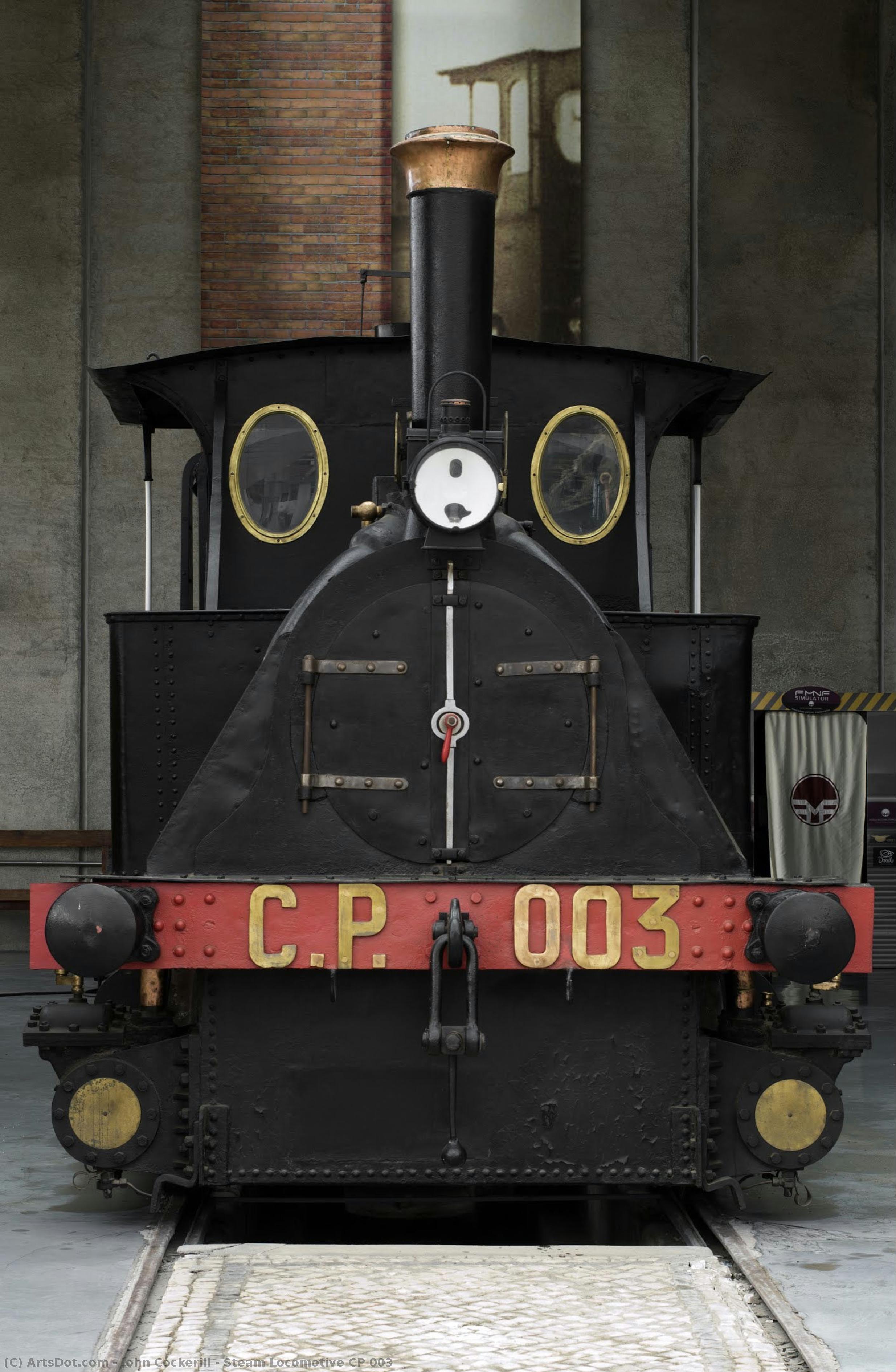
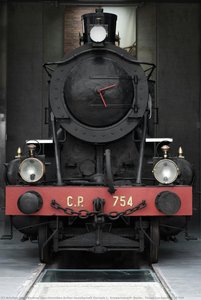
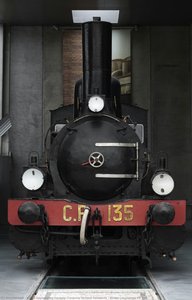
Steam Locomotive CP 003


 Читать далее
Приобретите цифровое изображение высокого разрешения в улучшенном качестве, которое значительно превосходит онлайн-превью.
Каждый файл тщательно подготавливается нашими специалистами с использованием передовых инструментов и экспертной ручной ретуши. Мы гарантируем исключительную четкость, точную цветопередачу и детальную проработку каждого изображения.
Финальный файл доставляется по электронной почте в течение 72 часов и оптимизирован для немедленного использования в профессиональной среде, при верстке и печати. Это тот же уровень качества, которому доверяют ведущие дизайнерские студии, издательства и галереи.
Цифровое изображение
Скачайте файл высокого разрешения для личного использования, печати и творческих проектов. ( Перейти к печати Купить картину ручной работы)
Включено в каждый заказ цифровых изображений
Гарантия экспертной цифровой доставки
Выбирая ArtsDot.com, вы получаете не просто изображение — вы приобретаете профессионально обработанное цифровое произведение искусства, созданное с безупречной точностью и под защитой гарантии качества. Вот всё, что автоматически входит в ваш заказ:

Мгновенная доставка по e-mail
Ваш цифровой файл в высоком разрешении будет отправлен вам по электронной почте в течение 72 часов после оформления заказа — и сразу станет доступен для использования.

Цифровой файл с ИИ-улучшением
Ваше произведение искусства проходит профессиональную оптимизацию с использованием передовых инструментов ИИ и ручной обработки, что гарантирует максимальную детализацию, четкость и точность цветопередачи.

Бессрочная бесплатная повторная доставка
Случайно удалили или потеряли файл? Не беспокойтесь — мы отправим его вам повторно в любое время и совершенно бесплатно.

Без импортных пошлин — навсегда
Наслаждайтесь вашим произведением искусства мгновенно без таможенных пошлин, сборов или затрат на доставку — цифровые загрузки всегда не облагаются налогом.

Гарантия точности цветопередачи
Мы гарантируем, что ваше цифровое изображение максимально точно передает оригинальные цвета благодаря использованию профессиональных инструментов и систем управления цветом.

Гарантия удовлетворенности 100 дней
Если вы не будете удовлетворены своим цифровым изображением, мы внесем правки или вернем 100% стоимости в течение 100 дней — без лишних вопросов.

100% Гарантия возврата средств
Не удовлетворены покупкой? Получите полный возврат средств в течение 100 дней после получения цифрового файла — без лишних вопросов.

Скидки на оптовые заказы
Купите 3 изображения, сэкономьте 10% — Купите 5, сэкономьте 15% — Купите 10+, сэкономьте 20%. Отличное решение для творческих проектов, галерей и агентств.
Похожие произведения
Биография художника
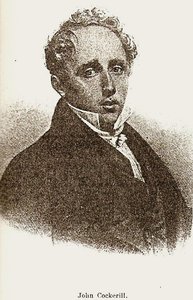
John Cockerill (1790-1840): Pioneer of Belgian Industry
John Cockerill (August 3, 1790 – June 9, 1840) was a pivotal figure in the industrial revolution, renowned as an English-born industrialist who significantly shaped the landscape of Belgian industry. His legacy extends beyond mere business acumen; he pioneered advancements in steam engine technology and railway development, leaving an indelible mark on 19th-century engineering.
Early Life and Family Legacy
Born in Haslingden, Lancashire, England, John Cockerill's destiny was intertwined with his father, William Cockerill, a visionary British entrepreneur who had established himself as a prominent builder of wool-processing machinery in the Liège region of Belgium. William recognized the potential for industrial growth and brought young John to Verviers, Belgium, around 1802. This relocation proved crucial, immersing John in a world of mechanical innovation from an early age. The Cockerill family tradition focused on improving textile production through innovative machinery, laying the groundwork for John's future endeavors.
Rise as an Industrialist and Technological Innovation
Following his father’s retirement in 1813, John, alongside his brother Charles James Cockerill, assumed management of the family business. A key moment arrived in 1817 when they established the ironworks named "John Cockerill & Cie." (later Societe Anonyme Cockerill-Ougree). This marked a significant expansion beyond textile machinery into broader industrial production. The Seraing factory became a vertically integrated powerhouse, encompassing iron foundries and machine manufacturing. Under John's leadership, the company embraced cutting-edge technologies:
- Steam Engines: Cockerill’s factories produced a wide range of steam engines, including air-blowers, traction engines, and those for maritime use, significantly contributing to industrial power generation.
- Steel Production: The introduction of coke-fired blast furnaces in 1826 demonstrated Cockerill's commitment to modern steelmaking techniques.
- Railway Technology: A landmark achievement was the construction of "Le Belge" (The Belgian), Belgium’s first steam locomotive, in 1835, solidifying Cockerill’s role as a pioneer in railway technology.
Challenges and Legacy
Despite his remarkable achievements, John Cockerill's career faced significant challenges. Economic instability in the late 1830s, triggered by tensions between Belgium and the Netherlands, led to bankruptcy for his company in 1839. He embarked on a desperate mission to secure funding from Russia, but contracted typhoid fever and died in Warsaw in 1840 at the age of 49.
Despite this tragic end, Cockerill’s legacy endured. He was widely recognized as a humanitarian employer and the founder of Belgian manufacturing industry. His company continued to evolve through various mergers and acquisitions, with the Cockerill name remaining associated with engineering excellence for many years. A monument in Brussels commemorates his contributions to Belgium's industrial heritage, ensuring that John Cockerill’s pioneering spirit continues to inspire generations.
John Cockerill
1790 - 1840 , United Kingdom
Основные сведения
- Date Of Birth: August 3, 1790
- Date Of Death: June 9, 1840
- Full Name: John Cockerill
- Nationality: British, later Belgian
- Notable Artworks: ['Steam Locomotive CP 003']
- Place Of Birth (City And Country): Haslingden, United Kingdom