

 Предпросмотр
 Поделиться
 Поделиться
 Детали произведения

 Скачать
 Похожие работы
 Рентгенография
 Слайд-шоу
 Статистика
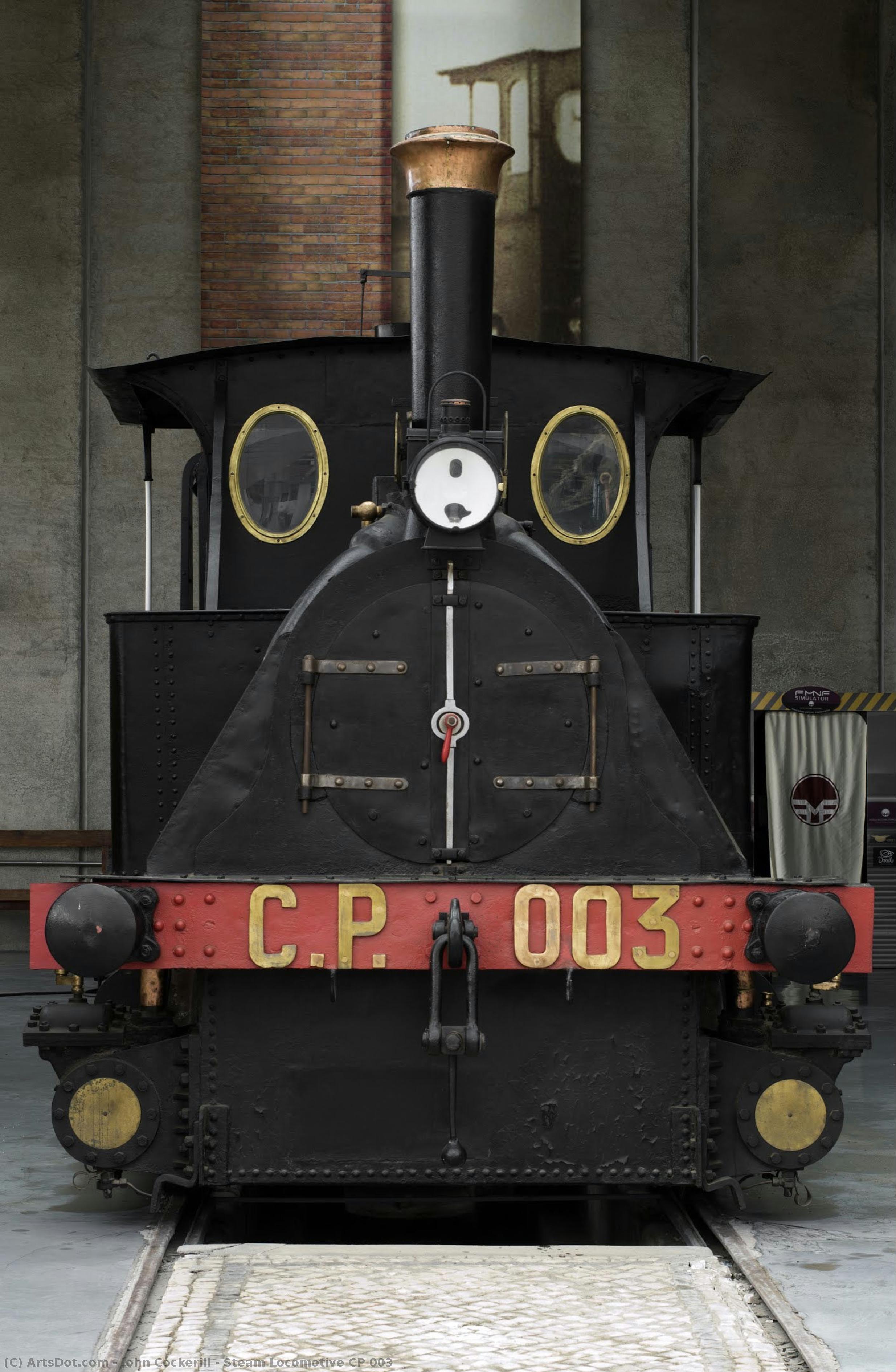
Steam Locomotive CP 003


 Читать далее
Жикле / Арт-принт
Печать (жикле) или холст музейного качества с быстрыми сроками изготовления и широким выбором вариантов отделки. ( Купить картину ручной работы Перейти к цифровым изображениям)




































Выберите один из наших стандартных размеров, соответствующих оригинальным пропорциям произведения искусства.

Вы можете указать свои собственные размеры, чтобы репродукция идеально подошла под конкретную раму или пространство. Если выбранный вами размер не будет соответствовать пропорциям оригинала, мы либо обрежем произведение, либо дополним изображение зеркальным отражением краев или однотонной заливкой. Перед началом производства вам будет отправлен цифровой макет для утверждения.
Пожалуйста, обратите внимание, что предварительный просмотр на экране не отображает фактическую обрезку или расширение изображения. Только макет точно покажет финальную композицию.
Несмотря на возможность заказа индивидуальных размеров, мы рекомендуем выбирать размер из предопределенного списка, чтобы сохранить оригинальные пропорции.
Доставка по всему миру () за 2 недели вместо стандартных 4/5 недель. (11 Сентябрь)

Бесплатная экспресс-доставка по всему миру

Высококачественный льняной холст

Полное страхование доставки

Гарантия возмещения таможенных пошлин

Гарантия точного соответствия цветов

100-дневная политика возврата (только при обнаружении дефектов)

Гарантия возврата 100% средств

Предложение оптовых скидок
 Вариант со стеклом доступен только для размеров менее 110 см

Steam Locomotive CP 003
Жикле / Арт-принт
Размер репродукции
-


Итоговая стоимость
$ 62
Похожие произведения



Биография художника
John Cockerill (1790-1840): Pioneer of Belgian Industry
John Cockerill (August 3, 1790 – June 9, 1840) was a pivotal figure in the industrial revolution, renowned as an English-born industrialist who significantly shaped the landscape of Belgian industry. His legacy extends beyond mere business acumen; he pioneered advancements in steam engine technology and railway development, leaving an indelible mark on 19th-century engineering.
Early Life and Family Legacy
Born in Haslingden, Lancashire, England, John Cockerill's destiny was intertwined with his father, William Cockerill, a visionary British entrepreneur who had established himself as a prominent builder of wool-processing machinery in the Liège region of Belgium. William recognized the potential for industrial growth and brought young John to Verviers, Belgium, around 1802. This relocation proved crucial, immersing John in a world of mechanical innovation from an early age. The Cockerill family tradition focused on improving textile production through innovative machinery, laying the groundwork for John's future endeavors.
Rise as an Industrialist and Technological Innovation
Following his father’s retirement in 1813, John, alongside his brother Charles James Cockerill, assumed management of the family business. A key moment arrived in 1817 when they established the ironworks named "John Cockerill & Cie." (later Societe Anonyme Cockerill-Ougree). This marked a significant expansion beyond textile machinery into broader industrial production. The Seraing factory became a vertically integrated powerhouse, encompassing iron foundries and machine manufacturing. Under John's leadership, the company embraced cutting-edge technologies:
- Steam Engines: Cockerill’s factories produced a wide range of steam engines, including air-blowers, traction engines, and those for maritime use, significantly contributing to industrial power generation.
- Steel Production: The introduction of coke-fired blast furnaces in 1826 demonstrated Cockerill's commitment to modern steelmaking techniques.
- Railway Technology: A landmark achievement was the construction of "Le Belge" (The Belgian), Belgium’s first steam locomotive, in 1835, solidifying Cockerill’s role as a pioneer in railway technology.
Challenges and Legacy
Despite his remarkable achievements, John Cockerill's career faced significant challenges. Economic instability in the late 1830s, triggered by tensions between Belgium and the Netherlands, led to bankruptcy for his company in 1839. He embarked on a desperate mission to secure funding from Russia, but contracted typhoid fever and died in Warsaw in 1840 at the age of 49.
Despite this tragic end, Cockerill’s legacy endured. He was widely recognized as a humanitarian employer and the founder of Belgian manufacturing industry. His company continued to evolve through various mergers and acquisitions, with the Cockerill name remaining associated with engineering excellence for many years. A monument in Brussels commemorates his contributions to Belgium's industrial heritage, ensuring that John Cockerill’s pioneering spirit continues to inspire generations.
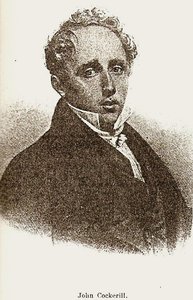
John Cockerill
1790 - 1840 , United Kingdom
Основные сведения
- Date Of Birth: August 3, 1790
- Date Of Death: June 9, 1840
- Full Name: John Cockerill
- Nationality: British, later Belgian
- Notable Artworks: ['Steam Locomotive CP 003']
- Place Of Birth (City And Country): Haslingden, United Kingdom
Похожие статьи
Gwen John: Intimacy, Modernity & the Quiet Power of Welsh Portraiture
Explore the captivating world of Gwen John, a pioneering Welsh artist renowned for her intimate portraits & subtle style. Discover her life, legacy, and how to bring her timeless beauty into your home with ArtsDot.

Джон Сингер Сарджент: 25 шедевров портретной живописи для вашего интерьера | ArtsDot
Погрузитесь в мир Джона Сингера Сарджента! 25 шедевров импрессионизма и реализма, раскрывающих элегантность эпохи Gilded Age. Купите репродукции картин Сарджента музейного качества для вашего интерьера на ArtsDot.com.

Индустриальный Шик в Искусстве: 10 Шедевров для Стильного Интерьера
Погрузитесь в мир индустриального искусства! 10 шедевров от Моне до Пикассо, отражающих эпоху перемен и городскую жизнь. Репродукции картин высокого качества для стильного интерьера на ArtsDot.com. Откройте всю коллекцию онлайн!

The Gritty Muse: Industrial Vibe as Defining Aesthetic in Modern Artwork
Explore the captivating world of industrial aesthetics in modern art. Discover key movements, influential artists & collecting insights at ArtsDot.com – your source for museum-quality reproductions and expert art guidance.

Джон Констебль: 25 шедевров английского пейзажа для вашего интерьера
Погрузитесь в мир английского пейзажа с Джоном Констеблом! 25 шедевров романтизма, история создания картин и вдохновение для вашего интерьера. Репродукции высокого качества на ArtsDot.com – искусство для ценителей.