

 Предпросмотр
 Поделиться
 Поделиться
 Детали произведения

 Скачать
 Похожие работы
 Рентгенография
 Слайд-шоу
 Статистика
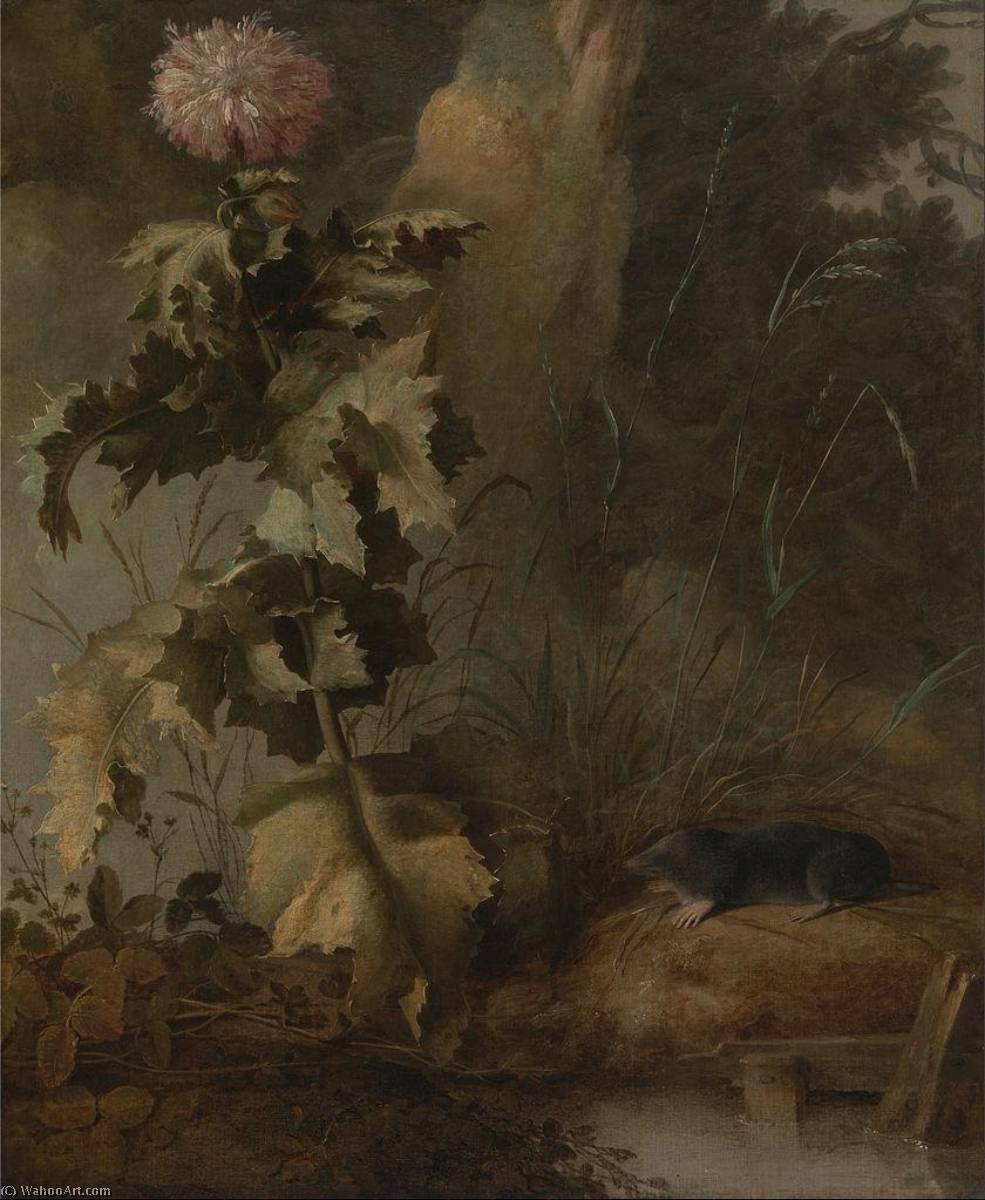
An Egyptian Poppy and a Water Mole
 Oil On Canvas
- WallArt
- Norwich School Landscape
 1812
1812 73.0 x 61.0 cm
 Йельский центр британского искусства
 Читать далее
Приобретите цифровое изображение высокого разрешения в улучшенном качестве, которое значительно превосходит онлайн-превью.
Каждый файл тщательно подготавливается нашими специалистами с использованием передовых инструментов и экспертной ручной ретуши. Мы гарантируем исключительную четкость, точную цветопередачу и детальную проработку каждого изображения.
Финальный файл доставляется по электронной почте в течение 72 часов и оптимизирован для немедленного использования в профессиональной среде, при верстке и печати. Это тот же уровень качества, которому доверяют ведущие дизайнерские студии, издательства и галереи.
Цифровое изображение
Скачайте файл высокого разрешения для личного использования, печати и творческих проектов. ( Перейти к печати Купить картину ручной работы)
Включено в каждый заказ цифровых изображений
Гарантия экспертной цифровой доставки
Выбирая ArtsDot.com, вы получаете не просто изображение — вы приобретаете профессионально обработанное цифровое произведение искусства, созданное с безупречной точностью и под защитой гарантии качества. Вот всё, что автоматически входит в ваш заказ:

Мгновенная доставка по e-mail
Ваш цифровой файл в высоком разрешении будет отправлен вам по электронной почте в течение 72 часов после оформления заказа — и сразу станет доступен для использования.

Цифровой файл с ИИ-улучшением
Ваше произведение искусства проходит профессиональную оптимизацию с использованием передовых инструментов ИИ и ручной обработки, что гарантирует максимальную детализацию, четкость и точность цветопередачи.

Бессрочная бесплатная повторная доставка
Случайно удалили или потеряли файл? Не беспокойтесь — мы отправим его вам повторно в любое время и совершенно бесплатно.

Без импортных пошлин — навсегда
Наслаждайтесь вашим произведением искусства мгновенно без таможенных пошлин, сборов или затрат на доставку — цифровые загрузки всегда не облагаются налогом.

Гарантия точности цветопередачи
Мы гарантируем, что ваше цифровое изображение максимально точно передает оригинальные цвета благодаря использованию профессиональных инструментов и систем управления цветом.

Гарантия удовлетворенности 100 дней
Если вы не будете удовлетворены своим цифровым изображением, мы внесем правки или вернем 100% стоимости в течение 100 дней — без лишних вопросов.

100% Гарантия возврата средств
Не удовлетворены покупкой? Получите полный возврат средств в течение 100 дней после получения цифрового файла — без лишних вопросов.

Скидки на оптовые заказы
Купите 3 изображения, сэкономьте 10% — Купите 5, сэкономьте 15% — Купите 10+, сэкономьте 20%. Отличное решение для творческих проектов, галерей и агентств.
An Exploration of Norfolk Landscape Through John Crome’s Vision
John Crome (1768–1821), affectionately known as “Old Crome” by his son, Robert Crome Sr., stands as a cornerstone of British landscape painting—a founding member and dominant figure within the Norwich School. Born in Norwich, Norfolk, Crome's artistic journey began not with formal training but with an apprenticeship under Francis Whisler, honing practical skills in design and color alongside a profound connection to his native East Anglian countryside. This formative experience instilled a lifelong dedication to capturing the subtle beauty of the region’s flora and fauna, shaping his distinctive style and cementing his legacy as one of Britain's greatest artists.- Subject Matter: Crome’s canvases depict scenes from Norfolk—primarily meadows dotted with wildflowers, particularly poppies alongside water voles—presenting a serene portrayal of rural life. These landscapes weren’t merely representations; they were expressions of deep affection for his surroundings and an attempt to convey their inherent tranquility.
- Style: The Norwich School championed a style characterized by muted tones and atmospheric perspective – techniques that prioritized capturing the mood and essence of a place rather than striving for photographic accuracy. Crome’s approach aligns perfectly with this aesthetic, favoring tonal gradations and hazy skies to evoke a sense of stillness and contemplation.
- Technique: Employing oil paint on canvas, Crome utilized layering and glazing methods to achieve remarkable depth and luminosity. He meticulously blended pigments to create subtle variations in color and texture, resulting in canvases that radiate warmth and realism. The artist’s meticulous attention to detail is evident in every brushstroke, demonstrating a mastery of traditional painting techniques.
- Historical Context: Crome's work emerged during the Romantic era, reflecting an increasing fascination with nature as inspiration for artistic expression. Simultaneously, it embodies the burgeoning interest in scientific observation and accurate depiction—a desire to document the natural world with precision while simultaneously conveying its emotional resonance.
Provenance & Acquisition
The painting is part of Yale Center for British Art’s Paul Mellon Collection and was acquired through a generous donation from Mr. Mellon. Its accession number B1981.25.185 provides valuable insight into its history and confirms its significance as an exemplar of Norwich School artistry.Further Resources
You can explore more about John Crome’s life and work at Yale Center for British Art. Also, discover the artist's influence on contemporary filmmakers like John Waters.Похожие произведения
Биография художника
John Crome (1768–1821) - Art UK
John Crome, affectionately known as “Old Crome” to distinguish him from his artist son, stands as a pivotal figure in British art history—a founder and leading light of the celebrated Norwich School. Born in 1768 in Norwich, Norfolk, Crome’s journey was one of remarkable self-education and dedication, rising from humble beginnings to become a respected landscape painter who captured the very essence of his beloved East Anglian countryside. His father, a weaver, instilled a strong work ethic, but it was an apprenticeship with house, coach, and sign painter Francis Whisler that first nurtured Crome’s artistic inclinations, providing him with foundational skills in design and color. This practical training proved invaluable as he began to explore his passion for depicting the natural world around him. A formative friendship with Robert Ladbrooke, a fellow aspiring artist, further fueled his development; together they sketched en plein air, honing their observational abilities and sharing a burgeoning enthusiasm for art.Early Life and Artistic Beginnings
John Crome was born on December 22nd, 1768, in Norwich, Norfolk—a town steeped in maritime history and agricultural tradition. He descended from a family of weavers, whose livelihood depended on the intricate craft of transforming wool into textiles. This upbringing instilled within him a disciplined mindset and an appreciation for meticulous detail—qualities that would prove invaluable to his artistic pursuits. Recognizing Crome’s innate talent early on, his father encouraged him to pursue drawing lessons, securing him an apprenticeship with Francis Whisler, a skilled craftsman specializing in decorative arts. Whisler’s workshop provided Crome with hands-on experience in various techniques, including etching and gilding—skills that would broaden his artistic horizons beyond mere watercolor painting. It was during this formative period that he encountered Robert Ladbrooke, another ambitious artist who shared his passion for capturing the beauty of Norfolk landscapes. Their collaborative sketching expeditions cemented their friendship and fostered a collective commitment to observing nature with unwavering accuracy.The Norwich School: A Regional Artistic Movement
Crome’s artistic trajectory took an extraordinary turn thanks to the generosity of Thomas Harvey of Old Catton, who possessed an impressive collection of artworks—primarily Dutch masters like Gainsborough and Hobbema—that profoundly influenced Crome's aesthetic sensibilities. Harvey’s patronage exposed Crome to groundbreaking compositional approaches and atmospheric effects, prompting him to adopt a distinctive style characterized by luminous color palettes and subtle tonal gradations. Furthermore, he benefited from the guidance of established artists such as Sir William Beechey and John Opie, who nurtured his artistic development within the broader Norwich School community—a movement that championed direct observation of nature and sought to portray Norfolk landscapes with unparalleled fidelity. In 1803, Crome spearheaded the formation of the Norwich Society of Artists alongside Ladbrooke—a bold initiative that formally inaugurated the Norwich School as a recognized force in British art. This collective endeavor solidified Crome’s leadership role and fostered an environment conducive to artistic experimentation and innovation.Style and Technique: Embracing Dutch Influence
Crome's artistic style is undeniably rooted in the traditions of Dutch landscape painting—particularly the works of Jacob van Ruisdael and Rembrandt Hobbema. He meticulously studied these masters, absorbing their techniques for rendering light and atmosphere with remarkable precision. Unlike many of his contemporaries who favored idealized depictions of nature, Crome prioritized capturing the subtle nuances of Norfolk’s environment—the dappled sunlight filtering through ancient oaks, the misty mornings reflecting on placid rivers, and the muted hues of twilight over arable fields. His brushwork was loose yet controlled, conveying a sense of immediacy while maintaining compositional balance. He skillfully employed glazing techniques to build up layers of color, creating luminous surfaces that captured the essence of Norfolk’s distinctive light conditions. Crome's meticulous attention to detail—evident in his depictions of tree bark, foliage textures, and water reflections—underscored his unwavering commitment to representing nature with uncompromising realism.Legacy and Recognition
John Crome’s contribution to British art history extends far beyond his artistic output. He established the Norwich School as a beacon of regional artistic identity, fostering a tradition of landscape painting that endured for generations. Despite initial skepticism from London’s artistic elite—who viewed his style as too unconventional—Crome gained widespread acclaim through thirteen exhibitions at the Royal Academy between 1806 and 1818. His paintings—primarily depictions of Norfolk landscapes—were lauded by critics and collectors alike, cementing his reputation as one of England’s foremost Romantic painters. Among his most celebrated works are *The Lime Kiln*, *Grove Scene*, and *Mousehold Heath*—each imbued with a palpable sense of tranquility and authenticity. Today, Crome's legacy lives on through the enduring beauty of his paintings—which reside in prominent museums across Britain—and through the geographical landmarks bearing his name: Crome’s Broad and Crome ward stand as lasting tributes to his artistic vision and his unwavering devotion to capturing the spirit of Norfolk. His life serves as an inspiring reminder that artistic excellence can flourish from humble origins, fueled by passion for observation and a profound connection to one's surroundings.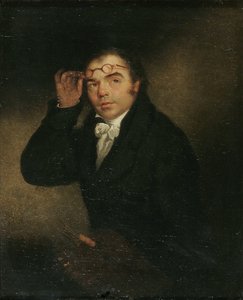
Джон Кромэ
1768 - 1821 , Великобритания
Основные сведения
- Artistic Movement Or Style: Ньюискское направление
- Artists Or Movements Influenced By This Artist: ['Романтизм']
- Artists Who Influenced This Artist:
- Мейндерт Хоббема
- Роберт Ладроук
- Date Of Birth: 1768
- Full Name: John Crome
- Nationality: Английский
- Notable Artworks:
- Хэмпстед Хилл
- Салисбэри Катедрал
- Лодка мимо затвора
- Place Of Birth: Norwich, UK