 Поделиться
 Поделиться
 Детали произведения

 Скачать
 Похожие работы
 Слайд-шоу
 Статистика
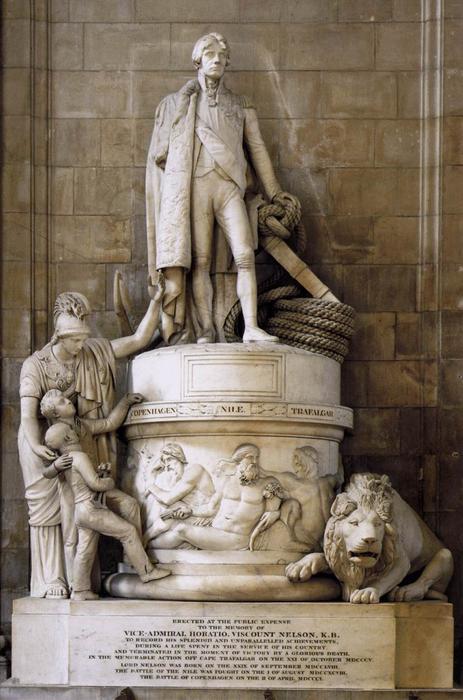
Monument to Vice-Admiral Horatio Nelson


 Читать далее
Масляная репродукция ручной работы
Картина маслом на холсте в выбранном вами размере и раме, написанная на заказ нашими художниками. ( Перейти к печати Перейти к цифровым изображениям)




































Выберите один из наших стандартных размеров, соответствующих оригинальным пропорциям произведения искусства.

Вы можете указать собственные размеры, чтобы картина идеально вписалась в выбранную раму или пространство. Если выбранный вами размер не соответствует пропорциям оригинала, мы либо обрежем полотно, либо расширим его за счет дополнительных элементов, написанных вручную. Цифровой макет будет отправлен вам на утверждение перед началом производства.
Обратите внимание, что предварительный просмотр на экране не отражает фактическую обрезку или расширение. Только макет точно покажет окончательную композицию.
Хотя доступны индивидуальные размеры, мы рекомендуем выбирать вариант из предопределенного списка, чтобы сохранить исходные пропорции.
После оформления заказа команда ArtsDot.com свяжется с клиентом по электронной почте для уточнения деталей и предоставит предварительный макет
Доставка по всему миру () за 3–4 недели вместо стандартных 5 недель. (11 Сентябрь). Без компромиссов в качестве.

Бесплатная экспресс-доставка по всему миру

Высококачественный льняной холст

Полное страхование доставки

Гарантия возмещения таможенных пошлин

Гарантия точного соответствия цветов

100-дневная политика возврата (только при обнаружении дефектов)

Гарантия возврата 100% средств

Предложение оптовых скидок
 Вариант со стеклом доступен только для размеров менее 110 см

Monument to Vice-Admiral Horatio Nelson
Техника репродукции
Размер репродукции
-


Итоговая стоимость
$ 263
The Weight of Vice: A Monument to Nelson's Legacy
John Flaxman’s “Monument to Vice-Admiral Horatio Nelson,” crafted in 1808 and permanently residing within the hallowed halls of St. Paul’s Cathedral, is more than just a sculpted tribute; it’s a potent distillation of Victorian Britain’s reverence for its naval hero and a profound meditation on victory, loss, and national identity. This imposing marble work, standing nearly six feet tall, immediately commands attention with its dramatic scale and the palpable sense of heroic grandeur it embodies. Flaxman, a sculptor deeply rooted in the Neoclassical tradition yet subtly influenced by the Romantic movement, masterfully captures Nelson’s commanding presence while simultaneously layering symbolic meaning that speaks to the complexities of his life and death.
The statue itself depicts Nelson standing with a resolute bearing, his right hand resting upon an anchor – a potent symbol of maritime authority and control – and his left arm gracefully supporting a coil of rope. This posture, instantly recognizable as a portrait of Nelson in his final moments, speaks volumes about the admiral’s unwavering commitment to duty and his ultimate sacrifice. The detail is remarkable; the slight furrow of his brow, the subtle tension in his muscles, all contribute to an impression of intense concentration and unwavering resolve. Below him, at the base of the pedestal, a lion – a traditional emblem of British strength and courage – reinforces this sense of martial prowess. However, it’s not merely a straightforward depiction of a celebrated admiral; Flaxman deliberately imbues the sculpture with layers of allegory and historical reference.
A Dialogue Between Antiquity and Modernity
Flaxman's design is a fascinating blend of classical inspiration and contemporary sensibility. The pedestal upon which Nelson stands isn’t simply a base; it’s a carefully constructed stage for symbolic representation. At the lower level, we encounter figures representing sea gods – a deliberate nod to ancient Greek mythology, particularly those associated with Neptune and Poseidon, deities of the sea. These figures are not presented as benevolent protectors but rather as powerful, almost overwhelming forces, subtly suggesting the immense challenges Nelson faced in commanding the British fleet. Above them, a carefully rendered inscription lists Nelson’s major victories – Trafalgar, Copenhagen, and others – solidifying his place within the pantheon of British military heroes.
Crucially, Flaxman doesn't shy away from incorporating elements that directly reference contemporary events and figures. Britannia, depicted in full classical regalia, points towards Nelson with a gesture of admiration and guidance. Alongside her are two young naval cadets, representing the future of Britain’s maritime power – a deliberate reminder of Nelson’s legacy being passed on to subsequent generations. This juxtaposition of ancient allegory and modern reality is characteristic of Flaxman's approach, creating a work that feels both timeless and deeply rooted in its historical context.
The Poetics of Loss and Remembrance
Despite the celebratory tone, there’s an undeniable undercurrent of melancholy within the sculpture. The fact that Nelson stands with his right arm missing – a poignant reminder of his fatal wound at Trafalgar – immediately evokes a sense of loss and sacrifice. The inclusion of the two cadets serves to highlight not only Nelson's legacy but also the tragic nature of his death, representing the future he would never see. Flaxman masterfully balances the grandeur of victory with the somber reality of mortality, creating a work that is both inspiring and deeply moving.
The monument’s placement within St. Paul’s Cathedral further amplifies its emotional impact. Situated in a space dedicated to faith and remembrance, it serves as a powerful testament to Nelson's contribution to the nation and his enduring legacy. The choice of marble – a material associated with permanence and dignity – underscores the desire to immortalize Nelson’s memory for generations to come.
A Legacy Enduring Through Reproduction
Today, reproductions of Flaxman’s “Monument to Vice-Admiral Horatio Nelson” continue to captivate audiences worldwide. The intricate detail, dramatic composition, and profound symbolism make it a timeless masterpiece that resonates with viewers across cultures and generations. Whether displayed in private collections or public spaces, this sculpture serves as a potent reminder of Britain's naval history, the sacrifices made in the name of duty, and the enduring power of heroic narratives.
Похожие произведения
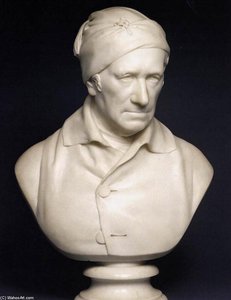
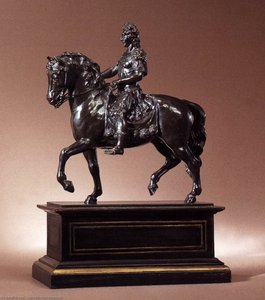
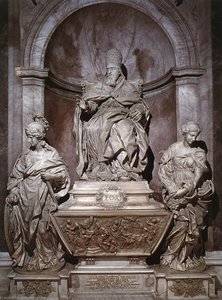
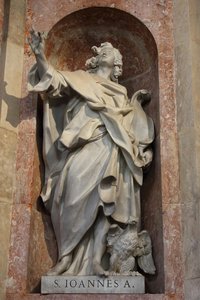
Биография художника
A Life Etched in Stone and Line
John Flaxman, born in York in 1755, emerged as a pivotal figure bridging the gap between the waning Rococo era and the ascendant Neoclassical movement in Britain. His story is one of remarkable artistic evolution, fueled by both innate talent and diligent study. From humble beginnings assisting his father, a moulder of plaster casts, young John absorbed an early appreciation for form and texture. This practical grounding, coupled with a voracious appetite for classical literature – pursued largely through self-education – laid the foundation for a career that would redefine British sculpture and illustration. His childhood was marked by illness and loss; his mother’s death when he was nine years old profoundly shaped his introspective nature. Yet, even in these early years, his artistic promise shone brightly, winning him accolades from the Society of Arts at just twelve years old. This initial success propelled him into the orbit of London's burgeoning art scene, where friendships with William Blake and Thomas Stothard would prove formative, fostering a lifelong exchange of ideas and creative energy.Wedgwood and the Classical Ideal
Flaxman’s artistic trajectory took a significant turn with his employment by Josiah Wedgwood in 1775. This association wasn't merely a source of income; it was an immersive apprenticeship in translating classical motifs into commercially viable art forms. Modeling reliefs for Wedgwood’s renowned jasperware and basaltware demanded precision, economy of line, and a deep understanding of antique design. The influence of d’Hancarville’s engravings of Greek vases proved particularly potent, shaping Flaxman's aesthetic sensibility towards streamlined elegance and narrative clarity. Designs like the *Apotheosis of Homer* and the *Dancing Hours* weren’t simply decorative elements; they were distillations of classical mythology and allegory, rendered with a newfound emphasis on linear grace. This period honed his skills in relief sculpture, a medium he would masterfully employ throughout his career, particularly in his funerary monuments. It was during this time that Flaxman began to cultivate the style for which he became celebrated – a delicate balance between classical purity and emotional resonance.Roman Reveries and Illustrative Triumph
A transformative journey to Rome in 1787 marked a turning point in Flaxman’s artistic development. Funded partly by Wedgwood, this extended sojourn allowed him to immerse himself directly in the heart of antiquity. He studied not only classical sculpture but also medieval and Renaissance art, broadening his understanding of artistic traditions. More importantly, it was in Rome that he began producing the book illustrations that would secure his lasting fame. Commissions followed for editions of Homer’s *Iliad* and *Odyssey*, Dante’s *Divine Comedy*, and Aeschylus' tragedies. These weren’t mere accompaniments to the text; they were independent works of art, characterized by their stark simplicity, dynamic compositions, and masterful use of line. The illustrations, engraved by figures like Tommaso Piroli, resonated deeply with European audiences, earning Flaxman widespread acclaim – Goethe famously hailed him as “the idol of all dilettanti.” His designs for Dante’s *Divine Comedy*, in particular, proved profoundly influential, inspiring artists such as Goya and Ingres and serving as a crucial resource for art students throughout the 19th century.Monuments to Memory and Lasting Legacy
Upon his return to England, Flaxman established himself as a leading sculptor of funerary monuments. He approached these commissions with a unique sensitivity, eschewing ostentation in favor of restrained elegance and heartfelt emotion. His memorials – found in churches across England, including those dedicated to Thomas Chatterton, Mrs. Morley, and the Rev. Thomas Ball – are characterized by their simplicity, pathos, and rhythmic design. The monument to George Stevens, now housed in the Fitzwilliam Museum, exemplifies his ability to convey profound grief and enduring remembrance through subtle yet powerful forms. While he achieved recognition as a professor of sculpture at the Royal Academy in 1810, it is perhaps his illustrations that cemented his place in art history. John Flaxman’s work represents a synthesis of classical ideals, technical mastery, and emotional depth. He left an indelible mark on British art, influencing generations of artists with his elegant style and unwavering commitment to the power of line. His legacy continues to inspire, reminding us of the enduring beauty and profound meaning that can be found in both stone and ink. He remains a testament to the transformative power of artistic vision.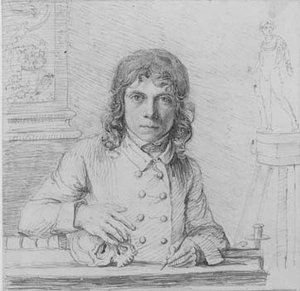
John Flaxman
1755 - 1826 , United States of America
Основные сведения
- Artistic Movement Or Style: Neoclassicism
- Artists Or Movements Influenced By This Artist:
- Goya
- Ingres
- Artists Who Influenced This Artist:
- George Romney
- William Blake
- Date Of Birth: July 6, 1755
- Date Of Death: December 7, 1826
- Full Name: John Flaxman
- Nationality: British
- Notable Artworks:
- Saint Michael Overcoming Satan
- The Fight for Body of Patroclus
- Apotheosis of Homer
- Dante's Divine Comedy
- Place Of Birth: York, USA
Похожие статьи

Джон Сингер Сарджент: 25 шедевров портретной живописи для вашего интерьера | ArtsDot
Погрузитесь в мир Джона Сингера Сарджента! 25 шедевров импрессионизма и реализма, раскрывающих элегантность эпохи Gilded Age. Купите репродукции картин Сарджента музейного качества для вашего интерьера на ArtsDot.com.

10 легендарных бронзовых шедевров, изменивших искусство | ArtsDot
Погрузитесь в мир великих бронзовых шедевров! От Давида Донателло до Мыслителя Родена – узнайте историю создания, технику и значение легендарных скульптур. Вдохновение для интерьера и музейное качество репродукций на ArtsDot.com.

10 легендарных бронзовых скульптур, изменивших искусство навсегда | ArtsDot
Погрузитесь в мир великих бронзовых скульптур! От Давида Микеланджело до работ Родена – история искусства, техники и вдохновения. Купите репродукции шедевров для вашего интерьера на ArtsDot.com

Джон Констебль: 25 шедевров английского пейзажа для вашего интерьера
Погрузитесь в мир английского пейзажа с Джоном Констеблом! 25 шедевров романтизма, история создания картин и вдохновение для вашего интерьера. Репродукции высокого качества на ArtsDot.com – искусство для ценителей.

The Enduring Allure of Marble in Art History: From Classical Sculpture to Modern Abstraction
Explore the captivating history of marble sculpture from ancient Greece to modern art. Discover renowned artists like Canova & Michelangelo, carving techniques, and investment insights at ArtsDot.