

 Предпросмотр
 Поделиться
 Поделиться
 Детали произведения

 Скачать
 Похожие работы
 Рентгенография
 Слайд-шоу
 Статистика
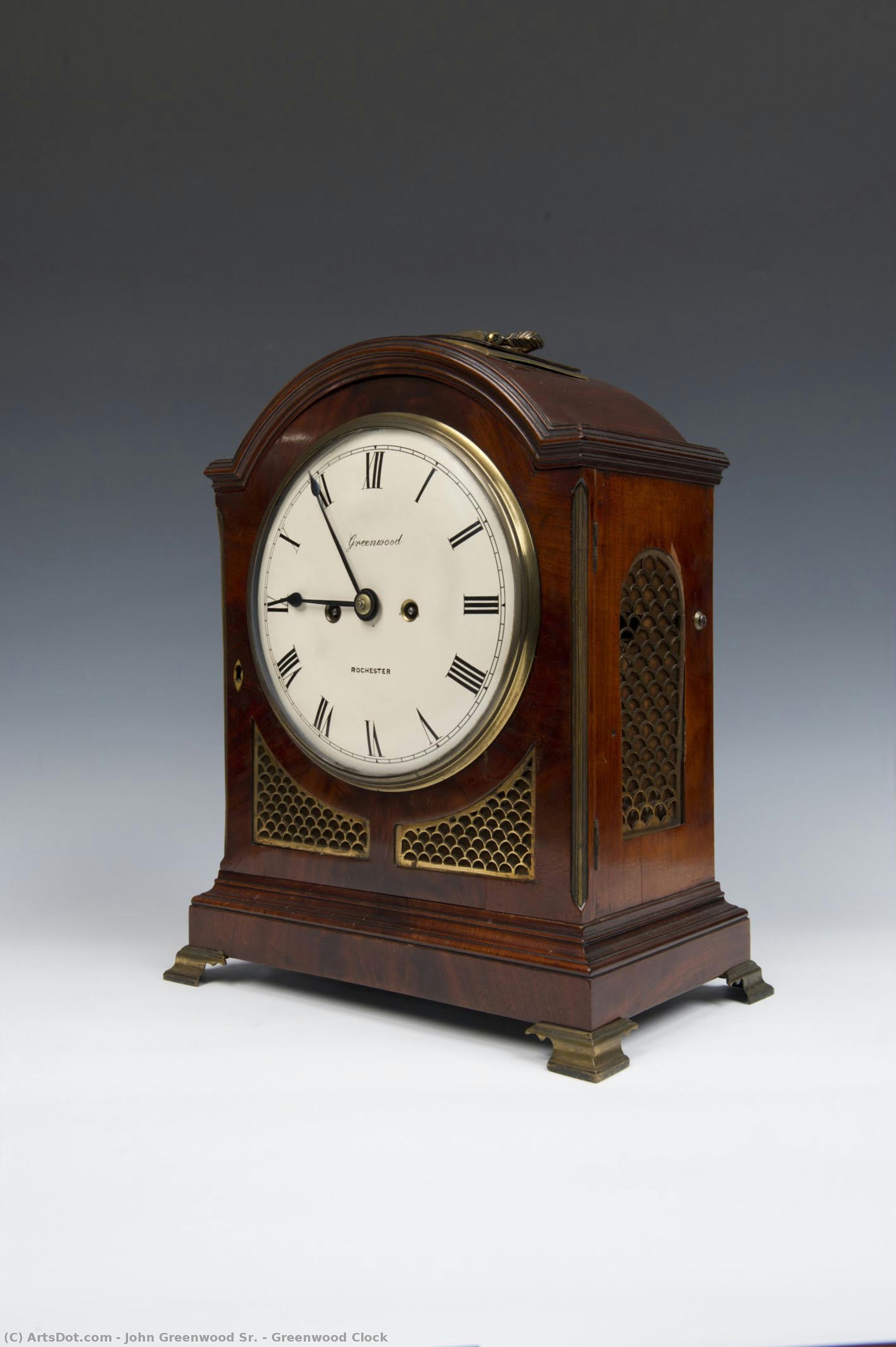
Greenwood Clock
 1830
1830 40.0 x 28.0 cm
 Bank of England Museum
 Читать далее
Масляная репродукция ручной работы
Картина маслом на холсте в выбранном вами размере и раме, написанная на заказ нашими художниками. ( Перейти к печати Перейти к цифровым изображениям)




































Выберите один из наших стандартных размеров, соответствующих оригинальным пропорциям произведения искусства.

Вы можете указать собственные размеры, чтобы картина идеально вписалась в выбранную раму или пространство. Если выбранный вами размер не соответствует пропорциям оригинала, мы либо обрежем полотно, либо расширим его за счет дополнительных элементов, написанных вручную. Цифровой макет будет отправлен вам на утверждение перед началом производства.
Обратите внимание, что предварительный просмотр на экране не отражает фактическую обрезку или расширение. Только макет точно покажет окончательную композицию.
Хотя доступны индивидуальные размеры, мы рекомендуем выбирать вариант из предопределенного списка, чтобы сохранить исходные пропорции.
После оформления заказа команда ArtsDot.com свяжется с клиентом по электронной почте для уточнения деталей и предоставит предварительный макет
Доставка по всему миру () за 3–4 недели вместо стандартных 5 недель. (11 Сентябрь). Без компромиссов в качестве.

Бесплатная экспресс-доставка по всему миру

Высококачественный льняной холст

Полное страхование доставки

Гарантия возмещения таможенных пошлин

Гарантия точного соответствия цветов

100-дневная политика возврата (только при обнаружении дефектов)

Гарантия возврата 100% средств

Предложение оптовых скидок
 Вариант со стеклом доступен только для размеров менее 110 см

Greenwood Clock
Техника репродукции
Размер репродукции
-


Итоговая стоимость
$ 263
Похожие произведения





Биография художника
John Greenwood Sr.: A Pioneer of Early American Portraiture
- Born: December 7, 1727, Boston, Massachusetts
- Died: September 16, 1792, Margate, Kent, England
John Greenwood Sr. (1727-1792) stands as a significant figure in the development of American art, recognized for his contributions as an early portrait painter, engraver, and auctioneer. Born into a family with ties to Harvard University – his father was a merchant and his uncle a professor – Greenwood’s early life was marked by financial hardship following his father's death in 1742. This led to an apprenticeship with Thomas Johnston, a Boston artisan skilled in line engraving, sign painting, and japanning, laying the foundation for his artistic career.
Early Career and Travels
According to accounts from his son, Greenwood quickly surpassed his initial training and dedicated himself to portraiture. A pivotal moment arrived in 1752 when he departed Boston for Surinam, a Dutch colony in South America. This five-year sojourn proved remarkably productive; Greenwood painted over one hundred portraits of prominent colonists, earning a substantial income. His experiences in Surinam extended beyond artistic endeavors, as he documented the region's flora, fauna, and natural curiosities, demonstrating an observant eye and a thirst for knowledge.
Following his time in Surinam, Greenwood traveled to Europe, spending time in Amsterdam where he focused on mastering mezzotint engraving. He became involved in the art scene, even contributing to the re-establishment of the Amsterdam Drawing Academy. Later visits to Paris and London solidified his position as a respected artist and auctioneer.
Notable Works and Artistic Style
- Sea Captains Carousing in Surinam (1755): This lively painting, perhaps Greenwood’s most famous work, depicts a boisterous scene of Rhode Island merchants enjoying themselves. It offers a unique glimpse into colonial social life and includes recognizable figures like Declaration of Independence signatory Stephen Hopkins.
- Portraiture: Greenwood was primarily known for his portraiture, capturing the likenesses of prominent individuals from various walks of life. His portraits are characterized by their realism and attention to detail, reflecting the artistic trends of the time.
- Engravings: As an accomplished engraver, Greenwood produced numerous mezzotints after his own designs and those of other artists, further expanding his reach and influence.
Greenwood’s style blended elements of realism with a touch of theatricality. His portraits aimed to capture not only the physical appearance of his subjects but also their personalities and social standing. He was influenced by European artistic traditions, particularly those prevalent in England, which is evident in his portraiture techniques.
Legacy and Historical Significance
John Greenwood Sr.'s legacy extends beyond his individual artworks. As one of the early American artists who gained international recognition, he helped establish a foundation for future generations of American painters. His versatility as an artist – encompassing painting, engraving, and auctioneering – highlights the diverse roles that artists played in colonial America. His detailed depictions of colonial life provide valuable insights into the social customs and prominent figures of the era.
Greenwood’s contributions were recognized by his contemporaries, including John Singleton Copley, with whom he maintained a correspondence. His work continues to be appreciated for its historical significance and artistic merit, offering a window into the world of 18th-century America.
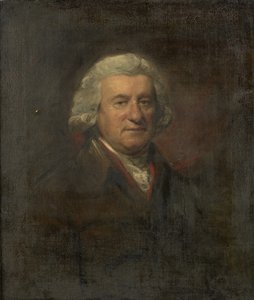
john greenwood sr.
1727 - 1792 , United States of America
Основные сведения
- Artistic Movement Or Style: Early American art
- Date Of Birth: December 7, 1727
- Date Of Death: November 25, 1792
- Full Name: John Greenwood Sr.
- Nationality: American
- Notable Artworks:
- Sea Captains Carousing
- Elizabeth Fulford Welshman
- Place Of Birth: Boston, United States