

 Предпросмотр
 Поделиться
 Поделиться
 Детали произведения

 Скачать
 Похожие работы
 Рентгенография
 Слайд-шоу
 Статистика
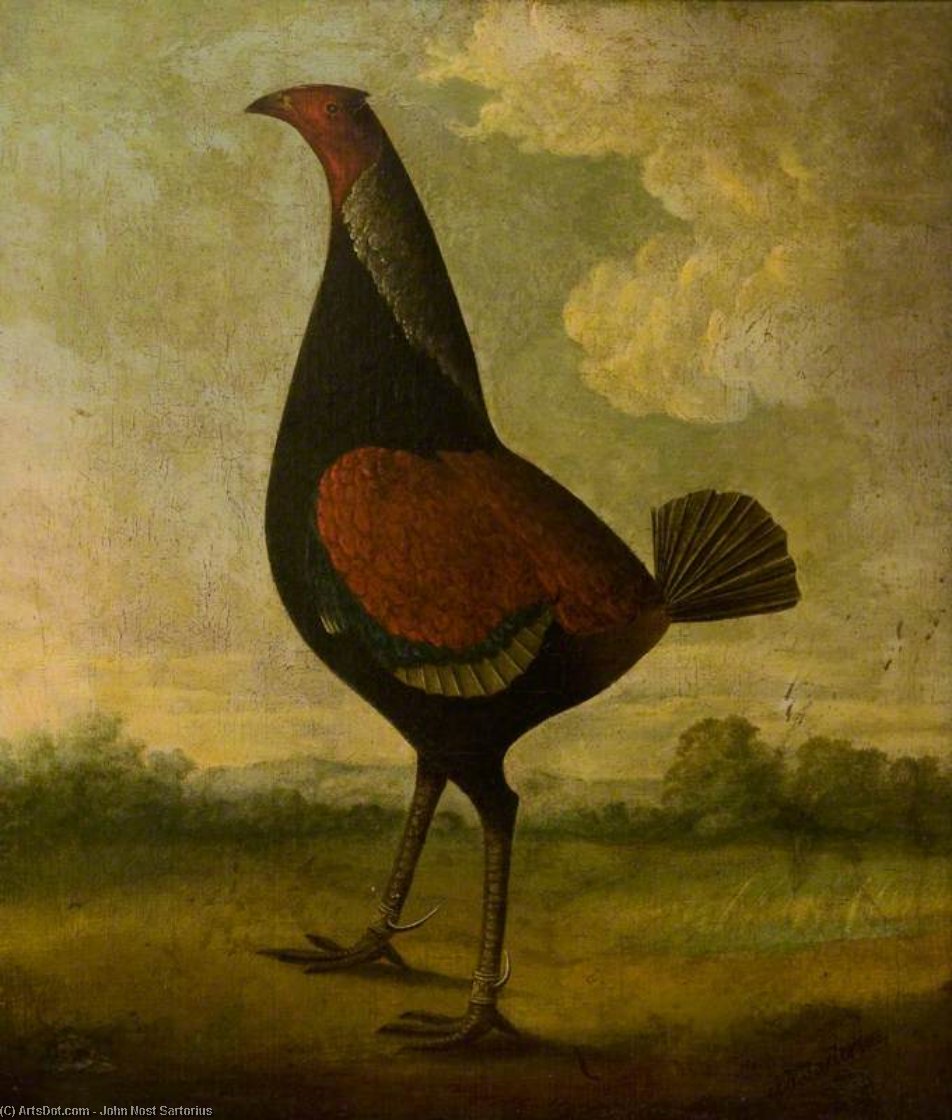
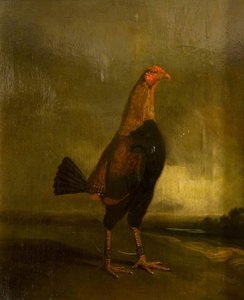
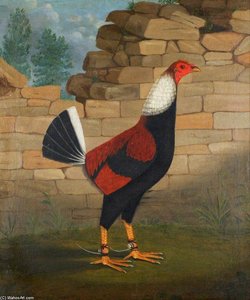
A Fighting Cock In A Landscape

 Читать далее
Масляная репродукция ручной работы
Картина маслом на холсте в выбранном вами размере и раме, написанная на заказ нашими художниками. ( Перейти к печати Перейти к цифровым изображениям)




































Выберите один из наших стандартных размеров, соответствующих оригинальным пропорциям произведения искусства.

Вы можете указать собственные размеры, чтобы картина идеально вписалась в выбранную раму или пространство. Если выбранный вами размер не соответствует пропорциям оригинала, мы либо обрежем полотно, либо расширим его за счет дополнительных элементов, написанных вручную. Цифровой макет будет отправлен вам на утверждение перед началом производства.
Обратите внимание, что предварительный просмотр на экране не отражает фактическую обрезку или расширение. Только макет точно покажет окончательную композицию.
Хотя доступны индивидуальные размеры, мы рекомендуем выбирать вариант из предопределенного списка, чтобы сохранить исходные пропорции.
После оформления заказа команда ArtsDot.com свяжется с клиентом по электронной почте для уточнения деталей и предоставит предварительный макет
Доставка по всему миру () за 3–4 недели вместо стандартных 5 недель. (11 Сентябрь). Без компромиссов в качестве.

Бесплатная экспресс-доставка по всему миру

Высококачественный льняной холст

Полное страхование доставки

Гарантия возмещения таможенных пошлин

Гарантия точного соответствия цветов

100-дневная политика возврата (только при обнаружении дефектов)

Гарантия возврата 100% средств

Предложение оптовых скидок
 Вариант со стеклом доступен только для размеров менее 110 см

A Fighting Cock In A Landscape
Техника репродукции
Размер репродукции
-


Итоговая стоимость
$ 263
A Glimpse into Nature's Majesty: John Nost Sartorius’ "A Fighting Cock In A Landscape"
This captivating oil painting by John Nost Sartorius offers a remarkable study of a Greater Bird-of-Paradise, rendered with meticulous detail and a keen eye for naturalism. Dating from the late 18th or early 19th century – a period when scientific exploration and artistic representation of the natural world flourished – this work exemplifies the era’s fascination with exotic fauna. Sartorius, known primarily for his equine portraits, demonstrates here an impressive versatility, showcasing his ability to capture not just likeness but also the inherent beauty and vibrancy of avian life. The painting's composition is striking; the bird dominates the frame, its plumage a riot of dark browns, blacks, and reds punctuated by flashes of green and yellow – colors expertly blended to create a sense of depth and texture.Style & Technique: Realism with Artistic Flair
Sartorius’ style leans heavily towards realism, evident in the incredibly detailed rendering of the bird's feathers. The brushwork is textured, particularly noticeable in the background landscape which suggests a traditional oil painting technique. While maintaining a high degree of accuracy, Sartorius doesn't shy away from artistic license; the slightly loose application of paint contributes to a sense of movement and vitality. The use of atmospheric perspective – where distant elements are softened and less detailed – skillfully creates depth within the composition. The lighting is soft and diffused, mimicking natural daylight and further enhancing the painting’s lifelike quality. This technique was common among artists seeking to portray scenes with accuracy and evoke a sense of realism that appealed to patrons interested in natural history illustrations as well as decorative art.The Sartorius Legacy: A Family of Artists
John Nost Sartorius (1759-1828) distinguished himself from his father and grandfather, both also artists, by using the name "John N. Sartorius Jr." He was a regular exhibitor at the Royal Academy from 1781 to 1824, leaving behind a significant body of work documented in Walter Gilbey’s “Animal Painters of England.” While celebrated for his portraits of racehorses like "Escape" and "Eclipse," this painting demonstrates his broader artistic interests. The Sartorius family was well-regarded within British society; their works were found in many country houses, reflecting a demand for skilled depictions of animals and landscapes that served both as decorative elements and records of beloved pets or sporting pursuits. It's also worth noting the connection to Francis Sartorius II (also known as John Francis Sartorius), further highlighting the family’s contribution to British art during this period.Emotional Resonance & Decorative Appeal
Beyond its technical brilliance, "A Fighting Cock In A Landscape" evokes a sense of quiet admiration for nature's artistry. The painting isn't laden with overt symbolism; instead, it offers a pure and unadulterated appreciation for the beauty of this exotic bird within its natural habitat. The aged appearance of the piece adds to its charm, suggesting a history and connection to a bygone era. This makes it an ideal addition to any collection or interior space seeking a touch of classic elegance and refined taste. Its rich color palette and detailed composition make it particularly well-suited for traditional or eclectic décor, bringing a touch of natural wonder into the home.Похожие произведения
Биография художника
John Nost Sartorius: The Quintessential Sporting Artist
John Nost Sartorius (1759–1828) stands as a singular figure in British art history—a master of equine painting who captured the spirit of aristocratic leisure and sporting pursuits with unparalleled precision. Born into an artistic lineage, Sartorius’s legacy rests on his prolific output of canvases depicting horses, racing events, and hunting expeditions, cementing his place among the foremost animal painters of his era.Early Life & Artistic Training
Information about Sartorius's formative years is scarce, but he emerged from obscurity as a descendant of artists who had established themselves in London’s art world. His father, also John Sartorius, was a respected portrait painter, and his grandfather, William Sartorius, possessed considerable artistic talent. This familial tradition instilled within him an appreciation for visual representation and undoubtedly influenced his own artistic inclinations. While biographical details remain elusive, Sartorius's dedication to honing his craft suggests a rigorous apprenticeship under established masters—a crucial step in developing the distinctive style that would define his oeuvre.A Career Dedicated to Equestrian Art
Sartorius’s professional life commenced around 1781 when he debuted as an exhibitor at the Royal Academy, marking the beginning of a sustained artistic career spanning four decades. Walter Gilbey's seminal work, “Animal Painters of England from the Year 1650,” meticulously documented Sartorius’s contributions to the Academy’s exhibitions, highlighting his commitment to portraying animals with remarkable realism and sensitivity. Notably, he showcased seventy-four paintings—a testament to his prolific output and unwavering passion for equine subjects. Publications like "The Sporting Magazine" further disseminated Sartorius's artistic achievements through engraved plates featuring scenes from racing and hunting—collaborations with prominent engravers such as J. Walker and J. Webb ensuring that his images reached a wide audience.Notable Paintings & Artistic Style
Sartorius’s fame solidified through depictions of iconic racehorses like “Escape,” belonging to the Prince of Wales, and “Grey Diomed,” owned by Sir Charles Bunbury—works imbued with meticulous detail and capturing the dynamism of equestrian sport. Perhaps his most celebrated achievement was the portrayal of “Eclipse,” a legendary thoroughbred whose likeness Sartorius painstakingly recreated from a drawing by his father. These paintings exemplify Sartorius’s artistic style: characterized by Neoclassical influences blended seamlessly with Romantic sensibilities. He skillfully employed chiaroscuro—the dramatic interplay of light and shadow—to sculpt form, conveying texture and movement with breathtaking accuracy. Furthermore, he demonstrated an exceptional understanding of color palettes, utilizing muted tones to evoke atmosphere and enhancing the emotional impact of his compositions.Legacy & Influence
The publication of “A Set of Four Hunting Pieces” in 1790—featuring plates engraved by Peltro William Tomkins and James Neagle—served as another significant milestone in Sartorius’s artistic journey, establishing him as a respected artist within the broader artistic community. His sons, John Francis Sartorius and Francis Sartorius Jr., continued the family tradition of equine painting, demonstrating Sartorius's enduring influence on subsequent generations of artists. Today, John Nost Sartorius remains revered as one of Britain’s most accomplished animal painters—a figure whose canvases continue to captivate viewers with their timeless beauty and masterful execution. His work stands as a poignant reminder of an era defined by aristocratic pursuits and the profound appreciation for the natural world expressed through art.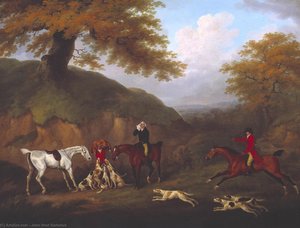
John Nost Sartorius
1759 - 1828 , United Kingdom
Основные сведения
- Artistic Movement Or Style: Equine Painting
- Artists Or Movements Influenced By This Artist: ['']
- Artists Who Influenced This Artist: ['']
- Date Of Birth: 1759
- Full Name: John Nost Sartorius
- Nationality: British
- Notable Artworks:
- Man With A Horse & Greyhound
- Hunting Scene, In Full Cry
- A gentleman and his bay hack
- Place Of Birth: United Kingdom
Похожие статьи

Джон Сингер Сарджент: 25 шедевров портретной живописи для вашего интерьера | ArtsDot
Погрузитесь в мир Джона Сингера Сарджента! 25 шедевров импрессионизма и реализма, раскрывающих элегантность эпохи Gilded Age. Купите репродукции картин Сарджента музейного качества для вашего интерьера на ArtsDot.com.
Feathered Visions: A Historical & Artistic Exploration of Birds in Painting
Explore the rich history of birds in painting! Discover symbolism, artistic movements & master artists like Audubon. High-quality reproductions available at ArtsDot.

Джон Констебль: 25 шедевров английского пейзажа для вашего интерьера
Погрузитесь в мир английского пейзажа с Джоном Констеблом! 25 шедевров романтизма, история создания картин и вдохновение для вашего интерьера. Репродукции высокого качества на ArtsDot.com – искусство для ценителей.
John Nost Sartorius: Equestrian Portraiture & the Shifting Social Landscape of 18th-Century England
Explore the captivating equestrian art of John Nost Sartorius (1759-1828). Discover his detailed paintings of racehorses, hunting scenes & aristocratic life. Learn about collecting Sartorius's work and its lasting value.
John Gould: A Life Immersed in Avian Illustration – Biodiversity, Scientific Precision, and Artistic Legacy
Explore the life & legacy of John Gould, pioneering ornithologist & artist. Discover his stunning bird illustrations, the impact of chromolithography, and investment opportunities for collectors. Learn more now!