

 Поделиться
 Поделиться
 Детали произведения

 Скачать
 Похожие работы
 Слайд-шоу
 Статистика
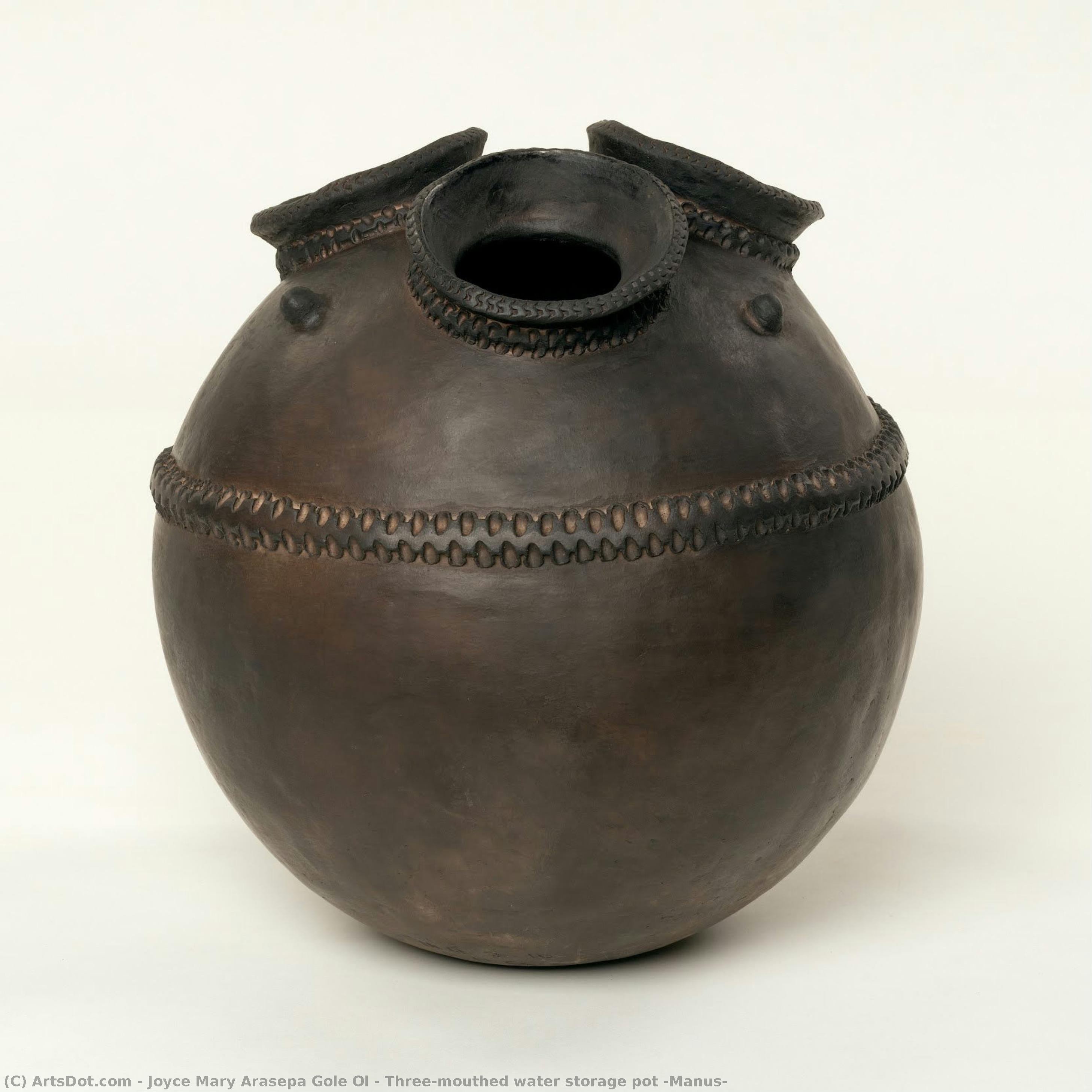
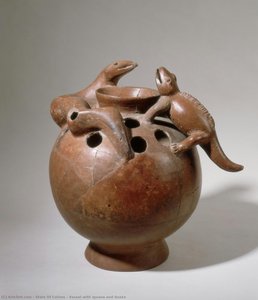
Three-mouthed water storage pot (Manus)
 Ceramics
- Cubism
 2016
2016 34.0 x 33.0 cm
 Государственная галерея искусств и Галерея современного искусства (QAGOMA)
 Читать далее
Масляная репродукция ручной работы
Картина маслом на холсте в выбранном вами размере и раме, написанная на заказ нашими художниками. ( Перейти к печати Перейти к цифровым изображениям)




































Выберите один из наших стандартных размеров, соответствующих оригинальным пропорциям произведения искусства.

Вы можете указать собственные размеры, чтобы картина идеально вписалась в выбранную раму или пространство. Если выбранный вами размер не соответствует пропорциям оригинала, мы либо обрежем полотно, либо расширим его за счет дополнительных элементов, написанных вручную. Цифровой макет будет отправлен вам на утверждение перед началом производства.
Обратите внимание, что предварительный просмотр на экране не отражает фактическую обрезку или расширение. Только макет точно покажет окончательную композицию.
Хотя доступны индивидуальные размеры, мы рекомендуем выбирать вариант из предопределенного списка, чтобы сохранить исходные пропорции.
После оформления заказа команда ArtsDot.com свяжется с клиентом по электронной почте для уточнения деталей и предоставит предварительный макет
Доставка по всему миру () за 3–4 недели вместо стандартных 5 недель. (12 Сентябрь). Без компромиссов в качестве.

Бесплатная экспресс-доставка по всему миру

Высококачественный льняной холст

Полное страхование доставки

Гарантия возмещения таможенных пошлин

Гарантия точного соответствия цветов

100-дневная политика возврата (только при обнаружении дефектов)

Гарантия возврата 100% средств

Предложение оптовых скидок
 Вариант со стеклом доступен только для размеров менее 110 см

Three-mouthed water storage pot (Manus)
Техника репродукции
Размер репродукции
-


Итоговая стоимость
$ 263
Похожие произведения

Биография художника
Robert Delaunay: A Revolutionary of Color and Light
Robert Delaunay, born Robert-Victor-Felix Delaunay on April 12th, 1885, in the bustling heart of Paris, was not merely a painter; he was a pioneer who fundamentally reshaped our perception of color and its expressive potential. His life, intertwined with that of his wife Sonia Delaunay, became a vibrant testament to artistic collaboration and a bold rejection of traditional aesthetic boundaries. From his early apprenticeship as a theatrical designer – a period that instilled in him an appreciation for visual harmony and dynamic composition – to his later explorations into abstraction, Delaunay’s career was marked by relentless experimentation and a profound belief in the inherent power of color itself. He died on October 25th, 1941, leaving behind a legacy as one of the most influential figures of the early 20th century.Early Influences and the Dawn of Divisionism
Delaunay’s artistic journey began within the framework of Neo-Impressionism, a movement he initially embraced in the early 1900s. This influence is evident in his early works like “Saint-Séverin,” where meticulously placed dots of color were used to recreate the shimmering light and atmosphere of the Parisian cathedral. However, Delaunay quickly recognized the limitations of this approach, finding it too reliant on a purely optical imitation of reality. He sought a more fundamental expression of color’s essence, leading him to develop his own distinctive style known as Divisionism – a technique that involved dissecting images into smaller, independent areas of color, allowing each hue to stand alone and interact with its neighbors. This method, often described as “controlled fragmentation,” liberated color from the constraints of form and allowed for a more dynamic and emotionally charged visual experience.The Birth of Orphism: A Symphony of Color
Around 1912, alongside his wife Sonia, Delaunay co-founded the movement known as Orphism – a term coined by the poet Guillaume Apollinaire, who recognized the group’s radical approach to color and form. Orphism wasn't simply about using bright colors; it was a philosophy of art centered on the belief that color itself possessed an independent existence and could be used to evoke emotions and sensations directly. Delaunay and Sonia experimented with circular forms, radiating lines, and bold, contrasting hues, creating paintings that resembled stained-glass windows or kaleidoscopic patterns. Their work rejected representational imagery in favor of pure visual sensation, aiming to create a “pure” artistic experience. Key works from this period include "Disc" (1912) and "Circular Forms" (1913), which exemplify the movement’s core principles.Abstraction and the Pursuit of Pure Color
Following World War I, Delaunay's style underwent a significant transformation. He moved away from the fragmented forms of Divisionism and embraced a more abstract approach, focusing on the interplay of color and light. His later paintings, such as “Endless Rhythm” (1930-31), are characterized by large, luminous fields of color that seem to vibrate with energy. These works represent a culmination of his lifelong exploration of color theory, informed by scientific research into the nature of light and perception. He believed that painting should be a purely visual art, independent of subject matter, and sought to create paintings that were not merely representations of objects but rather expressions of pure feeling.Legacy and Influence
Robert Delaunay’s impact on 20th-century art is undeniable. His pioneering work in color theory influenced a generation of artists, including Stanton Macdonald-Wright, Morgan Russell, Paul Klee, and even the German Expressionists. His emphasis on the independent existence of color paved the way for later developments in abstract expressionism and color field painting. Furthermore, his collaborative partnership with Sonia Delaunay established a unique model for artistic creation, demonstrating the power of shared vision and mutual inspiration. Today, Robert Delaunay’s paintings are celebrated for their vibrant energy, innovative use of color, and profound exploration of the visual world. His legacy continues to inspire artists and viewers alike, reminding us of the transformative potential of art to evoke emotion and expand our understanding of reality.
joyce mary arasepa gole ol
1941 - , Papua New Guinea
Основные сведения
- Artistic Movement Or Style:
- Divisionism
- Cubism
- Orphism
- Abstract art
- Artists Or Movements Influenced By This Artist:
- Stanton-Wright
- Morgan Russell
- Patrick Bruce
- Der Blaue Reiter
- Macke
- Marc
- Klee
- Benton
- Feininger
- Artists Who Influenced This Artist:
- Neoimpressionism
- Cézanne
- Date Of Birth: April 12, 1885
- Date Of Death: October 25, 1941
- Full Name: Robert Delaunay
- Nationality: French
- Notable Artworks:
- Endless Rhythm
- Cubism
- Orphic Cubism
- Simultanism
- Place Of Birth: Paris, France
Похожие статьи
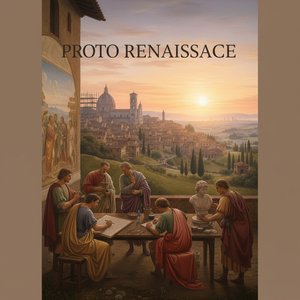
The Dawn of a New Vision: Proto-Renaissance Art & the Seeds of Artistic Revolution
Explore the Proto-Renaissance – the pivotal era bridging medieval and Renaissance art. Discover Giotto's revolutionary frescoes & the artistic innovations that shaped a new vision. Expert insights from ArtsDot.
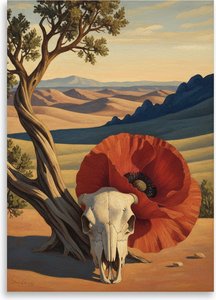
Georgia O'Keeffe: Redefining Modernism Through Symbolism & the American Landscape
Explore the captivating world of Georgia O'Keeffe! Discover her groundbreaking flower paintings, New Mexico landscapes & lasting impact on American Modernism. Expert analysis and insights.

Grahame Sydney: Evoking Otago's Soul Through Light & Landscape
Explore the captivating landscapes of Sir Grahame Sydney, a leading New Zealand artist renowned for his magic realism & evocative depictions of Otago's beauty. Discover key works and delve into his artistic legacy.
The Flowing Line & Flourishing Form: Exploring Art Nouveau's Aesthetic Legacy
Explore the captivating world of Art Nouveau! Discover its origins, key artists like Horta & Mucha, regional styles, innovative techniques, and lasting influence on architecture & design. A comprehensive guide for art enthusiasts.
The Dawn of a New Vision: Exploring Early Modernism's Enduring Legacy in Art
Explore the revolutionary world of Early Modernism! Discover key artists like Picasso & Léger, pivotal movements, and lasting philosophical influences. Uncover the seeds of change that shaped 20th-century art.