

 Предпросмотр
 Поделиться
 Поделиться
 Детали произведения

 Скачать
 Похожие работы
 Рентгенография
 Слайд-шоу
 Статистика
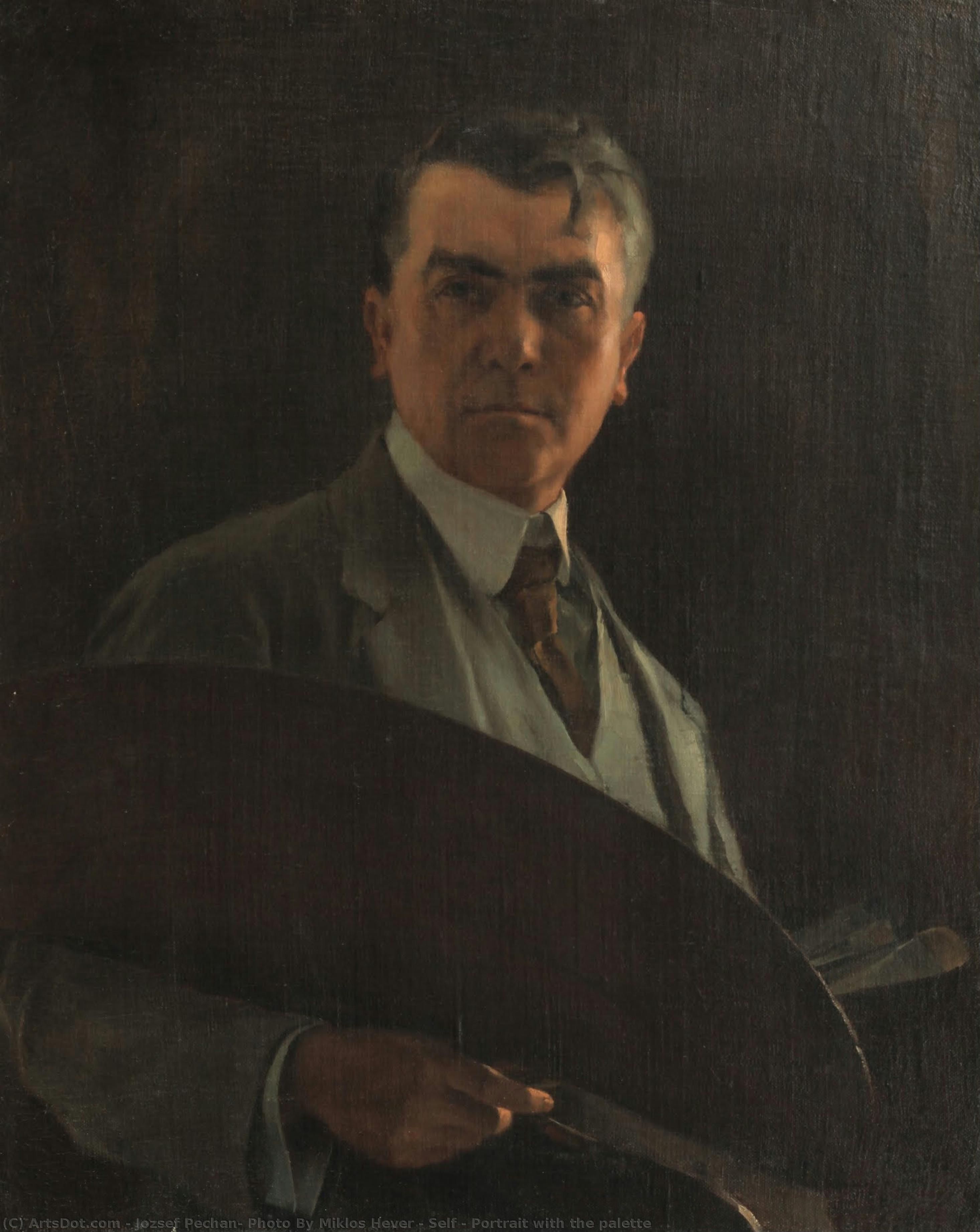
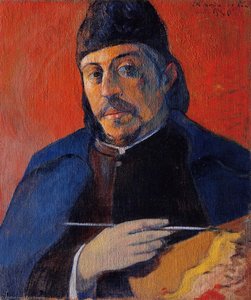
Self - Portrait with the palette


 Читать далее
Приобретите цифровое изображение высокого разрешения в улучшенном качестве, которое значительно превосходит онлайн-превью.
Каждый файл тщательно подготавливается нашими специалистами с использованием передовых инструментов и экспертной ручной ретуши. Мы гарантируем исключительную четкость, точную цветопередачу и детальную проработку каждого изображения.
Финальный файл доставляется по электронной почте в течение 72 часов и оптимизирован для немедленного использования в профессиональной среде, при верстке и печати. Это тот же уровень качества, которому доверяют ведущие дизайнерские студии, издательства и галереи.
Цифровое изображение
Скачайте файл высокого разрешения для личного использования, печати и творческих проектов. ( Перейти к печати Купить картину ручной работы)
Включено в каждый заказ цифровых изображений
Гарантия экспертной цифровой доставки
Выбирая ArtsDot.com, вы получаете не просто изображение — вы приобретаете профессионально обработанное цифровое произведение искусства, созданное с безупречной точностью и под защитой гарантии качества. Вот всё, что автоматически входит в ваш заказ:

Мгновенная доставка по e-mail
Ваш цифровой файл в высоком разрешении будет отправлен вам по электронной почте в течение 72 часов после оформления заказа — и сразу станет доступен для использования.

Цифровой файл с ИИ-улучшением
Ваше произведение искусства проходит профессиональную оптимизацию с использованием передовых инструментов ИИ и ручной обработки, что гарантирует максимальную детализацию, четкость и точность цветопередачи.

Бессрочная бесплатная повторная доставка
Случайно удалили или потеряли файл? Не беспокойтесь — мы отправим его вам повторно в любое время и совершенно бесплатно.

Без импортных пошлин — навсегда
Наслаждайтесь вашим произведением искусства мгновенно без таможенных пошлин, сборов или затрат на доставку — цифровые загрузки всегда не облагаются налогом.

Гарантия точности цветопередачи
Мы гарантируем, что ваше цифровое изображение максимально точно передает оригинальные цвета благодаря использованию профессиональных инструментов и систем управления цветом.

Гарантия удовлетворенности 100 дней
Если вы не будете удовлетворены своим цифровым изображением, мы внесем правки или вернем 100% стоимости в течение 100 дней — без лишних вопросов.

100% Гарантия возврата средств
Не удовлетворены покупкой? Получите полный возврат средств в течение 100 дней после получения цифрового файла — без лишних вопросов.

Скидки на оптовые заказы
Купите 3 изображения, сэкономьте 10% — Купите 5, сэкономьте 15% — Купите 10+, сэкономьте 20%. Отличное решение для творческих проектов, галерей и агентств.
Похожие произведения
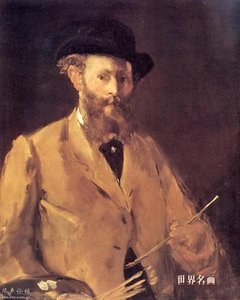
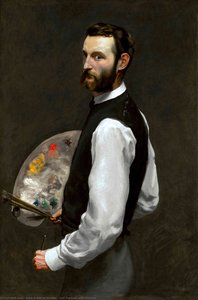
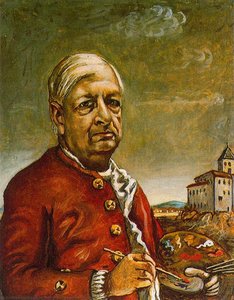
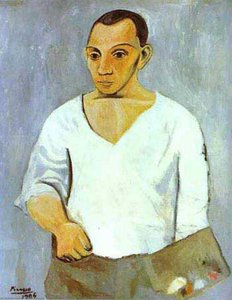
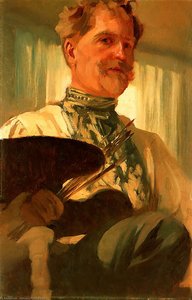
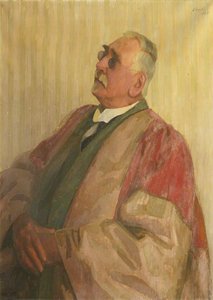
Биография художника
Henri Matisse: A Life Painted in Color
Born Henri Émile Benoît Matisse on December 31, 1869, in Cateau-Bessaise, France, the young artist’s early life was marked by a quiet, introspective nature. His father, a doctor, and his mother, a music teacher, fostered an appreciation for beauty and artistic expression within the family. Unlike many of his peers, Matisse showed little interest in traditional academic pursuits, instead gravitating towards drawing and sketching from a young age. This nascent talent led him to study law at the École Supérieure des Beaux-Arts in Paris, but he quickly abandoned legal studies to pursue his passion for art. It was in 1887 that he enrolled at the Académie Julian, marking the beginning of his formal artistic training.
Matisse’s early work reflected a strong influence from Impressionism and Post-Impressionism. He initially experimented with darker palettes and realistic depictions, drawing inspiration from artists like Gustave Moreau and Paul Gauguin. However, it was during the late 1890s that Matisse began to develop his distinctive style – a vibrant explosion of color and bold forms that would come to define his legacy. This period saw him exploring themes of mythology, folklore, and everyday life, often depicting scenes of leisure and beauty with an almost dreamlike quality.
The Fauvist Revolution
Matisse’s radical departure from traditional artistic conventions firmly established him as a pivotal figure in the Fauvist movement. Emerging around 1905, Fauvism was characterized by its unrestrained use of color, often applied with arbitrary and non-naturalistic hues. Matisse, along with André Derain and Maurice de Vlaminck, embraced this approach wholeheartedly, rejecting the muted tones and subtle gradations of Impressionism in favor of intense, saturated colors that seemed to vibrate on the canvas. Works like *Woman with a Hat* (1905) and *The Joy of Life* (1906) exemplify this bold experimentation, showcasing his masterful manipulation of color to create dynamic and emotionally charged compositions.
Despite initial criticism for its unconventional style, Fauvism quickly gained recognition as a groundbreaking movement that challenged the established norms of the art world. Matisse’s influence extended beyond color; he also explored simplified forms, flattened perspectives, and decorative patterns, contributing significantly to the development of modern art. His work during this period demonstrated a remarkable ability to capture not just the appearance of objects but also their essence – their vitality and emotional resonance.
Mature Style and Artistic Evolution
Following the initial fervor of the Fauvist era, Matisse continued to refine his artistic style, moving away from the purely decorative aspects of his earlier work. In the 1910s, he developed a more rigorous approach, emphasizing geometric forms, balanced compositions, and subtle color variations. This period saw him create iconic works such as *La Danse* (1910-12) and *L’Atelier Rouge* (1911), which showcased his mastery of line, shape, and color to convey a sense of harmony and dynamism.
In 1917, Matisse relocated to Nice, on the French Riviera, seeking respite from the turmoil of World War I. This move brought about a significant shift in his artistic style, characterized by a more relaxed and lyrical approach. His palette became lighter and brighter, and he began to incorporate elements of Mediterranean landscapes into his paintings. During this period, he created some of his most beloved works, including *Blue Nude* (1908) and *The Snail* (1953), which embody a sense of tranquility and contemplation.
Legacy and Influence
Henri Matisse’s impact on the art world is immeasurable. He not only pioneered new techniques in color and composition but also fundamentally altered our perception of what painting could be. His work continues to inspire artists today, demonstrating the power of color to evoke emotion, create beauty, and transform the ordinary into the extraordinary.
Beyond his contributions to painting, Matisse’s influence extends to sculpture, printmaking, and collage. He was a prolific artist who constantly experimented with new materials and techniques throughout his long career. His legacy is secured not only through his vast body of work but also through his enduring impact on the development of modern art.
Matisse died on November 3, 1954, leaving behind a rich artistic heritage that continues to captivate and inspire audiences worldwide. His vibrant colors, bold forms, and unwavering commitment to artistic innovation ensure that he will remain one of the most important figures in the history of art.
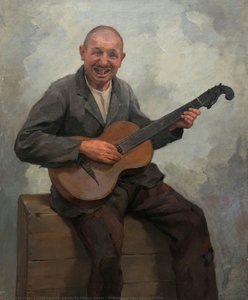
jozsef pechan, photo by miklos hever
1913 - , Serbia
Основные сведения
- Artistic Movement Or Style:
- Fauvism
- Modernism
- Post-Impressionism
- Artists Or Movements Influenced By This Artist:
- André Derain
- Maurice de Vlaminck
- Cubism
- Artists Who Influenced This Artist:
- Paul Cézanne
- Vincent van Gogh
- Edgar Degas
- Date Of Birth: December 31, 1869
- Date Of Death: November 3, 1954
- Full Name: Henri Matisse
- Nationality: French
- Notable Artworks:
- Woman with a Hat
- The Joy of Life
- Blue Nude
- Dance
- Red Studio
- Place Of Birth: Cateau-Béart, France