

 Предпросмотр
 Поделиться
 Поделиться
 Детали произведения

 Скачать
 Похожие работы
 Рентгенография
 Слайд-шоу
 Статистика
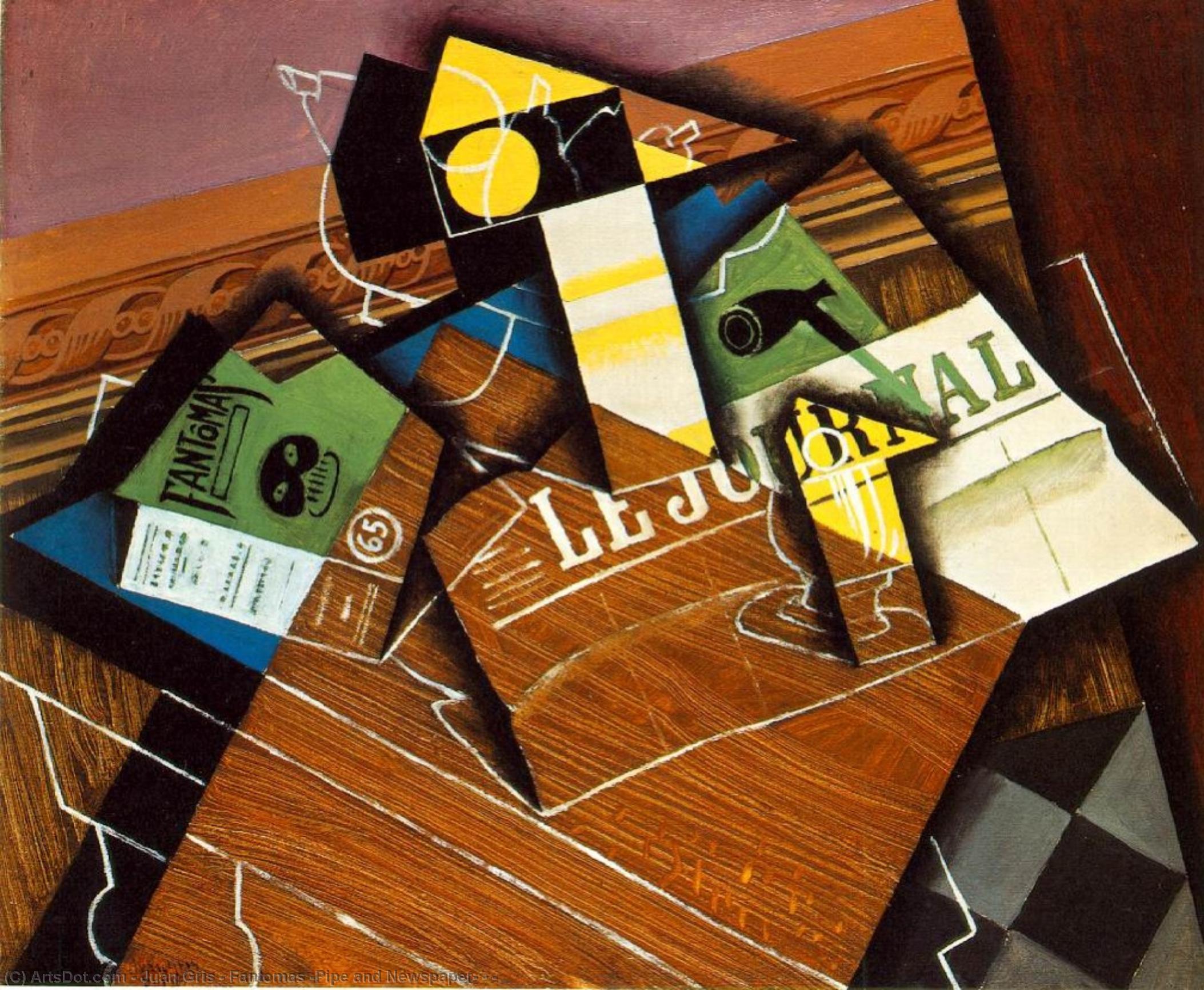
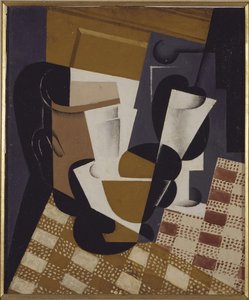
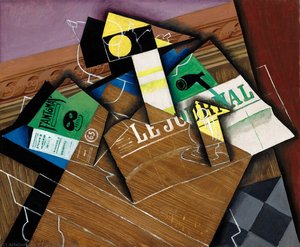
Fantomas (Pipe and Newspaper) - -
 Acrylic
- WallArt
- Synthetic Cubism
 1915
1915 60.0 x 73.0 cm
 Читать далее
Приобретите цифровое изображение высокого разрешения в улучшенном качестве, которое значительно превосходит онлайн-превью.
Каждый файл тщательно подготавливается нашими специалистами с использованием передовых инструментов и экспертной ручной ретуши. Мы гарантируем исключительную четкость, точную цветопередачу и детальную проработку каждого изображения.
Финальный файл доставляется по электронной почте в течение 72 часов и оптимизирован для немедленного использования в профессиональной среде, при верстке и печати. Это тот же уровень качества, которому доверяют ведущие дизайнерские студии, издательства и галереи.
Цифровое изображение
Скачайте файл высокого разрешения для личного использования, печати и творческих проектов. ( Перейти к печати Купить картину ручной работы)
Включено в каждый заказ цифровых изображений
Гарантия экспертной цифровой доставки
Выбирая ArtsDot.com, вы получаете не просто изображение — вы приобретаете профессионально обработанное цифровое произведение искусства, созданное с безупречной точностью и под защитой гарантии качества. Вот всё, что автоматически входит в ваш заказ:

Мгновенная доставка по e-mail
Ваш цифровой файл в высоком разрешении будет отправлен вам по электронной почте в течение 72 часов после оформления заказа — и сразу станет доступен для использования.

Цифровой файл с ИИ-улучшением
Ваше произведение искусства проходит профессиональную оптимизацию с использованием передовых инструментов ИИ и ручной обработки, что гарантирует максимальную детализацию, четкость и точность цветопередачи.

Бессрочная бесплатная повторная доставка
Случайно удалили или потеряли файл? Не беспокойтесь — мы отправим его вам повторно в любое время и совершенно бесплатно.

Без импортных пошлин — навсегда
Наслаждайтесь вашим произведением искусства мгновенно без таможенных пошлин, сборов или затрат на доставку — цифровые загрузки всегда не облагаются налогом.

Гарантия точности цветопередачи
Мы гарантируем, что ваше цифровое изображение максимально точно передает оригинальные цвета благодаря использованию профессиональных инструментов и систем управления цветом.

Гарантия удовлетворенности 100 дней
Если вы не будете удовлетворены своим цифровым изображением, мы внесем правки или вернем 100% стоимости в течение 100 дней — без лишних вопросов.

100% Гарантия возврата средств
Не удовлетворены покупкой? Получите полный возврат средств в течение 100 дней после получения цифрового файла — без лишних вопросов.

Скидки на оптовые заказы
Купите 3 изображения, сэкономьте 10% — Купите 5, сэкономьте 15% — Купите 10+, сэкономьте 20%. Отличное решение для творческих проектов, галерей и агентств.
A Fragmented Reality Captured in Geometric Precision
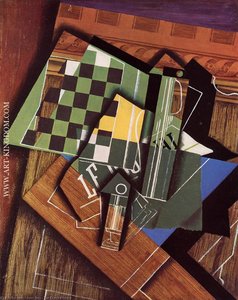
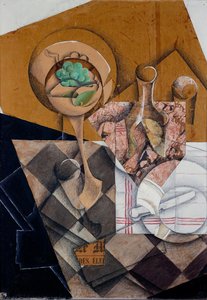
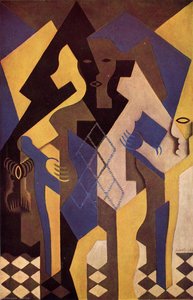
Juan Gris’ “Fantomas (Pipe and Newspaper)” stands as a cornerstone of Synthetic Cubism, born from the crucible of artistic experimentation at the dawn of the 20th century. Painted in 1915, this deceptively simple still life transcends mere representation; it embodies a radical reimagining of visual perception—a deliberate dismantling of traditional perspective to explore the underlying structure of form.
The Genesis of Synthetic Cubism
Following the groundbreaking explorations of Analytical Cubism spearheaded by Picasso and Braque, Gris championed Synthetic Cubism as a reaction against its obsessive dissection. Unlike its predecessor, which sought to break down objects into constituent parts, Synthetic Cubism prioritized reconstructing them in an abstracted manner using geometric shapes—primarily cubes, rectangles, and cylinders—arranged in overlapping planes that create a palpable illusion of depth without relying on conventional shading.
Compositional Innovation: Layers of Texture and Tension
The artwork’s visual impact derives significantly from its meticulously crafted composition. Gris employs a collage technique, layering disparate materials – newspapers, books, and a pipe—to generate a dynamic interplay between textures and planes. The newspaper fragments introduce a subtle disruption to the geometric order, mirroring the fragmented nature of modern experience. Careful consideration is given to spatial relationships; objects are positioned strategically to convey tension and balance, inviting contemplation about how we perceive the world around us.
Symbolism Within Geometric Form
Beyond its formal innovations, “Fantomas” carries symbolic resonance. The pipe represents habituation and routine—a familiar object rendered in geometric abstraction—while the newspaper symbolizes information overload and the bombardment of stimuli characteristic of the era. These elements converge to suggest a preoccupation with capturing not just what is seen but also how it feels to inhabit a rapidly changing environment.
A Legacy of Artistic Vision
"Fantomas (Pipe and Newspaper)" exemplifies Gris’ unwavering commitment to pushing artistic boundaries. Its influence extends far beyond its immediate context, inspiring subsequent generations of artists who sought to redefine the possibilities of visual representation. Today, reproductions of this iconic artwork continue to captivate audiences worldwide, offering a glimpse into the intellectual fervor and aesthetic daring that defined the formative years of Modern Art.

Биография художника
A Spanish Visionary of Cubism: The Life and Art of Juan Gris
José Victoriano González-Pérez, a name that would become synonymous with artistic innovation, was born in Madrid on March 23, 1887. This young man, destined to be known as Juan Gris, embarked on a journey that would not only establish him as one of the most significant figures of early 20th-century art but also profoundly reshape our understanding of visual perception. Initially pursuing an engineering degree at the School of Arts and Sciences in Madrid, a logical mind began to develop alongside a burgeoning creative spirit. Even during his studies, glimpses of his artistic talent emerged – contributions to local periodicals hinted at a future dedicated to capturing the world through a unique lens. It was in 1905 that he adopted the pseudonym Juan Gris, a name imbued with a newfound sense of identity and purpose, marking a deliberate step towards embracing his artistic aspirations.Parisian Awakening and the Embrace of Cubism
The year 1906 proved to be a pivotal moment in Gris’s life – he relocated to Paris, a city then brimming with an unparalleled concentration of artistic energy. This move was not merely a geographical shift; it represented a complete immersion into a vibrant cultural landscape. He quickly established connections with luminaries such as Henri Matisse, Georges Braque, and Fernand Léger, forging friendships that would profoundly influence his artistic development. Initially, Gris engaged in the demanding world of satirical illustration for publications like *L'Assiette au Beurre*, honing his observational skills and developing a keen eye for detail – a skill he would later translate into his groundbreaking paintings. However, it was Pablo Picasso who exerted the most significant impact on his artistic trajectory. Around 1910, Gris began to dedicate himself wholeheartedly to painting, moving away from caricature and embracing the revolutionary language of Cubism. This wasn’t simply imitation; it was a deliberate quest to distill the essence of form and space, seeking a new visual order – a radical departure from traditional representation.The Geometry of Perception: Style and Key Works
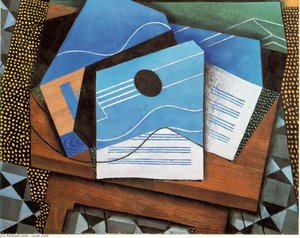
Juan Gris's artistic output is characterized by an extraordinary clarity and intellectual rigor. He didn’t merely deconstruct objects; he meticulously reconstructed them, emphasizing geometric forms and employing a carefully considered palette. This approach led to what became known as his “crystal period,” exemplified in masterpieces such as *Still Life Before an Open Window* (1912) and *Place Ravignan* (1915). These works showcase a remarkable interplay of planes and angles, creating a sense of depth and solidity while simultaneously challenging conventional notions of perspective. The influence of Picasso is undeniable, yet Gris developed his own distinct style – one characterized by a precise geometric structure, a harmonious color scheme, and an innovative use of *papier collé* (collage). He incorporated real-world materials like newspaper clippings and textured papers into his compositions, blurring the boundaries between painting and sculpture. Notable examples include *Guitar in front of the sea* (1925), a testament to his simplified forms and adherence to cubist principles, and *Homage à Pablo Picasso* (1912), which signaled his growing recognition within the avant-garde art world.Synthetic Cubism and Lasting Influence
Following the initial explorations of Analytical Cubism, Gris transitioned to Synthetic Cubism around 1913, a period marked by a shift towards greater simplification and a vibrant use of color. He pioneered the extensive use of *papier collé*, incorporating fragments of everyday life – advertisements, fabrics, and even pieces of fruit – into his paintings. This technique added layers of complexity and tactile richness to his work, transforming his canvases into dynamic visual dialogues. Unlike Picasso and Braque, whose Cubist works were often monochromatic, Gris employed bold, harmonious color palettes, creating a distinctive aesthetic that resonated with the principles of Matisse’s art. His emphasis on geometric forms, combined with his innovative use of collage, established him as a pivotal figure in 20th-century art. His legacy extends beyond mere stylistic innovation; he brought a unique intellectual depth and structural clarity to the movement, profoundly influencing the Purist style championed by Amédée Ozenfant and Charles Edouard Jeanneret (Le Corbusier). Juan Gris’s work continues to inspire artists today, demonstrating the enduring power of Cubism and the visionary genius of a Spanish master who reshaped our understanding of perception and representation.Key Facts
- Full Name: José Victoriano González-Pérez
- Born: March 23, 1887, Madrid, Spain
- Died: May 11, 1927, Paris, France
- Artistic Movement: Cubism (Analytical and Synthetic)
- Influenced By: Pablo Picasso, Henri Matisse
- Notable Works: *Still Life Before an Open Window*, *Place Ravignan*, *Guitar in front of the sea*, *Homage à Pablo Picasso*
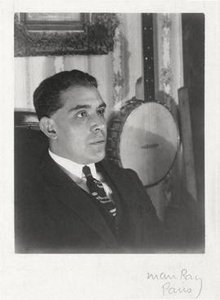
Хуан Грис
1887 - 1927 , Испания
Основные сведения
- Artistic Movement Or Style: Кубизм, Синтетический кубизм
- Artists Or Movements Influenced By This Artist:
- Пуризм
- Озенфан
- Artists Who Influenced This Artist:
- Пикассо
- Матисс
- Брак
- Date Of Birth: 23 марта 1887
- Date Of Death: 11 мая 1927
- Full Name: José Victoriano González-Pérez
- Nationality: Испанский
- Notable Artworks:
- «Гитара перед морем»
- «Художественный коллаж»
- «Дом с сине-зелеными окнами»
- Place Of Birth: Мадрид, Испания