

 Предпросмотр
 Поделиться
 Поделиться
 Детали произведения

 Скачать
 Похожие работы
 Рентгенография
 Слайд-шоу
 Статистика
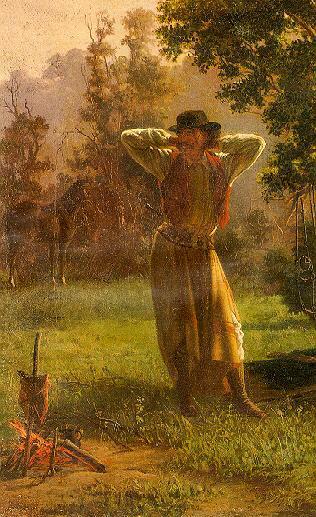
Untitled (AQQPN2)
 1875
1875 36.0 x 30.0 cm
 Читать далее
Масляная репродукция ручной работы
Картина маслом на холсте в выбранном вами размере и раме, написанная на заказ нашими художниками. ( Перейти к печати Перейти к цифровым изображениям)




































Выберите один из наших стандартных размеров, соответствующих оригинальным пропорциям произведения искусства.

Вы можете указать собственные размеры, чтобы картина идеально вписалась в выбранную раму или пространство. Если выбранный вами размер не соответствует пропорциям оригинала, мы либо обрежем полотно, либо расширим его за счет дополнительных элементов, написанных вручную. Цифровой макет будет отправлен вам на утверждение перед началом производства.
Обратите внимание, что предварительный просмотр на экране не отражает фактическую обрезку или расширение. Только макет точно покажет окончательную композицию.
Хотя доступны индивидуальные размеры, мы рекомендуем выбирать вариант из предопределенного списка, чтобы сохранить исходные пропорции.
После оформления заказа команда ArtsDot.com свяжется с клиентом по электронной почте для уточнения деталей и предоставит предварительный макет
Доставка по всему миру () за 3–4 недели вместо стандартных 5 недель. (12 Сентябрь). Без компромиссов в качестве.

Бесплатная экспресс-доставка по всему миру

Высококачественный льняной холст

Полное страхование доставки

Гарантия возмещения таможенных пошлин

Гарантия точного соответствия цветов

100-дневная политика возврата (только при обнаружении дефектов)

Гарантия возврата 100% средств

Предложение оптовых скидок
 Вариант со стеклом доступен только для размеров менее 110 см

Untitled (AQQPN2)
Техника репродукции
Размер репродукции
-


Итоговая стоимость
$ 263
Похожие произведения



Биография художника
Juan Manuel Blanes: A Chronicle of Uruguayan Identity
Juan Manuel Blanes (1830-1901) stands as a pivotal figure in the history of Uruguayan art, often considered its founder and a master of Realism. Born in Montevideo, Uruguay, his life was inextricably linked to the nation’s turbulent political landscape and its evolving sense of national identity. Raised primarily by his mother after his father's early death, Blanes developed an early fascination with drawing, initially finding work as an illustrator for the newspaper *El Defensor de la Independencia Americana*. This initial foray into visual storytelling provided a crucial foundation for his later career, honing his skills in observation and composition. His modest earnings from watercolors supplemented his income, allowing him to eventually establish his own atelier in 1854 – a significant step towards establishing himself as a professional artist.Early Years and Florentine Influence
Blanes’s early career saw him primarily working as a portrait painter in Salto and Concepción del Uruguay, serving the burgeoning elite of Argentina. A pivotal moment arrived in 1861 when he secured a scholarship from the Uruguayan government, affording him the extraordinary opportunity to study at the prestigious Florence Academy of Art under Antonio Ciseri. This Italian sojourn proved transformative, exposing Blanes to the techniques and philosophies of academic realism – a style characterized by meticulous detail, accurate representation, and a focus on historical and mythological subjects. However, Blanes didn’t simply replicate Italian artistic conventions; he adapted them to his own unique vision, imbuing them with a distinctly Uruguayan sensibility. The experience in Florence became a cornerstone of his artistic development, providing him with the technical proficiency and confidence to tackle increasingly ambitious projects.Historical Narratives and National Symbolism
Upon returning to Uruguay, Blanes quickly established himself as a leading historical painter, commissioned by prominent figures to commemorate key events in Uruguayan history. His work during this period was deeply intertwined with the nation’s ongoing struggle for independence and its complex relationship with neighboring Brazil. He was entrusted with creating portraits, allegories, and landscapes for Justo José de Urquiza, President of Argentina, adorning his estancia, Palacio San José. These commissions demanded a sophisticated understanding of political dynamics and a keen ability to convey the grandeur and authority of the Argentine leadership. Blanes’s most celebrated works from this era include “The Review in Rancagua,” a dramatic depiction of General José de San Martín’s strategic retreat, and portraits of key figures like Artigas, the hero of Uruguayan independence. These paintings weren't merely historical records; they were carefully constructed narratives designed to reinforce national pride and solidify Uruguay’s identity.The "Thirty-Three Easterners" and Artistic Maturity
A particularly significant commission came in 1877 – a monumental portrait of the “Thirty-Three Easterners,” the revolutionary vanguard responsible for Uruguay's successful independence from Brazil in 1828. This painting, exhibited to widespread acclaim, cemented Blanes’s reputation as a national icon and demonstrated his mastery of capturing complex emotional states within a historical context. Following this success, Blanes undertook another extended stay in Florence, culminating in “The Battle of Sarandí” (1883), a powerful depiction of a crucial naval engagement that further secured Uruguay's sovereignty. These works, alongside his numerous bucolic scenes depicting gaucho life – a defining aspect of Uruguayan culture – showcased Blanes’s ability to seamlessly blend historical grandeur with the everyday realities of his homeland.Later Life and Legacy
The late 19th century brought personal tragedy to Blanes, with the deaths of his wife and son, prompting him to travel to Rome in search of his remaining child. He ultimately succumbed to illness in Italy in 1901, leaving behind a remarkable body of work that profoundly shaped the course of Uruguayan art. His legacy is deeply ingrained in the nation’s cultural fabric, evidenced by the establishment of the Municipal Museum of Fine Arts in Montevideo in his honor – a testament to his enduring influence and contribution to Uruguay's artistic heritage. His paintings continue to be displayed prominently, serving as powerful reminders of Uruguay’s history, its heroes, and its unique national identity. The Washington D.C.’s General José Gervasio Artigas statue, based on Blanes’s portrait, stands as a lasting symbol of his contribution to the nation's artistic legacy in the United States.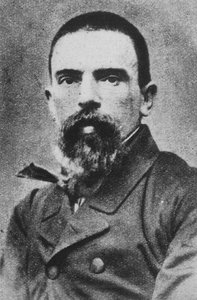
Juan Manuel Blanes
1830 - 1901
Основные сведения
- Artistic Movement Or Style: Realist painting
- Artists Or Movements Influenced By This Artist: ['Uruguayan art']
- Artists Who Influenced This Artist: ['Antonio Ciseri']
- Date Of Birth: 1830
- Date Of Death: 1901
- Full Name: Juan Manuel Blanes
- Nationality: Uruguayan
- Notable Artworks:
- The Captive
- San Martín art
- Thirty-three Easterners
- Battle of Sarandí
- Place Of Birth: Montevideo, Uruguay