

 Предпросмотр
 Поделиться
 Поделиться
 Детали произведения

 Скачать
 Похожие работы
 Рентгенография
 Слайд-шоу
 Статистика
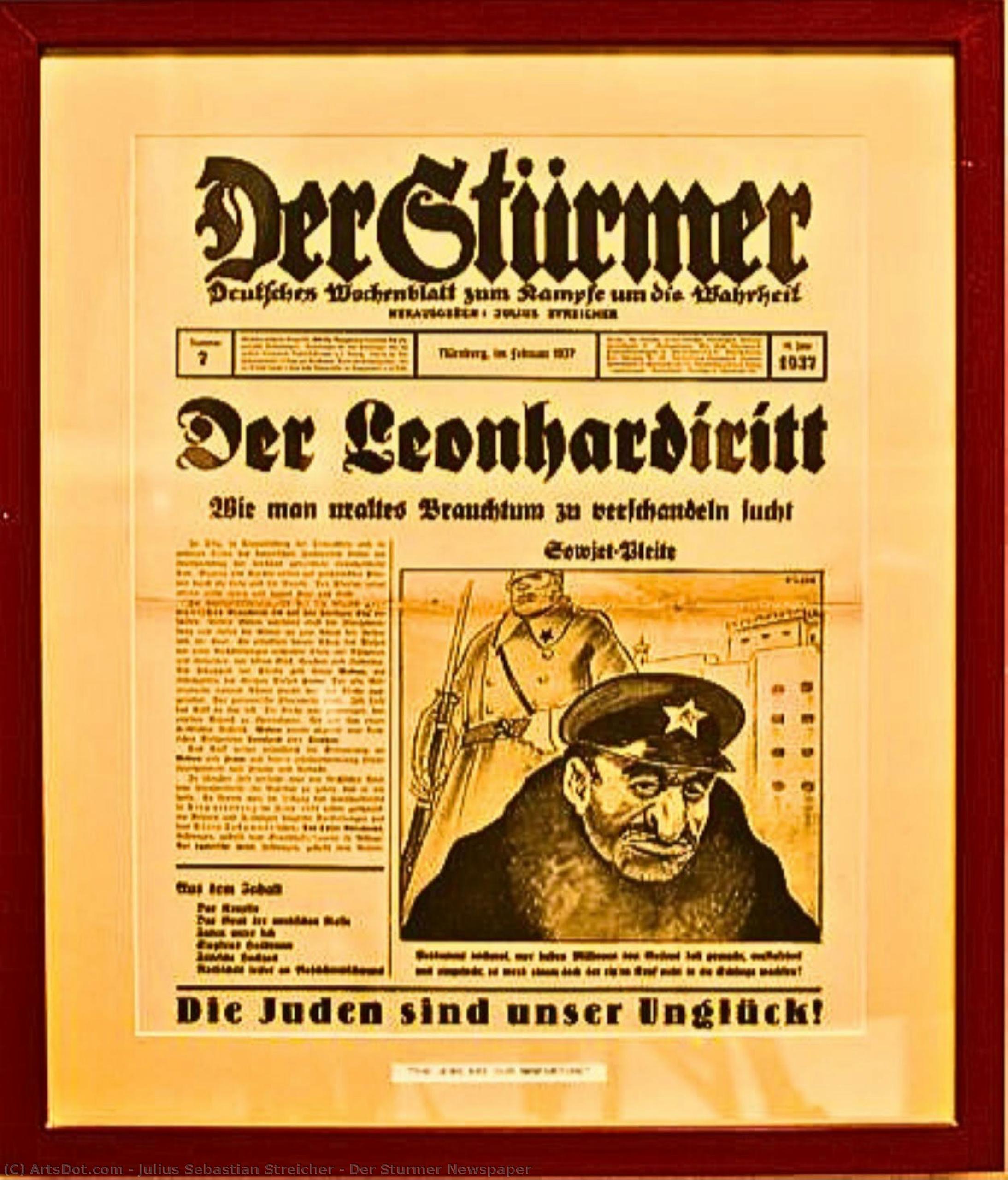
Der Sturmer Newspaper


 Читать далее
Масляная репродукция ручной работы
Картина маслом на холсте в выбранном вами размере и раме, написанная на заказ нашими художниками. ( Перейти к печати Перейти к цифровым изображениям)




































Выберите один из наших стандартных размеров, соответствующих оригинальным пропорциям произведения искусства.

Вы можете указать собственные размеры, чтобы картина идеально вписалась в выбранную раму или пространство. Если выбранный вами размер не соответствует пропорциям оригинала, мы либо обрежем полотно, либо расширим его за счет дополнительных элементов, написанных вручную. Цифровой макет будет отправлен вам на утверждение перед началом производства.
Обратите внимание, что предварительный просмотр на экране не отражает фактическую обрезку или расширение. Только макет точно покажет окончательную композицию.
Хотя доступны индивидуальные размеры, мы рекомендуем выбирать вариант из предопределенного списка, чтобы сохранить исходные пропорции.
После оформления заказа команда ArtsDot.com свяжется с клиентом по электронной почте для уточнения деталей и предоставит предварительный макет
Доставка по всему миру () за 3–4 недели вместо стандартных 5 недель. (11 Сентябрь). Без компромиссов в качестве.

Бесплатная экспресс-доставка по всему миру

Высококачественный льняной холст

Полное страхование доставки

Гарантия возмещения таможенных пошлин

Гарантия точного соответствия цветов

100-дневная политика возврата (только при обнаружении дефектов)

Гарантия возврата 100% средств

Предложение оптовых скидок
 Вариант со стеклом доступен только для размеров менее 110 см

Der Sturmer Newspaper
Техника репродукции
Размер репродукции
-


Итоговая стоимость
$ 263
Похожие произведения





Биография художника
A Shadow Over German Art and Propaganda
The name Julius Sebastian Streicher evokes a profound and unsettling tension between the delicate nuances of artistic expression and the darkest corridors of political manipulation. Born in 1885 in Fleißen, Bavaria, Streicher’s early life was shaped by a deep-seated passion for music and the meticulous discipline of classical training. As a student of piano at Leipzig University, he developed an ear for the expressive tonal qualities and intricate details that would later characterize his visual works. There is a haunting duality in his legacy; while his hands were capable of capturing the resonant beauty of a piano through paint, they were simultaneously used to orchestrate one of the most virulent propaganda machines in human history.
His artistic sensibilities were informed by the broader aesthetic movements of his era, absorbing the light-drenched textures of Impressionism and the psychological depth found in Symbolism. One can trace a lineage of influence from masters like Claude Monet and Edvard Munch through his early explorations of form and emotion. These works, particularly his notable piano depictions, suggest an artist preoccupied with the resonance of subject matter—a preoccupation that would take on a much more sinister dimension as his life moved away from the easel and toward the printing press.
The Instrument of Deception
The trajectory of Streicher’s life underwent a radical and catastrophic transformation in 1925 with the establishment of Der Stürmer. What began as a satirical publication aimed at mocking intellectuals soon evolved into a relentless mouthpiece for antisemitic fervor. Through his role as a publisher, Streicher mastered the art of psychological manipulation, utilizing sensationalized reporting and repetitive, inflammatory rhetoric to poison the cultural landscape of Germany. The very techniques of repetition and focus that might serve an artist in perfecting a composition were here weaponized to incite hatred and dehumanize entire populations.
As a member of the Nazi Party and the Gauleiter of Franconia, Streicher’s influence became inseparable from the machinery of the state. His publishing firm was not merely a tool for ideology but a highly successful commercial enterprise that made him a multimillionaire, proving how effectively propaganda could be intertwined with economic power. The tragedy of his career lies in this intersection: the ability to command public attention and shape perception—skills essential to any great communicator or artist—was directed toward the incitement of genocide.
Legacy and Historical Reckoning
The historical significance of Julius Sebastian Streicher cannot be viewed through a purely aesthetic lens; his life serves as a grim testament to how individual talent and influence can be harnessed for unimaginable evil. Following the collapse of the Nazi regime, Streicher was brought before the Nuremberg trials, where he became the first member of the Nazi leadership held accountable specifically for inciting genocide. His conviction for crimes against humanity underscored the profound danger of unchecked demagoguery and the lethal consequences of using media to foster hatred.
Ultimately, Streicher’s story remains a cautionary tale within the annals of history and art. He stands as a figure whose creative potential was entirely eclipsed by his role as a war criminal. To study his life is to grapple with the uncomfortable reality of how the tools of culture—journalism, music, and visual art—can be corrupted to serve the most abhorrent ideologies. His execution in 1946 marked the end of a life that had become a shadow over German history, leaving behind a legacy defined not by the beauty he could have created, but by the destruction he helped facilitate.
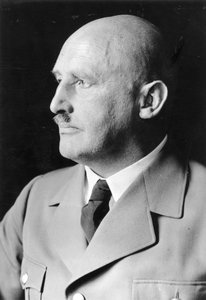
julius sebastian streicher
1885 - 1946 , Germany
Основные сведения
- Artistic Movement Or Style: Expressionism
- Artists Or Movements Influenced By This Artist: ['Der Stürmer']
- Artists Who Influenced This Artist: ['Gustav Klimt']
- Date Of Birth: February 12, 1885
- Full Name: Julius Sebastian Streicher
- Nationality: German
- Notable Artworks: ['Piano']
- Place Of Birth: Fleißen, Germany