

 Поделиться
 Поделиться
 Детали произведения

 Скачать
 Похожие работы
 Слайд-шоу
 Статистика
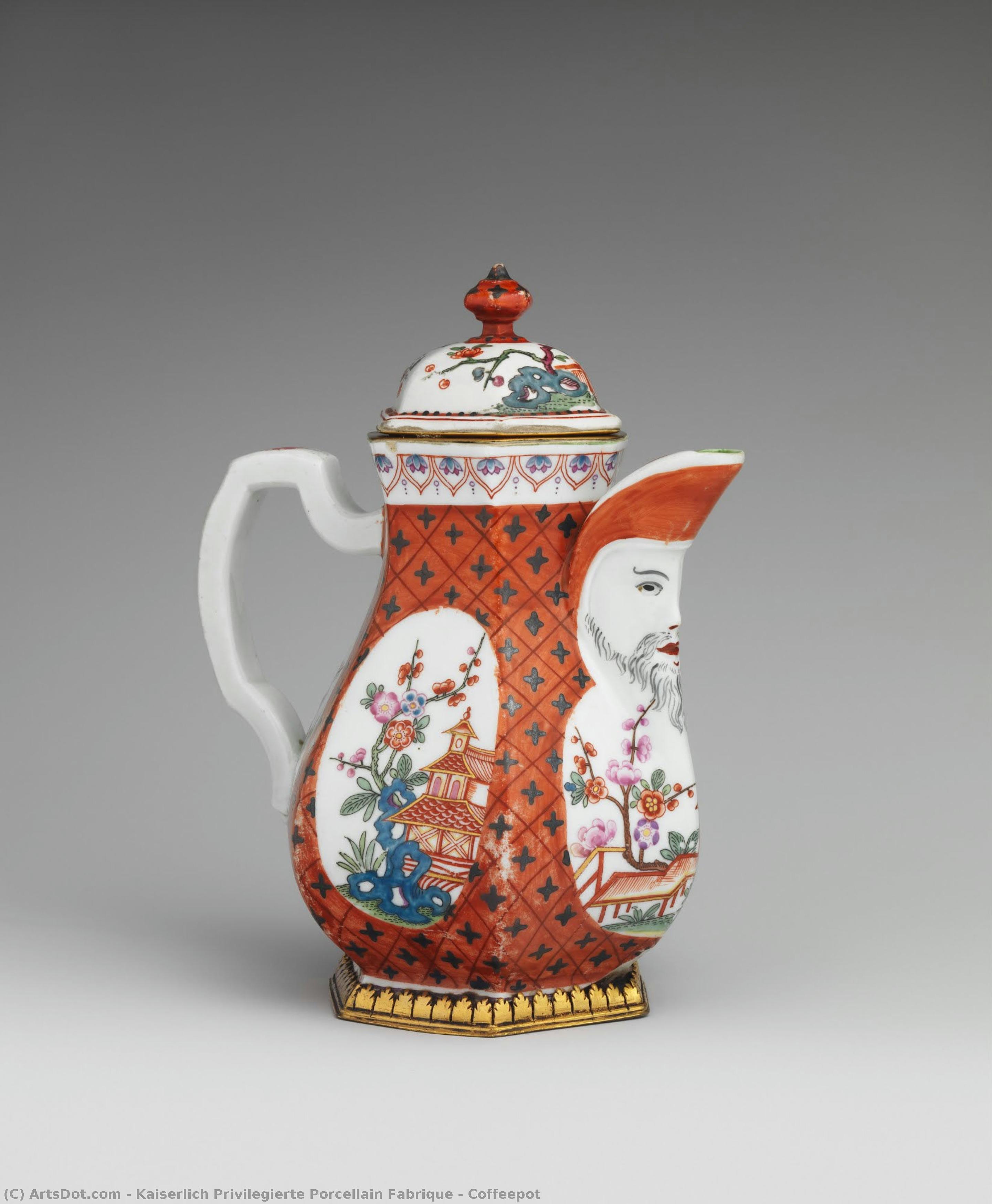
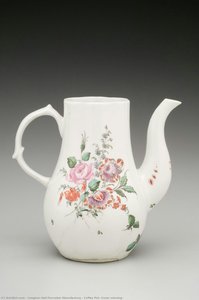
Coffeepot
 Ceramics
- Neoclassical
 1720
1720 17.0 x 15.0 cm
 Музей Метрополитен
 Читать далее
Масляная репродукция ручной работы
Картина маслом на холсте в выбранном вами размере и раме, написанная на заказ нашими художниками. ( Перейти к печати Перейти к цифровым изображениям)




































Выберите один из наших стандартных размеров, соответствующих оригинальным пропорциям произведения искусства.

Вы можете указать собственные размеры, чтобы картина идеально вписалась в выбранную раму или пространство. Если выбранный вами размер не соответствует пропорциям оригинала, мы либо обрежем полотно, либо расширим его за счет дополнительных элементов, написанных вручную. Цифровой макет будет отправлен вам на утверждение перед началом производства.
Обратите внимание, что предварительный просмотр на экране не отражает фактическую обрезку или расширение. Только макет точно покажет окончательную композицию.
Хотя доступны индивидуальные размеры, мы рекомендуем выбирать вариант из предопределенного списка, чтобы сохранить исходные пропорции.
После оформления заказа команда ArtsDot.com свяжется с клиентом по электронной почте для уточнения деталей и предоставит предварительный макет
Доставка по всему миру () за 3–4 недели вместо стандартных 5 недель. (11 Сентябрь). Без компромиссов в качестве.

Бесплатная экспресс-доставка по всему миру

Высококачественный льняной холст

Полное страхование доставки

Гарантия возмещения таможенных пошлин

Гарантия точного соответствия цветов

100-дневная политика возврата (только при обнаружении дефектов)

Гарантия возврата 100% средств

Предложение оптовых скидок
 Вариант со стеклом доступен только для размеров менее 110 см

Coffeepot
Техника репродукции
Размер репродукции
-


Итоговая стоимость
$ 263
An Ode to Imperial Opulence: The Vienna Porcelain Teapot
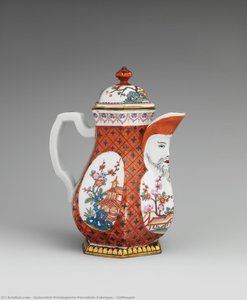
To gaze upon this exquisite piece is to step directly into the gilded salons of 18th-century Vienna. This coffeepot, crafted by the esteemed Kaiserlich privilegierte Porcellain Fabrique, is far more than a mere vessel for tea; it is a miniature tableau vivant, a breathtaking testament to the pinnacle of European decorative arts. The porcelain itself, with its luminous white ground, serves as the perfect stage for the painterly drama enacted upon its surface. One cannot help but feel the weight of history—the ambition, the artistry, and the patronage that fueled such magnificent creations during an era of profound cultural flourishing.
Mastery in Miniature: Technique and Detail
The sheer technical brilliance displayed here is nothing short of miraculous. The decoration eschews simple pattern work for a complex, narrative scene executed with meticulous hand-painting. Observe the way the artist has managed depth; while the perspective remains somewhat flattened, characteristic of high decorative arts where visual storytelling takes precedence over strict realism, the illusion of space is nonetheless profound. Small, precise brushstrokes define everything—from the delicate flutter of imagined drapery on the figures to the intricate veining of the depicted foliage. The interplay between geometric architectural lines and the organic curves of blooming flowers creates a mesmerizing rhythm across the body of the pot. It speaks volumes about the patience and unwavering skill required by the artisans who labored over this piece nearly three centuries ago.
A Glimpse into an Eighteenth-Century Fantasy
The subject matter itself invites contemplation. The scene appears to weave together elements of pastoral life, architectural grandeur, and perhaps even mythological narrative. Dominating the palette are warm, rich tones—vibrant oranges, deep reds, and shimmering accents of gold—set against the cool neutrality of the porcelain body. These colors do not merely decorate; they imbue the scene with palpable warmth and opulence. The style echoes the grand traditions of Meissen, placing this piece within a lineage of unparalleled ceramic excellence. It suggests a moment captured in time: perhaps a courtly gathering or an idealized vision of life amidst blossoming splendor.
The Enduring Allure for the Modern Collector
For the contemporary admirer, whether one is curating a lavish drawing-room or seeking a singular focal point for a collector's cabinet, this coffeepot offers immediate emotional resonance. It embodies an era when luxury was synonymous with narrative art. The opulence it radiates is not gaudy, but rather deeply cultured—a sophisticated celebration of human creativity and material refinement. Owning a reproduction allows one to connect intimately with the historical weight and sheer artistry of Vienna’s imperial legacy, bringing a piece of storied elegance into the modern domestic sphere.
Похожие произведения
Биография художника
Vienna Porcelain: A Legacy of Imperial Elegance
Vienna porcelain, more accurately known as Kaiserlich privilegierte Porcellain Fabrique, stands as a testament to Austria’s artistic prowess during the Enlightenment and Napoleonic eras—a singular achievement in European ceramics that continues to captivate collectors and historians alike. Founded in 1718 by Claude du Paquier, a Dutchman with ambitious aspirations, it quickly ascended to prominence alongside Meissen porcelain, establishing Vienna as Europe's second bastion of hard-paste faience production. This remarkable story unfolds through five distinct periods, each marked by stylistic evolution and shaped by the patronage of successive emperors—a narrative interwoven with scientific innovation and diplomatic significance.- The Du Paquier Period (1718–1744): Initially hampered by financial instability and a lack of royal backing, the factory’s early years were characterized by du Paquier's unwavering determination to master the art of porcelain production. Despite challenges securing monopolies for his wares—a crucial element in establishing a stable business model—he persevered, attracting skilled artisans from Meissen and laying the groundwork for future success.
- The Imperial State Manufactory (1744–1805): Following Maria Theresa’s decisive intervention—purchasing the factory and securing its financial stability—Vienna porcelain entered a golden age. This era witnessed a blossoming of neoclassical aesthetics, heavily influenced by Sèvres porcelain, and propelled Vienna to the forefront of European artistic discourse. The patronage of emperors Joseph II and Ferdinand III fostered experimentation with new forms and decorative motifs, cementing Vienna’s reputation as a center for innovation.
- The Biedermeier Period (1805–1839): Amidst the turbulent political landscape of the Napoleonic Wars, Vienna porcelain experienced a subtle shift toward domestic sensibilities—a reflection of the broader Biedermeier movement. Artists embraced naturalistic themes and understated elegance, prioritizing craftsmanship over ostentation, mirroring the values of the Austrian middle class.
- The Victorian Era (1839–1864): The final decades saw Vienna porcelain adapt to the burgeoning influence of British aesthetics—particularly the ornate Victorian style. While retaining its distinctive Viennese character, the factory embraced bolder colors and elaborate embellishments, signaling a move toward embracing global artistic trends.
- Legacy & Influence: Despite its eventual decline in production volume, Vienna porcelain’s impact on European ceramics remains profound. Its pioneering techniques—particularly the use of kaolin clay—established Vienna as a leader in ceramic science and spurred advancements across the continent. Furthermore, Viennese porcelain continues to inspire artists today, serving as an enduring symbol of Austrian artistic heritage and imperial grandeur.
- Innovation in Porcelain Production: Du Paquier’s meticulous pursuit of a stable formula for hard-paste porcelain revolutionized ceramic manufacturing techniques.
- Diplomatic Gifts: Viennese porcelain served as lavish gifts exchanged between emperors and foreign dignitaries, bolstering Austria's prestige on the international stage.
- Artistic Excellence: The factory produced masterpieces embodying neoclassical ideals—particularly during Maria Theresa’s reign—demonstrating unparalleled artistic skill and aesthetic vision.
Основные сведения
- Artistic Movement Or Style: Neoclassical
- Artists Or Movements Influenced By This Artist: ['Sèvres Porcelain']
- Artists Who Influenced This Artist: ['Meissen Porcelain']
- Date Of Death: 1751
- Full Name: Claude Du Paquier
- Nationality: Austrian
- Notable Artworks: ['Vienna Porcelain Manufactory']
- Place Of Birth: Vienna, Austria
Похожие статьи

Величие XVIII века: Топ-10 шедевров искусства для вашего интерьера
Погрузитесь в эпоху рококо и барокко! Топ-10 шедевров XVIII века от Буше, Фрагонара и Рейнольдса. Узнайте историю создания культовых картин и вдохновитесь для декора вашего дома. Репродукции высокого качества на ArtsDot.com
The Vienna Secession: A Rebellion of Form & Spirit in Fin-de-Siècle Art
Discover the revolutionary Vienna Secession art movement! Explore Klimt, Olbrich & more. Learn about its history, characteristics & lasting influence on modern art. High-quality reproductions available.
Reflecting Nobility & Nuance: 18th-Century Portraiture as a Window into Societal Values
Explore the world of 18th-century portraiture with ArtsDot. Discover symbolism, artistic innovation & societal values reflected in masterpieces by Reynolds, Hogarth & more. Expert insights for collectors.
Reflections of an Age: Social Commentary & Artistic Representation in 18th-Century Society
Explore the social commentary & artistic representation of 18th-century society. Discover Rococo masterpieces, portraiture's power, and shifting historical perspectives. Expert insights for art lovers.
Iconic Art of the 18th & 19th Centuries: Masterpieces for Your Home | ArtsDot
Journey through 18th & 19th century art! Explore iconic masterpieces by Monet, Van Gogh & more. Discover the stories behind these timeless paintings and find museum-quality reproductions for your home at ArtsDot.com.