

 Предпросмотр
 Поделиться
 Поделиться
 Детали произведения

 Скачать
 Похожие работы
 Рентгенография
 Слайд-шоу
 Статистика
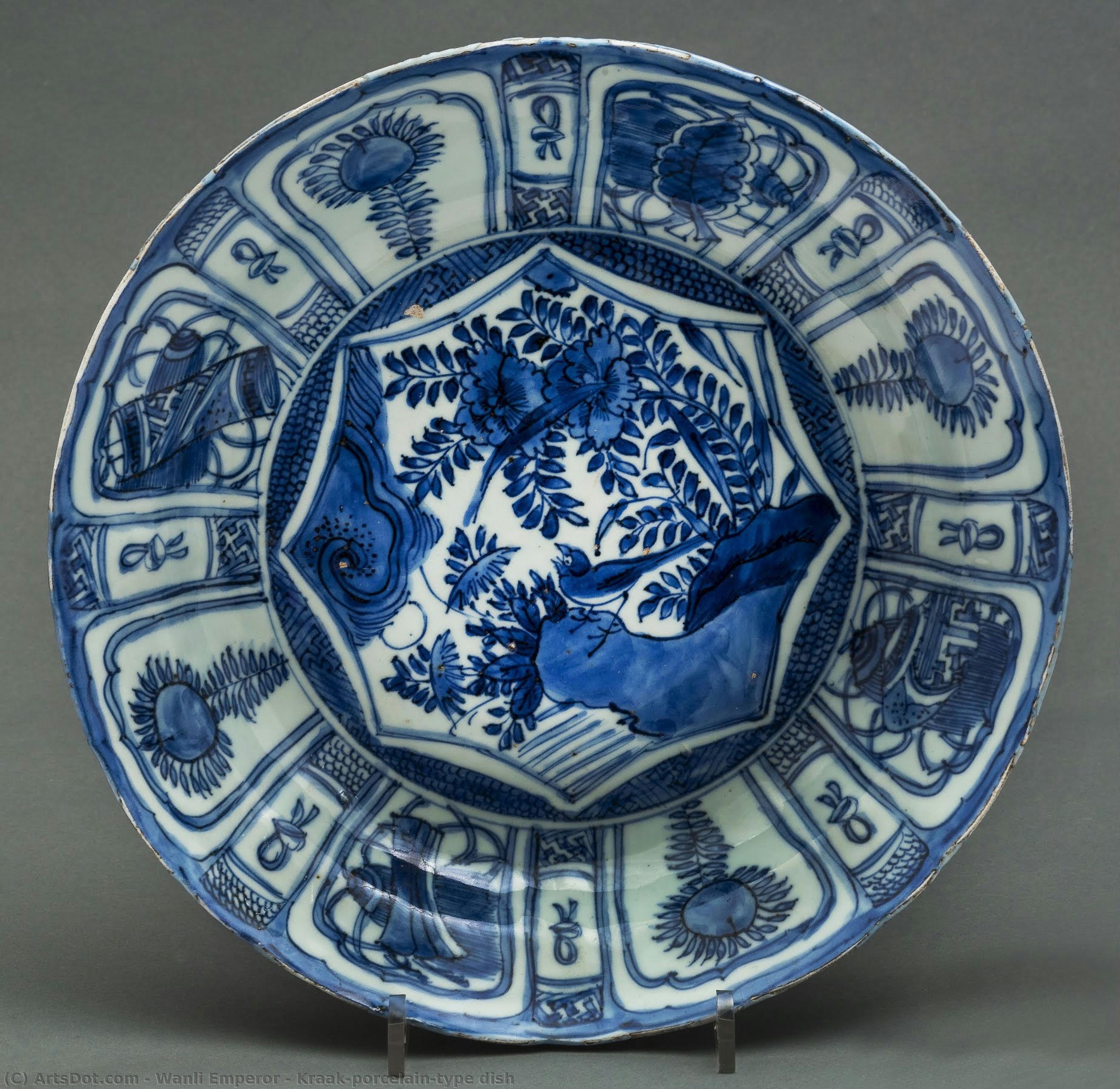
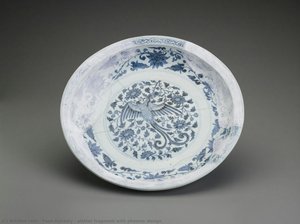
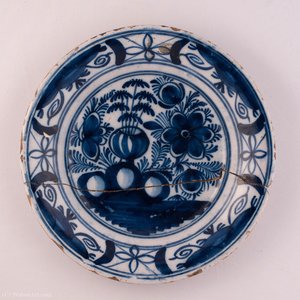
Kraak-porcelain-type dish


 Читать далее
Масляная репродукция ручной работы
Картина маслом на холсте в выбранном вами размере и раме, написанная на заказ нашими художниками. ( Перейти к печати Перейти к цифровым изображениям)




P118B $10

P118H $10

P118W $10

P438Z $10

P508JH $12

P508YH $12

P805H $10

P805Z $10

P919BZ $10

P919G $10

P919XJ $10

P959ZH $10

P968JZ $12

W106C $8

W218G $10

W218JH $8

W218Y $10

W307PJ $10

W316G $10

W316PJ $8

W316Y $10

W398PJ $8

W4111J $10

W500HY $15

W500JH $15

W692G $12

W849H $8

W940BG $15

W953PJ $8




Выберите один из наших стандартных размеров, соответствующих оригинальным пропорциям произведения искусства.

Вы можете указать собственные размеры, чтобы картина идеально вписалась в выбранную раму или пространство. Если выбранный вами размер не соответствует пропорциям оригинала, мы либо обрежем полотно, либо расширим его за счет дополнительных элементов, написанных вручную. Цифровой макет будет отправлен вам на утверждение перед началом производства.
Обратите внимание, что предварительный просмотр на экране не отражает фактическую обрезку или расширение. Только макет точно покажет окончательную композицию.
Хотя доступны индивидуальные размеры, мы рекомендуем выбирать вариант из предопределенного списка, чтобы сохранить исходные пропорции.
После оформления заказа команда ArtsDot.com свяжется с клиентом по электронной почте для уточнения деталей и предоставит предварительный макет
Доставка по всему миру () за 3–4 недели вместо стандартных 5 недель. (11 Сентябрь). Без компромиссов в качестве.

Бесплатная экспресс-доставка по всему миру

Высококачественный льняной холст

Полное страхование доставки

Гарантия возмещения таможенных пошлин

Гарантия точного соответствия цветов

100-дневная политика возврата (только при обнаружении дефектов)

Гарантия возврата 100% средств

Предложение оптовых скидок
 Вариант со стеклом доступен только для размеров менее 110 см

Kraak-porcelain-type dish
Техника репродукции
Размер репродукции
-


Итоговая стоимость
$ 263
Kraak Porcelain Still Life: A Reflection of Dutch Prosperity
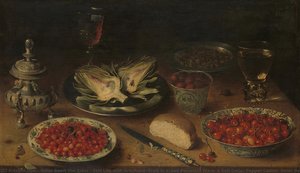
The painting “Still Life with Artichoke, Fruit in Kraak Porcelain Ware, a Salt Cellar/Pepper Castor, Osias Beert (I), c. 1605 - c. 1615” by Osias Beert I stands as a quintessential emblem of the Dutch Golden Age—a period defined by unprecedented economic expansion fueled by maritime trade and a burgeoning artistic sensibility.
Kraak porcelain, originating from Delftware workshops in Holland, represents more than just decorative artistry; it embodies the wealth and sophistication achieved during this era. The VOC (Vereenigde Oostindische Compagnie), or Dutch East India Company, dominated global commerce, transporting spices, silks, and crucially, porcelain from China to Europe. This influx of exotic goods profoundly impacted artistic tastes, prompting painters like Beert to explore new visual vocabularies.
Beert’s meticulous depiction showcases a meticulously arranged tableau—a single artichoke nestled amongst luscious fruits—presented upon a gleaming Kraak porcelain dish alongside ornate silver tableware and pepper castor. The artist's masterful use of chiaroscuro creates dramatic lighting, highlighting the textures and colors of each element with remarkable precision.
The composition is centered on the dish itself, emphasizing its octagonal form and intricate floral motifs—a hallmark of Delftware design. Stylized birds are subtly incorporated into the decorative scheme, adding a touch of elegance and hinting at themes of liberty and aspiration. Geometric patterns border the plate, reinforcing the formal structure of the artwork.
The color palette is dominated by shades of cobalt blue, contrasted with creamy whites and delicate yellow accents—colors that reflect both the beauty of nature and the prestige associated with imported luxury items. The artist’s hand-painted technique reveals subtle variations in tone and texture, demonstrating the dedication to craftsmanship characteristic of Dutch artistic tradition.
- Style: Baroque
- Technique: Oil Painting
- Material: Porcelain, Silver
- Historical Context: Dutch Golden Age (1602-1648)
Symbolism and Artistic Intent
Beyond its aesthetic appeal, “Still Life with Artichoke…” carries symbolic weight. The artichoke itself represents prudence and restraint—values considered desirable in the moral climate of the time. Similarly, the fruits symbolize abundance and fertility, reflecting the prosperity enjoyed by Dutch society during this period.
The inclusion of birds symbolizes freedom and aspiration—a reflection of the humanist ideals prevalent in European thought during the Baroque era. The artist’s deliberate arrangement aims to convey a sense of harmony and balance, mirroring the broader cultural aspirations of the Dutch Republic.
Delftware's Influence on Artistic Expression
Kraak porcelain profoundly impacted artistic sensibilities by introducing new visual references—particularly the vibrant colors and decorative patterns of Chinese ceramics. Artists like Beert skillfully adapted these influences into their own compositions, elevating still life painting to a genre of considerable prestige.
The meticulous attention to detail—evident in the rendering of textures and colors—underscores the importance placed on realism and observation within Dutch artistic practice. “Still Life with Artichoke…” exemplifies this commitment to capturing the beauty of the natural world while simultaneously conveying complex symbolic meanings.
Emotional Impact: A Window into Dutch Culture
The painting’s serene atmosphere invites contemplation—drawing viewers into a moment of quiet appreciation for the splendor of everyday life. It captures the spirit of the Dutch Golden Age—a time marked by optimism, intellectual curiosity, and artistic innovation.
“Still Life with Artichoke…” serves as a tangible reminder of this era’s cultural achievements and continues to inspire admiration for its masterful execution and profound symbolic resonance.
Похожие произведения
Биография художника
Pieter Bruegel the Elder: A Chronicle of Flemish Life
Pieter Bruegel the Elder, a name synonymous with the vibrant tapestry of 16th-century Flanders, stands as one of the most profoundly insightful and enduring figures in Western art. Born around 1525 in Breda, Netherlands – though his precise birthdate remains elusive – Bruegel’s life was inextricably linked to the bustling commercial center of Antwerp, a city renowned for its artistic innovation and printmaking industry. Unlike many artists of his era who sought patronage from wealthy nobility or religious institutions, Bruegel largely operated independently, forging a unique path that blended meticulous observation with a distinctly humanistic perspective. His legacy isn’t defined by grand allegories or idealized portraits; instead, it resides in the remarkably detailed and often humorous depictions of everyday life – scenes of peasants, farmers, travelers, and festive gatherings that offer an unparalleled glimpse into the social fabric of his time.
Bruegel's artistic journey began under the tutelage of his father, Pieter I Lami, a painter specializing in religious works. However, it was through his association with Hieronymus Cock, a prominent Antwerp printer and publisher, that Bruegel’s career truly took flight. Cock recognized the artist’s extraordinary talent for capturing the nuances of human behavior and commissioned him to create designs for numerous prints – a pivotal decision that not only secured Bruegel's livelihood but also ensured his work reached a far wider audience than would have been possible through traditional painting alone. These engravings, often featuring scenes from biblical stories or moral tales, became immensely popular throughout Europe, establishing Bruegel’s reputation as a master of visual storytelling.
The Influence of Caravaggio and the Rise of Naturalism
Early in his career, Bruegel was undoubtedly influenced by the burgeoning style of Caravaggio, whose dramatic use of light and shadow – known as *tenebrismo* – revolutionized painting. Bruegel adopted this technique, injecting a sense of immediacy and realism into his compositions. However, unlike Caravaggio’s often emotionally charged religious scenes, Bruegel skillfully translated these principles to depict the ordinary activities of rural life. This shift towards naturalism was further solidified by his travels to Italy, where he encountered the works of Leonardo da Vinci and other Renaissance masters, absorbing their emphasis on anatomical accuracy and perspective.
- The "Peasant Bruegel" Nickname: Earned through his depictions of Flemish commoners.
- Observation as Key: Bruegel’s art is characterized by a meticulous attention to detail, reflecting his direct observation of the world around him.
- Moralizing Scenes: Many of his works carry subtle moral messages, often embedded within seemingly simple scenes of daily life.
A World of Everyday Tales: Major Works and Themes
Bruegel’s oeuvre is remarkably diverse, encompassing a wide range of subjects – from religious narratives to landscapes, festivals, and even satirical commentaries on human folly. Perhaps his most famous work, *The Netherlandish Proverbs* (1559-61), is a sprawling panorama of Flemish village life, populated by a cast of eccentric characters engaged in a multitude of amusing activities. This painting alone offers an unparalleled insight into the customs, traditions, and social dynamics of 16th-century Flanders. Other notable works include *Peasant Wedding* (1567-68), which captures the boisterous energy of a rural celebration; *The Triumph of Death* (1562-64), a hauntingly beautiful allegory of mortality, and *Landscape with the Fall of Icarus* (c. 1560), a masterful depiction of nature’s indifference to human ambition.
- The Netherlandish Proverbs: A vibrant celebration of Flemish culture and social behavior.
- Peasant Wedding: A dynamic portrayal of rural festivities, showcasing the joys and excesses of village life.
- The Triumph of Death: A chilling meditation on mortality, rendered with remarkable detail and emotional resonance.
Legacy and Historical Significance
Pieter Bruegel the Elder’s impact on art history is profound and far-reaching. His pioneering use of printmaking as a medium, coupled with his innovative approach to depicting everyday life, paved the way for future generations of artists – including Jan van Eyck and Lucas Cranach the Elder. His work anticipated the rise of genre painting in the 18th century and continues to resonate today through its honest portrayal of human experience. Bruegel’s paintings are not merely decorative; they are windows into a vanished world, offering us a rare and valuable glimpse into the lives, customs, and beliefs of ordinary people who lived centuries ago. His legacy endures as a testament to the power of art to illuminate the complexities of human existence.
Furthermore, Bruegel’s work provides a crucial historical record, documenting the social and economic conditions of Flanders during a period of significant change – from the rise of urban centers to the increasing influence of print culture. His paintings serve as both artistic masterpieces and invaluable cultural artifacts, reminding us of the enduring relevance of art in shaping our understanding of the past.
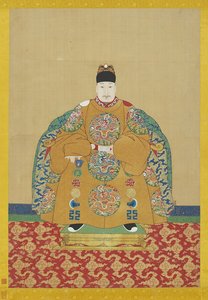
wanli emperor
1563 - 1620 , China
Основные сведения
- Artistic Movement Or Style: Mannerism, Caravaggism
- Artists Or Movements Influenced By This Artist:
- Artemisia Gentileschi
- Mannerism
- Artists Who Influenced This Artist:
- Caravaggio
- Michelangelo
- Date Of Birth: July 9, 1563
- Date Of Death: February 7, 1639
- Full Name: Orazio Gentileschi
- Nationality: Italian
- Notable Artworks:
- The Entombment
- Saint Bartholomew
- Judith and Holofernes
- Place Of Birth: Pisa, Italy
Похожие статьи
The Subtleties of White: Exploring Absence, Light & Symbolism in Art History
Explore the profound symbolism & history of white in art! From ancient purity to modern abstraction, discover how artists have used absence & light. Expert insights from ArtsDot.
The Allure of Azure: Exploring the Symbolic & Aesthetic Depths of Blue in Art History
Explore the rich history of blue in art! Discover its symbolism, from ancient pigments to modern masterpieces by Kandinsky & Seurat. Uncover the psychological impact and cultural meanings behind this captivating hue.
Azure Visions: Exploring Representations of the Blue Dress in Western Art History
Explore the rich history of the blue dress in Western art! Discover its symbolism, from Renaissance masterpieces to modern interpretations by artists like Martin & Schiele. Uncover cultural meanings and artistic techniques.
Топ-10 знаменитых картин в оттенках серо-голубого: искусство и декор от ArtsDot
Погрузитесь в мир серо-голубых оттенков! От Моне до Ренуара – 10 знаменитых картин, вдохновляющих на создание уникального интерьера. Репродукции высокого качества от ArtsDot.com. Explore the full collection online!

Белые шедевры: 10 знаменитых картин, покоривших мир (репродукции, декор)
Откройте для себя 10 знаменитых картин, где белый цвет – главный герой! Моне, Дега и другие мастера. История искусства, техники живописи и вдохновение для вашего интерьера. Репродукции высокого качества на ArtsDot.com